
 Save
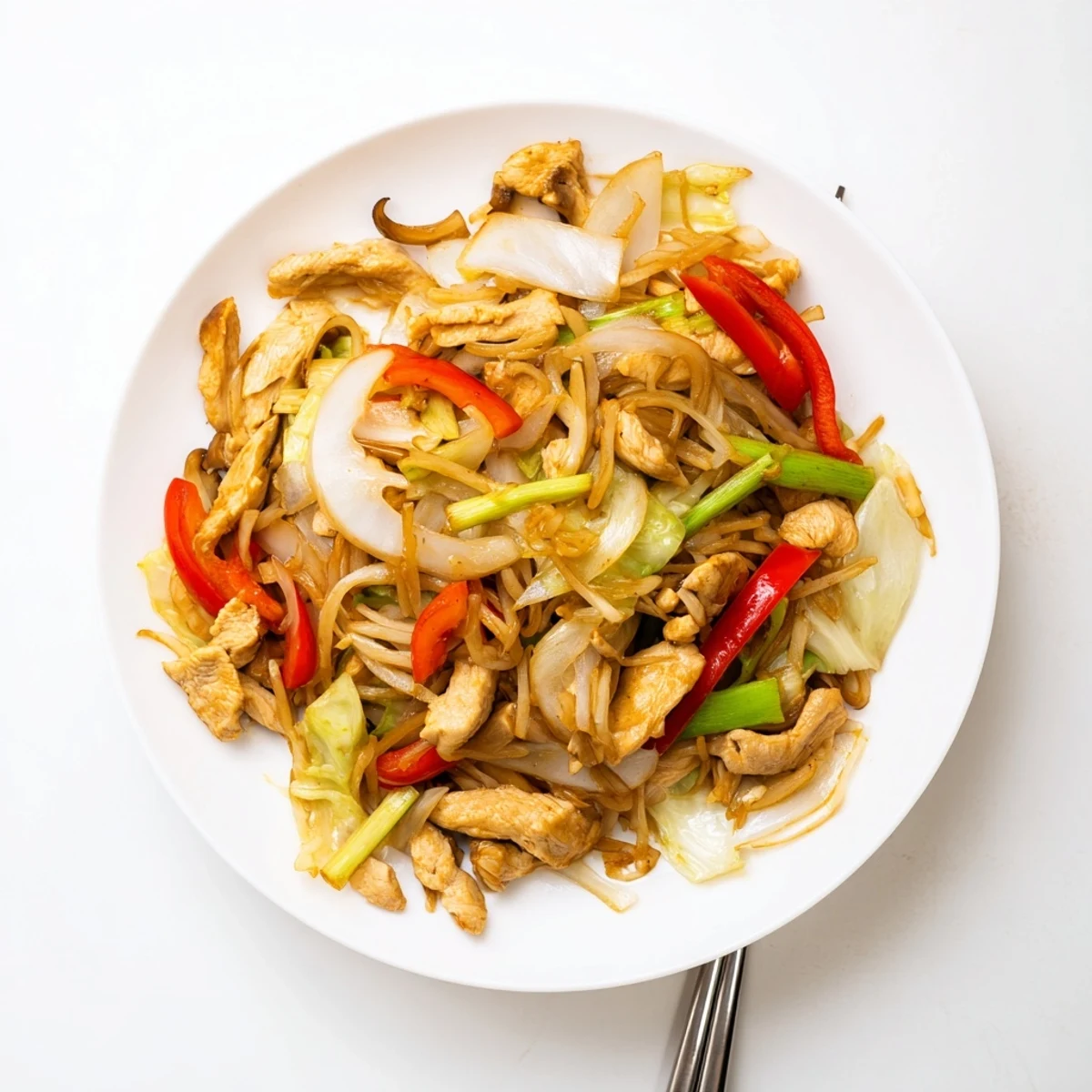
Save This beloved Chinese-American classic brings together tender slices of chicken or pork with an array of crisp colorful vegetables, all coated in a rich savory sauce. The dish comes together quickly, making it perfect for busy weeknight dinners when you want something satisfying without spending hours in the kitchen.
The beauty of this stir-fry lies in its versatility—swap proteins, adjust vegetables to your preference, or make it entirely vegetarian with tofu. The secret is achieving that perfect balance between tender-crisp vegetables and silky sauce that clings to every bite.
Serve it over steaming jasmine rice or alongside chow mein noodles for a complete meal that delivers restaurant-quality results right at home. The dish reheats beautifully, making it excellent for meal prep too.
The first time I made Chop Suey, I stood in my tiny kitchen with vegetables scattered across every available surface. My roommate walked in, took one look at the colorful chaos, and asked if I was starting a farmers market. That dinner became our weekly tradition, a fast, vibrant meal that turned whatever we had into something special.
Last winter, my friend Sam came over after a terrible day at work. I threw this together while she sat at my counter, shoulders slumped. By the time we sat down to eat, the steam rising from our bowls had somehow loosened all the tension from her afternoon.
Ingredients
- 300 g chicken breast or pork: Thinly slicing against the grain makes the meat tender and quick to cook
- 1 medium onion and 1 red bell pepper: These provide the sweetness that balances the savory sauce
- 1 cup bean sprouts: Add these at the very end so they stay crisp and fresh
- 1 cup napa cabbage: This wilts beautifully and soaks up all the sauce flavors
- 2 celery stalks and 1 medium carrot: These give you that satisfying crunch in every bite
- 100 g mushrooms: Button mushrooms work fine, but shiitakes add deeper flavor
- 2 garlic cloves and 1 teaspoon fresh ginger: Do not skip these, they are the foundation of the whole dish
- 3 tablespoons soy sauce and 1 tablespoon oyster sauce: This combination creates that rich, restaurant style flavor
- 1 tablespoon cornstarch: This thickens your sauce into something glossy and coat worthy
- 150 ml broth: Chicken or vegetable broth adds depth without overpowering
- 2 tablespoons vegetable oil: You need a high smoke point oil for stir frying
Instructions
- Whisk together your sauce first:
- Combine soy sauce, oyster sauce, cornstarch, rice wine, sesame oil, and broth in a small bowl until the cornstarch dissolves completely
- Cook the protein:
- Heat 1 tablespoon oil in a wok over medium high heat, add the sliced chicken or pork seasoned with salt and pepper, stir fry for 3 to 4 minutes until just cooked through, then remove from the pan
- Bloom the aromatics:
- Add the remaining oil to the wok, sauté garlic and ginger for about 30 seconds until they become incredibly fragrant
- Start the harder vegetables:
- Add onions, carrots, celery, and bell pepper, stir fry for 2 to 3 minutes until they start to soften but still have crunch
- Add the soft vegetables:
- Stir in mushrooms and cabbage, cook for another 2 minutes while stirring frequently
- Combine everything:
- Return the cooked meat to the pan, pour in your prepared sauce, toss everything together until coated
- Finish with bean sprouts:
- Add bean sprouts and stir fry for 1 to 2 minutes until heated through and the sauce has thickened nicely
- Serve immediately:
- Taste and adjust seasoning if needed, then serve hot over steamed rice or noodles
 Save
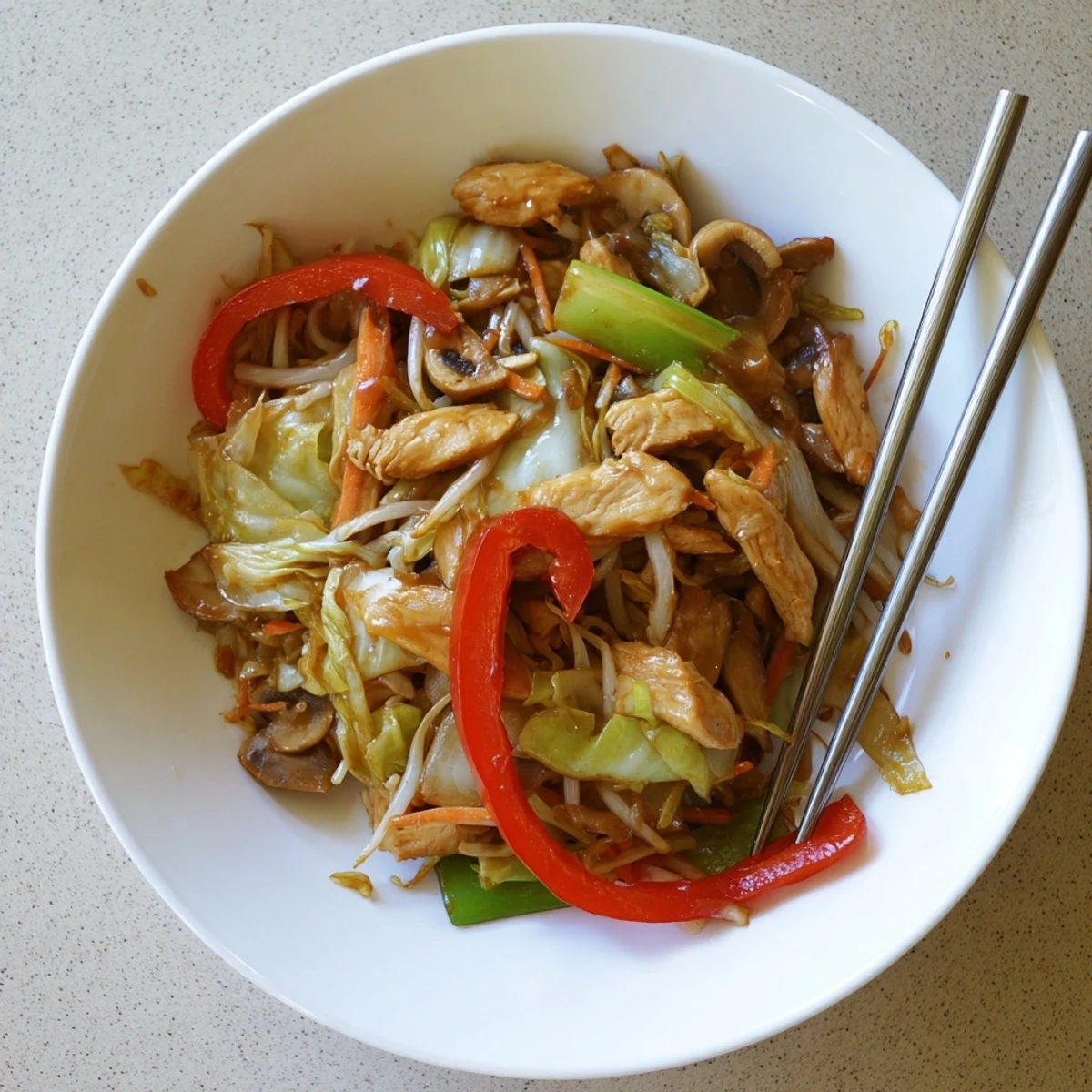
Save This recipe became my go to when my sister announced she was moving across the country. We cooked it together on her last night, talking about everything and nothing while the kitchen filled with the smell of ginger and soy.
Getting the Texture Right
The secret to restaurant style Chop Suey is cooking each ingredient for just the right amount of time. I learned this the hard way after serving my family mushy vegetables one too many times.
Making It Your Own
Sometimes I add water chestnuts for extra crunch or baby corn for sweetness. The recipe is incredibly forgiving once you understand the basic technique.
Perfect Pairings
Steamed jasmine rice is classic, but chow mein noodles make this feel even more like takeout night. A crisp white wine like Sauvignon Blanc cuts through the rich sauce beautifully.
- Cook rice or noodles first so they are ready when the stir fry is done
- Set out extra soy sauce at the table for those who love salty flavors
- This dish reheats wonderfully for lunch the next day
 Save
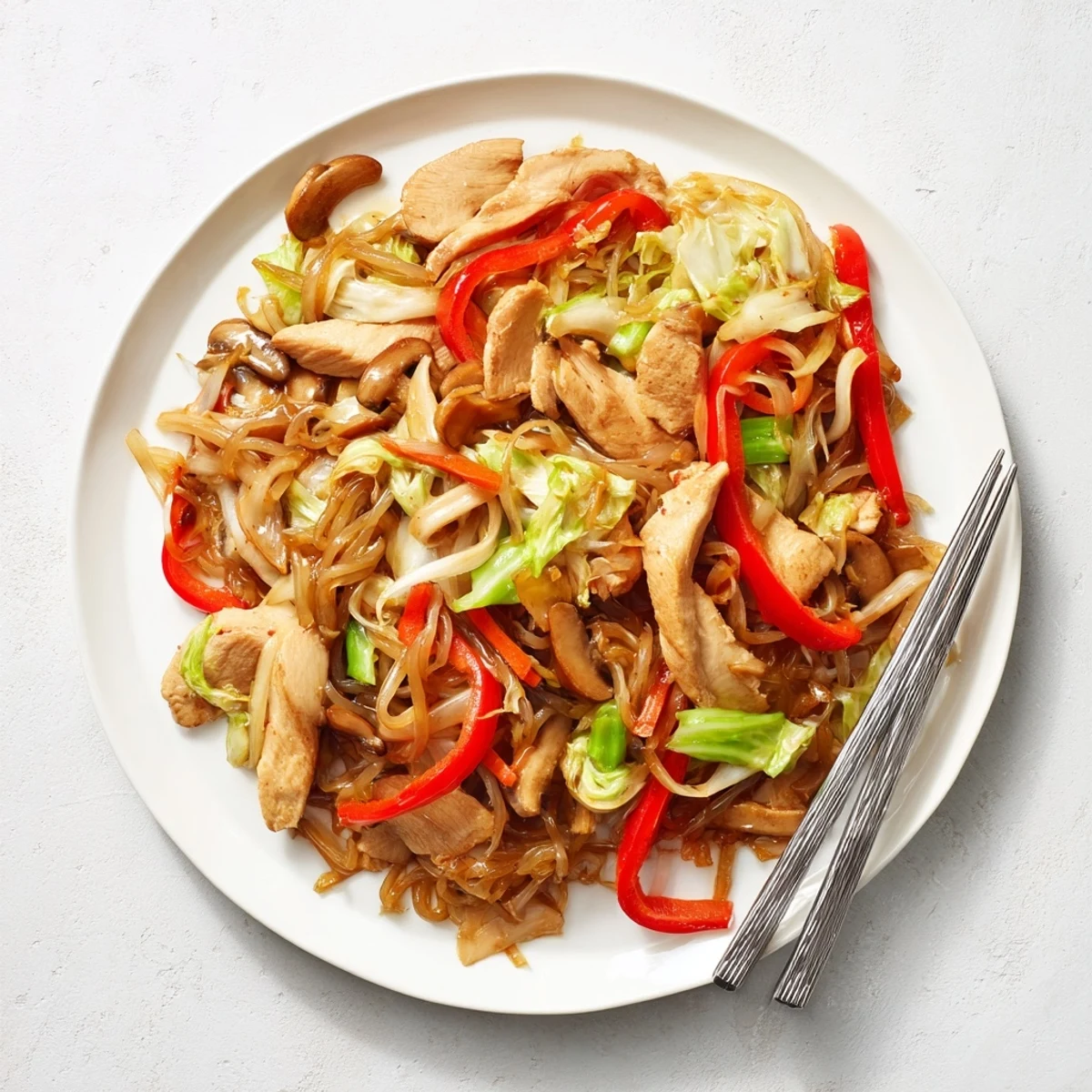
Save Some recipes are just pantry clearers, but this one has become a genuine comfort food in my house. Hope it finds a regular spot in your kitchen rotation too.
Recipe FAQs
- → What vegetables work best in Chop Suey?
-
Traditional Chop Suey features bean sprouts, napa cabbage, bell peppers, celery, carrots, and onions. Feel free to add water chestnuts, bamboo shoots, or snap peas for extra crunch and texture variation.
- → Can I make this dish vegetarian?
-
Absolutely. Substitute firm tofu for the meat and use vegetarian oyster sauce or mushroom sauce instead of traditional oyster sauce. The preparation method remains exactly the same.
- → How do I prevent the sauce from becoming too thick?
-
The cornstarch in the sauce will thicken as it heats. If it becomes too thick, simply add a splash more broth or water while stirring. The sauce should coat the ingredients lightly, not glue them together.
- → What's the difference between Chop Suey and Chow Mein?
-
Chop Suey is served over rice or with noodles as a stir-fried vegetable and meat dish in sauce. Chow Mein specifically features stir-fried noodles as the main component with toppings added on.
- → How long does Chop Suey keep in the refrigerator?
-
Stored in an airtight container, Chop Suey keeps well for 3-4 days. The flavors often improve overnight as the ingredients marinate in the sauce. Reheat gently in a pan or microwave, adding a splash of water if needed.
- → Can I freeze Chop Suey?
-
While possible, freezing may affect the texture of vegetables, making them softer upon thawing. If freezing, undercook vegetables slightly and thaw overnight in the refrigerator before reheating thoroughly.