
 Save
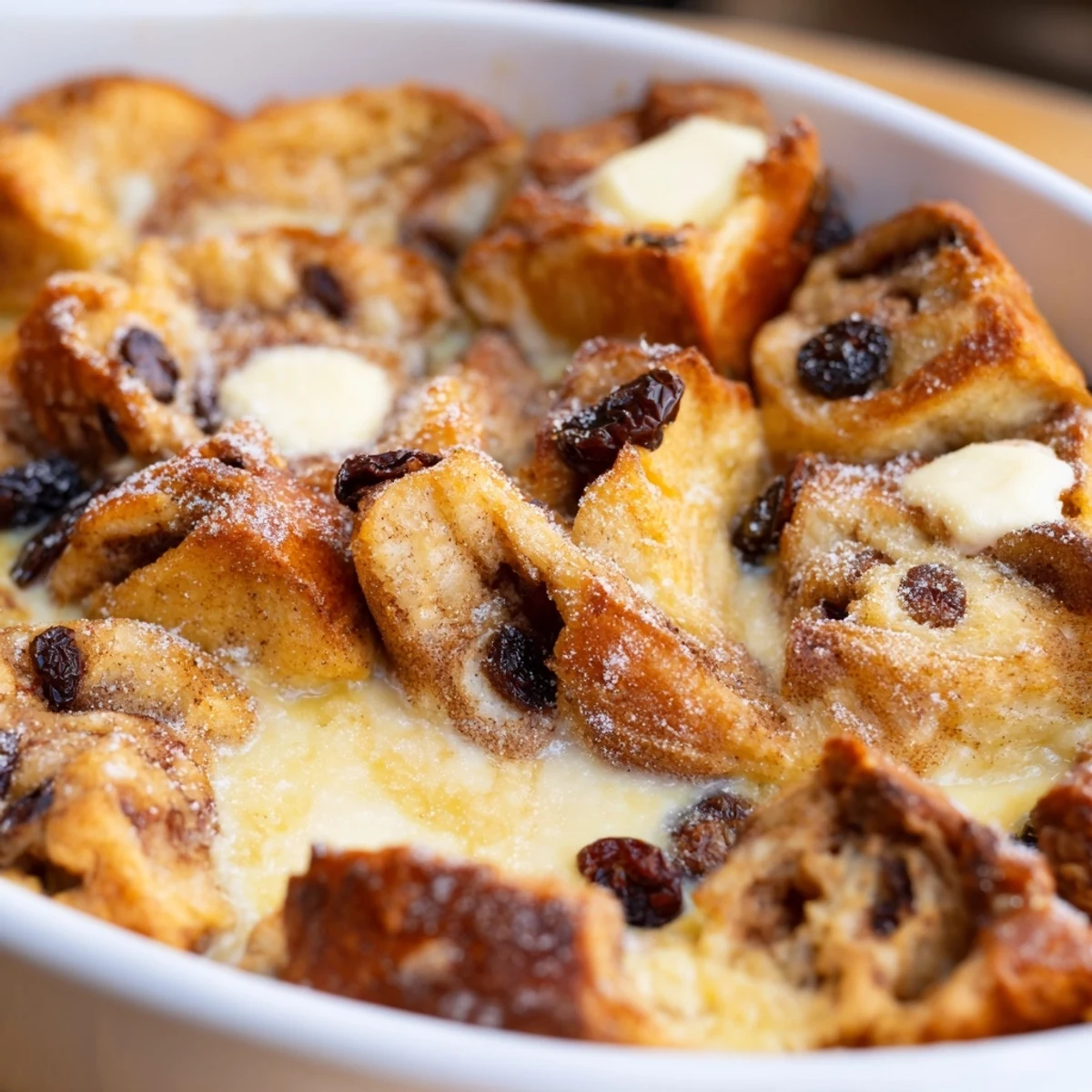
Save This dish combines thick cubes of cinnamon roll bread soaked in a rich mixture of eggs, milk, heavy cream, and warm spices like cinnamon and nutmeg. The custard-soaked bread is baked until golden and set, topped optionally with demerara sugar and raisins to add texture and sweetness. Served warm and dusted with powdered sugar, it offers a creamy, spiced flavor ideal for brunch or dessert. Variations include using brioche or challah and adding dried fruits or nuts for added depth.
There's something about the smell of cinnamon that stops me mid-thought. One Sunday, I was reorganizing my freezer and found a nearly forgotten loaf of cinnamon swirl bread, and suddenly I was thinking about bread and butter pudding—that old-fashioned comfort dish my grandmother made. But what if I leaned into the cinnamon instead of fighting it? What if the bread itself became the star? This pudding was born from that small decision to trust the spice.
I made this for a small dinner party last fall when the kitchen was cool enough to turn on the oven without heating the whole house. My friend Sarah arrived early and caught the pudding just as it was coming out—the kitchen filled with this warm, spiced steam that made everyone pause. She tasted it warm with a tiny dollop of whipped cream and said, 'This is what comfort tastes like.' I knew I'd found something special.
Ingredients
- Cinnamon roll bread: Use thick slices cut into generous cubes; stale bread actually works beautifully here because it soaks up the custard without falling apart.
- Whole milk and heavy cream: The combination gives you richness without being heavy; whole milk alone makes it taste thin.
- Unsalted butter: Softened butter dotted on top creates little pockets of golden flavor as it melts into the custard.
- Eggs: These bind and set everything; don't skip them or substitute with anything else.
- Granulated sugar: Sweet but not overly so; the cinnamon bread brings its own sugar too.
- Vanilla extract: Real vanilla is worth the cost here; it softens the spice and adds depth.
- Cinnamon and nutmeg: A light hand is key; you want warmth, not a spice cake in custard.
- Demerara sugar: Sprinkled on top, it adds crunch and catches the heat for a caramelized finish.
- Raisins or sultanas: Optional, but they plump up in the custard and become little sweet surprises.
- Powdered sugar: A final dusting before serving looks lovely and tastes like a finishing thought.
Instructions
- Prepare your vessel:
- Heat your oven to 350°F and butter that baking dish generously; it prevents sticking and adds flavor. An 8x8 dish is perfect, but a rectangular one works just as well.
- Build the bread foundation:
- Spread your cinnamon bread cubes into the dish and scatter raisins between the layers if using them. The bread should be scattered loosely, not packed tight, so the custard can weave through.
- Whisk the custard base:
- In a large bowl, beat eggs with sugar until they're pale and a little frothy; this takes about a minute and adds a subtle lightness. Add vanilla, cinnamon, nutmeg, and salt, whisking until smooth and even.
- Combine wet and dry flavors:
- Pour in the milk and cream slowly while whisking constantly to keep everything smooth and lump-free. This takes patience, but it's worth it.
- Let bread drink:
- Pour the custard over the bread and use a fork or spoon to gently press down so every piece gets saturated. Let it sit for 10 minutes; you'll see the bread slowly absorb the custard like a sponge.
- Add butter and sugar:
- Dot the top with small pats of softened butter and sprinkle demerara sugar if you want that crunch and shine. This step is optional but absolutely transforms the texture.
- Bake to golden:
- Slide it into the oven for 35 to 40 minutes; you're looking for the top to turn a deep golden brown and the custard to set but still jiggle just slightly when you shake the dish. A knife inserted near the center should come out clean.
- Rest and finish:
- Let it cool for a few minutes—it will firm up slightly—then dust with powdered sugar before serving. Warm is best, but it's also lovely at room temperature.
 Save
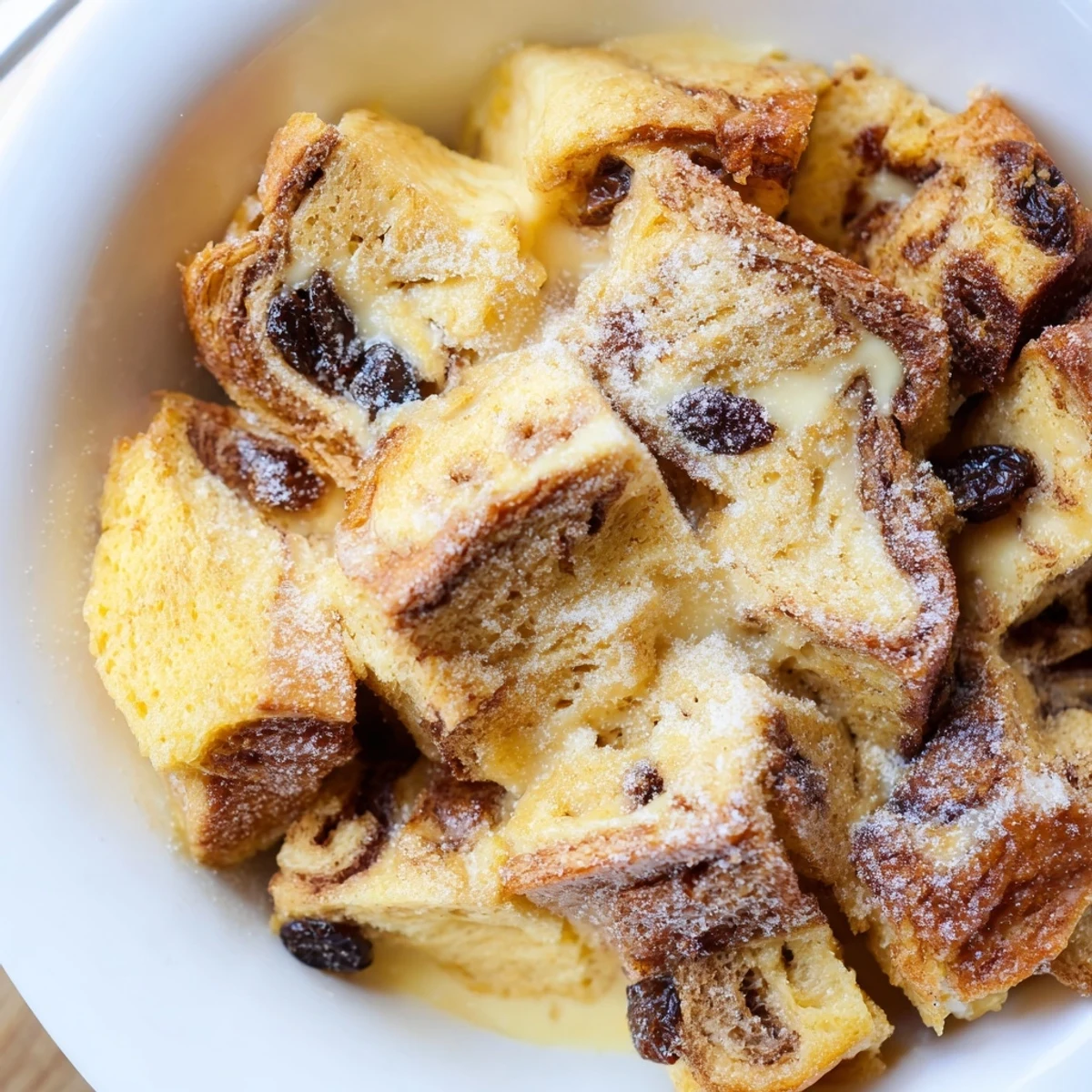
Save One morning, I served this with a small scoop of vanilla ice cream melting into the warm pudding, and my daughter, who usually pushes away anything 'old-fashioned,' went back for seconds without being asked. Sometimes a dish stops being about technique or ingredients and becomes about a moment—and this one became that moment for us.
Serving and Pairing Ideas
Vanilla ice cream is the obvious choice, and for good reason; it cools and softens the warmth of the spices. Whipped cream is lighter and lets the custard shine, while a caramel drizzle takes things into dessert-for-dinner territory. A small pour of bourbon or rum opens it up for evening meals, and a dusting of fresh nutmeg at the table feels like a small luxury.
Make-Ahead and Storage
You can assemble this the night before and refrigerate it overnight; the soaking time just extends, which is fine. Bake it fresh when you're ready. Leftovers keep in the fridge for three days and reheat beautifully in a low oven (around 300°F) until warmed through, which takes about 15 minutes. The texture stays custard-soft, never rubbery.
Variations and Swaps
The beauty of this pudding is how flexible it is. If you can't find cinnamon swirl bread, brioche or challah swirled with cinnamon works beautifully, or even day-old croissants for a richer result. You can substitute dried cranberries for raisins, add chopped pecans or walnuts for crunch, or even use a combination of warm spices like cardamom alongside the cinnamon. The custard base stays the same and adapts to whatever bread or flavor direction you choose.
- Try a splash of espresso in the custard for depth, or add a touch of maple syrup instead of plain sugar.
- Brown bread or sourdough creates a different texture—nuttier and less rich, perfect if you want something less sweet.
- A sprinkle of sea salt on top before baking brings out all the warm spices and adds sophisticated balance.
 Save
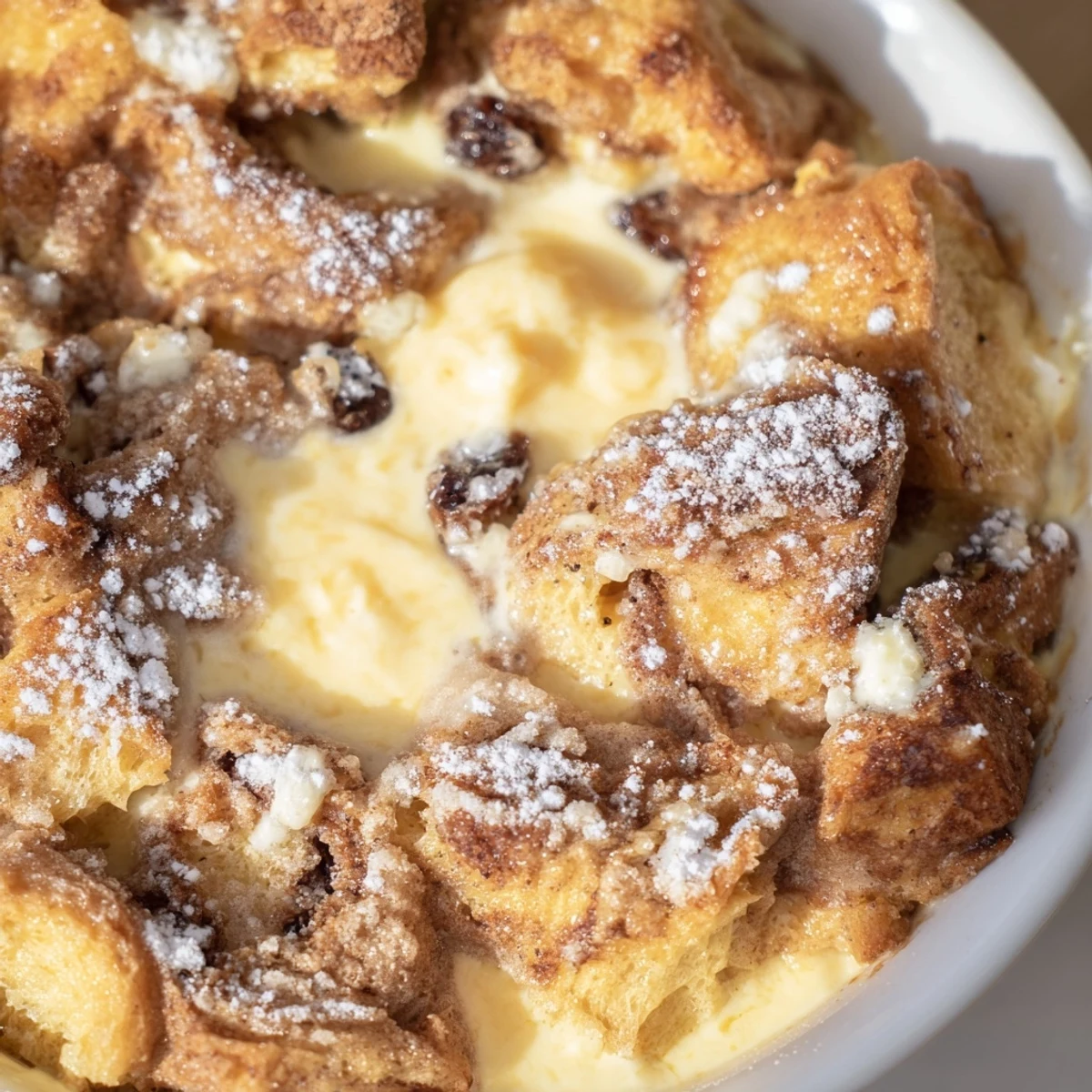
Save This pudding is for the moments when you want something warm and sweet but also a little bit grown-up. It's the kind of dessert that makes people feel cared for.
Recipe FAQs
- → What type of bread works best?
-
Cinnamon swirl breads like cinnamon roll bread impart the signature spiced sweetness, but brioche or challah with cinnamon works well too.
- → Can I add dried fruits or nuts?
-
Yes, adding raisins, sultanas, dried cranberries, or chopped pecans between layers enhances texture and flavor.
- → How long should the bread soak in the custard?
-
Let the bread absorb the custard mixture for about 10 minutes to ensure it soaks evenly and becomes tender.
- → What temperature is best for baking?
-
Bake at 350°F (175°C) until the custard is just set and the top is golden brown, typically 35–40 minutes.
- → How do I serve for best taste?
-
Serve warm with a dusting of powdered sugar and optional accompaniments like vanilla ice cream, whipped cream, or caramel sauce.