
 Save
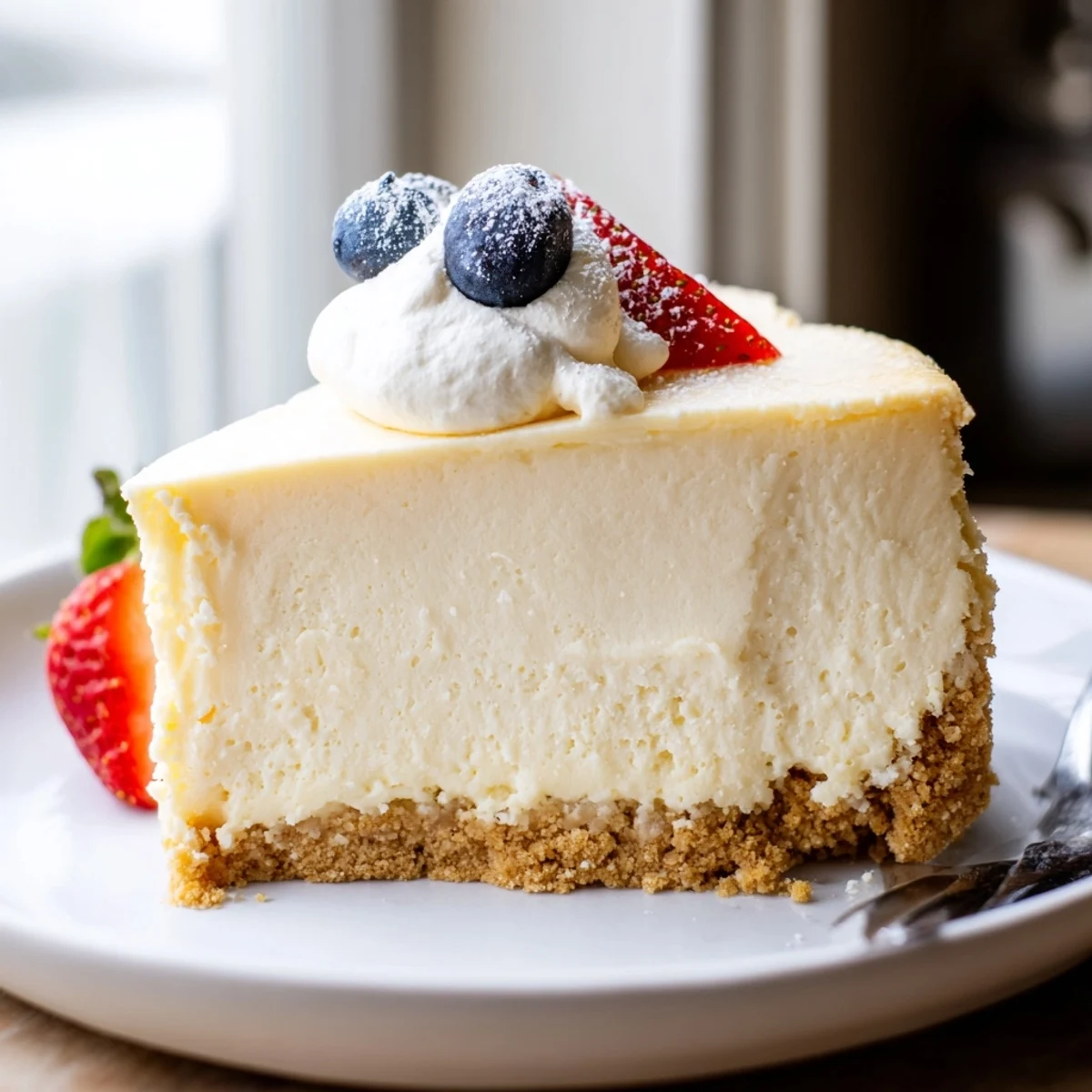
Save This classic American baked cheesecake features a buttery graham cracker crust pressed into a springform pan, topped with a silky smooth cream cheese filling made with sour cream, vanilla, and a hint of lemon zest.
The secret to a perfectly crack-free cheesecake lies in baking it low and slow at 160°C, then letting it cool gradually inside the oven with the door cracked open. After a minimum of six hours of chilling, you'll be rewarded with dense, creamy slices that pair beautifully with fresh berries, fruit compote, or a drizzle of chocolate sauce.
My apartment smelled like a vanilla cloud the night I decided a Tuesday deserved cheesecake. The oven hummed while rain streaked the windows and I hovered over the springform pan like it held something sacred. There is something wildly satisfying about transforming a few humble ingredients into a dessert that makes people close their eyes at the first bite.
I brought this cheesecake to a potluck once and watched a friend who never eats dessert go back for a second slice without saying a word. That silence was the loudest compliment my cooking has ever received.
Ingredients
- Graham crackers (200 g): The foundation of a great crust so crush them finely but not into dust for the best texture.
- Unsalted butter (100 g, melted): Binds the crust together and adds richness so use good quality butter if you can.
- Sugar (2 tbsp, for crust): Just enough to sweeten the base without competing with the filling.
- Cream cheese (900 g, softened): The star of the show and it must be fully softened or you will fight lumps all night.
- Granulated sugar (200 g): Balances the tang of the cream cheese beautifully.
- Large eggs (4): Add them one at a time and treat them gently for the silkiest result.
- Sour cream (200 ml, for filling): This is the secret to that lush creamy texture everyone chases.
- All-purpose flour (40 g): A small amount that prevents cracking and gives structure without making it cakey.
- Vanilla extract (2 tsp): Use the real stuff here because it truly shines through.
- Lemon zest (optional, from 1 lemon): A bright whisper that lifts the whole flavor profile.
- Sour cream (250 g, for topping): Creates a gorgeous tangy crown if you choose to add it.
- Powdered sugar (2 tbsp, for topping): Sweetens the topping just enough to balance the sour cream.
- Vanilla extract (1 tsp, for topping): Rounds out the topping with warmth.
Instructions
- Prepare the oven and pan:
- Preheat your oven to 160 degrees C (325 degrees F) and line a 23 cm springform pan with parchment paper so nothing sticks later.
- Build the crust:
- Crush the biscuits into fine crumbs then mix with sugar and melted butter until everything feels like damp sand. Press this mixture firmly into the bottom of your pan and bake for about 10 minutes until fragrant then let it cool slightly.
- Create the filling:
- Beat the softened cream cheese and sugar together until perfectly smooth with no streaks. Add each egg one at a time mixing gently after each then fold in the sour cream flour vanilla and lemon zest until just combined.
- Pour and settle:
- Pour the filling over your cooled crust and tap the pan gently on the counter to coax any stubborn air bubbles to the surface.
- Bake with patience:
- Bake for 50 to 60 minutes until the edges are set but the center still has a gentle wobble when you nudge it because that jiggle is your friend.
- Cool slowly in the oven:
- Turn the oven off crack the door open and let the cheesecake sit inside for a full hour so it cools gradually and avoids those dreaded cracks.
- Add the topping if desired:
- Mix sour cream powdered sugar and vanilla together until smooth then spread it gently over the cooled cheesecake like a blanket.
- Chill overnight:
- Refrigerate for at least 6 hours but overnight is when the real magic happens and the flavors settle into something extraordinary.
- Release and serve:
- Run a warm knife around the edge of the pan then release the springform and slice with confidence using a clean knife between each cut.
 Save
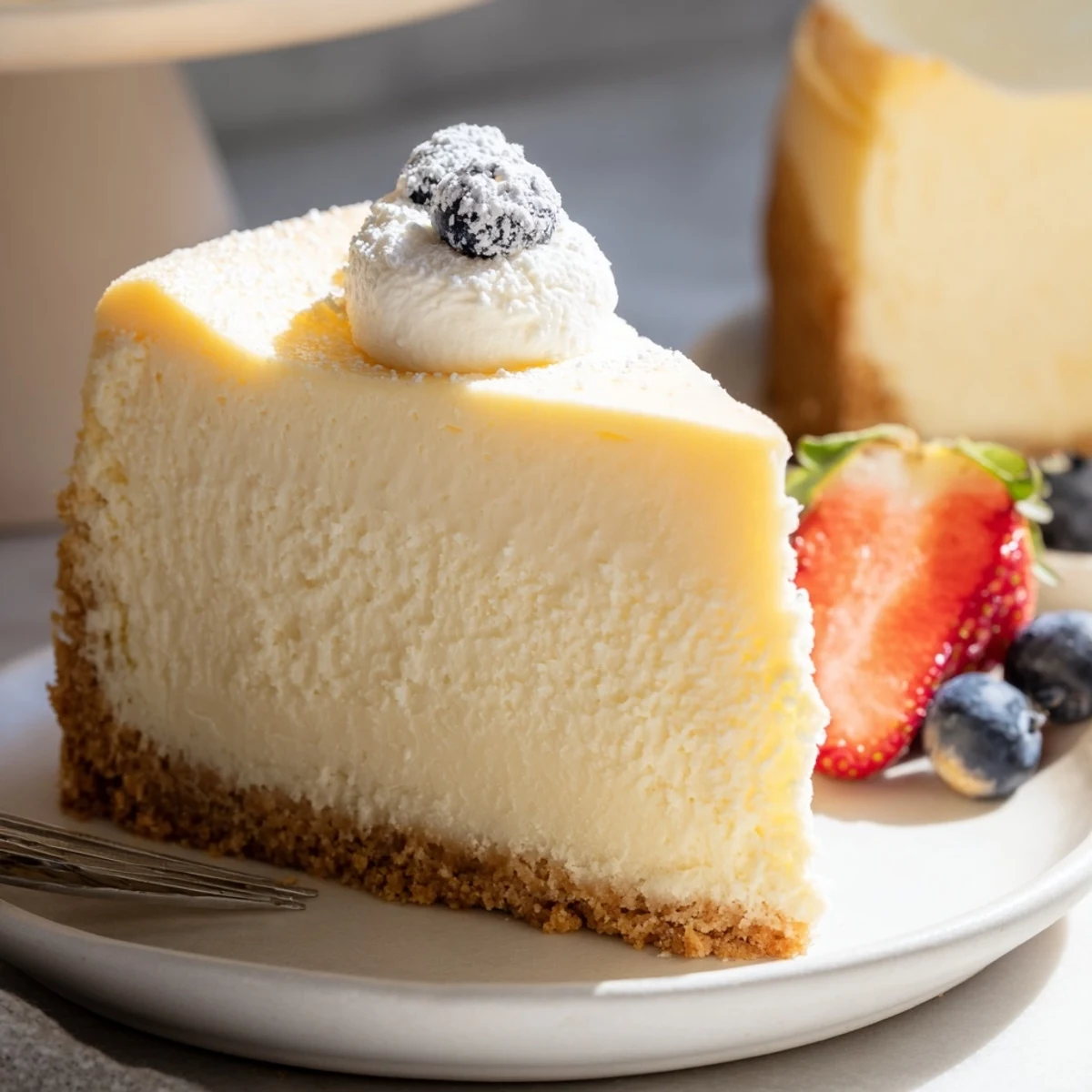
Save The moment I sliced into my first homemade cheesecake and saw that clean perfect edge I understood why people dedicate entire cookbooks to this dessert.
Toppings That Change Everything
A warm berry compote poured over a chilled slice creates a temperature contrast that makes each bite more exciting than the last. Melted chocolate drizzled on top turns a classic cheesecake into something that feels indulgent in a completely different direction.
Making It Gluten Free
Swap the graham crackers for your favorite gluten free cookies and you lose nothing in flavor or texture. I tested this for a friend who cannot eat gluten and she actually preferred the crust made from snappy ginger cookies.
Pairings and Serving Thoughts
Fresh strawberries or raspberries laid alongside each slice add color and a tartness that cuts through the richness. A glass of chilled Moscato turns a simple dessert course into an occasion worth lingering over.
- Always chill your serving knife in warm water and wipe it clean between slices for the neatest presentation.
- Let the cheesecake sit at room temperature for about 15 minutes before serving so the flavors open up.
- Leftovers keep beautifully in the fridge for up to five days covered tightly with plastic wrap.
 Save
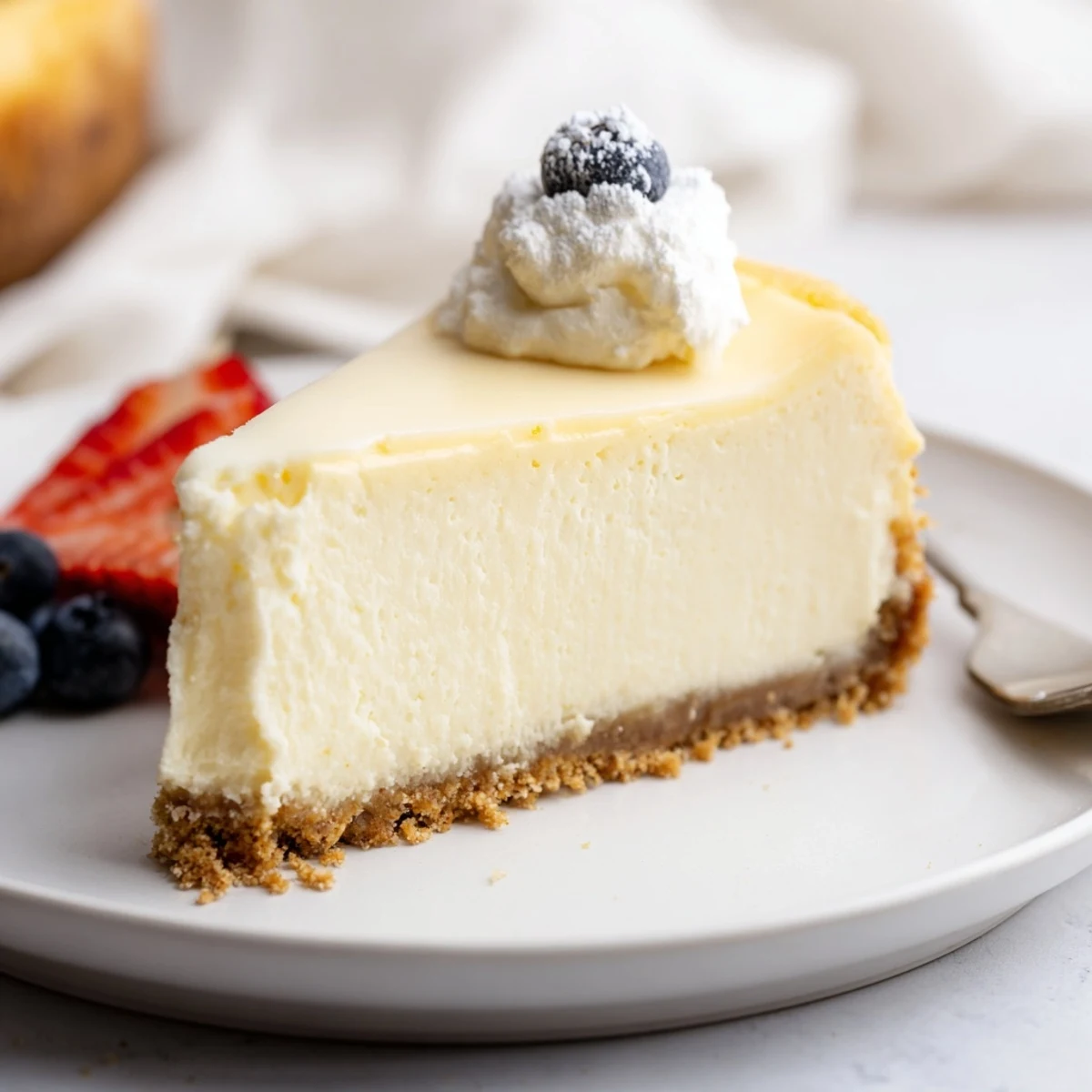
Save Every cheesecake teaches you something new and once you nail this one you will find yourself making it for every gathering that matters. It is worth every minute of waiting.
Recipe FAQs
- → Why did my cheesecake crack on top?
-
Cracks usually form from overmixing the batter, which incorporates too much air, or from sudden temperature changes. Beat the filling on low speed just until combined, and always let the cheesecake cool gradually inside the turned-off oven with the door cracked.
- → Can I make cheesecake without a springform pan?
-
While a springform pan makes removal much easier, you can use a regular deep cake pan lined with parchment paper, leaving enough overhang to lift the cheesecake out once fully chilled. A 23 cm pan is ideal for this quantity.
- → How long does cheesecake need to chill?
-
Plan for at least six hours of refrigeration, though overnight is strongly recommended. This resting time allows the filling to set completely and develop its signature dense, creamy texture. Cutting into it too early will result in a soft, messy slice.
- → Can I freeze leftover cheesecake?
-
Yes, cheesecake freezes exceptionally well. Wrap individual slices tightly in plastic wrap, then place them in an airtight container or freezer bag. Freeze for up to three months and thaw overnight in the refrigerator before serving.
- → How do I get clean slices when cutting cheesecake?
-
Use a sharp, thin-bladed knife dipped in hot water and wiped dry between each cut. The warmth helps the blade glide through cleanly without dragging, giving you bakery-worthy slices every time.
- → Can I substitute low-fat cream cheese?
-
Full-fat cream cheese is strongly recommended for the best texture and flavor. Low-fat versions contain more water and can result in a softer, less creamy filling that may not set properly during chilling.