
 Save
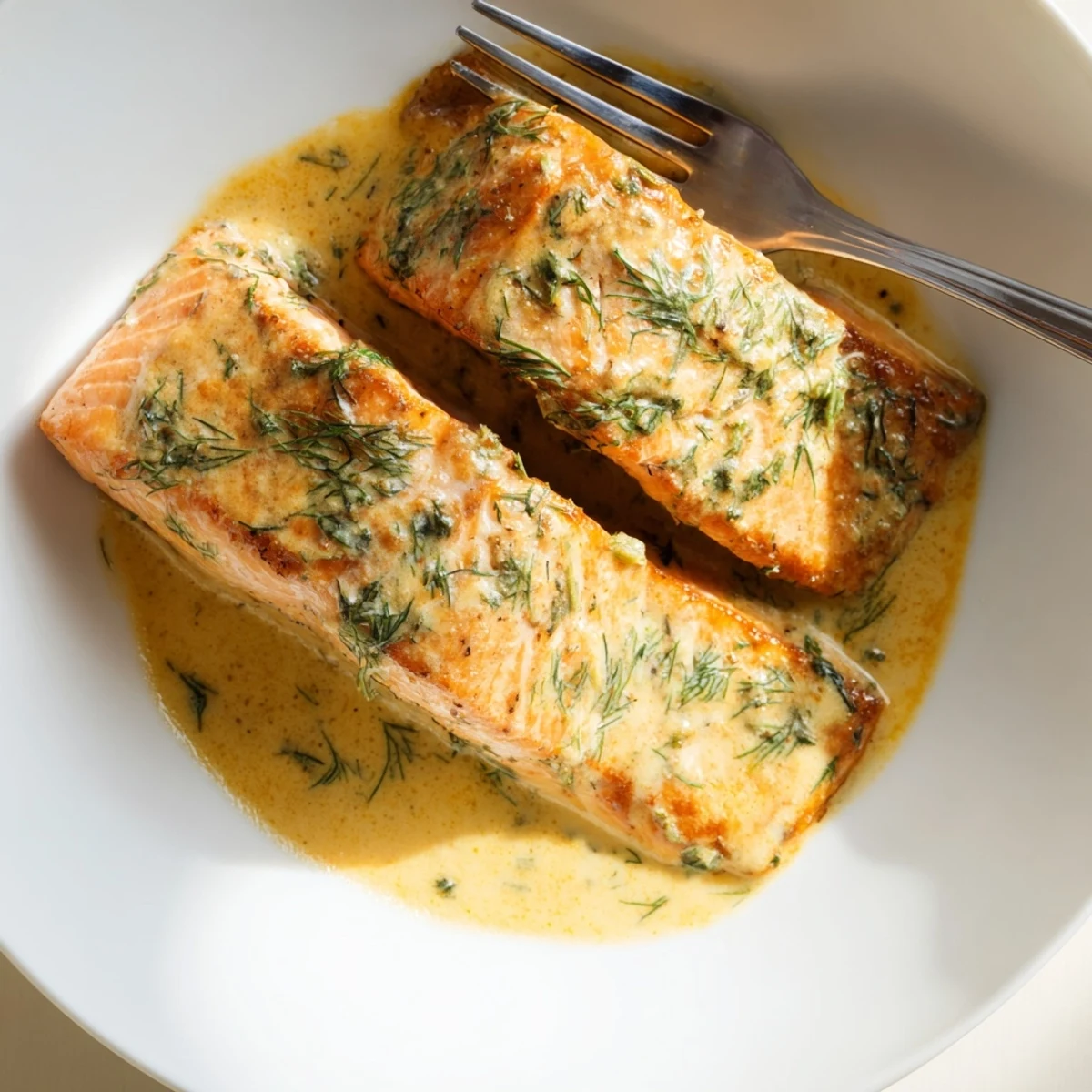
Save This elegant dish features perfectly pan-seared salmon fillets coated in a velvety garlic butter cream sauce. The combination of fresh herbs, white wine, and Parmesan creates a luxurious flavor profile while keeping preparation simple. Ready in under 30 minutes, it works beautifully for both weeknight dinners and special occasions.
The first time I made this garlic butter salmon, my kitchen smelled like a fancy bistro and I honestly felt a little proud of myself. There's something deeply satisfying about pan-searing salmon just right—getting that golden crust while keeping the inside tender and flaky. My husband actually asked if we could have it every week after that first bite, which pretty much sealed the deal for our regular dinner rotation.
I served this at a small dinner party last month, and my friend Sarah—who swore she didn't like fish—went back for seconds. She kept asking what was in the sauce, and I think the combination of white wine, cream, and fresh herbs just hits different when it's poured over perfectly cooked salmon.
Ingredients
- 4 salmon fillets: I like using skin-on for extra flavor and easier handling, but skinless works perfectly too—just remove those pesky pin bones first
- Salt and black pepper: Simple seasoning is all you need to let the salmon shine, but don't be shy with it
- Unsalted butter: Using unsalted gives you control over the seasoning since you'll be adding salt anyway
- Olive oil: This prevents the butter from burning over high heat and adds a nice fruity note
- Garlic cloves: Fresh minced garlic is non-negotiable here—garlic powder just won't give you that aromatic depth
- Shallot: More subtle than onion and adds a gentle sweetness that balances the rich cream
- Dry white wine: Chicken broth works perfectly if you prefer not to cook with wine
- Heavy cream: For a lighter version, half-and-half still gives you that velvety texture
- Grated Parmesan: Adds umami and helps thicken the sauce beautifully
- Fresh lemon juice: Brightens everything and cuts through the richness just right
- Fresh parsley and dill: These herbs bring everything to life and make the dish look gorgeous
Instructions
- Prep the salmon:
- Pat those fillets completely dry with paper towels—this is crucial for getting a nice sear—and season both sides generously with salt and pepper.
- Sear the salmon:
- Heat the olive oil and 1 tablespoon butter in a large skillet over medium-high until it's shimmering, then add salmon skin-side down and let it cook undisturbed for 4 minutes until golden.
- Flip and finish:
- Carefully flip each fillet and cook another 2 to 3 minutes until just cooked through, then transfer to a plate and cover loosely with foil.
- Build the aromatics:
- Reduce heat to medium, add the remaining butter, then sauté garlic and shallot for 1 to 2 minutes until fragrant but not browned.
- Deglaze the pan:
- Pour in the white wine and scrape up all those browned bits from the bottom—this is where all the flavor lives—and let it simmer for 2 minutes.
- Create the sauce:
- Stir in the heavy cream and Parmesan, simmering for 2 to 3 minutes while stirring until the sauce coats the back of a spoon.
- Finish with freshness:
- Add the lemon juice, parsley, and dill, then taste and adjust the seasoning if needed.
- Bring it together:
- Gently return the salmon to the skillet, spooning that luscious sauce over the top, and simmer for just 1 to 2 minutes to warm everything through.
 Save
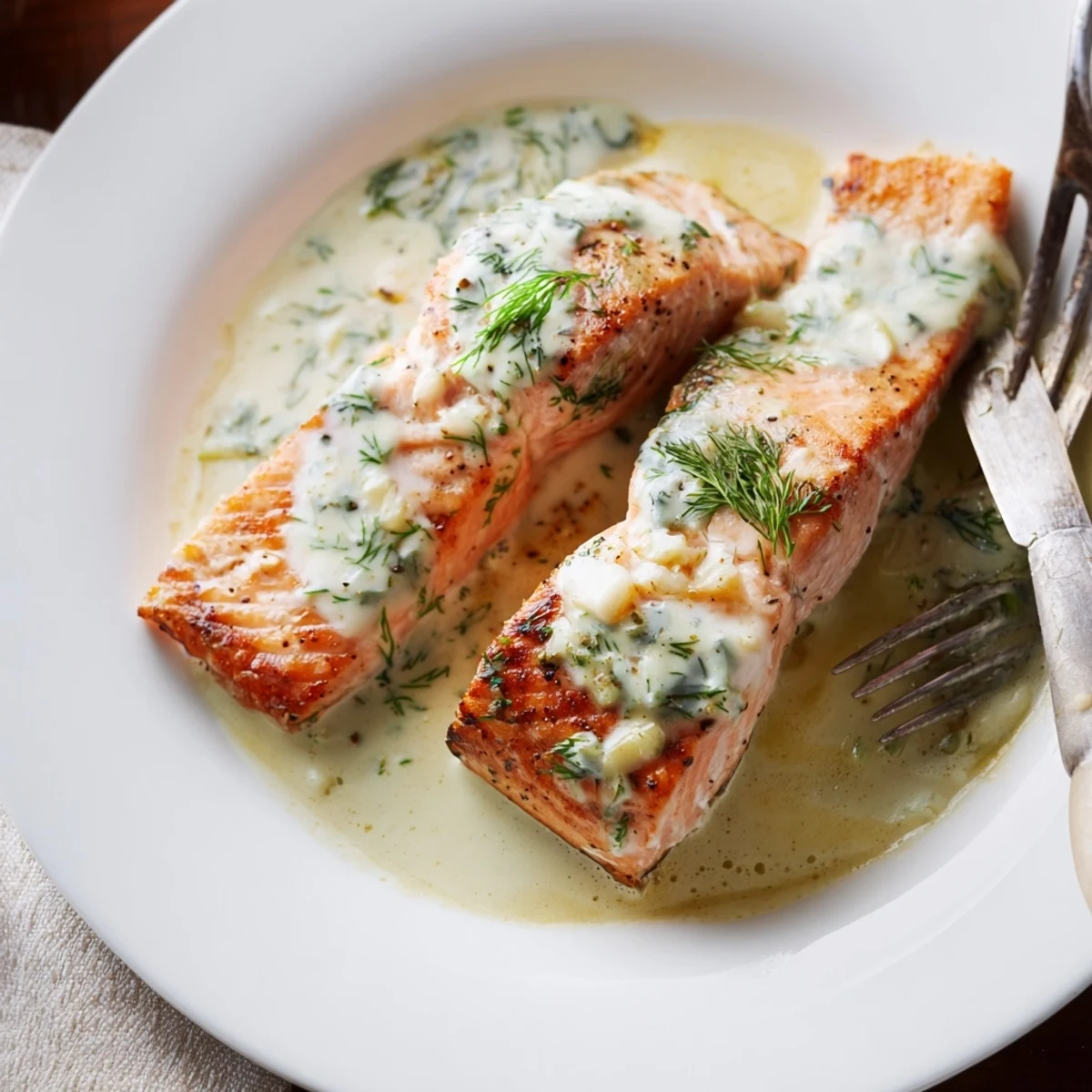
Save This recipe has become my go-to for celebrating small wins—a promotion at work, a good report card, or just making it through a particularly long week. There's something about creamy garlic sauce that makes any Tuesday night feel a little more special.
Choosing the Right Salmon
I've learned through trial and error that wild-caught salmon has a more pronounced flavor and leaner texture, while farm-raised tends to be milder and fattier. For this recipe, either works beautifully, but I personally prefer the richness of Atlantic salmon because it stands up so well to the creamy sauce.
Wine Pairing Secrets
A crisp Sauvignon Blanc or buttery Chardonnay cuts through the richness while complementing the garlic and herbs. If you're using white wine in the sauce, try serving the same wine at the table—it creates such a lovely continuity that guests always notice.
Make-Ahead Wisdom
You can season the salmon up to 2 hours ahead and keep it refrigerated, but don't cook it until you're ready to eat. The sauce, however, can be made earlier in the day and gently reheated—just add a splash more cream if it gets too thick.
- Keep the salmon on the counter for 15 minutes before cooking for more even cooking
- Warm your plates in the oven for 5 minutes before serving
- Extra sauce keeps in the fridge for up to 3 days and is amazing over roasted vegetables
 Save
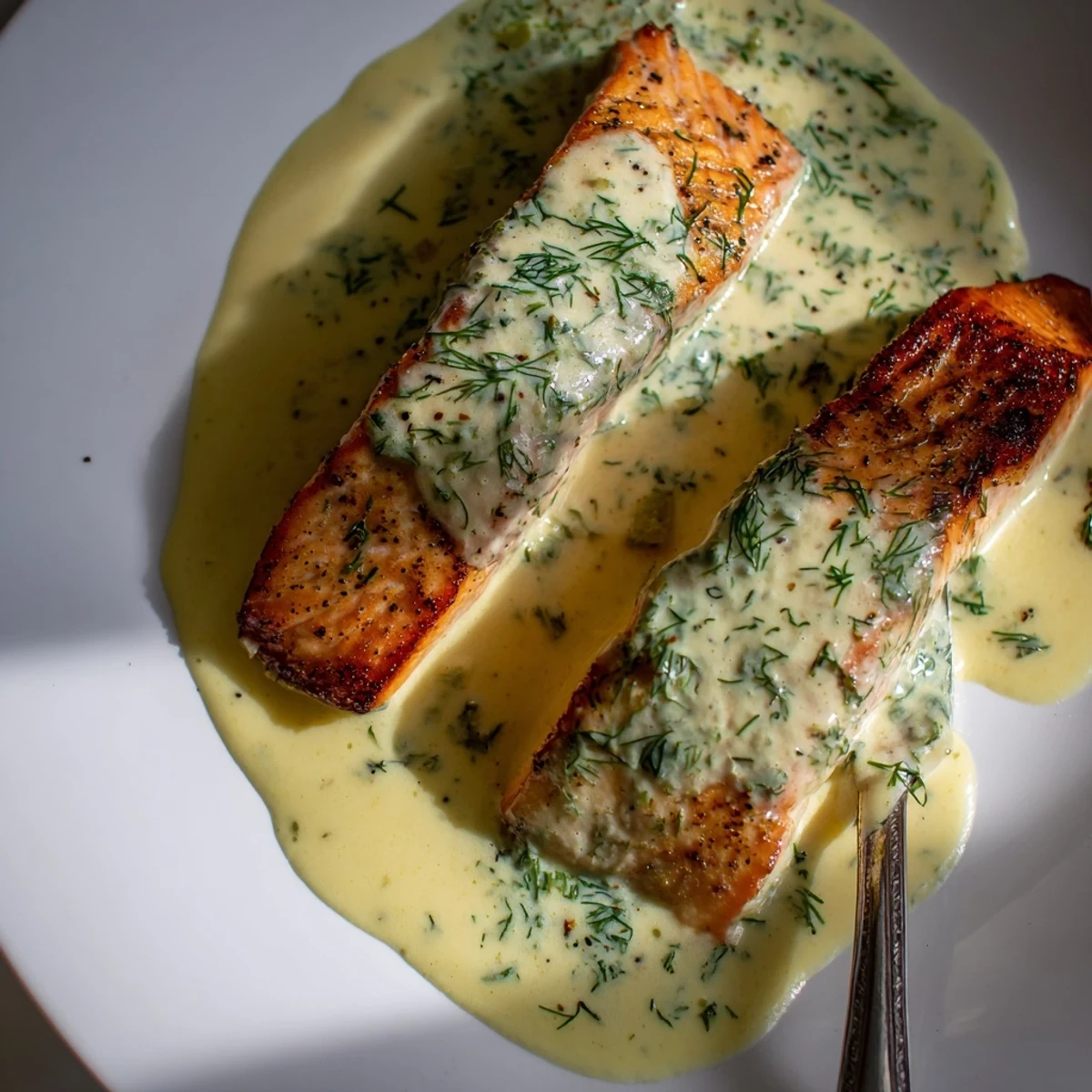
Save Whether it's a Tuesday night or a dinner party, this salmon never fails to make me feel like I've made something really special.
Recipe FAQs
- → What's the best way to tell when salmon is cooked through?
-
The salmon is done when it flakes easily with a fork and the internal temperature reaches 145°F. The flesh should appear opaque throughout and still feel moist, not dry.
- → Can I use frozen salmon fillets?
-
Yes, thaw frozen salmon overnight in the refrigerator before cooking. Pat them thoroughly dry with paper towels to remove excess moisture for better searing results.
- → What can I substitute for white wine in the sauce?
-
Chicken broth makes an excellent non-alcoholic alternative. You can also use fish or vegetable broth for a different flavor profile that still complements the salmon beautifully.
- → How do I prevent the cream sauce from curdling?
-
Keep the heat at medium or lower when adding the cream and avoid boiling vigorously. Stir constantly and add the cream gradually while the pan isn't too hot to maintain a smooth consistency.
- → What side dishes pair well with this salmon?
-
Steamed rice, mashed potatoes, or sautéed greens like spinach and asparagus work wonderfully. Crusty bread also helps soak up the extra creamy sauce.
- → Can I make this dish ahead of time?
-
The sauce can be made ahead and reheated gently. Cook the salmon fresh for the best texture, or reheat gently in the sauce without overcooking to maintain tenderness.