 Save
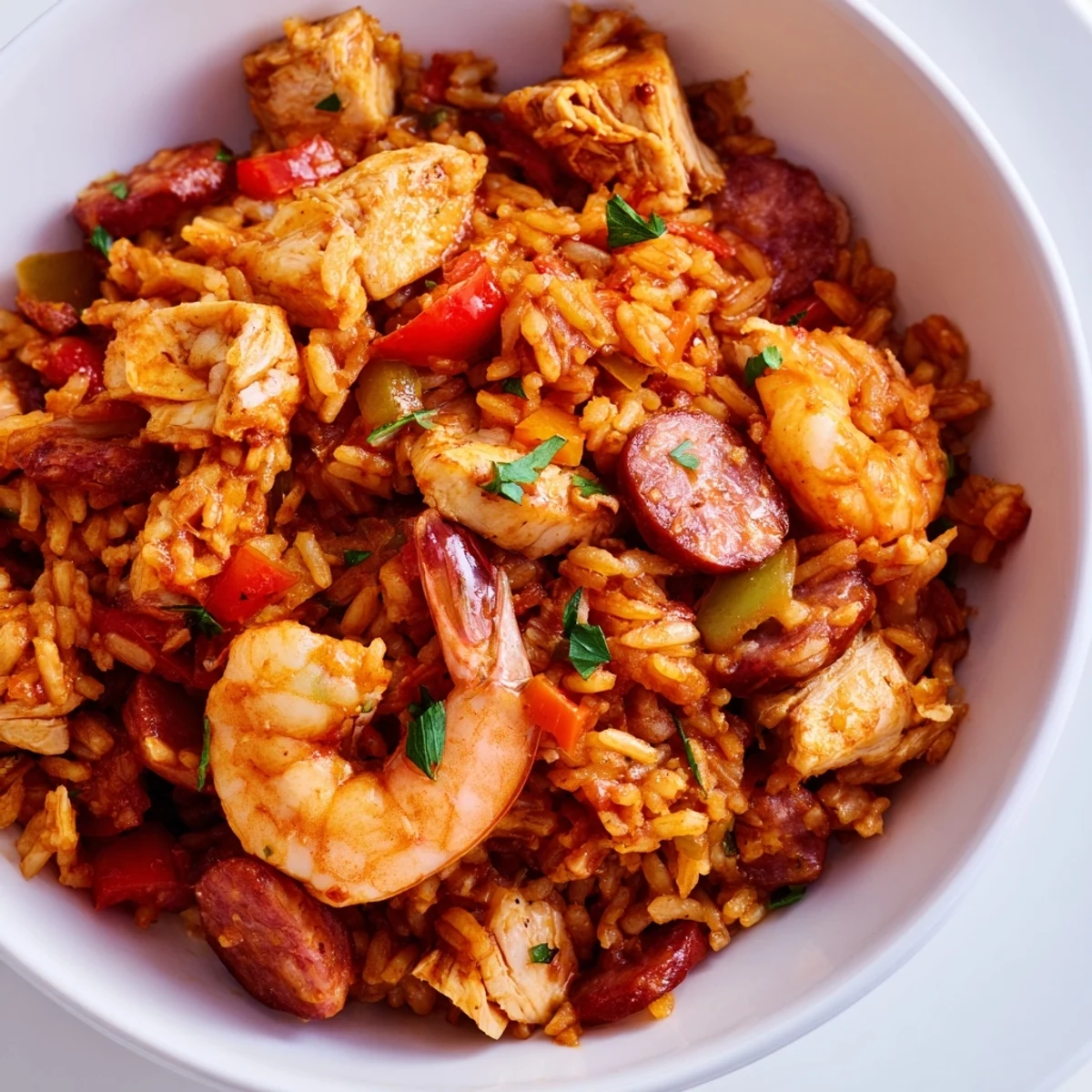
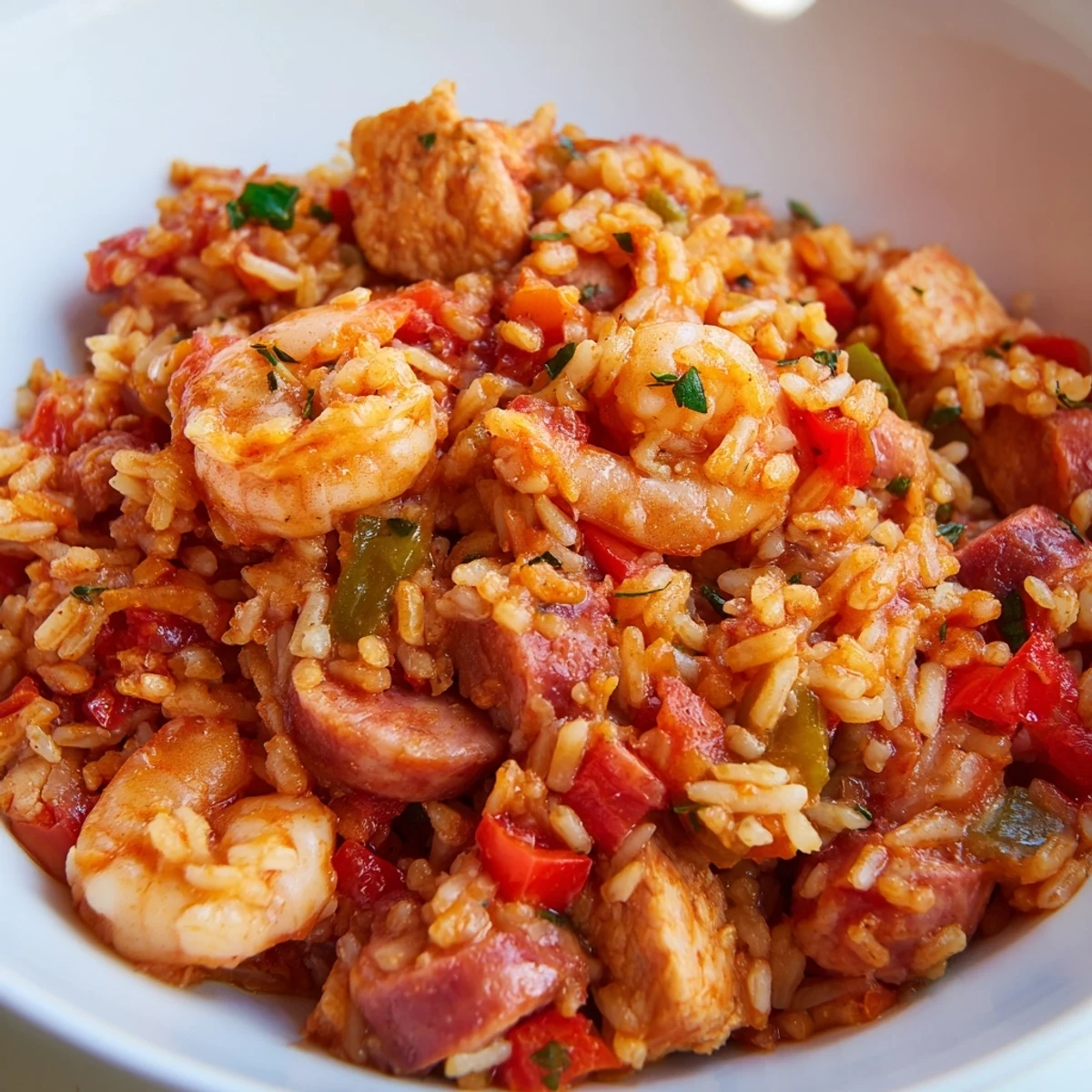
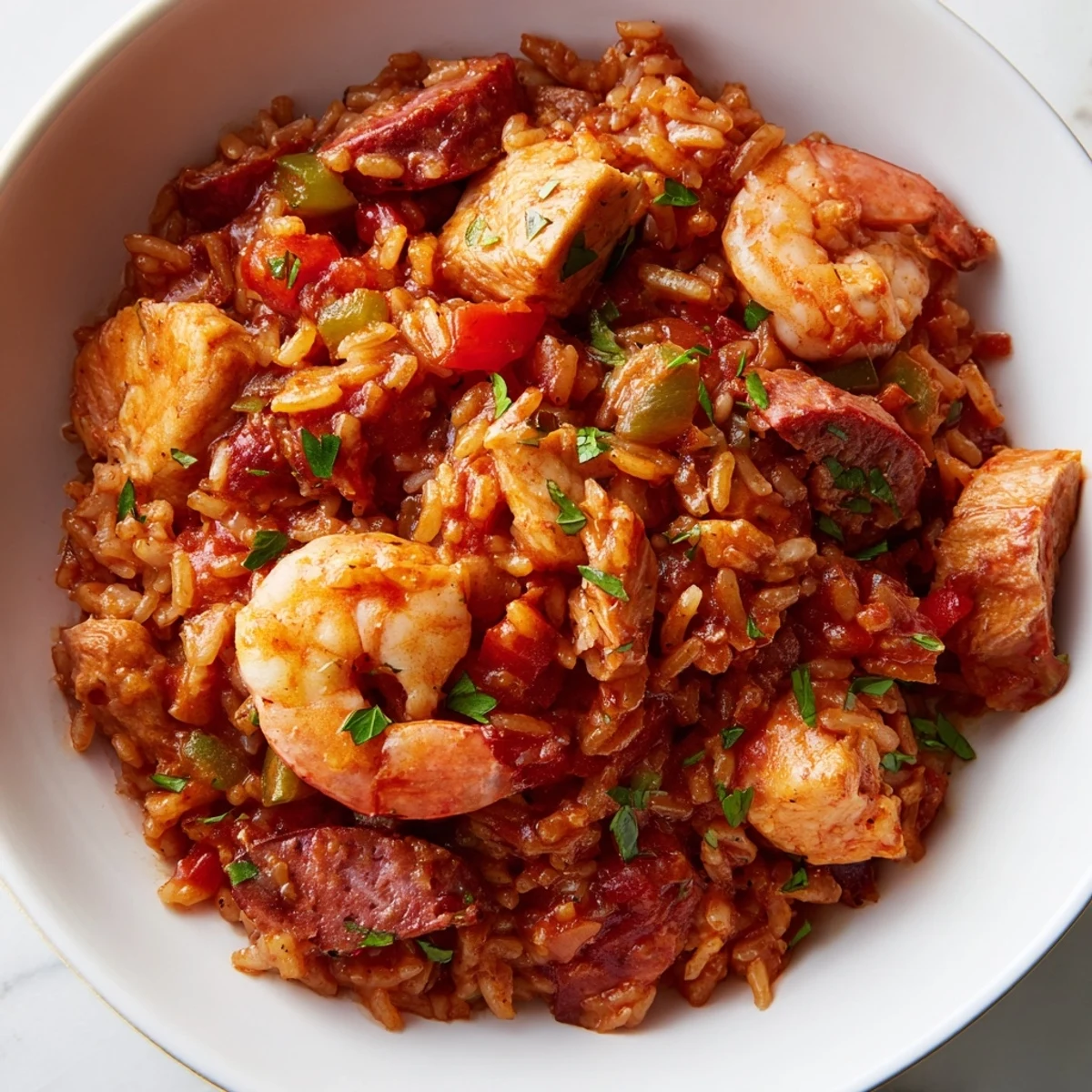
Save This vibrant Creole jambalaya combines tender chicken thighs, succulent shrimp, and smoky andouille sausage with the holy trinity of onions, bell peppers, and celery. The proteins are browned first to build depth, then combined with aromatic garlic, diced tomatoes, and long-grain rice in a flavorful chicken stock infused with paprika, thyme, oregano, and cayenne. The one-pot method ensures all flavors meld together beautifully in just 40 minutes of cooking. Finished with fresh parsley and spring onions, this dairy-free main serves six and pairs perfectly with hot sauce.
The first time I made jambalaya, the aroma transformed my kitchen into a tiny corner of New Orleans. My hands were stained with paprika as I nervously stirred the pot, wondering if the rice would cook properly or turn to mush. The spicy steam fogged my glasses, but when that first spoonful hit my tongue – rich, complex, and utterly soul-warming – I knew I'd found a dish worth perfecting.
Last summer, I served this jambalaya at an impromptu backyard gathering during a power outage. As dusk fell, we ate by candlelight at a table dragged outside, laughing about how the neighborhood blackout had accidentally created the perfect ambience. Someone brought out a guitar, and between bites of spicy rice and sips of cold beer, the evening turned magical in a way no planned dinner party ever could.
Ingredients
- Andouille Sausage: This smoky, spicy sausage is the backbone of authentic jambalaya flavor, adding richness that infuses the entire dish.
- The Holy Trinity: Bell pepper, onion and celery create the aromatic foundation that distinguishes Creole cooking from all other cuisines.
- Long-Grain Rice: Always rinse it first to remove excess starch, which helps prevent your jambalaya from becoming gummy or sticky.
- Cayenne Pepper: Start with less than you think you need, as its heat blooms dramatically during cooking and continues to intensify as leftovers sit.
Instructions
- Build Your Flavor Base:
- Heat that olive oil until it shimmers before adding your chicken pieces, giving them space to properly brown. Those caramelized bits sticking to the bottom are pure gold for flavor development.
- Layer In The Aromatics:
- When the vegetables hit the hot pan, youll hear that satisfying sizzle that signals youre on the right track. Take your time with this step, letting the onions turn translucent and slightly golden at the edges.
- Rice Integration:
- Coating each grain with the flavorful oil is your secret weapon for depth of flavor. Youll see the rice become slightly translucent around the edges before adding your liquids.
- The Crucial Simmer:
- When you reduce the heat, resist the urge to peek under the lid too often. Every escaped puff of steam affects the rice-to-liquid ratio.
- Shrimp Timing:
- These delicate treasures need just enough heat to turn pink and opaque. Adding them at the end prevents the disappointment of rubbery overcooked seafood.
- The Final Rest:
- Off the heat, give your jambalaya a few minutes to settle before serving. This allows the flavors to harmonize and the excess moisture to be absorbed by the rice.
 Save
Save My father-in-law, who grew up in Louisiana, was skeptical when I mentioned making jambalaya for his birthday dinner. He arrived with a polite smile that barely concealed his low expectations. But after his first bite, he fell silent, took another spoonful, then looked up with genuine surprise. That night, he shared stories of his childhood that wed never heard before, all while reaching for his third helping.
The Creole vs Cajun Debate
This recipe leans firmly into Creole tradition with its tomato base, distinguishing it from the deeper-colored Cajun version which skips tomatoes entirely. The distinction isnt just academic – the acid from tomatoes completely transforms how the other flavors develop, creating a brighter, more layered dish that complements the seafood beautifully. When friends debate which style is superior, I just smile and serve them both versions.
Make-Ahead Options
While jambalaya is at its absolute peak freshly made, Ive discovered it transforms beautifully when prepared in advance, minus the shrimp. The spices have time to deepen their relationship with the rice overnight in the refrigerator, creating an even more complex flavor profile. When reheating, I add a splash of stock and the raw shrimp, letting both warm gently until the seafood just turns pink.
Serving Suggestions
Jambalaya is a complete meal in itself, but a few thoughtful accompaniments can elevate the experience from satisfying to memorable. I like offering contrasting temperatures and textures to balance the warm spiciness of the main dish.
- A simple green salad with a bright vinaigrette cuts through the richness beautifully.
- Crusty French bread is non-negotiable for soaking up every last bit of the flavorful sauce.
- Keep hot sauce on the table, as spice preferences vary widely even among dedicated heat lovers.
 Save
Save There are dishes we cook to impress and dishes we cook to nourish, but jambalaya somehow manages to do both while bringing people together around the table. Whether for everyday family dinners or special gatherings, its a reminder that the most satisfying meals are often the most soulful.
Recipe FAQs
- → What is the holy trinity in Creole cooking?
-
The holy trinity refers to the three essential aromatic vegetables: onions, celery, and bell peppers. This combination forms the flavor base for most Creole dishes, including jambalaya.
- → Can I make this ahead and reheat it?
-
Yes, jambalaya reheats beautifully. Store it in an airtight container for up to 3 days. Reheat gently on the stovetop with a splash of water or broth to restore moisture.
- → What type of rice works best for jambalaya?
-
Long-grain white rice is traditional for jambalaya because it absorbs flavors while maintaining individual grains. Avoid using minute rice or brown rice, as they have different cooking times and textures.
- → How do I adjust the spice level?
-
Start with ½ teaspoon cayenne pepper and taste as you cook. You can add more gradually or offer hot sauce on the side for guests to customize their heat level.
- → Is andouille sausage essential to this dish?
-
While authentic, you can substitute with other smoked sausages like kielbasa or chorizo. The sausage adds smokiness and depth, but the dish works with any quality smoked variety.
- → Can I add vegetables beyond the traditional trinity?
-
Absolutely. Okra, green beans, or diced carrots work well. Add heartier vegetables early with the trinity, and tender ones in the final cooking stage to maintain texture.