
 Save
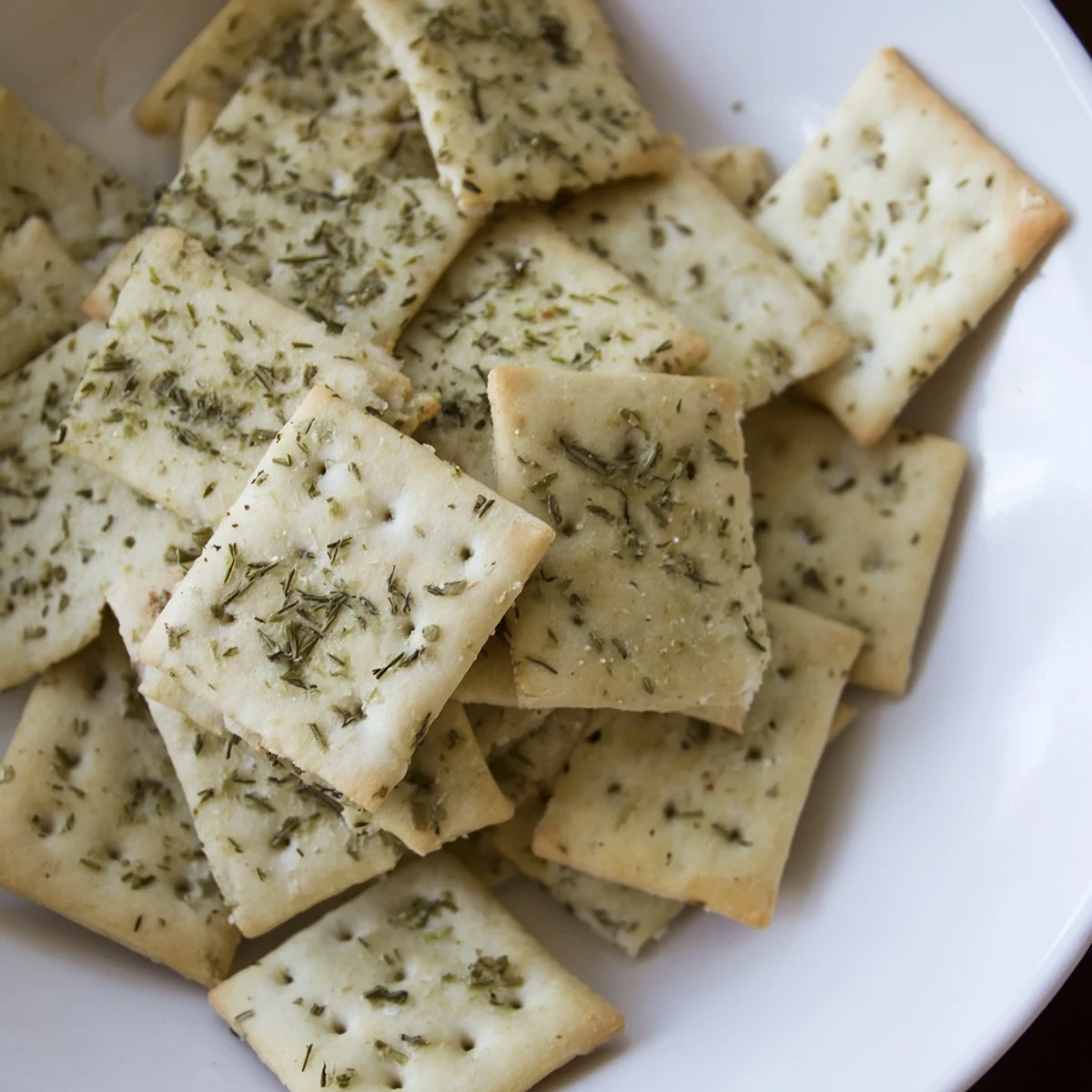
Save These dill pickle saltines start with a box of saltine crackers tossed in vegetable oil, dill pickle juice, ranch seasoning, dried dill and aromatics, then spread on a sheet and baked at 170°C (340°F) for about 10 minutes until crisp. The batch yields around 8 servings, cools to a crunchy texture, and stores in an airtight container up to a week. Adjust seasonings to taste for more tang or herbiness.
The smell of vinegar and dill hit me before I even opened the oven door, and I knew right then these crackers were going to be a problem in the best way. My friend Jake had dared me to make something snackable for a playoff game using only what was already in my pantry. I spotted the jar of pickle juice sitting there like a challenge and thought, why not.
I brought a full baking sheet of these to my neighbors holiday potluck last December and walked back inside with an empty plate and three texts asking how I made them.
Ingredients
- Saltine crackers (1 box, about 400 g): The plain unsalted kind actually works better here because the seasoning carries all the flavor you need.
- Vegetable oil (1/2 cup / 120 ml): This is the carrier that helps every speck of seasoning stick and also gives the crackers that satisfying baked crunch.
- Dill pickle juice (2 tablespoons): Straight from the jar is perfect, and this is the ingredient that makes people close their eyes and smile when they take the first bite.
- Ranch seasoning mix (1 packet, 1 oz / 28 g): The hidden backbone of the whole flavor profile, adding a creamy herbal note without any actual dairy.
- Dried dill weed (2 tablespoons): Do not skip this or reduce it, because the double hit of dill from the weed and the pickle juice is what makes these unforgettable.
- Garlic powder (1 teaspoon): A quiet essential that rounds everything out and keeps the tang from feeling one dimensional.
- Onion powder (1/2 teaspoon): Just enough to add depth without competing with the garlic.
- Ground black pepper (1/2 teaspoon): A gentle warmth at the finish that balances the vinegar bite.
Instructions
- Preheat and prep your pan:
- Set your oven to 170 degrees Celsius (340 degrees Fahrenheit) and line a large baking sheet with parchment paper so nothing sticks and cleanup is effortless.
- Whisk the seasoned oil:
- In a medium bowl, combine the vegetable oil, pickle juice, ranch seasoning, dried dill, garlic powder, onion powder, and black pepper, and whisk until the mixture looks unified and fragrant.
- Coat the crackers:
- Drop all the saltines into a large zip top bag, pour the oil mixture right over them, seal it tight, and gently flip the bag back and forth for about a minute until every cracker glistens evenly.
- Let them soak:
- Leave the bag sitting on the counter for five minutes, flipping it once halfway through, so the crackers drink up every drop of that dill spiked oil.
- Spread and bake:
- Arrange the crackers in a single layer on your prepared sheet and bake for ten minutes, flipping them gently at the halfway mark when your kitchen already smells incredible.
- Cool completely:
- Pull them from the oven and resist the urge to grab one right away because they crisp up beautifully as they cool, reaching peak crunch in about fifteen minutes.
 Save
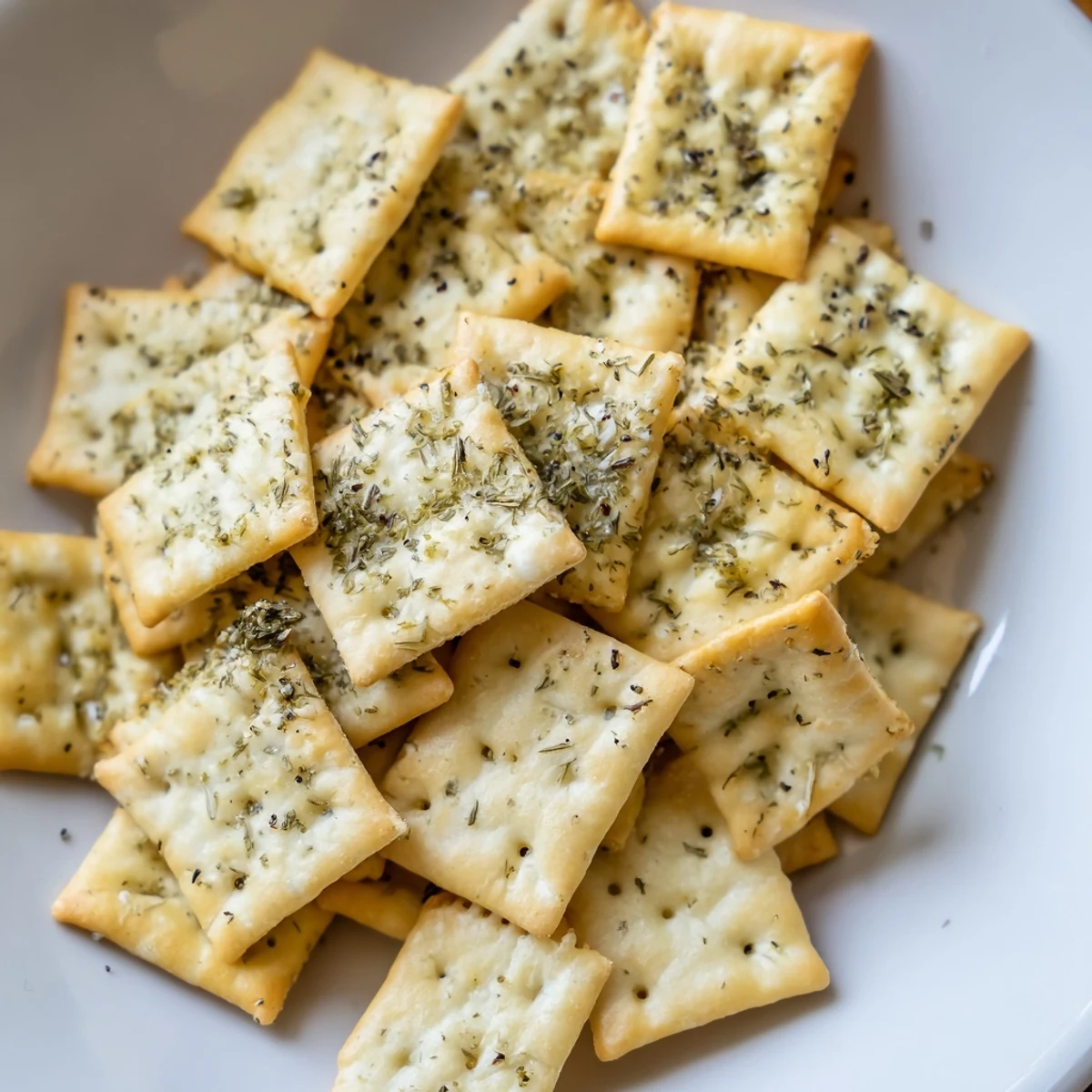
Save Somewhere between the second and third handful, my sister looked at me across the coffee table and said these taste like summer in a snack aisle, which is now permanently saved in my phone as a compliment.
Storage That Actually Works
An airtight container at room temperature keeps them crunchy for up to a week, though honestly they have never lasted more than two days in my kitchen. Glass containers with snap lids work better than plastic bags because the oil residue tends to seep through thinner plastic over time.
Swaps and Tweaks
If ranch seasoning is not your thing, try using a teaspoon of smoked paprika and an extra half teaspoon of garlic powder for a smokier edge that pairs beautifully with the pickle tang. You can also use olive oil instead of vegetable oil, though the flavor will be slightly more pronounced and the bake time might need an extra minute.
Serving Ideas Worth Trying
These crackers shine on their own but they also make an excellent base for tiny appetizer stacks with cream cheese and a sliver of cucumber on top. I have served them alongside soup, crumbled them over salads for a seasoned crunch, and once ate an entire batch standing at the counter before anyone else got home.
- A light sprinkle of extra pickle juice right before serving boosts the tang for serious pickle lovers.
- Crushing a few over a bowl of tomato soup adds a seasoned crunch that croutons cannot match.
- Always make a double batch because the first one will vanish before the oven is even fully cool.
 Save
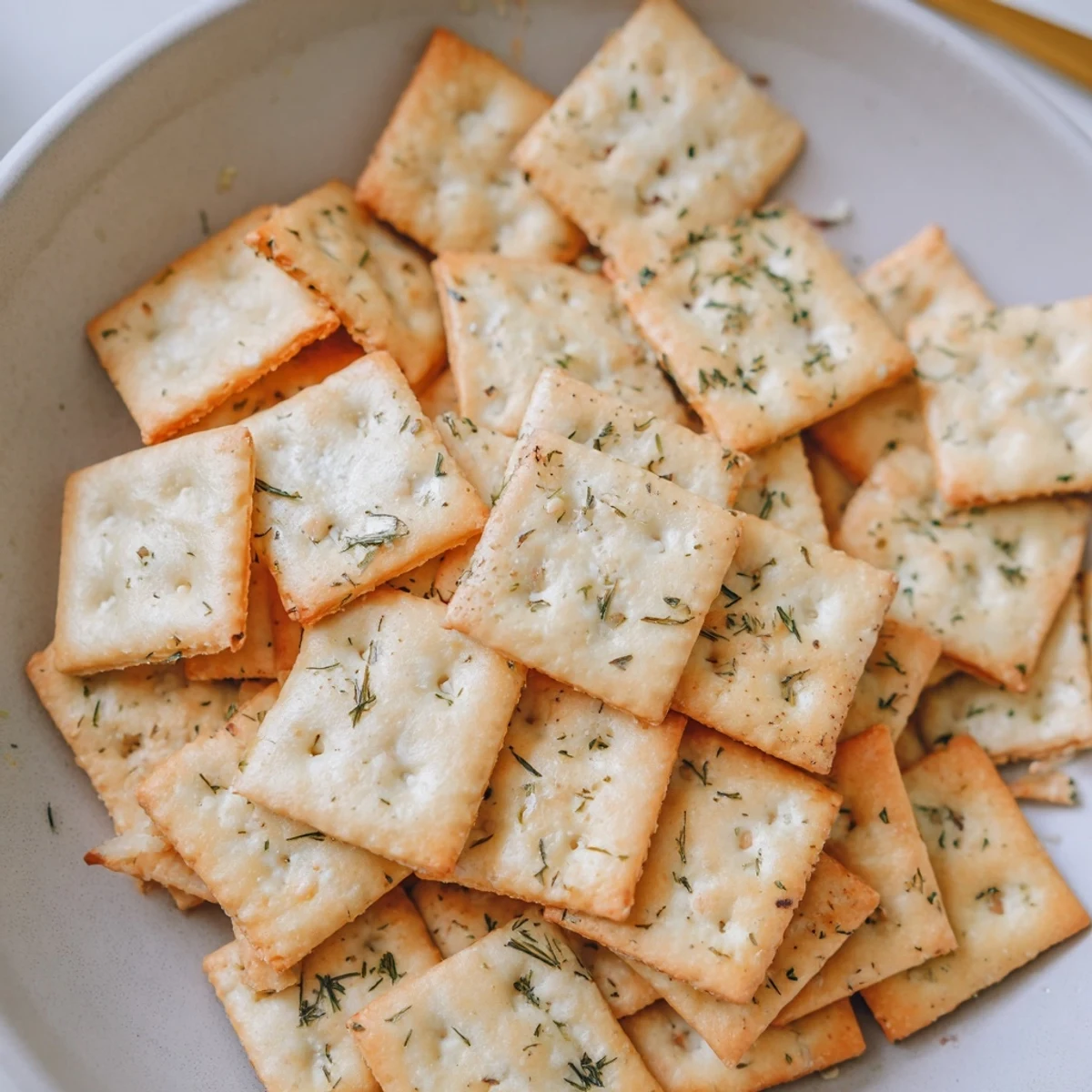
Save These dill pickle saltines are proof that the best recipes come from opening your pantry and trusting a hunch, and I hope they disappear from your kitchen just as fast as they do from mine.
Recipe FAQs
- → How do I keep the crackers crisp?
-
Cool the crackers completely on a rack before storing, then keep them in an airtight container at room temperature. Avoid sealing while warm or in humid areas to prevent steam softening.
- → Can I use a different cracker?
-
Yes. Use similarly thin, plain crackers for best absorption and crisping. Thicker or heavily salted varieties may need a shorter bake or lighter oil coating to avoid becoming overly greasy.
- → How can I boost the pickle flavor?
-
Add a splash more dill pickle juice to the oil mixture or finish with a light drizzle before serving. A pinch of powdered pickle seasoning or citric acid can intensify tang without adding moisture.
- → Is fresh dill a good substitute for dried?
-
Fresh dill can be used — add it after baking to preserve brightness. Use roughly three times the amount of fresh compared to dried, and sprinkle just before serving to avoid wilting in the oven.
- → Can I make these gluten-free?
-
Swap in certified gluten-free saltine-style crackers and confirm all seasonings are gluten-free. Baking time may vary slightly depending on cracker thickness.
- → What oven temperature and timing work best?
-
Bake at 170°C (340°F) for about 10 minutes, turning once halfway through. Watch closely near the end; crackers should be lightly golden and fragrant but not browned.