
 Save
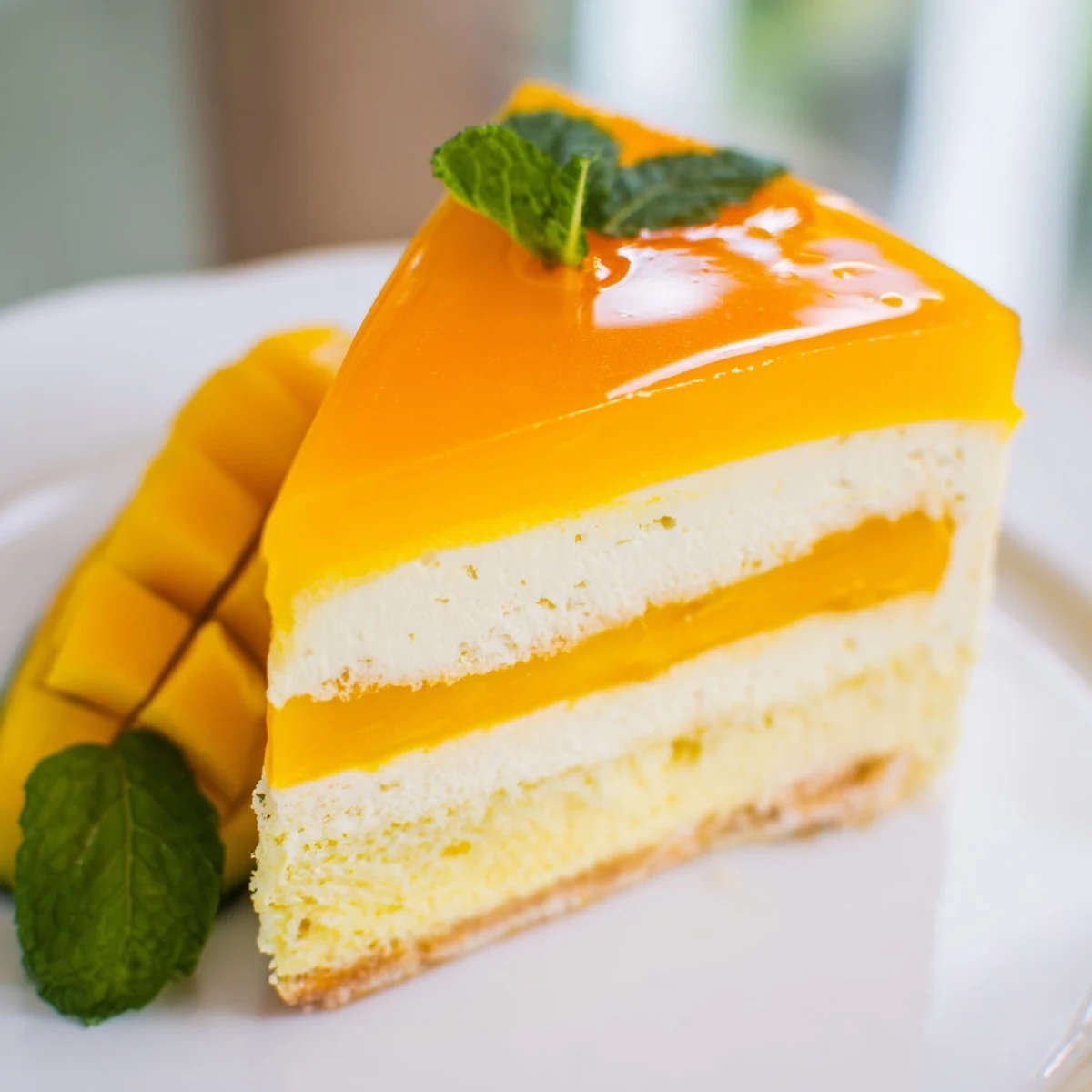
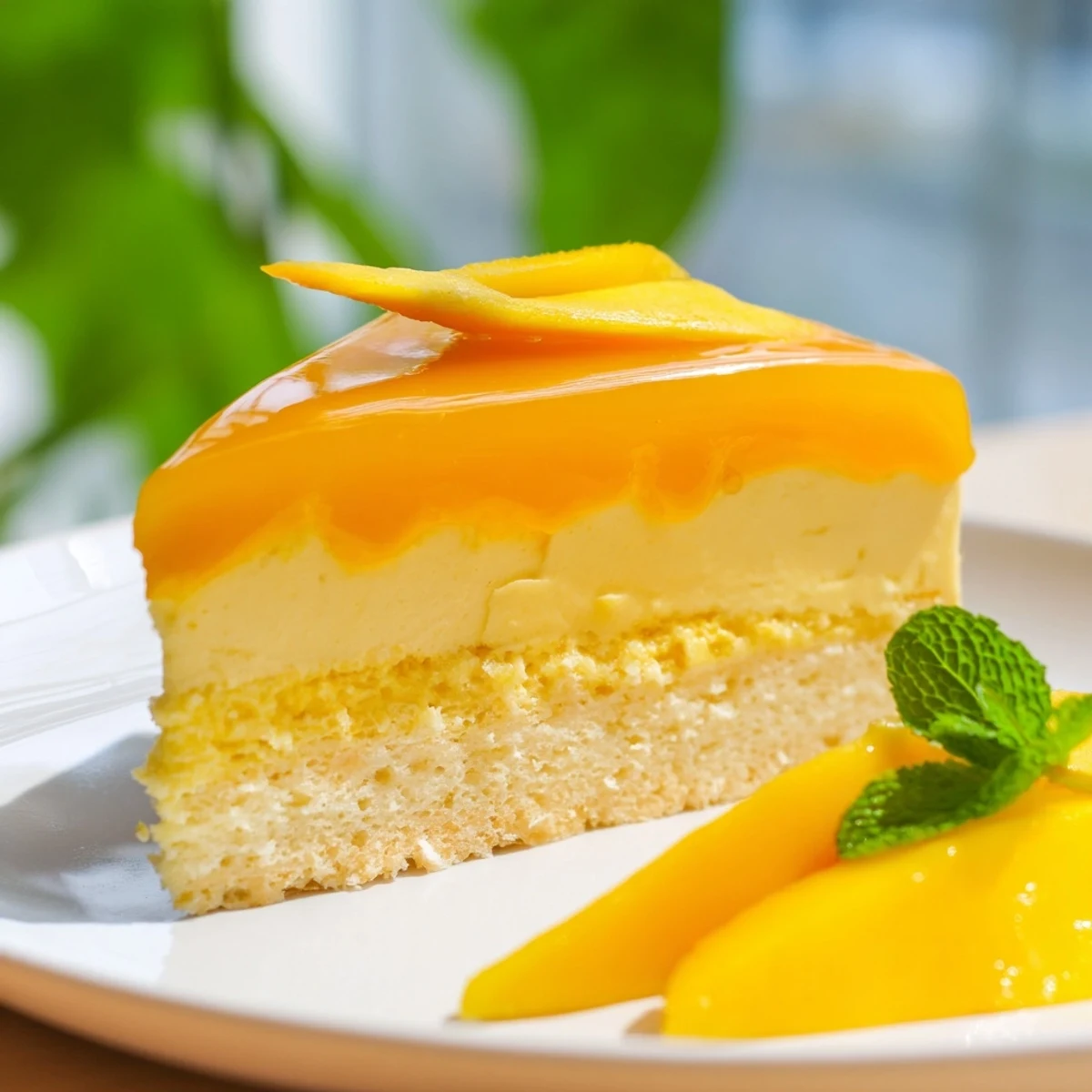
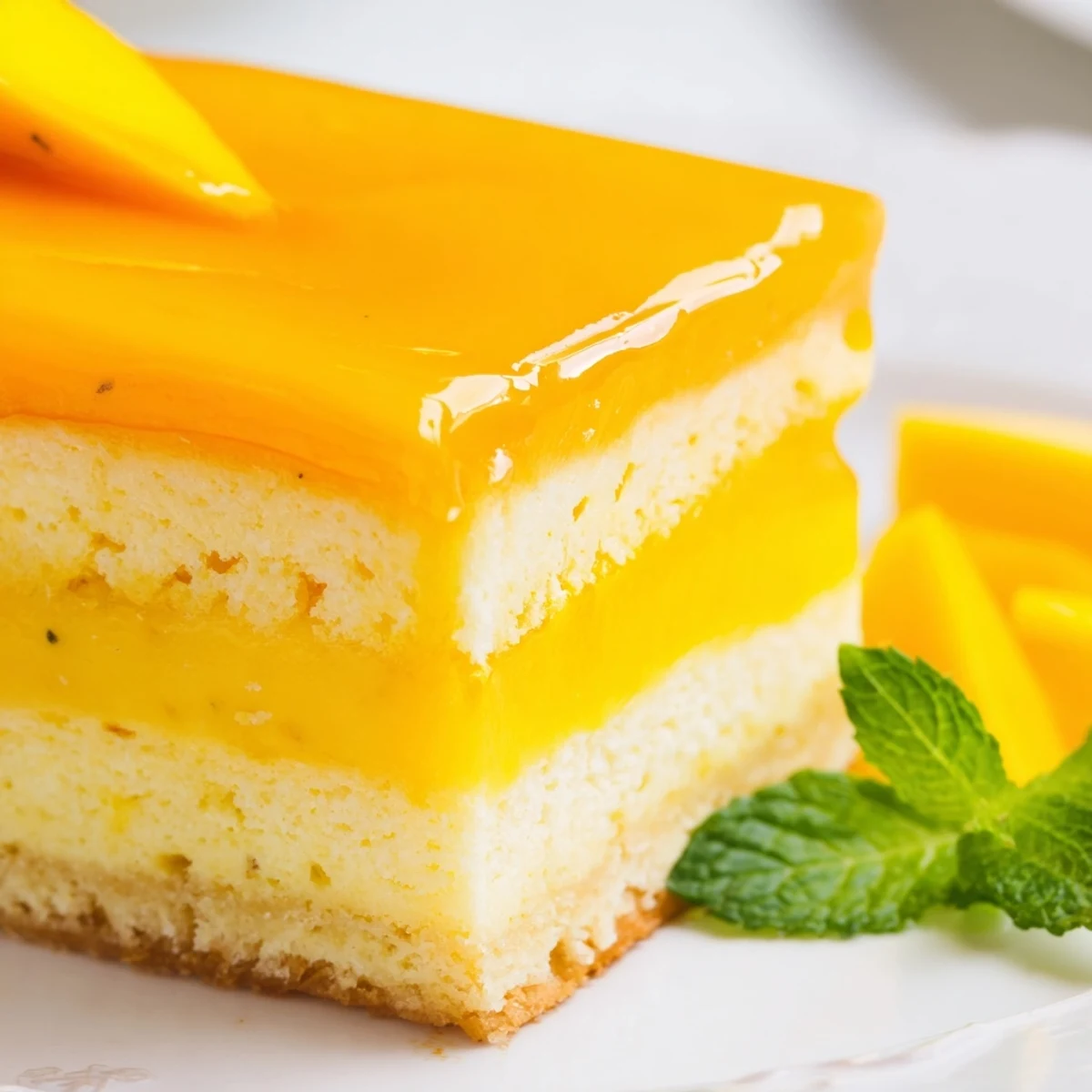
Save This elegant mango mousse cake combines a tender vanilla sponge base with silky smooth mango mousse and a glossy mango glaze topping. The three-layer dessert delivers vibrant tropical flavor and airy texture, making it ideal for warm-weather entertaining and special occasions.
Prepare the sponge base first, allow it to cool completely, then layer with fresh mango mousse enriched with whipped cream and set with gelatin. Finish with a mirror-like mango glaze that adds both visual appeal and intense fruit flavor.
The cake requires chilling time to set properly, so plan ahead. For best results, use ripe, sweet mangoes at peak season. The dessert slices beautifully and can be decorated with fresh mango slices and mint leaves for restaurant-worthy presentation.
Last July, my kitchen smelled like tropical sunshine for three straight days. I'd bought a case of mangoes on impulse, and when my sister called asking what I was making, I told her I was conducting experiments. The winner was this mousse cake, which disappeared so fast at our weekend potluck that my aunt actually asked for the recipe before she'd even finished her first slice.
My friend Maya swears this cake saved her dinner party reputation. She'd forgotten to make dessert until 4 PM that day, threw everything together in a mild panic, and texted me at midnight saying people were still talking about it. The best part, she said, was watching everyone's faces when she sliced through that glossy glaze.
Ingredients
- 3 large eggs at room temperature: Cold eggs wont whip up properly, so set them out first thing
- 90 g granulated sugar: Divided between sponge and mousse layers, this sweetens without overpowering mango
- 90 g all-purpose flour: The foundation that holds everything together without being heavy
- 1/2 tsp vanilla extract: Warm vanilla pairs beautifully with tropical mango
- Pinch of salt: Enhances all the flavors and balances sweetness
- 400 g ripe mango flesh: Use mangoes that yield slightly to pressure, they should smell fragrant
- 60 g granulated sugar: Adjust based on mango sweetness, taste as you go
- 2 tbsp lemon juice: Brightens mango flavor and helps balance the cream
- 1 tbsp unflavored gelatin powder: This is what gives the mousse its structure
- 300 ml heavy cream cold: Cold whips up fluffy and holds air better
- 150 g mango puree: Reserve some of your fresh mango puree for this glaze
- 1 tbsp lemon juice: Keeps the glaze from being too sweet
- 1 tbsp granulated sugar: Just enough to balance the tartness
- 1.5 tsp unflavored gelatin powder: Creates that gorgeous mirror finish
- Fresh mango slices: For that restaurant style finish
Instructions
- Build the sponge foundation:
- Preheat your oven to 180°C (350°F) and line the bottom of a 23 cm (9-inch) springform pan with parchment paper. Beat eggs and sugar with an electric mixer until pale and tripled in volume, about 5 minutes. Gently fold in flour, salt, and vanilla extract until just combined. Pour into your prepared pan and bake for 12-15 minutes, until a toothpick comes out clean. Cool completely right in the pan.
- Create the mousse magic:
- Sprinkle gelatin over 3 tbsp cold water and let it bloom for 5 minutes. Gently heat until dissolved, taking care not to boil. Blend your mango puree, sugar, and lemon juice until silky smooth. Stir in the dissolved gelatin. Whip heavy cream to soft peaks and fold gently into the mango mixture until no streaks remain.
- Layer and set the mousse:
- Pour the mousse over your cooled sponge base, smoothing the top with an offset spatula. Refrigerate for at least 2 hours until completely set. This patience step is what makes clean slices possible later.
- Craft the glossy glaze:
- Bloom gelatin in 2 tbsp cold water, then gently heat until dissolved. Mix mango puree, lemon juice, and sugar in a bowl, then stir in dissolved gelatin. Let cool to room temperature, about 10 minutes, then carefully pour over the set mousse layer. Chill for 2 more hours until firm.
- Finish with flourish:
- Carefully run a knife around the edge of the pan and release the springform. Decorate with fresh mango slices and mint leaves if you're feeling fancy. Slice and serve chilled, watching everyone's eyes light up.
 Save
Save My neighbor's daughter asked if she could have this for her birthday cake instead of the usual chocolate. Her mom told me later that the birthday girl kept touching the glaze and marveling at how it shone under the candles. Sometimes food creates the most unexpected moments of wonder.
Making Ahead Like a Pro
You can make the sponge layer a day ahead and wrap it tightly at room temperature. The mousse layer also benefits from an overnight chill in the fridge. Just add the glaze the morning you plan to serve it for the freshest appearance and shiniest finish.
Mango Selection Secrets
I've learned that the best mangoes for this recipe are slightly soft but not mushy, with a fragrant smell at the stem end. Ataulfo mangoes are incredibly sweet and smooth, while Tommy Atkins have a more classic tangy mango flavor. Trust your nose more than the color, which can be misleading.
Serving and Storage Wisdom
This cake tastes best after sitting at room temperature for about 15 minutes, which lets the mousse soften slightly and the mango flavors really bloom. Store any leftovers loosely covered in the refrigerator for up to 3 days.
- Run your knife under hot water and wipe dry between slices for the cleanest cuts
- A torch run lightly over the glaze surface can restore shine if it dulls in the fridge
- Serve with lightly sweetened whipped cream if you want extra richness
 Save
Save There's something joyful about a dessert that looks this impressive but comes together with such straightforward technique. Every time I make it, I'm reminded that the best recipes are the ones that become part of your story.
Recipe FAQs
- → How long does mango mousse cake need to chill before serving?
-
The mousse layer requires at least 2 hours to set in the refrigerator. After adding the glaze, chill for another 2 hours minimum. For best results and cleanest slices, refrigerate the completed cake overnight before serving. This allows all layers to fully set and flavors to meld together.
- → Can I use frozen mango instead of fresh?
-
Yes, high-quality frozen mango chunks work well when fresh mangoes are unavailable. Thaw the frozen mango completely and drain any excess liquid before pureeing. The texture and flavor will still be delicious, though fresh ripe mangoes at peak sweetness provide the most vibrant taste.
- → How do I store mango mousse cake and how long will it keep?
-
Store the cake in an airtight container in the refrigerator for up to 3 days. The gelatin helps maintain structure, but the mousse may soften slightly over time. Avoid freezing as the texture can become grainy when thawed. Always keep chilled until serving and slice with a clean, sharp knife for best presentation.
- → Can I make this mango mousse cake gluten-free?
-
Absolutely. Substitute the all-purpose flour in the sponge base with a high-quality gluten-free flour blend in equal amounts. The texture remains tender and light. Ensure all other ingredients, including gelatin, are certified gluten-free if preparing for someone with celiac disease or gluten sensitivity.
- → What can I substitute for gelatin in the mango mousse and glaze?
-
For vegetarian alternatives, use agar-agar powder. Use approximately half the amount of gelatin called for and dissolve it in boiling liquid before incorporating. Note that the setting time may be longer and the texture slightly firmer. Carrageenan or vegan gelatin blends also work but may require different ratios and preparation methods.
- → Why did my mousse not set properly?
-
Improper setting usually stems from undissolved gelatin or incorrect ratios. Ensure gelatin blooms fully in cold water before heating. Heat gently until completely dissolved — avoid boiling as it weakens setting power. Also confirm heavy cream is whipped only to soft peaks; overwhipping can make folding difficult and affect final texture.