
 Save
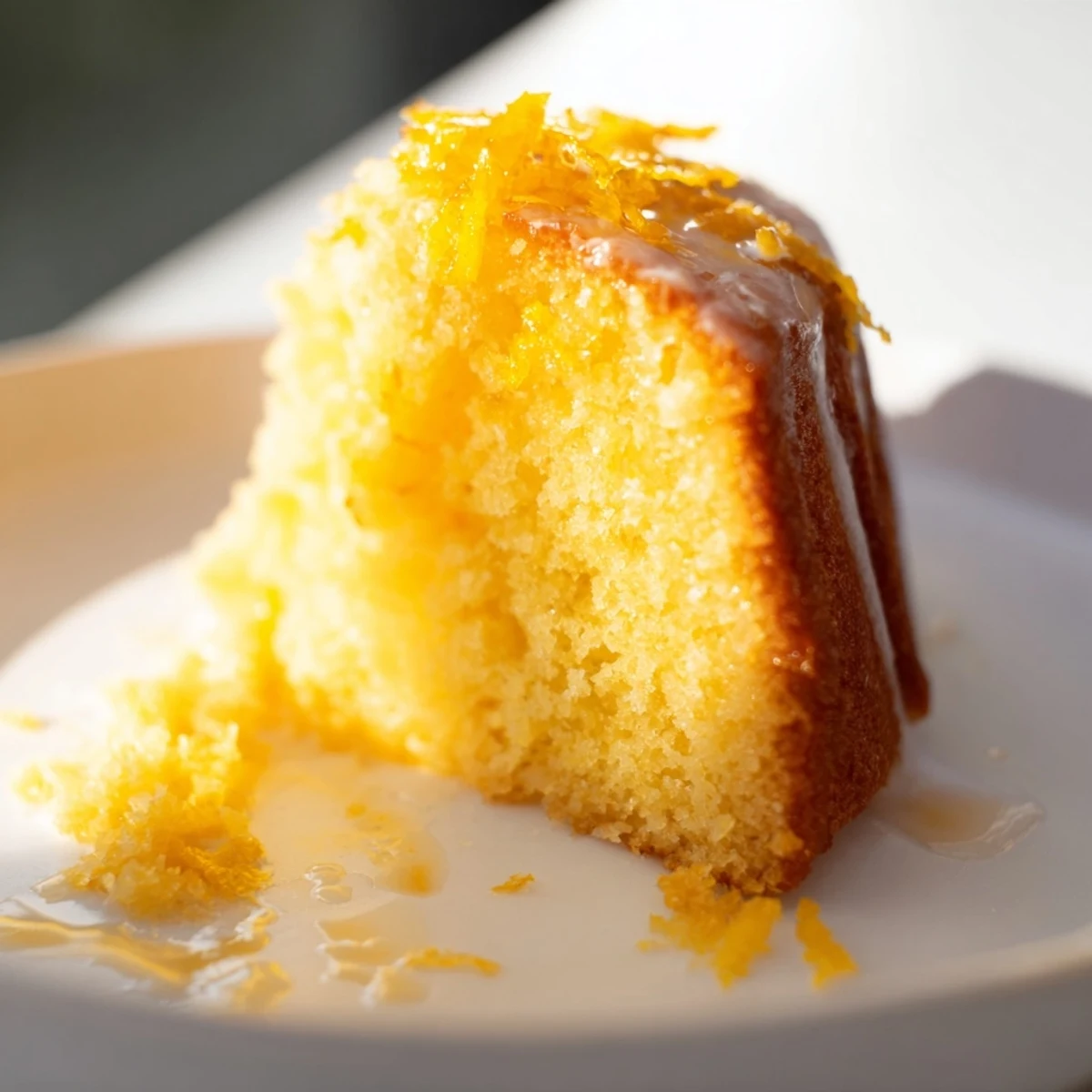
Save This moist cake offers a vibrant burst of fresh orange flavor enhanced by juice and zest. The texture is tender and fragrant, balanced by subtle vanilla and a light glaze option adding extra citrus brightness. It’s an easy bake with simple ingredients, perfect for gatherings or afternoon tea. Dairy-free variations and gentle spices like cardamom or cinnamon can complement its flavor, making it a versatile and delightful sweet treat.
My sister called on a Tuesday morning asking if I could bring something to her book club that weekend, and honestly, I almost said no. Then I remembered the orange cake my neighbor had left on our porch months ago, still warm in its container, and how the kitchen smelled like sunshine for hours after we devoured it. That's when I knew exactly what to make. This cake isn't just citrus and flour—it's the kind of thing that makes people pause mid-conversation and ask for the recipe.
I'll never forget pulling this cake out of the oven while my kids played in the living room—they came running before the timer even beeped, drawn by that bright, almost perfumy aroma wafting through the house. My daughter asked if it smelled like the oranges we'd picked at the farmer's market that morning, and it absolutely did. That's the moment I realized this cake wasn't just about feeding people; it was about creating those small, sensory memories that linger long after the last crumb is gone.
Ingredients
- All-purpose flour (2 cups): The foundation that keeps this cake tender rather than dense—don't sift it unless your flour is really compacted, just fluff it in the bag first.
- Baking powder and baking soda (2 tsp and 1/2 tsp): These two work together to create that light crumb that melts on your tongue, not a dense brick.
- Salt (1/4 tsp): A tiny pinch that makes the orange flavor sing louder than you'd expect.
- Granulated sugar (1 cup): Whisk it with the oil and eggs until it's pale and fluffy—this step isn't optional, it aerates the batter.
- Vegetable oil (1/2 cup): Keeps everything moist; butter would make this denser and less forgiving.
- Eggs (2 large): Room temperature is worth the five-minute wait—they incorporate better and create a finer crumb.
- Fresh orange juice and zest (1/2 cup juice plus 2 tbsp zest): Use juice from real oranges, not the bottled stuff; the difference is night and day, and the zest is where half the flavor lives.
- Whole milk (1/2 cup): Adds richness without heaviness; plant-based milk works just as well if you prefer.
- Vanilla extract (1 tsp): It quietly ties everything together without announcing itself.
- Powdered sugar and orange juice for glaze (optional): A thin drizzle transforms the cake into something that looks like it came from a bakery window.
Instructions
- Set the stage:
- Preheat your oven to 350°F and grease your 9-inch cake pan—use parchment paper for extra insurance against sticking. This quiet moment of preparation matters more than people think.
- Combine the dry team:
- Whisk flour, baking powder, baking soda, and salt together in a medium bowl, breaking up any lumps you find. Set this aside and resist the urge to do anything fancy here.
- Build the wet base:
- In a large bowl, whisk sugar, oil, and eggs until the mixture looks pale, thick, and ribbony—this usually takes 2-3 minutes with a whisk and some elbow grease. You're aerating, not just combining.
- Wake it up with citrus:
- Pour in the orange juice, orange zest, milk, and vanilla extract, stirring gently until everything is smooth and fragrant. The zest will float around like little flavor jewels.
- Marry the two mixtures:
- Fold the dry ingredients into the wet mixture slowly, stirring just until you don't see flour streaks anymore—overmixing toughens the cake, and you want it tender. A few lumps are your friends here.
- Into the oven:
- Pour the batter into your prepared pan and smooth the top gently with a spatula. Bake for 35-40 minutes until a toothpick inserted in the center comes out clean or with just a few crumbs clinging to it.
- Cool with patience:
- Let the cake sit in the pan for 10 minutes—this isn't wasted time, it's when the structure sets—then turn it out onto a wire rack to cool completely. Rushing this step leads to crumbles and heartbreak.
- Finish with glaze (if you're feeling fancy):
- Whisk powdered sugar with 2-3 tablespoons of fresh orange juice until it's smooth and pourable, then drizzle it over the cooled cake. It dries to a thin, glossy finish that catches the light.
 Save
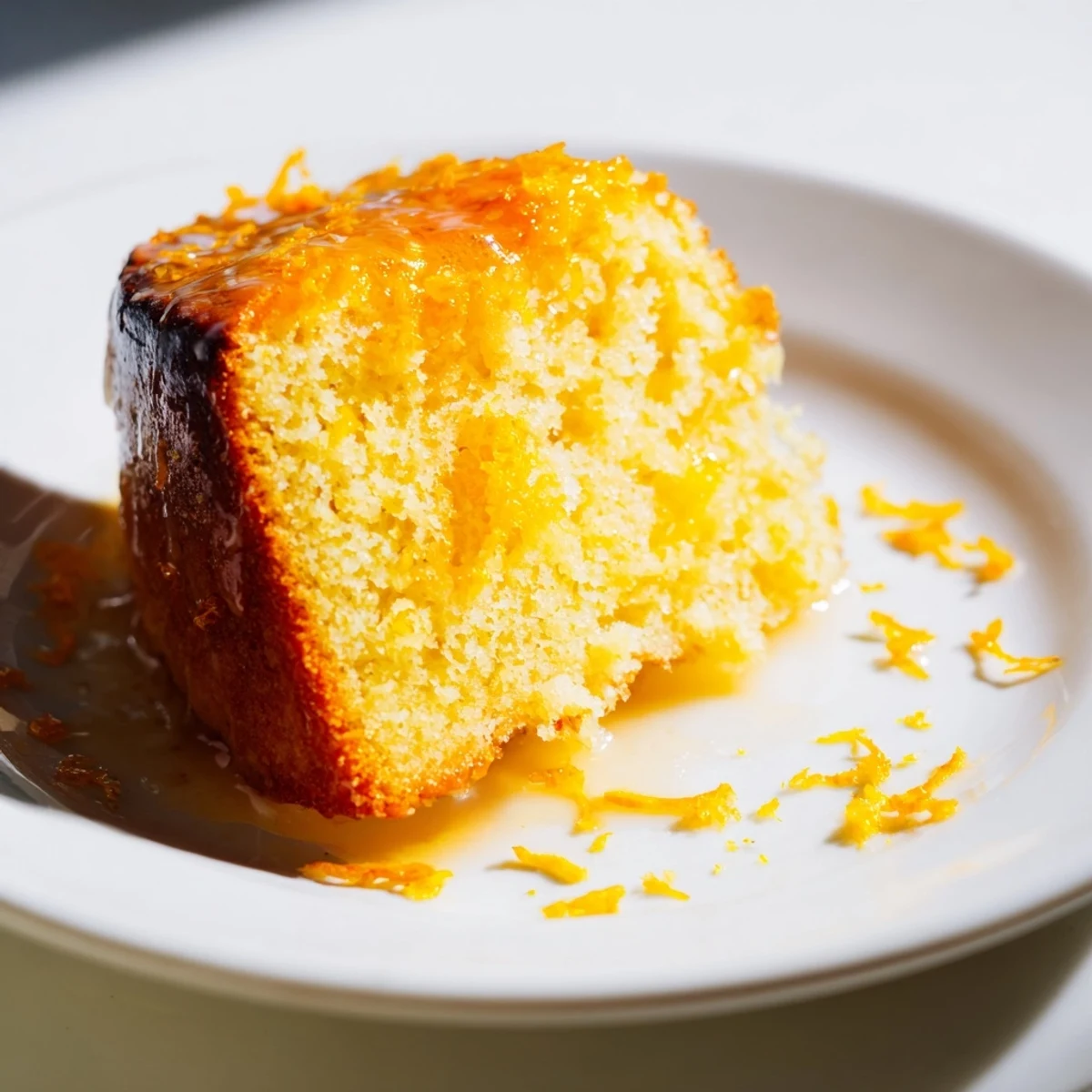
Save There was this moment at my sister's book club when someone took a bite and actually closed their eyes—not in a dramatic way, just in that quiet appreciation way that told me everything. She asked if I'd made it that morning, and when I said yes, she looked genuinely amazed that something this good could come together in under an hour. That's when I understood: sometimes the simplest recipes create the most meaningful moments.
Orange Juice vs. Zest: Why You Need Both
The juice provides moisture and sweetness, but the zest is where the orange personality actually lives—it's the oils in the skin that carry the bright, complex flavor. I learned this the hard way by making the cake without zest once, thinking the juice alone would be enough. It was fine, technically correct, but somehow flat. Now I always grab two oranges: one for juicing and one just for zesting, and the cake tastes like actual sunshine.
Make It Your Own
This cake is actually more flexible than it seems at first glance. My friend who's dairy-free discovered that using all orange juice instead of milk makes it even more intensely flavored, almost like a light orange sponge. I've also added a tiny pinch of cardamom once, inspired by a Moroccan bakery, and it created this unexpected warmth that made people ask what the secret ingredient was.
Serving and Storage Wisdom
This cake tastes good the day you make it but somehow even better the next day, once the flavors have settled and married together overnight. Wrap it loosely in plastic wrap or keep it in a cake box at room temperature for up to three days, or freeze it for up to a month if you're planning ahead.
- A thin slice with hot Earl Grey tea is the platonic ideal of afternoon snacking.
- If the glaze is still wet when you serve it and slides around, that's not a mistake—it makes it prettier and keeps every bite moist.
- Toast a slice lightly the next day if it's starting to feel just slightly stale; it comes alive again.
 Save
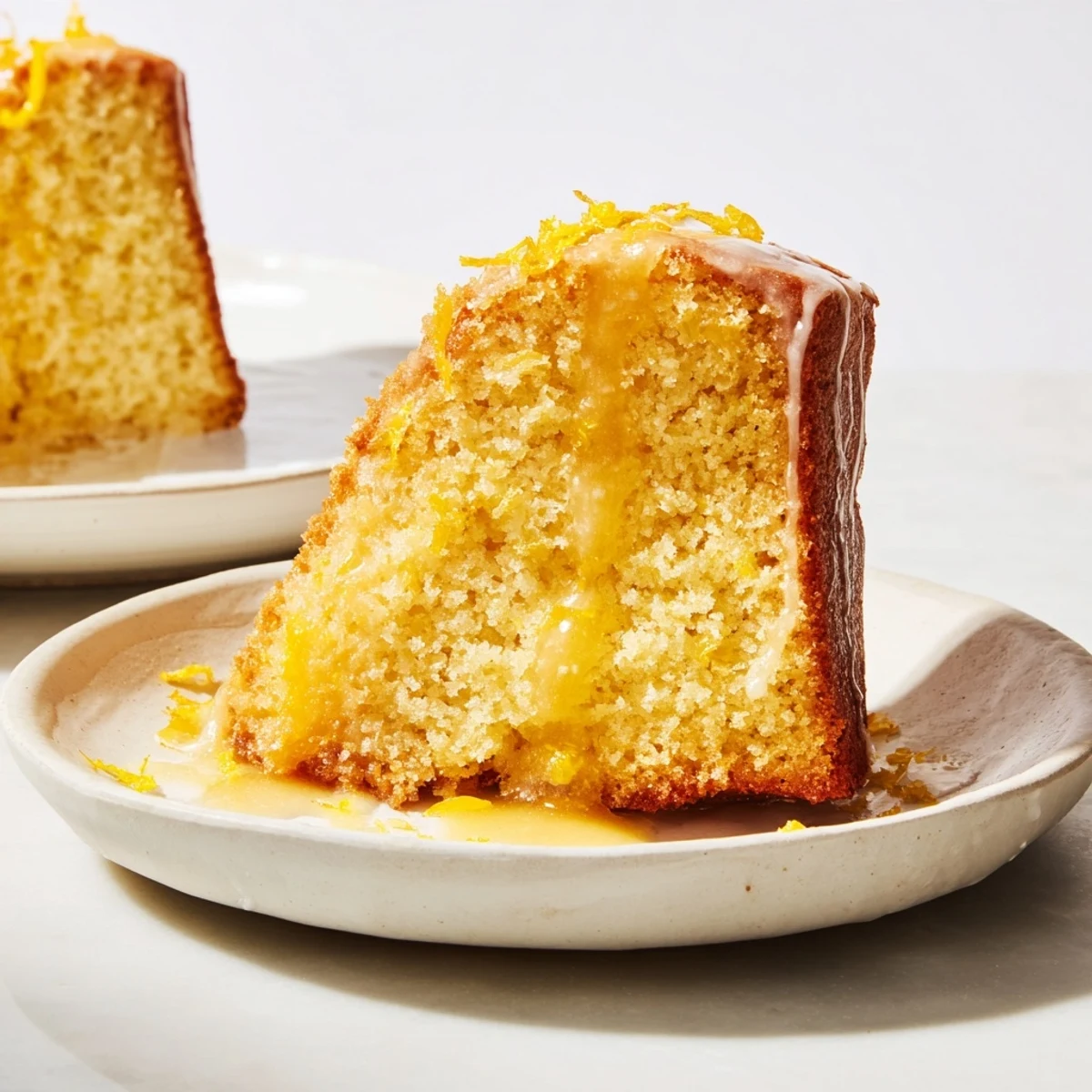
Save This orange cake taught me that the best recipes aren't always the most complicated ones—they're the ones that make your kitchen smell like home and your people ask for seconds without hesitation. Every time I make it, I think of that Tuesday morning phone call and how sometimes the simplest answer turns out to be exactly right.
Recipe FAQs
- → What ingredients contribute to the moist texture?
-
The combination of vegetable oil, eggs, and milk helps keep this cake moist and tender.
- → How does the orange zest affect the flavor?
-
Orange zest adds concentrated citrus oils, enhancing the bright, fragrant orange notes throughout the cake.
- → Can I make a dairy-free version of this cake?
-
Yes, substitute milk with orange juice or plant-based milk to maintain moisture without dairy.
- → Is the optional glaze necessary?
-
The glaze adds a sweet and tangy finish that complements the orange flavor but can be skipped if preferred.
- → What spices pair well with this orange-flavored cake?
-
A pinch of cardamom or cinnamon can introduce warm, subtle spice notes that enhance the citrus character.