 Save
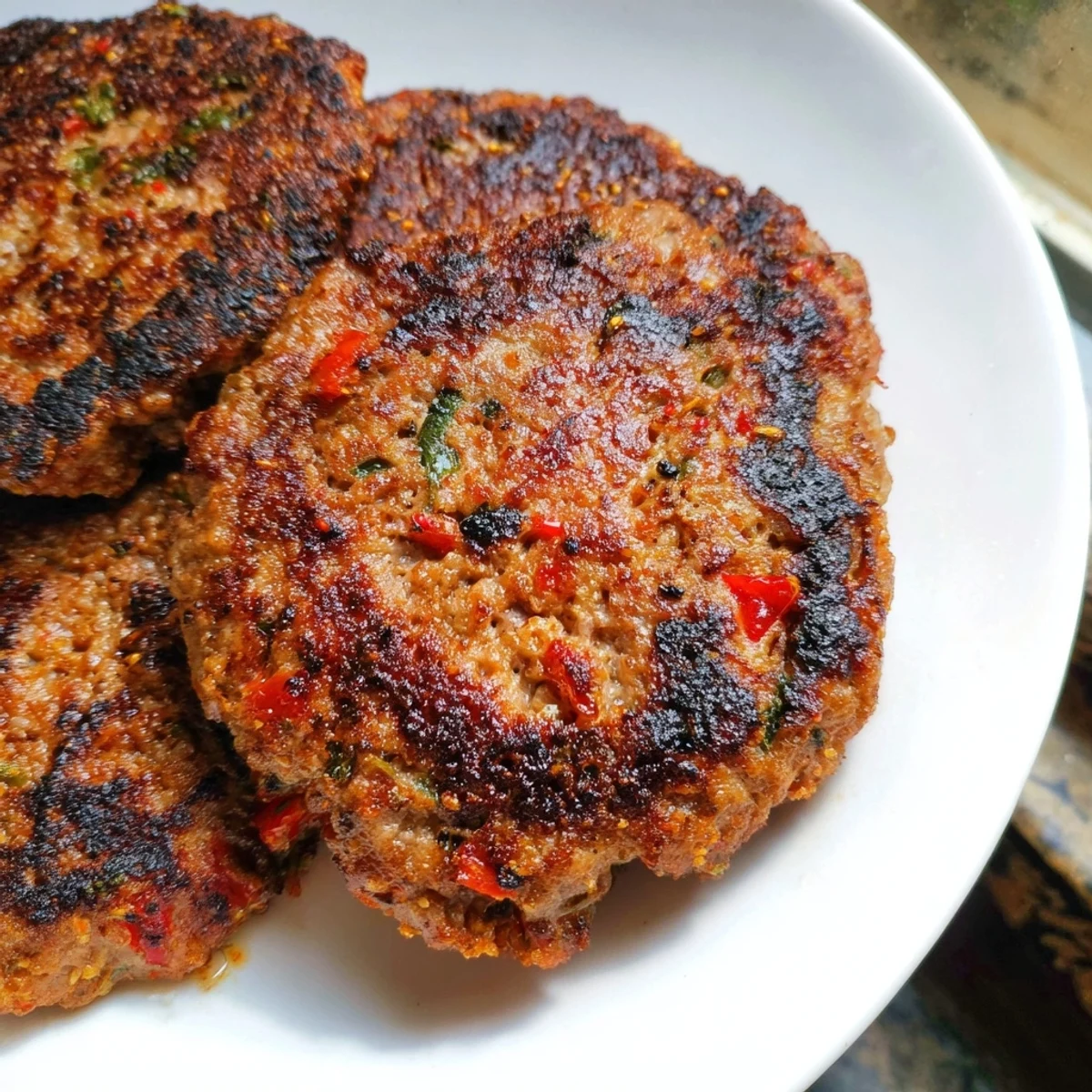
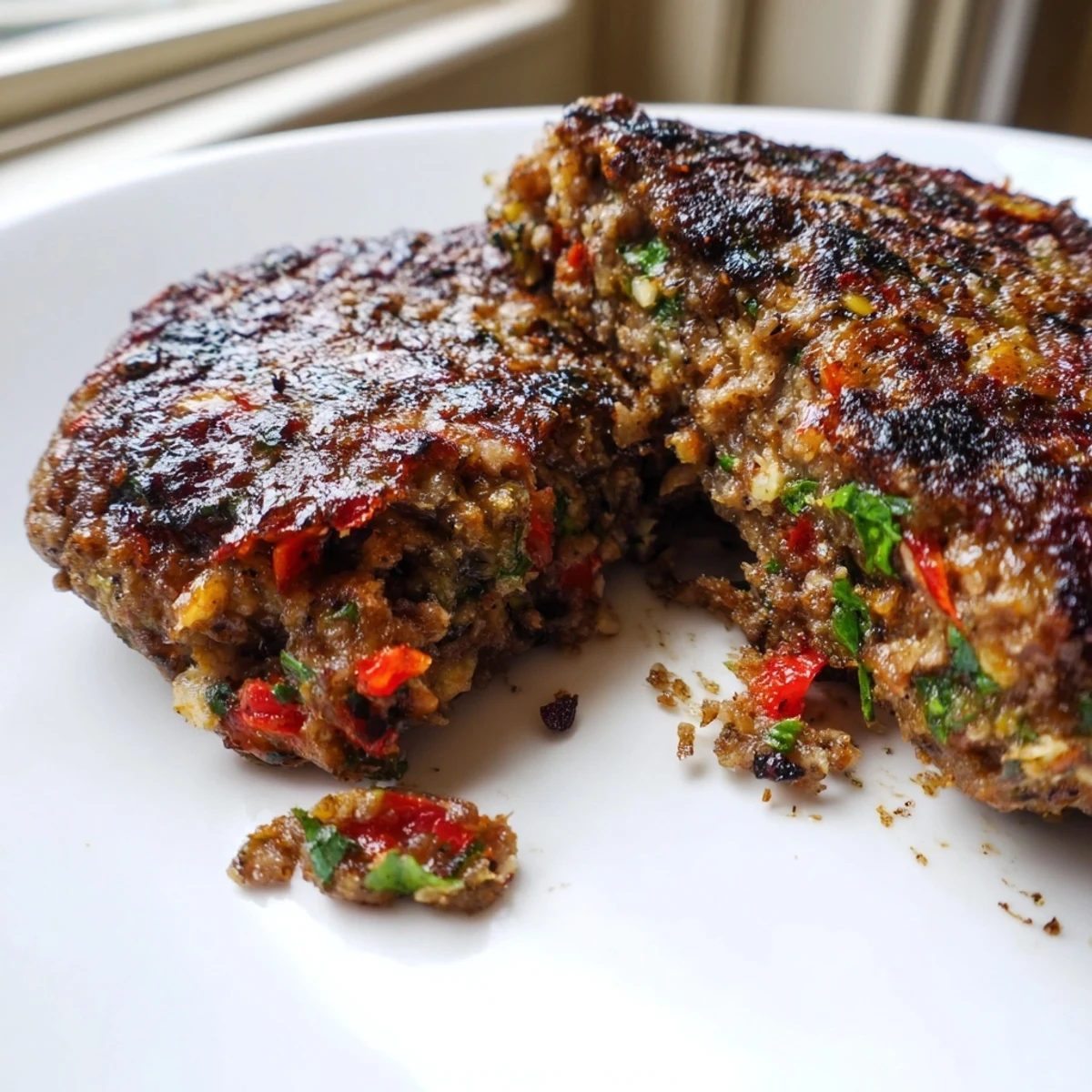
Save Chapli Kabab represents the bold flavors of Pakistani cuisine, featuring minced meat blended with roasted cumin, crushed coriander, and pomegranate seeds. These flat, wide patties develop signature crispy edges when shallow-fried in ghee, while remaining tender and juicy within. The key lies in chilling the spiced mixture briefly, then frying over medium heat until golden brown. Serve hot with naan bread, cooling yogurt raita, and fresh salad for the complete experience.
The smell of cumin and coriander hitting hot ghee still takes me back to my aunt's cramped kitchen in Lahore, where we'd crowd around the stove waiting for these kababs to crisp up. She made them every Friday, the day everyone gathered regardless of schedules or plans. I've since learned that Chapli Kabab isn't just food—it's an event that brings people together.
Last summer, I made these for a barbecue in my tiny apartment kitchen. The neighbors actually knocked on my door to ask what smelled so incredible—that's how powerful these spices are when they hit the pan. We ended up eating standing up around the counter, which somehow felt more authentic than a proper dinner table.
Ingredients
- Ground beef or lamb: The 20% fat ratio is crucial here because lean meat will turn these into dry hockey pucks instead of juicy kababs
- Onion: Finely chopped is the only way to go, as large onion pieces will cause the patties to fall apart during frying
- Tomatoes: Remove the seeds and watery center first, otherwise your mixture will be too wet to hold together properly
- Green chilies: Adjust based on your heat tolerance, but keep at least one for that authentic Pakistani kick
- Fresh coriander and mint: These herbs are not optional garnish—they provide the fresh brightness that cuts through the rich spices
- Crushed coriander seeds: Whole seeds freshly crushed give a completely different flavor profile than pre-ground coriander powder
- Roasted cumin seeds: Take the extra two minutes to roast these before crushing because it deepens the entire flavor profile
- Dried pomegranate seeds: This secret ingredient adds a subtle tangy note that makes people wonder what's special about your recipe
- Egg: This acts as the binder that holds everything together when the kababs hit the hot oil
- Cornmeal or gram flour: Either works, but gram flour (besan) will give you a slightly more authentic texture
- Corn oil or ghee: Ghee will obviously give you better flavor, but corn oil works perfectly if you're watching your saturated fat intake
Instructions
- Mix everything together:
- Combine the meat, vegetables, herbs, ginger-garlic paste, and all spices in a large bowl, getting your hands in there to distribute everything evenly without overworking the meat
- Add binders and chill:
- Mix in the egg and cornmeal or gram flour, then cover and refrigerate for 15 minutes because this chilling step makes shaping so much easier
- Shape the patties:
- Grease your hands well, then form flattened patties about 1 cm thick and 8 to 10 cm across, keeping them slightly uneven for that rustic authentic look
- Heat your pan:
- Warm the oil or ghee in a large frying pan over medium heat until it shimmers but doesn't smoke
- Fry to perfection:
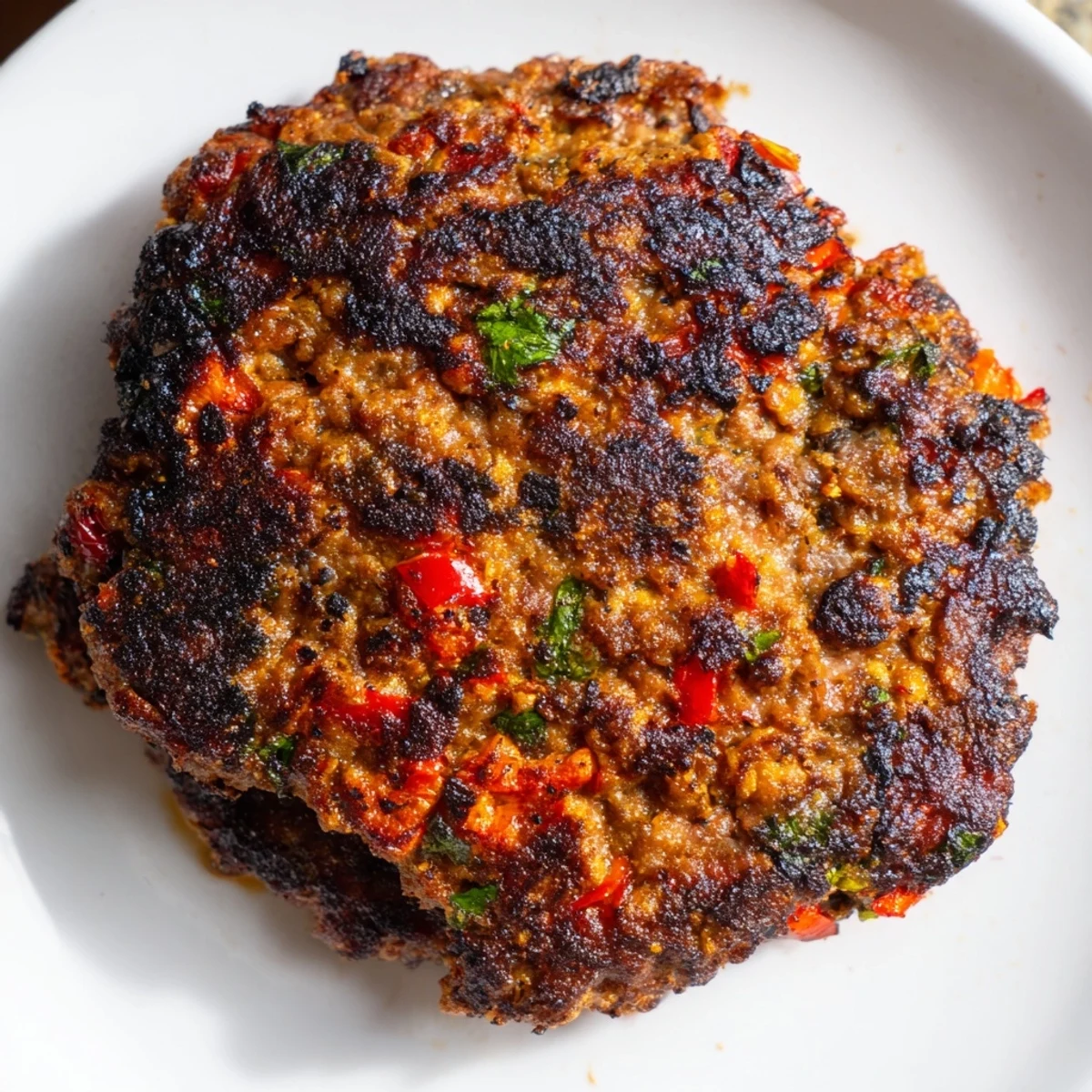
- Cook the kababs for 3 to 4 minutes per side until golden brown with crisp edges, then drain on paper towels before serving immediately
 Save
Save These became my go-to dish whenever friends needed comfort food. Something about the spices and the ritual of frying them together creates this warmth that has nothing to do with temperature.
Getting the Texture Right
The key is making sure your pan isn't overcrowded, which drops the temperature and creates soggy kababs instead of crispy ones. I learned this the hard way at a dinner party where I tried to cook everything at once.
Serving Suggestions That Work
While naan is traditional, I've also served these wrapped in lettuce cups for a lighter version, and honestly they still disappear just as quickly. The fresh crunch balances perfectly with the spiced meat.
Make Ahead and Storage
You can shape the patties ahead and freeze them between layers of parchment paper. When you're ready to cook, just thaw slightly and fry as usual.
- Freeze uncooked patties for up to one month
- Cooked kababs reheat beautifully in a warm oven
- Never refrigerate uncooked patties for more than 24 hours
 Save
Save Every time I make these now, I think about how the simplest recipes often carry the most meaning. Good food doesn't need to be complicated.
Recipe FAQs
- → What makes Chapli Kabab different from other kebabs?
-
Chapli Kabab features a distinct flat, wide shape resembling a sandal (chapli). The combination of dried pomegranate seeds, roasted cumin, and tomatoes creates a tangy, aromatic profile unlike other minced meat kebabs.
- → Can I use ground chicken instead of beef or lamb?
-
While traditional recipes call for beef or lamb with 20% fat content, chicken works but yields less juicy results. Add extra oil or yogurt to maintain moisture if using leaner meats.
- → Why is cornmeal or gram flour added to the mixture?
-
These binders help hold the patties together during frying and contribute to the desired crispy texture. Gram flour (besan) is more traditional, but cornmeal makes an excellent alternative.
- → How do I prevent kababs from breaking apart while cooking?
-
Chill the prepared mixture for 15 minutes before shaping. Ensure patties aren't too thin, and let them develop a slight crust before flipping. Avoid moving them too frequently in the pan.
- → What's the best way to reheat leftover Chapli Kabab?
-
Reheat in a hot skillet with a little oil to restore crispiness. Microwaving makes them soggy, while oven reheating at 200°C for 8-10 minutes works well for larger batches.
- → Can I freeze uncooked Chapli Kabab patties?
-
Yes, arrange raw patties on a baking sheet and freeze until solid. Transfer to freezer bags, separating layers with parchment paper. Thaw in refrigerator before frying.