
 Save
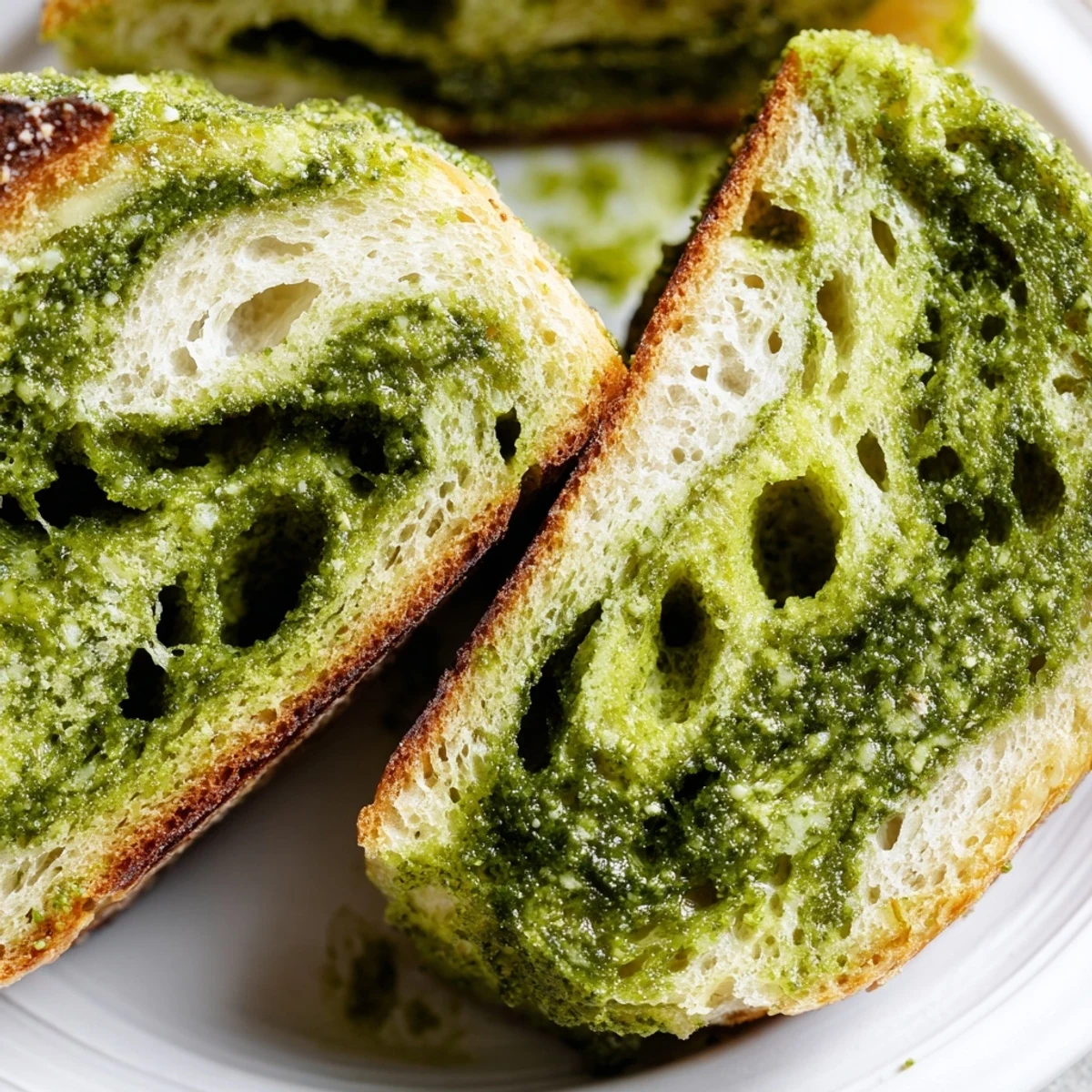
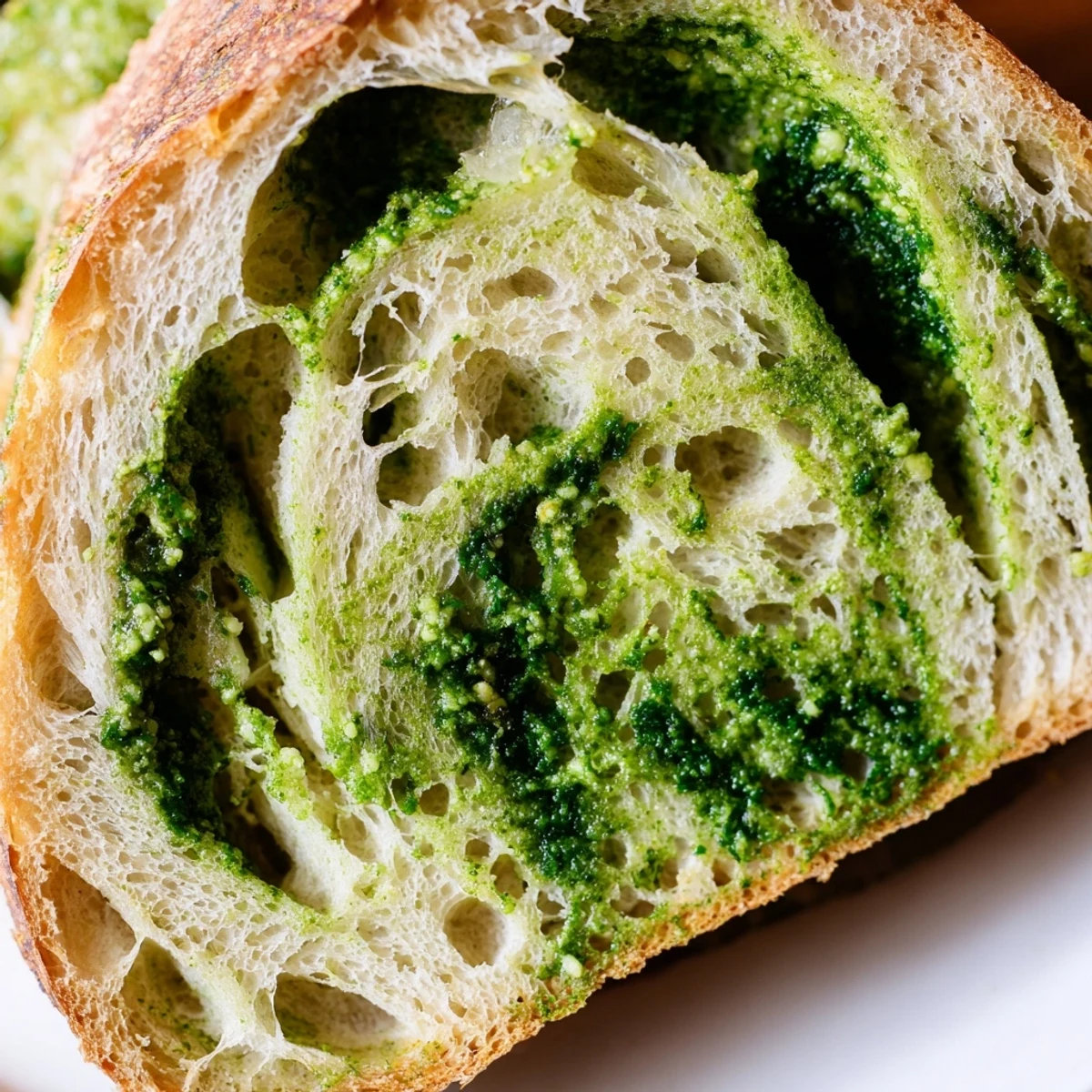
Save This artisan loaf combines traditional sourdough techniques with the rich flavors of Italian cuisine. The dough develops overnight, creating that signature tangy sourdough character. During shaping, vibrant basil pesto gets swirled throughout, creating beautiful green streaks in every slice. The top bakes up golden and crusty, sprinkled with freshly grated Parmesan that melts into a deliciously salty crust.
Perfect for dipping in olive oil and balsamic vinegar, crafting elevated grilled cheese sandwiches, or serving alongside your favorite Italian dishes. The 6-9 hour total time includes rising periods, making this ideal for weekend baking when you want something special.
The smell of basil hitting warm dough is something that stopped me in my tracks the first time I tried combining pesto with sourdough. I had been making plain loaves for months, satisfied but never really excited, until that afternoon when I stared at a jar of homemade pesto and thought, why not. Now this bread has become the one my friends actually text me about days later, asking when I will make it again.
Last summer I served this at a dinner party where the bread almost upstaged the main course. My friend Sarah, who claims she does not even like bread that much, ate three slices standing at the counter while we were supposed to be plating the pasta. Sometimes the simplest additions make the biggest impact.
Ingredients
- 500 g bread flour: Higher protein content gives this bread the structure it needs to hold all that pesto without collapsing
- 350 ml lukewarm water: Warm water helps wake up your starter and gets the fermentation moving faster
- 100 g active sourdough starter: Make sure it is bubbly and doubled in size, or your dough will not rise properly
- 10 g fine sea salt: Do not skip this or reduce it, salt is crucial for flavor and proper dough development
- 70 g basil pesto: Homemade is lovely but a good quality store-bought version works perfectly fine here
- 50 g freshly grated Parmesan cheese: Freshly grated melts better and has more flavor than the pre-grated stuff in tubs
- 1 tbsp olive oil: This helps the Parmesan stick to the crust and gives the loaf that beautiful golden shine
Instructions
- Start with autolyse:
- Mix the flour and water in a large bowl until just combined and shaggy, then cover and let it rest for 30 to 45 minutes to let the flour hydrate properly.
- Add life to the dough:
- Drop in your active starter and sea salt, then mix thoroughly until everything is evenly distributed and the dough starts to smooth out slightly.
- Build strength gradually:
- Perform stretch and folds every 30 minutes for 2 hours, grabbing a portion of dough and stretching it up before folding it over itself, keeping the dough covered between sets.
- Let it rest:
- After the final fold, let the dough sit at room temperature for an hour to relax before shaping.
- Prepare for filling:
- Turn the dough onto a lightly floured surface and gently press it out into a rectangle, being careful not to deflate all those beautiful bubbles you have built up.
- Add the flavor:
- Spread your pesto evenly across the dough, leaving about a 2 cm border around the edges, then sprinkle 40 grams of Parmesan over the pesto layer.
- Shape it up:
- Roll the dough from the short end into a tight log, then gently shape it into a round or oval batard shape, sealing the seam well.
- Final rise:
- Place the dough seam side up into a well-floured banneton or bowl lined with a floured towel, cover, and let it rise for 2 to 3 hours at room temperature.
- Get ready to bake:
- Preheat your oven to 230°C with a Dutch oven or baking stone inside for at least 30 minutes so it is thoroughly hot.
- Add the finishing touch:
- Turn the dough out onto parchment paper, brush the top with olive oil, and sprinkle with the remaining Parmesan before scoring the loaf with a sharp knife or razor.
- Bake with steam:
- Place the loaf in your preheated Dutch oven, cover with the lid, and bake for 20 minutes before removing the lid to let it get golden and crusty for another 18 to 20 minutes.
- Patience pays off:
- Cool the bread completely on a wire rack before slicing into it, or the steam will escape and you will end up with gummy bread.
 Save
Save This bread has become my go-to when someone needs a little pick me up. I dropped off a loaf to my neighbor last month when she was recovering from surgery, and she told me later that every slice felt like a hug. Food really does have that power sometimes.
Playing With Flavors
Sun-dried tomato pesto creates this gorgeous red swirl throughout the bread that looks stunning on a bread board. Walnut pesto adds this earthy depth that pairs beautifully with soups, and I have even experimented with an olive tapenade version that salt lovers go absolutely crazy for.
Serving Ideas
This bread makes the most incredible grilled cheese you will ever eat, especially if you add some extra cheese between slices. It is also perfect for dipping in quality olive oil with a splash of balsamic vinegar, though honestly it is delicious enough to eat completely plain while standing in your kitchen.
Storage Tips
The pesto can make this bread spoil slightly faster than plain sourdough, so I recommend keeping it on the counter for only 2 days max. After that, slice any remaining loaf and freeze it in a sealed bag.
- Toast frozen slices directly from the freezer, about 2 minutes on each side
- Revive day old bread by sprinkling with water and reheating at 180°C for 10 minutes
- Never refrigerate sourdough, it makes the crust tough and the stales faster
 Save
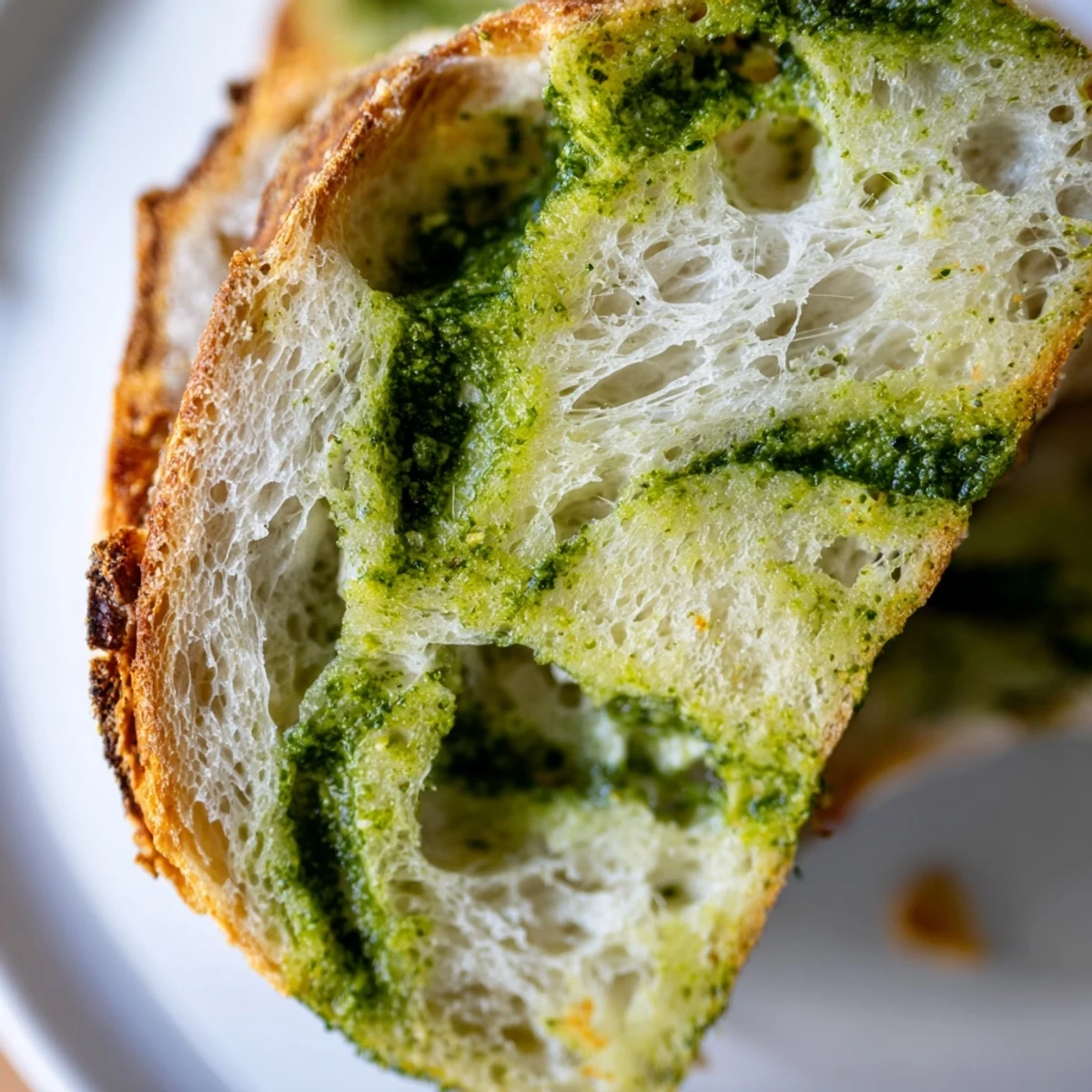
Save There is something incredibly satisfying about cutting into that first slice and seeing those green ribbons against the golden crumb. Happy baking.
Recipe FAQs
- → Can I make this without a sourdough starter?
-
You can substitute with commercial yeast, though the flavor profile will differ. Use instant yeast and reduce the rising times significantly. The characteristic tangy sourdough taste will be milder but you'll still get delicious pesto-Parmesan flavors.
- → What type of pesto works best?
-
Traditional basil pesto creates the most vibrant swirl, but sun-dried tomato pesto adds a rich depth and gorgeous red color. Walnut pesto offers earthy notes. If using store-bought, choose a brand with good oil content for proper distribution.
- → Can I prepare the dough ahead of time?
-
Absolutely. After the final shaping, refrigerate overnight in your banneton. The cold fermentation develops deeper flavor complexity. Bake directly from the refrigerator the next morning—just add a few extra minutes to account for the cold dough.
- → Why do I need a Dutch oven?
-
The Dutch oven creates a steam-filled environment that replicates professional bread ovens. This steam allows the loaf to expand fully before the crust sets, creating that beautiful oven spring and thick, crackly crust. A baking stone with a metal bowl covering the bread works as an alternative.
- → How should I store the finished loaf?
-
Store at room temperature in a paper bag for up to 3 days—the crust will soften but remain delicious. For longer storage, slice and freeze in a sealed freezer bag. To refresh, wrap in foil and warm at 350°F for 10 minutes.
- → Can I add other ingredients?
-
Yes! Try incorporating sun-dried tomatoes, caramelized onions, or fresh herbs like rosemary. Extra cheeses like mozzarella create delicious melty pockets. Just keep additions to about 1 cup total to maintain proper dough structure.