
 Save
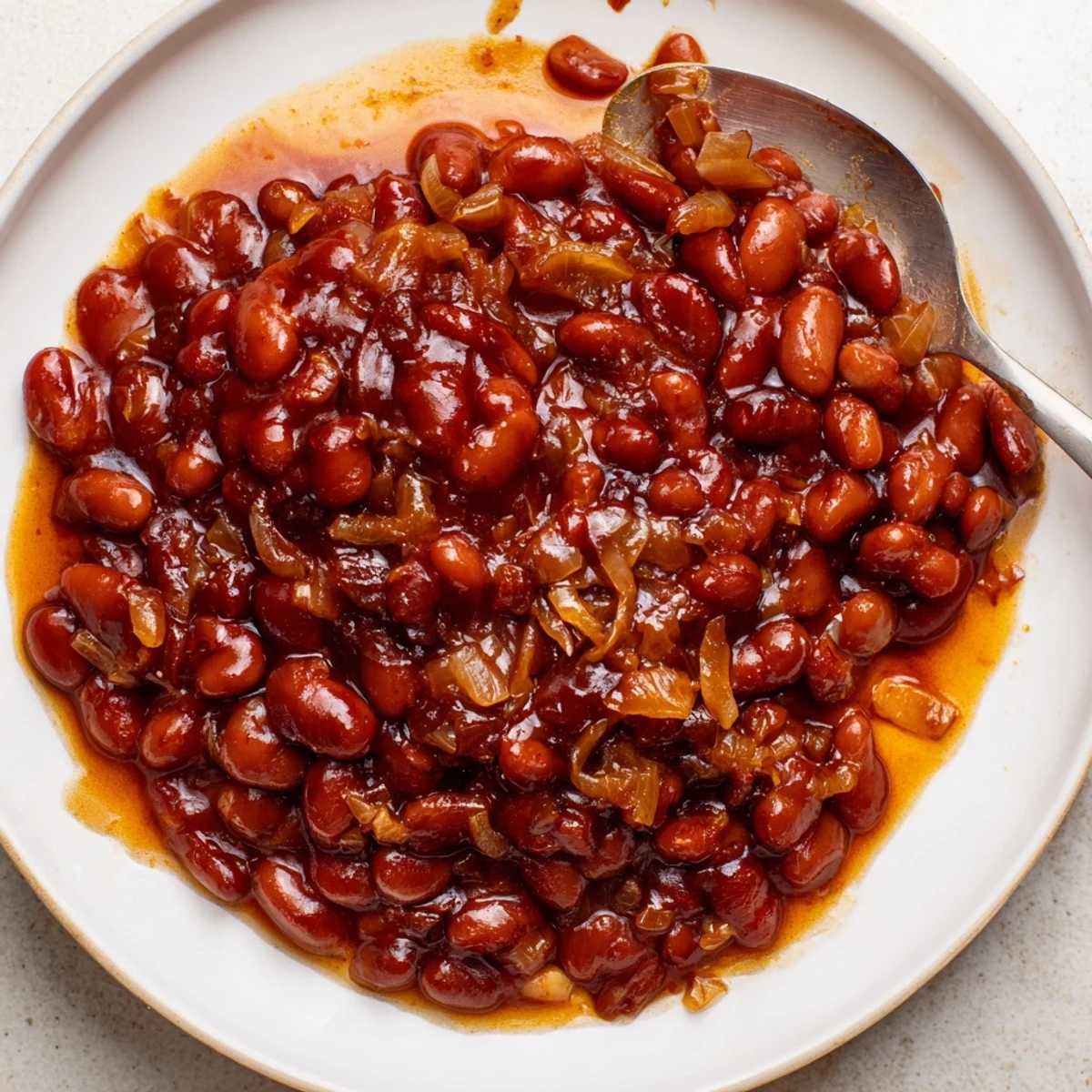
Save These quick barbecued beans deliver deep smoky flavor in just 35 minutes. Navy or pinto beans are simmered in a tangy sauce built from ketchup, brown sugar, apple cider vinegar, molasses, and smoked paprika.
The dish starts with sautéed onions and garlic, then everything comes together in one saucepan with minimal hands-on time. It's an ideal side for cookouts, paired with grilled meats, burgers, or cornbread.
Easily adaptable for vegan diets by swapping honey for maple syrup and using vegan Worcestershire sauce. Adjust the cayenne to control the heat level to your preference.
Something about the smell of beans simmering in molasses and smoke makes a kitchen feel like it belongs to someone else, someone with a screened porch and a dog asleep under the table. I threw these together on a Tuesday when the fridge was bare and the pantry looked hopeless, and they turned into the kind of side dish that steals attention from whatever you served next to it. Smoky, sweet, tangy, and done in about half an hour, these quick barbecued beans have no business being this good for so little effort. They are the uninvited guest that ends up running the party.
I brought a pot of these to a backyard potluck last summer, fully expecting them to be the boring side everyone ignored in favor of potato salad. A friend crouched next to the table with her paper bowl, went quiet for a solid minute, and then looked up at me with the most serious expression and said these beans made her question her loyalty to her grandmothers recipe.
Ingredients
- 2 cans navy or pinto beans (15 oz each), drained and rinsed: Navy beans hold their shape beautifully while soaking up sauce, but pinto beans give a creamier, more rustic feel if that is your mood.
- 1 small onion, finely chopped: The onion melts into the sauce and provides a sweetness that you cannot get from sugar alone.
- 1 clove garlic, minced: Just one clove is enough here because the sauce is already packed with personality.
- 1 cup ketchup: This is the backbone of the tangy sweetness and there is no shame in leaning on it.
- 2 tbsp brown sugar: It deepens the molasses notes and rounds out the vinegar sharpness.
- 2 tbsp apple cider vinegar: Brightness in a spoonful, cutting through the heavy sweet and smoke.
- 1 tbsp Dijon mustard: A quiet heat that binds the sweet and sour elements together.
- 2 tbsp molasses or honey: Molasses gives that deep, dark, old fashioned flavor, while honey keeps things lighter and more floral.
- 1 tbsp Worcestershire sauce: Use a vegan version if needed, but do not skip it because it adds umami depth that nothing else replicates.
- 1 tsp smoked paprika: This is your shortcut to outdoor grill flavor without ever lighting a fire.
- 1/2 tsp ground black pepper: A gentle warming heat that sits quietly behind everything else.
- 1/2 tsp salt: Adjust at the end because the ketchup and sauces already bring sodium to the party.
- 1/4 tsp cayenne pepper (optional): Add this if you want a flicker of heat at the finish.
- 1 tbsp olive oil: Just enough to soften the onion and wake up the garlic.
Instructions
- Wake up the aromatics:
- Heat olive oil in a medium saucepan over medium heat and cook the chopped onion for 3 to 4 minutes until it turns soft and golden at the edges, then stir in the garlic for 30 seconds until your kitchen smells impossibly inviting.
- Introduce the beans:
- Add the drained beans and stir gently to coat them in the onion mixture so every bean gets a little warmth and flavor before the sauce joins.
- Build the sauce:
- Pour in the ketchup, brown sugar, apple cider vinegar, Dijon mustard, molasses or honey, Worcestershire sauce, smoked paprika, black pepper, salt, and cayenne if using, then stir everything together until the beans swim in a glossy, deep red sauce.
- Let it simmer:
- Bring the pot to a gentle simmer, reduce the heat to low, cover, and let it bubble quietly for 20 minutes, stirring every now and then so nothing sticks and the sauce thickens into something velvety.
- Finish to your liking:
- Remove the lid and cook 3 to 5 more minutes if you prefer a thicker, more concentrated sauce that clings to each bean like a jacket.
- Taste and serve:
- Give it a final taste, adjust salt or vinegar as needed, and serve hot straight from the pot because these beans wait for no one.
 Save
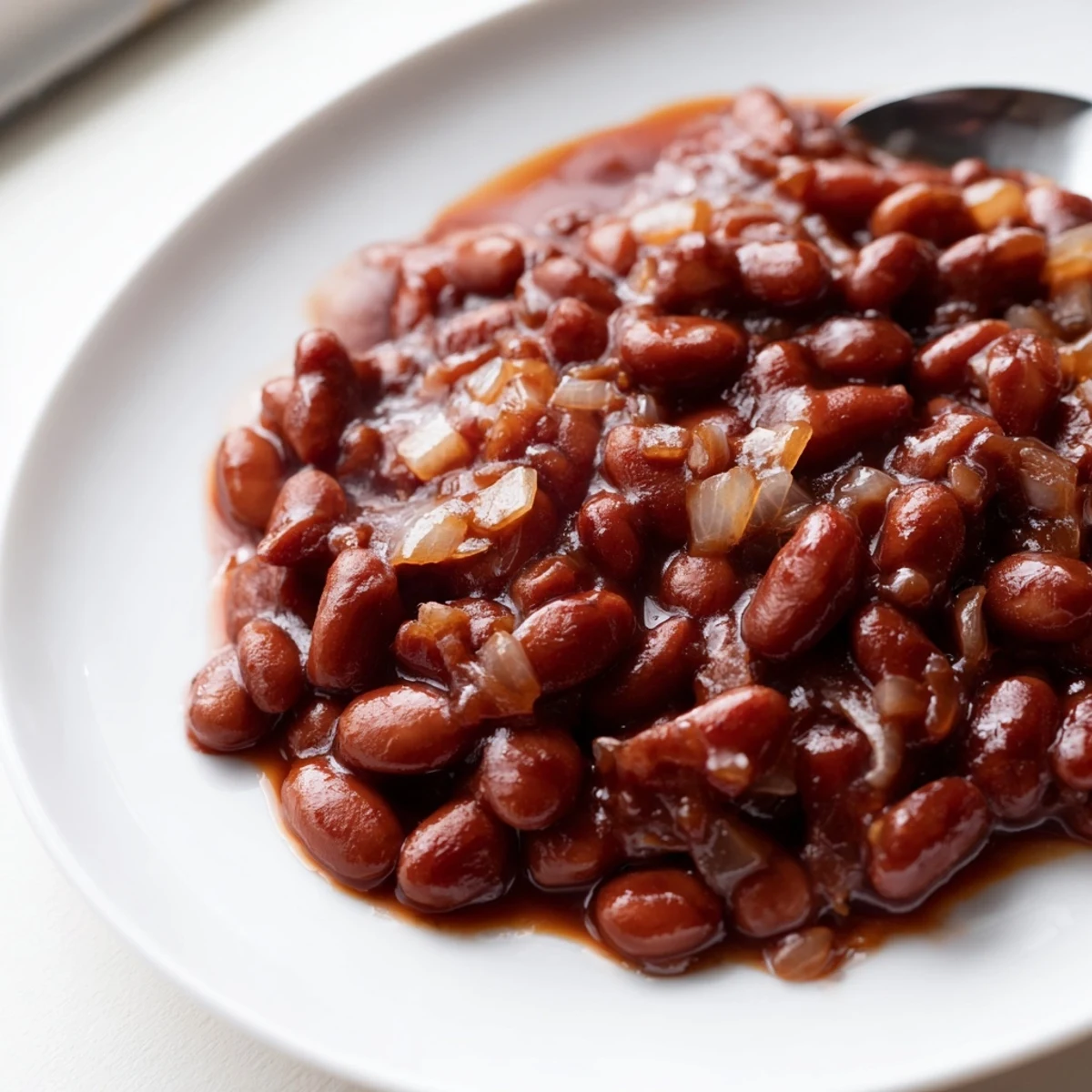
Save One rainy evening I ate a bowl of these beans standing at the counter with a piece of buttered toast, no plate, no napkin, no plan, and it was honestly one of the most satisfying meals of that entire season.
What to Serve Alongside
These beans are a natural companion to anything off a grill, but they are equally brilliant spooned over a baked potato or tucked into a cornbread split down the middle. I once served them alongside roasted carrots and a simple green salad and even the salad person at the table went back for seconds of the beans.
Making It Your Own
A few drops of liquid smoke will push the outdoor flavor even further, and crumbled smoked tempeh stirred in at the end turns this side dish into something hearty enough to call dinner. You could swap the navy beans for black beans, add a diced jalapeno with the onion, or finish with a squeeze of lime for a completely different personality.
Storage and Reheating
These beans keep beautifully in the refrigerator for up to 5 days and actually taste better on day two when the flavors have had time to settle and mingle. Freeze them in airtight containers for up to 3 months for a shortcut side dish on nights when cooking feels like too much.
- Reheat gently on the stove with a splash of water to loosen the sauce back to its original consistency.
- A microwave works too but cover the bowl because molasses sauce will splatter and that is a mess you do not want.
- Always taste again after reheating because a tiny pinch of salt or squeeze of vinegar can bring leftovers back to life.
 Save
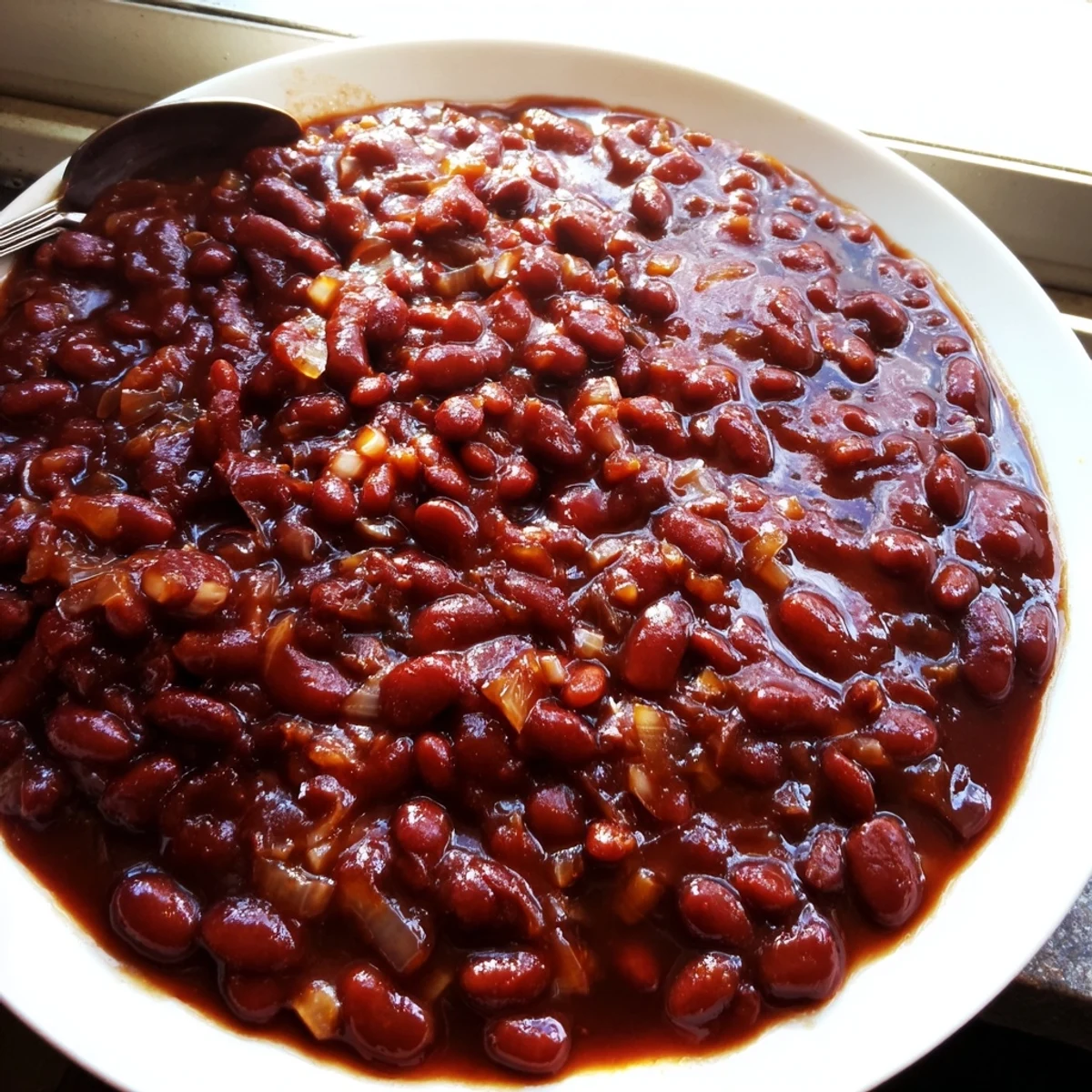
Save Keep this recipe in your back pocket for potlucks, lazy Tuesdays, and any night when you want something warm and comforting without turning on the oven. These beans will never let you down.
Recipe FAQs
- → Can I use dried beans instead of canned?
-
Yes, but you'll need to soak and cook dried beans first. Use about 1½ cups of dried beans, soaked overnight and cooked until tender, to replace two cans. This adds extra time but can improve texture and reduce sodium.
- → How do I store leftover barbecued beans?
-
Store cooled beans in an airtight container in the refrigerator for up to 4 days. The flavors actually deepen and improve after a day in the fridge. Reheat gently on the stovetop or in the microwave, adding a splash of water if the sauce has thickened too much.
- → Can I make barbecued beans in a slow cooker?
-
Absolutely. Sauté the onions and garlic first for best flavor, then transfer everything to a slow cooker. Cook on low for 4 to 6 hours or on high for 2 to 3 hours. This method works especially well if you're using dried beans that have been pre-soaked.
- → What can I substitute for molasses?
-
Dark corn syrup, maple syrup, or brown rice syrup all work as molasses substitutes. Keep in mind that molasses contributes a distinct deep, slightly bitter sweetness that's hard to fully replicate, so the flavor profile will shift slightly with any substitution.
- → Are barbecued beans gluten-free?
-
They can be. The main concern is Worcestershire sauce, which often contains gluten. Use a gluten-free Worcestershire sauce and verify that your Dijon mustard is gluten-free as well. All other ingredients in this dish are naturally gluten-free.
- → What main dishes pair well with barbecued beans?
-
Barbecued beans are a classic accompaniment to grilled burgers, pulled pork, ribs, and hot dogs. They also pair wonderfully with cornbread, coleslaw, and grilled vegetables. For a vegetarian spread, serve alongside smoked tempeh or grilled portobello mushrooms.