
 Save
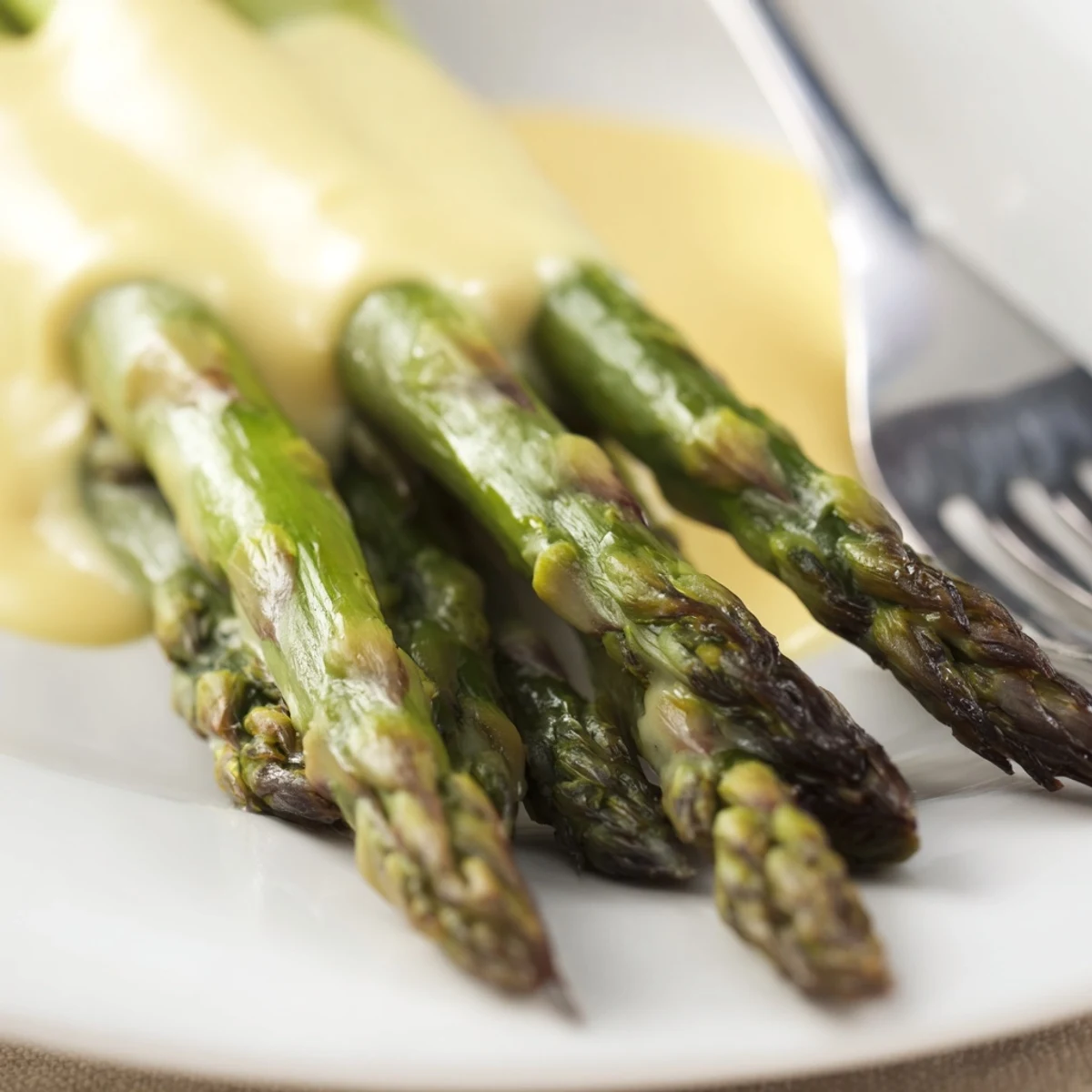
Save This dish features tender asparagus spears roasted to perfection, lightly seasoned with olive oil, salt, and pepper. The highlight is a smooth, creamy Hollandaise sauce made by gently whisking egg yolks, lemon juice, melted butter, and subtle spices over gentle heat. The combination delivers a luxurious flavor ideal for special occasions or seasonal meals. Perfect to pair with grilled salmon or roasted chicken, it offers a refined, vegetarian gluten-free option that brings freshness and elegance to your table.
Spring arrived late that year, and when the farmers market finally overflowed with asparagus, I stood there holding a bunch like I'd found treasure. My grandmother had always made Hollandaise for special occasions, whisking away at the stove with such focus that the rest of the kitchen seemed to pause around her. I decided to finally understand what made her version sing, and roasted asparagus became my laboratory for learning the temperamental magic of emulsified butter and egg yolks.
I made this for a dinner party when my neighbor mentioned she'd never had proper Hollandaise, only the packet kind. Watching her take that first bite—the way her eyes widened—reminded me why I love cooking food that makes people pause mid-conversation. She asked for the recipe before dessert was even served.
Ingredients
- Fresh asparagus (1 lb): Thin to medium spears work best; thick ones need an extra few minutes roasting and don't get that delicate texture quite right.
- Olive oil (2 tbsp): This is what coaxes out the nutty, caramelized flavor, so don't skimp or substitute with something bland.
- Kosher salt and freshly ground black pepper: These aren't afterthoughts—taste as you go because salt brightens everything here.
- Egg yolks (3 large): Room temperature makes a difference; cold eggs and hot butter fight each other.
- Fresh lemon juice (1 tbsp): Bottled juice changes the flavor entirely; fresh is non-negotiable.
- Unsalted butter (1/2 cup), melted and warm: The temperature matters as much as the quality—too cool and it breaks, too hot and it scrambles the yolks.
- Dijon mustard (1/4 tsp, optional): A whisper of sharpness that prevents the sauce from being cloying.
- Cayenne pepper: Just a pinch, but it wakes up the whole sauce without making it spicy.
Instructions
- Set your oven and prepare:
- Preheat to 425°F and line a baking sheet with parchment paper. This gives you time to trim the woody ends off the asparagus—snap them where they naturally break, which is always the right spot.
- Coat and roast the asparagus:
- Toss your trimmed spears with olive oil, salt, and pepper until they glisten. Spread them in a single layer, then roast for 12 to 15 minutes, shaking the pan halfway through so they brown evenly on all sides. You'll know they're done when the tips begin to char and the spears bend slightly.
- Begin the Hollandaise:
- While asparagus roasts, set a heatproof bowl over barely simmering water—the water shouldn't touch the bowl bottom. Add egg yolks and lemon juice, then whisk constantly until the mixture becomes pale and slightly thickened, about 2 to 3 minutes. This is where patience matters more than speed.
- Add butter slowly and steadily:
- Remove the bowl from heat briefly, then whisk in melted butter one tablespoon at a time, waiting for each addition to fully incorporate before adding more. This controlled pace is what transforms separated ingredients into something silky and unified. The sauce should look thick and glossy when finished.
- Season and finish:
- Stir in mustard if using, a tiny pinch of cayenne, and salt to your taste. Hollandaise should taste bright and slightly peppery, never heavy. Serve it immediately—hesitation is Hollandaise's enemy.
- Bring it all together:
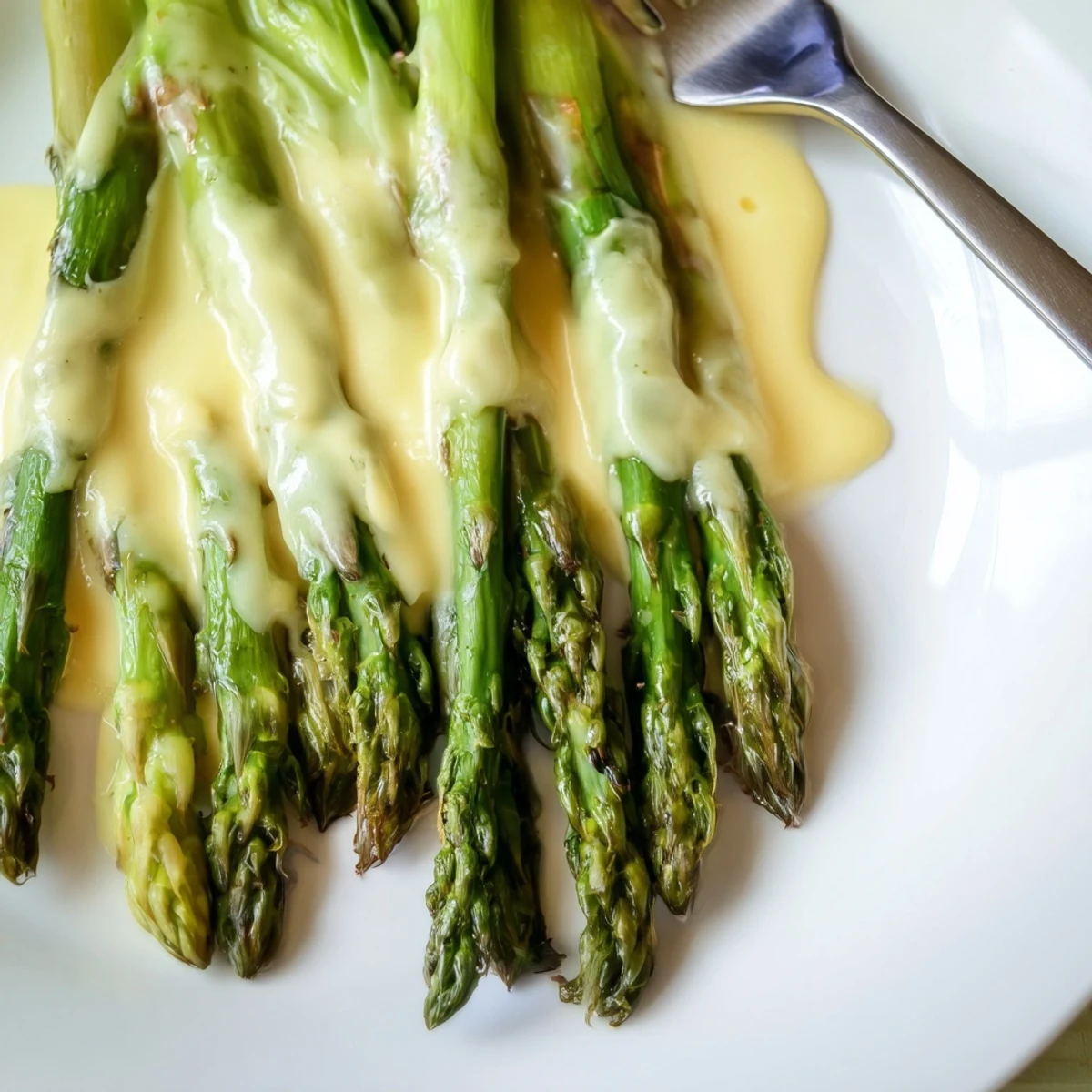
- Arrange roasted asparagus on a warm serving platter and spoon sauce generously over the top. The warmth of the asparagus keeps the sauce at the perfect consistency while you eat.
 Save
Save There's a moment in spring when roasted asparagus stops being just a side dish and becomes a small ceremony—the way candlelight catches in the sauce, how quiet the table gets when people taste something they weren't expecting to love. That's what this recipe gave me.
Mastering the Double Boiler
The double boiler is where Hollandaise either becomes silk or scrambled eggs, and there's almost no middle ground. The key is barely simmering water—not a rolling boil, not barely warm, but that gentle, quiet heat that steams rather than attacks. I learned to listen for the soft whisper of the water beneath the bowl, which tells me the temperature is right. Once you trust this setup, Hollandaise stops feeling temperamental and starts feeling natural.
Why Asparagus Roasting Changes Everything
Steaming asparagus tastes green and watery, boiling it makes it worse, but roasting at high heat coaxes out something almost sweet and nutty from the vegetable. The dry heat caramelizes the natural sugars, and by the time those tips begin to char slightly, the flavor has deepened into something completely different from what you started with. Once you taste roasted asparagus, steamed versions feel like a disappointment, and suddenly this dish makes sense as something special enough to pair with Hollandaise.
Building Flavor Layers
This recipe works because each element has its own moment to shine—the asparagus brings earthiness, Hollandaise brings richness and brightness, and the small additions (mustard, cayenne) keep everything from sliding into monotony. The lemon juice isn't just acid; it's the thing that prevents the sauce from tasting heavy, which changes whether you feel satisfied or slightly too full after eating. Fresh chives or tarragon scattered on top at the very end add a final whisper of garden freshness that feels almost dangerous in how much it transforms the finished plate.
- Taste your Hollandaise before plating—salt and cayenne should make you want another spoonful, not make you pause.
- If sauce thickens too much while sitting, whisk in a teaspoon of warm water and it loosens immediately without breaking.
- Serve on a warm plate because cold ceramic turns beautiful sauce thick and dull within moments.
 Save
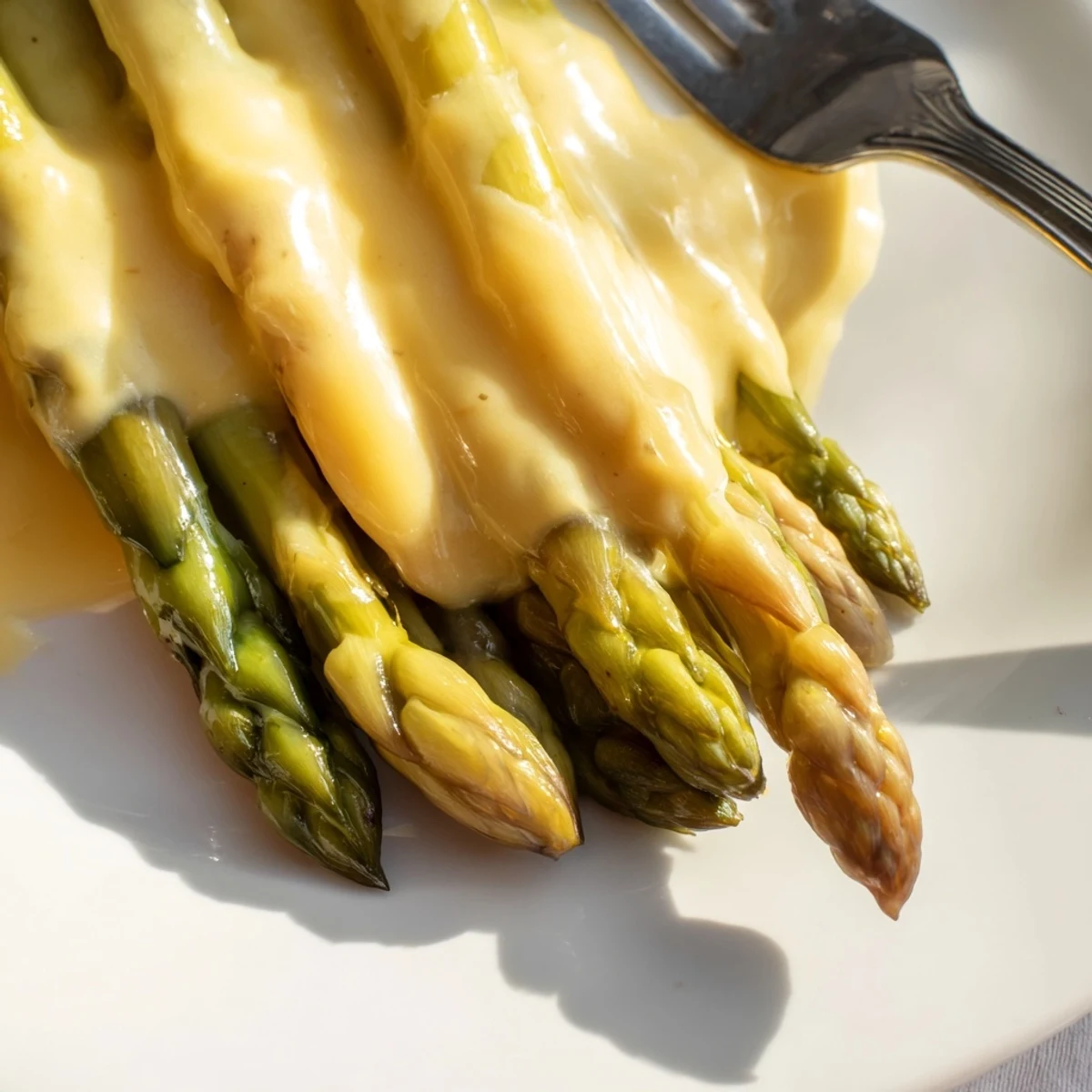
Save Spring vegetables deserve more than salt and butter, and this recipe reminds me why cooking is worth the small risks. There's something about sitting down to roasted asparagus and Hollandaise that feels both simple and genuinely luxurious.
Recipe FAQs
- → How do I know when the asparagus is perfectly roasted?
-
The asparagus should be tender and lightly browned, usually after 12–15 minutes at 425°F, and should still have a slight bite without being mushy.
- → What’s the best way to keep Hollandaise sauce smooth?
-
Whisk the egg yolks gently over simmering water and add melted butter gradually to prevent curdling and ensure a silky texture.
- → Can this dish be served warm or cold?
-
It’s best served warm so the Hollandaise sauce remains glossy and creamy atop the roasted asparagus.
- → Are there any suggested seasoning variations?
-
Adding fresh herbs like chives or tarragon before serving enhances flavor and adds a fresh finish.
- → What dishes pair well with roasted asparagus and Hollandaise?
-
This combination complements roasted chicken, grilled salmon, or other light protein dishes, adding brightness and richness to the meal.