 Save
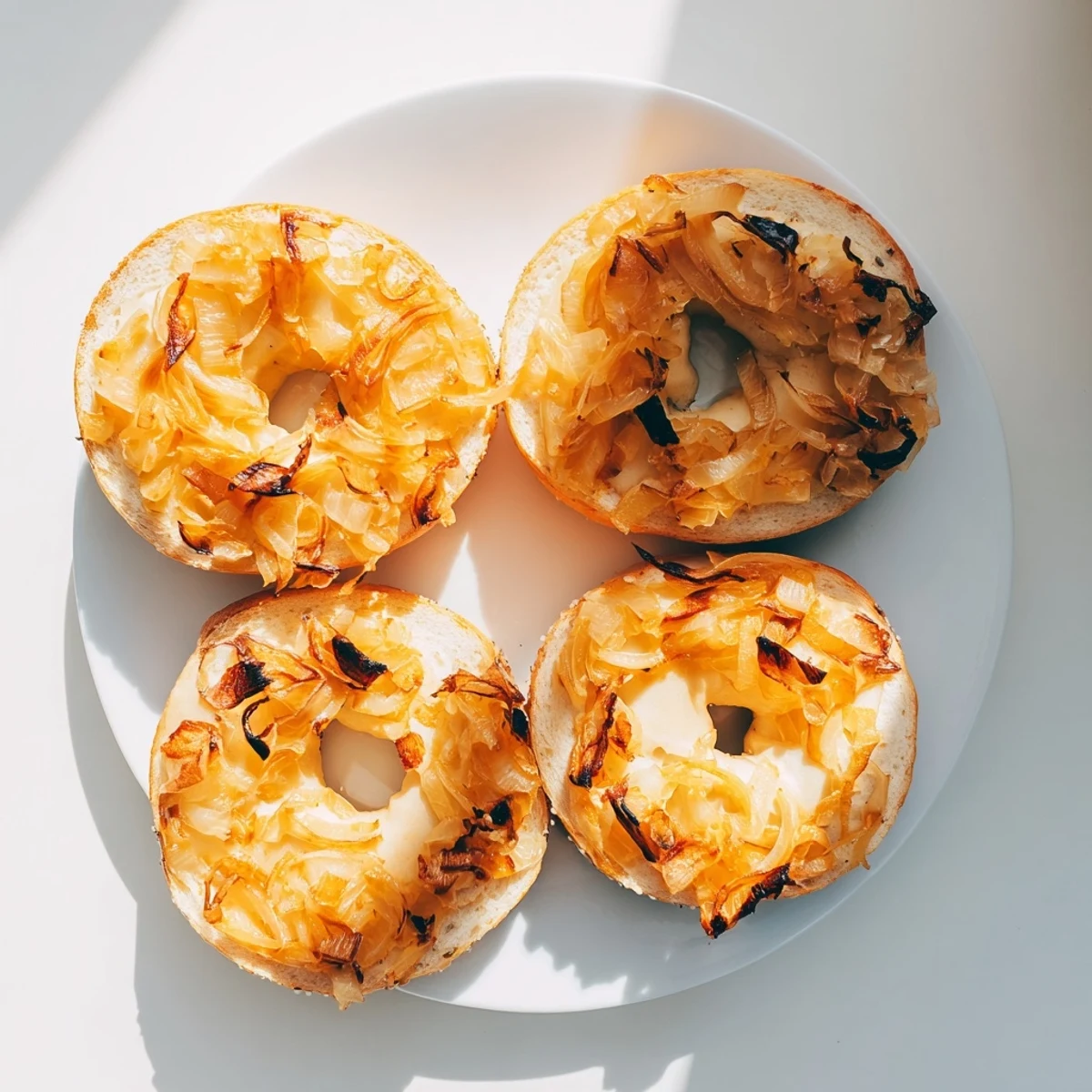
Save These sourdough onion bagels combine the complex tang of naturally fermented dough with the sweetness of slowly caramelized onions. The overnight fermentation develops deep flavor while creating that signature chewy, bakery-style texture. A quick boil before baking ensures the perfect crust and dense interior that makes authentic bagels so satisfying.
The process requires some planning ahead—allow time for the dough to rise and an overnight refrigeration period. However, the hands-on time is minimal, and the result far surpasses anything you can buy. The caramelized onion topping adds savory depth and a beautiful golden finish that makes these perfect for breakfast, brunch, or an afternoon snack with cream cheese.
The smell of caramelized onions hitting a hot pan might be one of the most comforting aromas in baking. I started making these sourdough onion bagels on a rainy Sunday when I needed something hands on and rewarding. Now they have become a weekend ritual that fills the whole kitchen with warmth.
My sister visited last winter and I made a double batch thinking we would share them. She ate three fresh from the oven standing right at the counter, warm hands wrapped around a steaming bagel, and I knew this recipe was special.
Ingredients
- Active sourdough starter: Use a fed starter that bubbles within a few hours of feeding for the best rise and tang
- Bread flour: Higher protein content gives these bagels their signature chewy texture
- Whole wheat flour: Adds nuttiness and structure without making them heavy
- Honey: Feeds the sourdough and helps the crust develop a beautiful golden color
- Fine sea salt: Dissolves evenly into the dough for balanced seasoning
- Yellow onion: Slow cooking brings out natural sweetness that melts into the crust
- Barley malt syrup: The secret to authentic bagel shop flavor and shine
Instructions
- Caramelize the onions:
- Heat olive oil in a skillet over medium low heat then add sliced onions and salt. Cook for 20 to 25 minutes, stirring occasionally, until deep brown and sweet. Let cool completely before using.
- Mix the dough base:
- Combine starter, warm water, and honey in a large bowl until dissolved. Add both flours and salt, mixing until a rough dough forms.
- Knead to develop gluten:
- Turn onto a floured surface and knead for 8 to 10 minutes until smooth and elastic. The dough should push back gently when pressed.
- First rise:
- Place in an oiled bowl, cover, and let rest 4 to 6 hours until doubled. The slow fermentation builds incredible flavor.
- Shape into rounds:
- Divide dough into 8 equal pieces. Roll each into a tight ball then poke a hole through the center with your finger, gently stretching to form a 2 inch opening.
- Cold proof overnight:
- Arrange on parchment, cover loosely, proof 1 hour at room temperature, then refrigerate 8 to 12 hours. This step is non negotiable for texture.
- Prep for boiling:
- Preheat oven to 425°F. Bring water and barley malt syrup to a gentle boil in a wide pan.
- Boil for chewiness:
- Carefully lower bagels into boiling water, 45 seconds per side. They puff slightly and develop a skin that sets the crust.
- Top and bake:
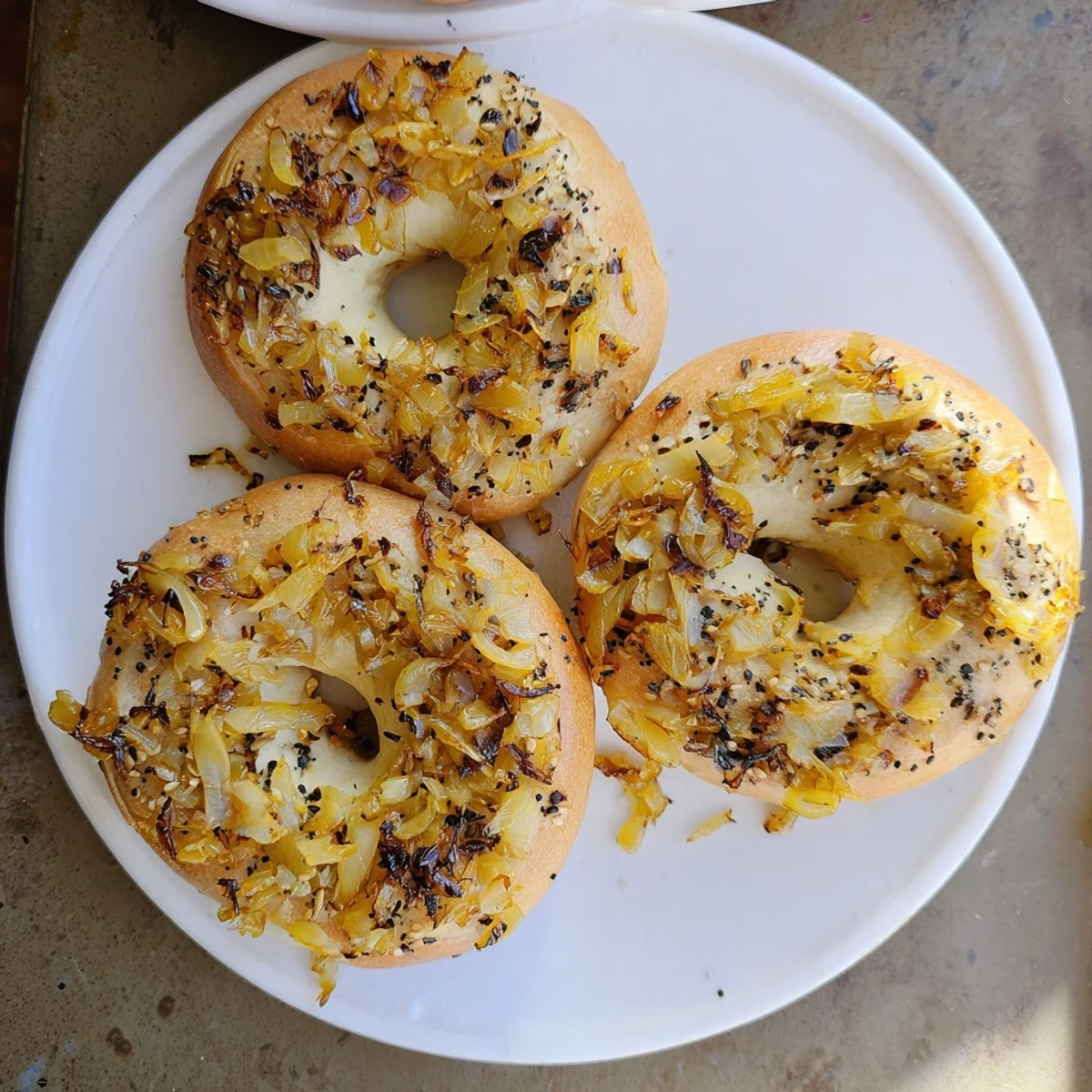
- Return to the baking sheet, press caramelized onions onto the tops, then bake 20 to 25 minutes until deeply golden and crisp.
 Save
Save These bagels have become my go to for housewarming gifts and breakfast gatherings. Something about tearing into a fresh warm bagel topped with sweet onions makes people pause and savor the moment.
Getting The Right Shape
The first few times I made bagels my holes closed up during baking. Now I make the opening larger than seems necessary and gently stretch it again right before boiling. The dough springs back slightly, so starting generous ensures you still have a proper hole after baking.
Sourdough Timing Tips
Active starter is crucial here. If your starter floats in a glass of water, it is ready to use. I feed mine the morning before I plan to mix dough, then let it bubble on the counter all day. A sluggish starter means dense bagels that do not rise properly.
Freezing And Storage
These bagels freeze beautifully and actually reheat better than store bought ones. Slice them before freezing so you can pop halves directly into the toaster. I wrap each bagel individually in plastic, then store them all in a freezer bag for up to a month.
- Toast frozen bagels straight from the freezer, no thawing needed
- Refresh day old bagels in a 350°F oven for 5 minutes
- Store at room temperature only 2 days before freezing for best quality
 Save
Save There is something deeply satisfying about pulling a tray of golden onion topped bagels from the oven. Hope these become a weekend tradition in your kitchen too.
Recipe FAQs
- → What makes sourdough bagels different from regular ones?
-
Sourdough bagels use natural fermentation instead of commercial yeast, resulting in deeper flavor, better digestibility, and a chewier texture that develops over a longer rising period.
- → Can I skip the overnight refrigeration?
-
While you can proof at room temperature for 2-3 hours instead, the overnight cold rest develops superior flavor and makes shaping easier. The cold fermentation is worth the extra time.
- → Why do bagels need to be boiled before baking?
-
Boiling gelatinizes the surface starch, creating that distinctive shiny, chewy crust. The malt syrup or honey in the water enhances browning and adds subtle sweetness.
- → How do I store these bagels?
-
Keep at room temperature for 2 days in a sealed container, or slice and freeze for up to one month. Toast frozen bagels directly from the freezer for best results.
- → Can I use dehydrated onions instead?
-
Fresh caramelized onions provide superior flavor and texture. Dehydrated onions can be used but won't deliver the same sweetness or adhere as well to the dough surface.
- → What if my starter isn't 100% hydration?
-
Adjust the water in the dough slightly. A stiffer starter may need an extra tablespoon of water, while a runnier one might require a bit more flour to achieve the right consistency.