
 Save
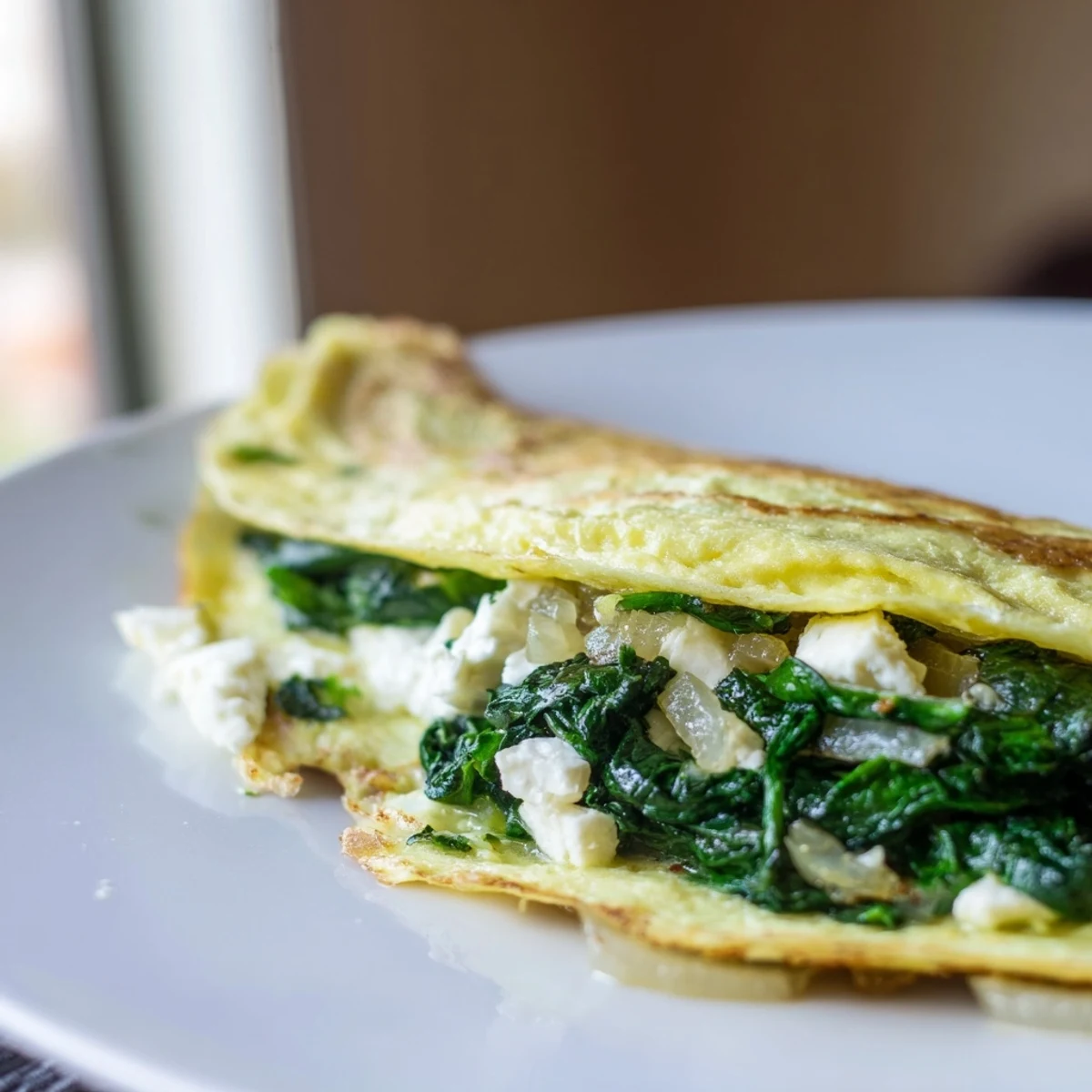
Save This Mediterranean-style omelet combines fluffy eggs with fresh spinach and tangy feta cheese for a protein-packed meal ready in just 18 minutes. The shallot adds subtle sweetness while the optional nutmeg enhances the overall flavor profile.
Perfect for busy mornings or light lunches, this dish delivers 16 grams of protein per serving while staying low-carb and gluten-free. The technique involves sautéing vegetables first, then cooking the eggs until just set before folding over the cheese filling.
My tiny apartment kitchen had exactly one window that faced a brick wall, but Sunday mornings there still felt golden somehow. I'd discovered that sautéing shallots first changed everything about basic eggs, their sweetness blooming into something restaurant-worthy. The spinach would wilt so dramatically, shrinking from a mountain to a manageable handful, making me laugh every single time.
My sister stayed over last winter when she was between apartments, sleep-deprived and running on coffee. I made this for her on a Tuesday morning, watching her shoulders actually drop as she took that first bite. She asked for the recipe immediately, saying it was the first thing in weeks that made her feel taken care of.
Ingredients
- 4 large eggs: Room temperature eggs incorporate better and create a more tender omelet texture
- 1/4 cup milk: This optional addition makes the eggs fluffier and creamier
- 1/4 cup feta cheese: Use good quality feta packed in brine for the best salty tang
- 1 tbsp unsalted butter or olive oil: Butter adds richness while olive oil gives a lighter finish
- 1 cup fresh spinach: Baby spinach works beautifully and requires minimal chopping
- 1 small shallot: Shallots have a milder, sweeter flavor than onions that pairs perfectly with feta
- 1/4 tsp salt: Adjust this based on how salty your feta is
- 1/8 tsp black pepper: Freshly cracked makes a noticeable difference
- Pinch of nutmeg: This secret ingredient enhances the eggs without tasting like dessert
Instructions
- Whisk your base:
- Combine eggs, milk, salt, pepper, and nutmeg in a bowl until fully blended and slightly frothy
- Sauté the aromatics:
- Heat butter in a nonstick skillet over medium heat, cooking shallots until translucent and fragrant
- Wilt the spinach:
- Add chopped spinach and stir until it collapses into soft, dark green ribbons
- Add the eggs:
- Pour the egg mixture evenly over the vegetables, tilting the pan to distribute
- Let it set:
- Cook undisturbed for 2 to 3 minutes until edges firm up, then lift them gently to let uncooked egg flow underneath
- Add the feta:
- Sprinkle crumbled feta over just one half of the omelet for easier folding
- Fold and finish:
- When mostly set but still slightly moist on top, fold the omelet in half and cook 30 seconds more
- Serve immediately:
- Slide onto a warm plate and add extra feta or herbs if you like
 Save
Save This recipe became my go-to when I started working from home and needed something that felt like self-care but wasn't complicated. There's something meditative about the rhythm of whisking, the gentle sizzle, that moment when you fold everything together.
Make It Your Own
Goat cheese instead of feta creates a milder, creamier result that I sometimes prefer on lazy weekends. Fresh herbs like dill or parsley added at the end brighten everything up.
Perfect Pairings
A simple arugula salad with lemon vinaigrette cuts through the richness beautifully. Toasted sourdough or whole grain bread makes it feel more substantial.
Timing and Temperature
Getting the pan temperature right is the biggest learning curve with omelets. You want it hot enough to set the eggs quickly but gentle enough to keep them tender.
- Preheat your pan for a full 2 minutes before adding butter
- The butter should foam and sizzle but not brown immediately
- If things are moving too fast, slide the pan off the heat for 10 seconds
 Save
Save Sometimes the simplest recipes teach us the most about patience and attention in the kitchen.
Recipe FAQs
- → Can I make this omelet dairy-free?
-
Yes, substitute the feta with dairy-free cheese alternatives and use olive oil instead of butter. Omit the milk or use a plant-based milk alternative like almond or oat milk.
- → What other greens work in this omelet?
-
Fresh baby spinach works best due to its quick wilting time, but you can also use Swiss chard, arugula, or kale. Just ensure tougher greens like kale are chopped finely and cooked slightly longer.
- → How do I prevent my omelet from sticking?
-
Use a quality nonstick skillet and ensure it's properly heated before adding the butter or oil. The fat should shimmer slightly before pouring in the eggs. Avoid using metal utensils that can scratch the surface.
- → Can I prepare the filling ahead of time?
-
You can sauté the shallot and spinach up to a day in advance and store them in the refrigerator. Reheat gently in the skillet before adding the eggs, or proceed with cold vegetables which will just take slightly longer to warm through.
- → What's the purpose of adding milk to the eggs?
-
Milk creates a lighter, fluffier texture by incorporating air and steam during cooking. It's completely optional—the omelet will still be delicious without it, especially if you prefer a more concentrated egg flavor.
- → How do I know when the omelet is ready to fold?
-
The eggs should appear mostly set with no liquid running on the surface, but the top may still look slightly moist and glossy. The center will finish cooking from residual heat after folding and during the final 30 seconds on the heat.