
 Save
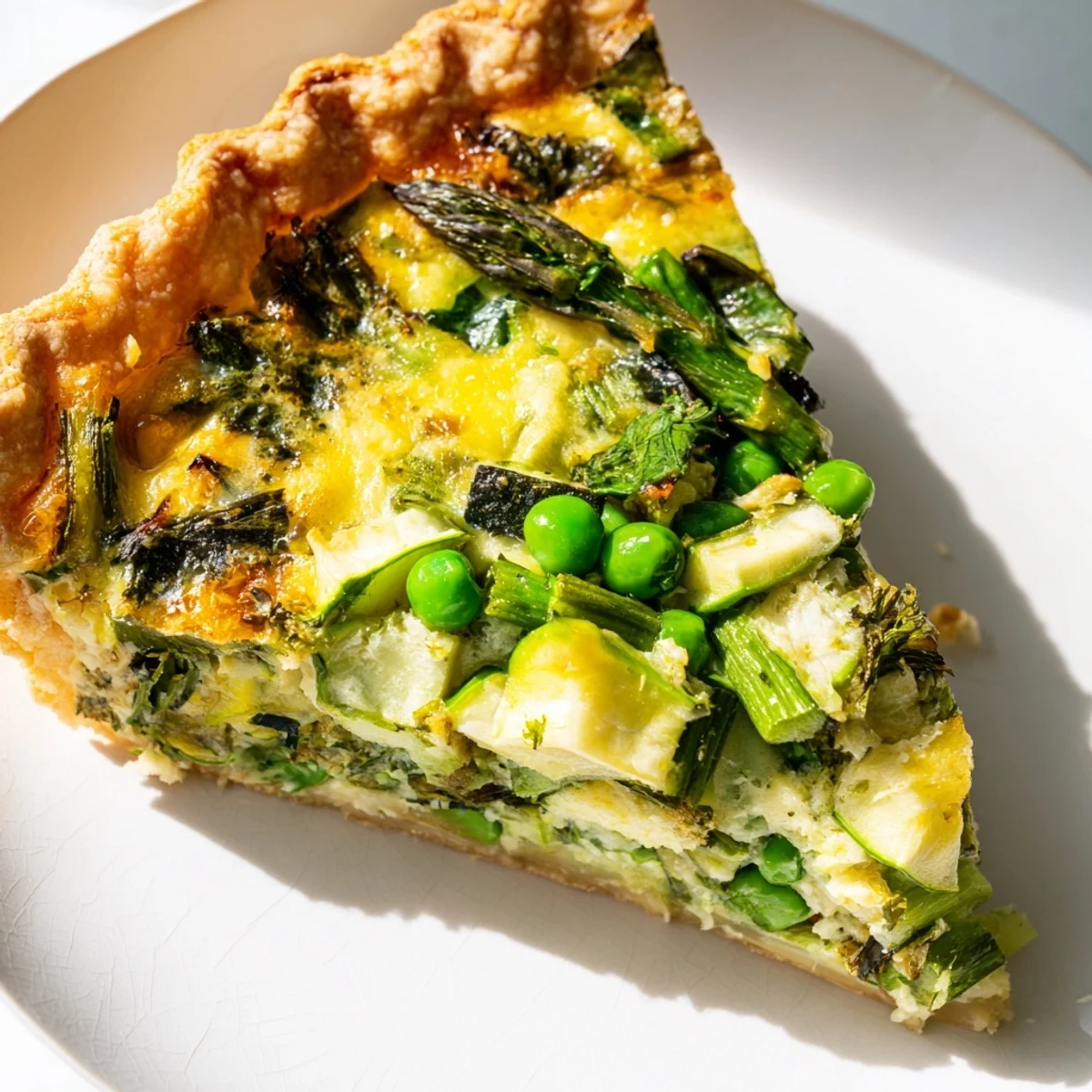
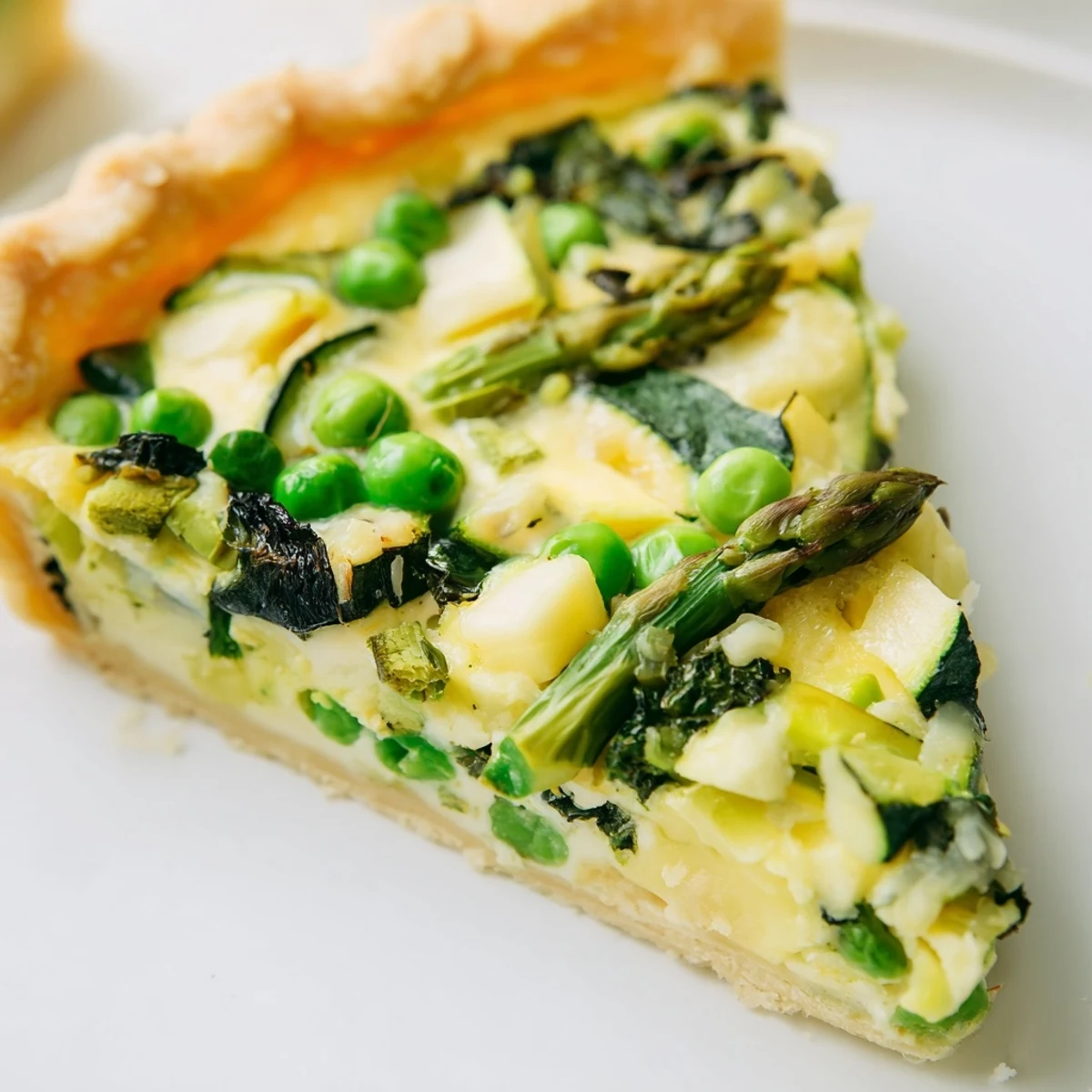
Save This spring quiche balances a tender, buttery crust with a vibrant mix of asparagus, zucchini, baby spinach, scallions, and peas. The filling combines eggs, cream, and Gruyère cheese, delivering a creamy custard with rich flavors. Lightly sautéed vegetables lend texture and freshness, while subtle hints of nutmeg and pepper add warmth. Perfectly baked until golden and set, this dish suits brunch or a light luncheon, pairing well with a crisp salad and white wine.
My tiny apartment kitchen smelled like butter and promise the first Sunday I attempted quiche. I'd been invited to a friend's garden party and insisted on bringing something impressive, despite my limited track record with pastry. The spring market had just opened, and those bundles of asparagus and bright green peas looked too cheerful to pass up. Standing at my counter with flour dusting my pajamas, I realized this was going to be either magnifique or a complete disaster.
That garden party became legendary among my friends, though not necessarily for my stellar hosting skills. Everyone kept asking about the quiche, wondering if I'd secretly bought it from some fancy French patisserie. I'll never forget watching my friend Sarah take that first hesitant bite, her eyes widening as she reached for a second slice before even finishing the first. Now it's the dish I'm begged to bring to every brunch, potluck, and excuse-for-a-party we can invent.
Ingredients
- All-purpose flour: The foundation of your crust; I've learned through many failed attempts that measuring by weight yields the most consistent results
- Cold unsalted butter: Keep those cubes icy cold; warm butter is the enemy of flaky layers and the reason my first few crusts turned out like tough crackers
- Ice water: Start with three tablespoons and add only if needed; too much water makes the crust shrink in the oven
- Asparagus and zucchini: Spring vegetables that maintain their texture after baking; chop them consistently so they cook evenly
- Baby spinach: Wilts beautifully into the custard; don't worry about the excess volume in the pan, it cooks down significantly
- Spring onions: Milder than regular onions and perfect for letting the vegetables shine without overpowering them
- Parmesan and Gruyère: A nutty, salty combination that I've found creates the best depth of flavor in the custard
- Garlic: One clove is enough to add subtle warmth without competing with the delicate spring vegetables
- Eggs, heavy cream, and whole milk: The magic trio that creates your silky custard; I've tried all-milk versions and they simply don't set as luxuriously
- Fresh thyme: Sprigs of woody herbs like thyme or rosemary infuse the cream beautifully without losing their potency in the oven
Instructions
- Make the herb-infused cream:
- Heat the cream, milk, and garlic clove in a small saucepan until just barely simmering; remove from heat, add thyme sprigs, and let steep for 15 minutes. This step is what transforms a good quiche into a restaurant-quality one.
- Sauté the vegetables:
- Meanwhile, melt butter in a large skillet over medium-high heat and cook asparagus and zucchini until just tender, about 5 minutes. Add the spinach and scallions in the last minute just to wilt, then spread everything on a plate to cool slightly.
- Prepare the savory crust:
- Pulse flour, salt, baking powder, and Parmesan in a food processor, then add cold butter and pulse until the mixture looks like coarse crumbs. With the motor running, drizzle in ice water until dough just holds together when pinched.
- Blind bake the crust:
- Press dough into a tart pan, freeze for 10 minutes, then line with parchment and fill with pie weights before baking at 375°F for 20 minutes. Remove weights and bake another 5-8 minutes until the bottom is dry and golden.
- Assemble and bake:
- Whisk strained cream with eggs, salt, pepper, and nutmeg until frothy, layer half the Gruyère on the crust, add vegetables, then pour custard over everything and top with remaining cheese. Bake for 30-35 minutes until set and golden.
 Save
Save Last summer, my sister came to visit and we spent the entire afternoon making this quiche together, drinking wine and talking about everything and nothing while the crust chilled. There's something about the rhythm of shelling peas and chopping vegetables that invites the best conversations. Now whenever I make it, I think of her laughter filling my kitchen and how food has this magical way of making memories stick.
Making It Your Own
I've discovered that quiche is endlessly forgiving once you understand the basic custard-to-vegetable ratio. The spring vegetables are traditional and beautiful, but I've made versions with roasted tomatoes in summer and caramelized onions in fall that were equally stunning. Trust your instincts about what looks fresh and inviting at the market.
The Art of Blind Baking
Many home cooks skip this step and end up with soggy bottoms, which is tragic after all that effort. The technique is simple but makes all the difference in the final texture; just don't forget those pie weights or dried beans to keep the crust from puffing up. I learned this lesson the hard way when my first attempt emerged looking like a miniature mountain range.
Serving and Storing
Quiche needs to rest at least 10 minutes after baking to let the custard set properly; cutting too soon will make the center runny. Serve it warm or at room temperature with a simple green salad dressed with vinaigrette. Leftovers keep well in the refrigerator for up to three days, though in my house they rarely survive that long.
- Reheat individual slices in a 300°F oven for 10 minutes to refresh the crust
- Freeze unbaked quiche for up to a month; bake from frozen, adding 10-15 minutes
- A dusting of fresh herbs right before serving adds a pop of color and freshness
 Save
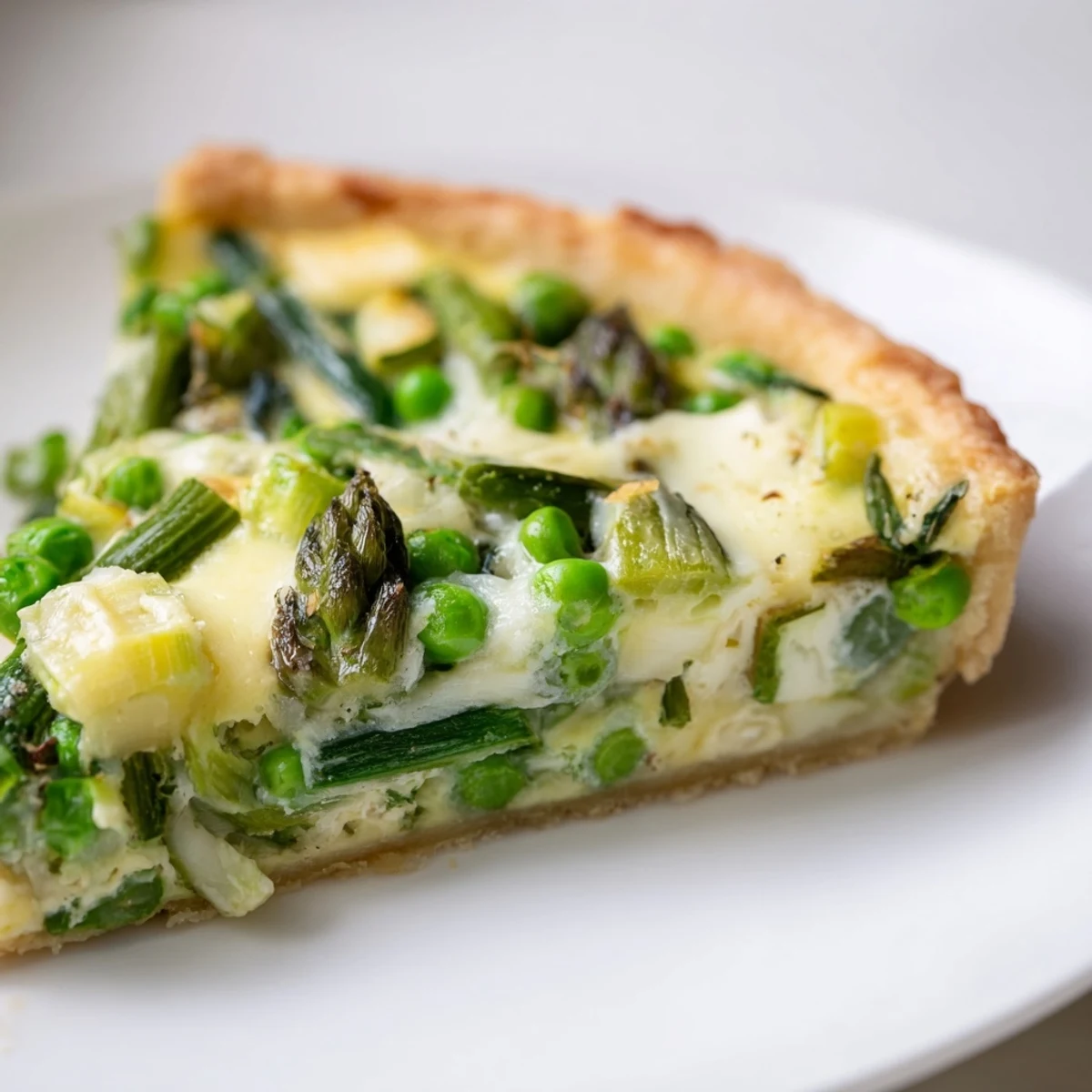
Save There's something deeply satisfying about pulling a golden, bubbling quiche from the oven, knowing you created something that looks and tastes like it came from a professional kitchen. This recipe has become my go-to for bringing people together, and I hope it finds its way into your regular rotation too.
Recipe FAQs
- → What vegetables are best for the filling?
-
Asparagus, zucchini, spinach, scallions, and peas create a fresh and balanced spring vegetable mix. Seasonal alternatives like leeks or bell peppers also work well.
- → How do I achieve a flaky crust?
-
Use cold unsalted butter cut into flour until crumbly, then add ice water gradually. Keep dough chilled before rolling to ensure flakiness.
- → Can I prepare the crust ahead of time?
-
Yes, chilling the crust dough for at least 20 minutes before rolling helps maintain structure and ease of handling.
- → What cheese complements the vegetables best?
-
Gruyère or Swiss cheese adds a nutty, savory depth that melts well and balances the fresh vegetables.
- → How do I know when the filling is fully baked?
-
The quiche is done when the custard is set and slightly golden on top but still moist in the center without jiggle.
- → What serving suggestions pair well with this dish?
-
Serve with a crisp green salad and a chilled Sauvignon Blanc for a refreshing meal.