
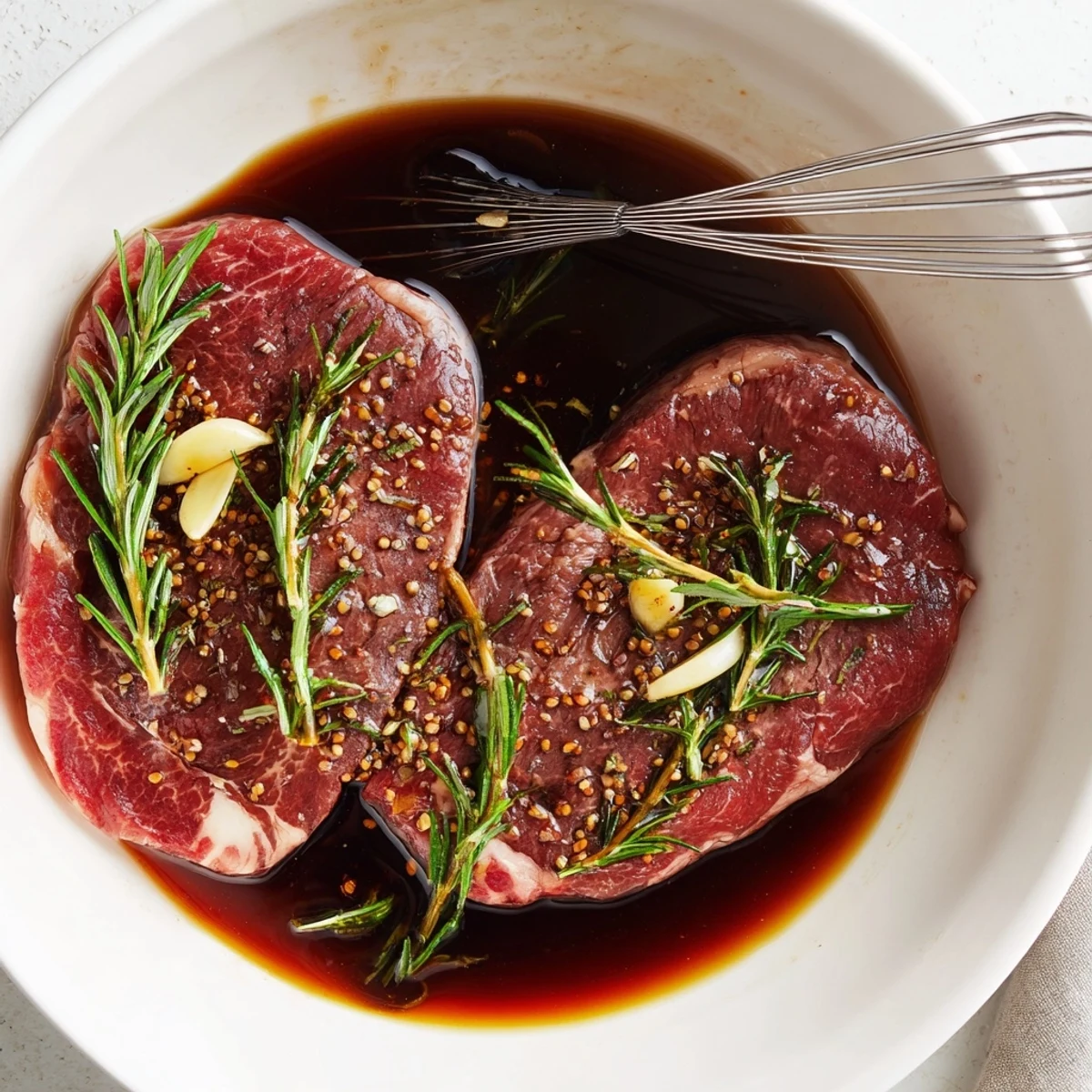
 Save
Save This soy- and balsamic-forward mixture blends soy sauce, olive oil, Worcestershire, lemon juice, garlic, Dijon mustard, brown sugar, rosemary, black pepper, and onion powder to both tenderize and build deep savory-sweet layers. Whisk and coat steaks, then refrigerate at least 2 hours and up to 24 for peak flavor. Discard used marinade, pat meat dry, and finish over high heat by grilling, broiling, or pan-searing. For variations, swap honey for brown sugar or add crushed red pepper for heat; use tamari for a gluten-free option.
There’s something instantly satisfying about the sound of a whisk briskly meeting a bowl, especially when building the foundation for a steak marinade. One rainy Friday, I wandered into the kitchen looking for a way to upgrade what would’ve otherwise been a plain weeknight steak. The idea for this marinade came together between sips of coffee, balancing savory, tart, and just a hint of sweetness. The aromas had me anticipating dinner before noon even rolled around.
I once threw together this marinade before friends arrived for an impromptu summer BBQ, thinking it would be decent but nothing special. By the time steaks hit the grill and that smell drifted through the yard, even the neighbors started leaning over the fence for a taste. I watched as people nudged in close to ask for “that marinade recipe” between bites. That memory still makes me proud of this humble concoction.
Ingredients
- Soy sauce: The salty backbone—make sure it’s not too harsh by tasting before adding, and sub with tamari for gluten-free friends.
- Olive oil: Adds richness and locks moisture into your steak; a light, fruity one works best for blending without overpowering.
- Worcestershire sauce: Adds complexity and umami; shake the bottle first to get maximum flavor out of the bottom.
- Balsamic vinegar: Just enough tang for brightness, but not so much that it takes over—taste and adjust to your liking.
- Lemon juice (fresh): That zingy citrus note helps soften the steak and wakes up the marinade—bottled lemon can’t compare.
- Garlic (minced): Use fresh garlic for bold flavor, and don’t be afraid to add an extra clove if garlic is your thing.
- Dijon mustard: Brings a subtle kick and binds the marinade; make sure to fully whisk so it disperses evenly.
- Brown sugar: Balances out acidity and helps with caramelization; a packed tablespoon gives a deeper sweetness—swap for honey for a twist.
- Black pepper (freshly ground): The heat at the end, so don’t use pre-ground; grind it right before tossing in for best aroma and bite.
- Rosemary (dried or fresh): Fragrant and woodsy—fresh is ideal, but dried is always at hand and works beautifully in a pinch.
- Onion powder: Lends savory depth that melds with every other flavor, pulling the whole marinade together.
Instructions
- Base layer magic:
- Pour soy sauce, olive oil, Worcestershire, balsamic vinegar, and lemon juice into your mixing bowl, and whisk until you see a glossy emulsion form.
- Add the punch:
- Drop in the minced garlic, then scrape in Dijon, brown sugar, pepper, rosemary, and onion powder, and whisk again until you smell garlic rising and notes of vinegar swirling together.
- Coat the beef:
- Slide steaks into a resealable bag or dish, pour marinade over, seal, and gently massage to coat every surface; feel free to flip a few times so nothing gets left out.
- Marinate:
- Stash the steaks in your fridge for at least 2 hours (or all the way up to 24 for bigger flavor), turning them occasionally if you think of it while you’re grabbing the milk or snack.
- Prep to cook:
- When you’re ready, pull the steaks out, pat dry to avoid flare-ups, and get them sizzling on your grill, pan, or under the broiler until done just how you like.
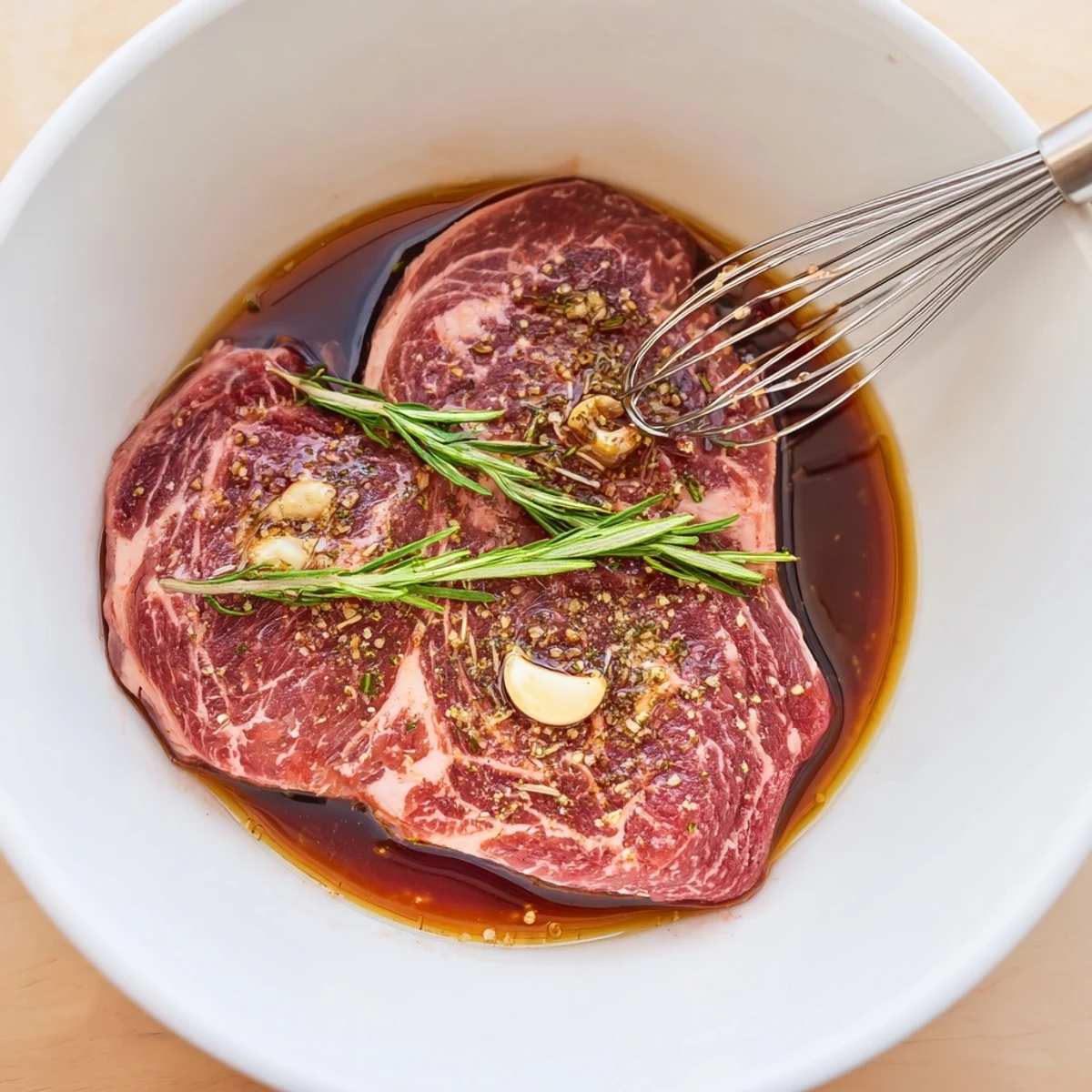 Save
Save We served these marinated steaks at a birthday dinner when my dad unexpectedly declared them the “best he’d ever had,” passing out napkins with a grin after every juicy bite. It was one of those simple, laughter-filled meals where even the quiet ones at the table had something to say about the food.
Ingredient Swaps and Variations
If you’re out of brown sugar, use honey or maple syrup for sweetness with personality—each subtle change makes a big difference in the finished dish. Gluten-free sauces are easy swaps that keep things safe for friends who can’t have wheat. On a whim, I’ve even thrown in a hint of smoked paprika or a spoonful of chili paste when I craved extra depth or spice.
Best Cuts and Serving Ideas
This marinade goes well with New York strips, sirloins, skirt, and even pork chops. If you want to try chicken, just hold back a little on marinating time to keep things tender. Serve your steak sliced over salads when it’s warm or pile it into sandwiches the next day for a second act that never disappoints.
A Few Words on Pairings
If you’re opening a bottle, a bold red like a Malbec really brings out the marinade’s richness, but even a cold beer works in a pinch. Don’t rush the process—a slow marinate leads to a flavor-packed centerpiece.
- Chill any leftover marinade (unused) for another day’s cookout.
- Try adding a split red onion or fresh thyme to the marinade for more depth.
- Always double-check for gluten if you’re serving guests with allergies.
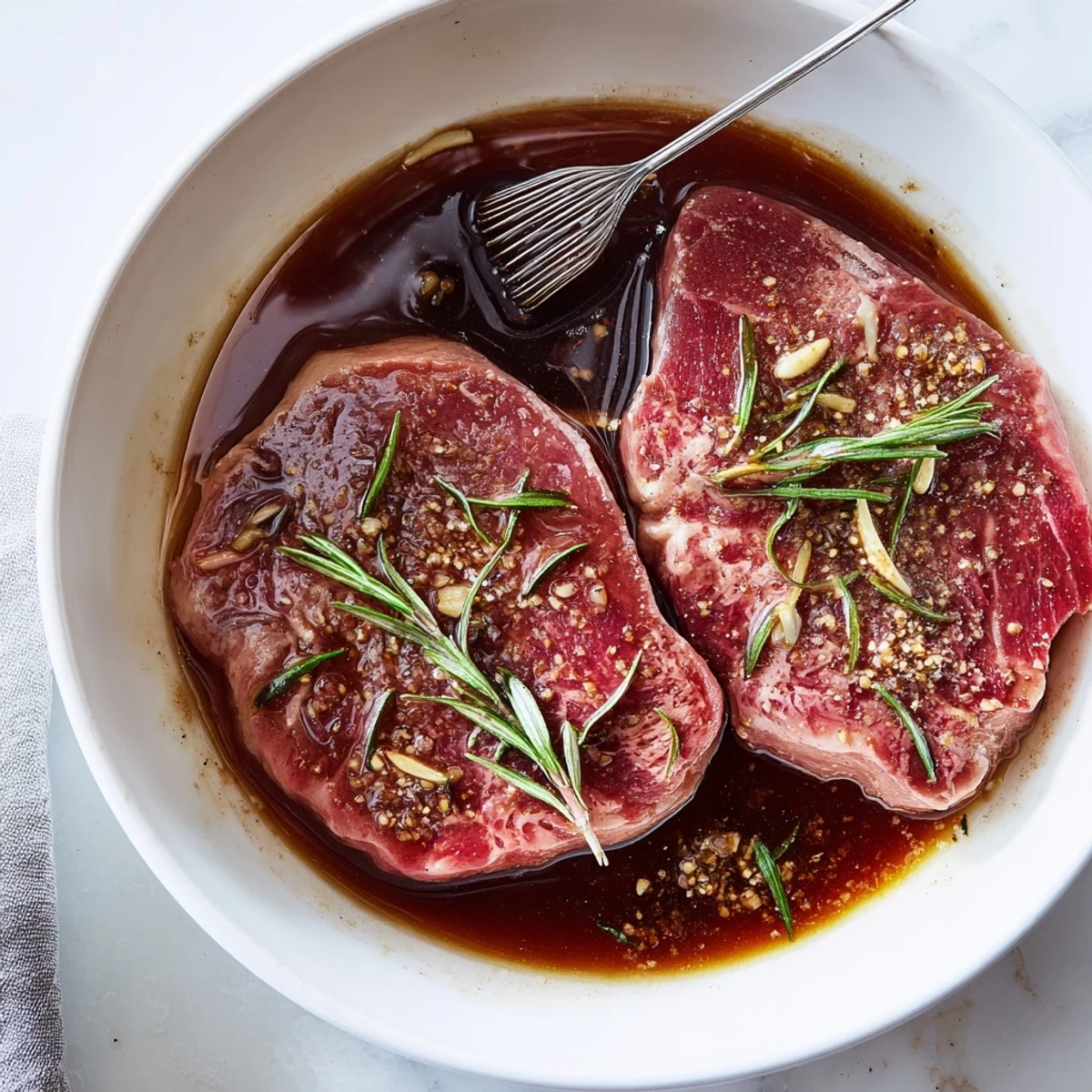 Save
Save Marinating steak has become my shortcut to a memorable meal that feels a little special, even midweek. I hope it gives you as many delicious moments as it has for me.
Recipe FAQs
- → How long should steaks marinate?
-
Marinate for a minimum of 2 hours to start tenderizing and infusing flavor; for best results, refrigerate up to 24 hours. Longer times deepen flavor but avoid over-marinating very thin cuts.
- → Can this mixture be used on other proteins?
-
Yes. The balance of soy, acid, and oil works well on pork chops and chicken breasts—adjust marination time (shorter for chicken) and cooking method accordingly.
- → Should I discard the used marinade?
-
Discard any marinade that contacted raw meat. If you want to use it as a glaze or sauce, bring it to a rolling boil for at least a minute to ensure safety, then reduce to thicken.
- → How can I reduce saltiness in this blend?
-
Use low-sodium soy sauce or tamari, reduce the soy sauce amount and compensate with a touch more olive oil and acid (lemon or balsamic) to keep balance without extra salt.
- → What cooking method highlights this marinade best?
-
High-heat finishes like grilling, broiling, or pan-searing create a caramelized crust while keeping the interior juicy. Pat steaks dry before searing and let them rest briefly after cooking.
- → How can I make this gluten-free or allergen-friendly?
-
Substitute tamari for traditional soy sauce and use a gluten-free Worcestershire. Note that mustard is present—choose products carefully if avoiding allergens.