
 Save
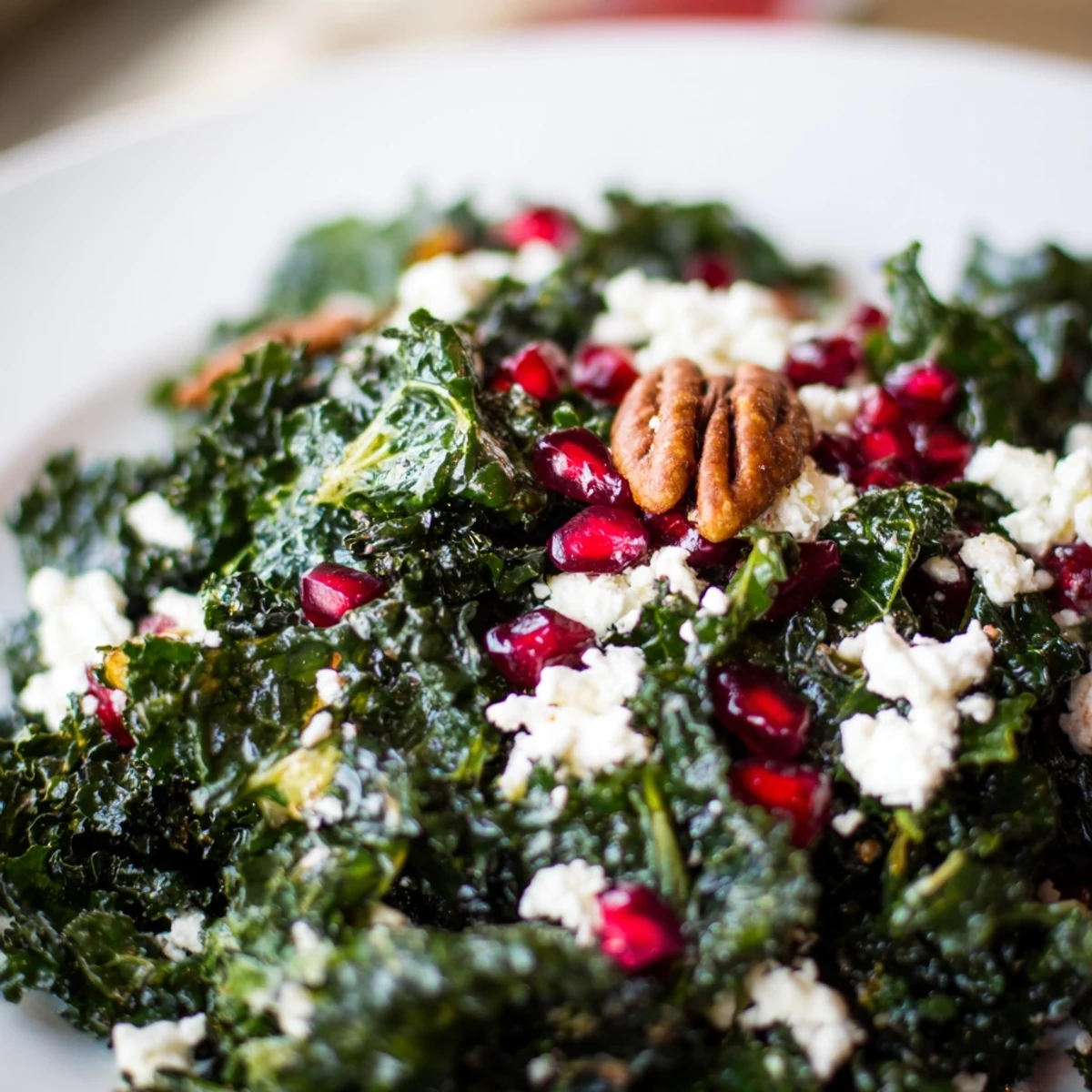
Save This winter salad features nutrient-packed kale massaged until tender, combined with juicy pomegranate seeds, toasted pecans, and crisp apple slices. A lively dressing of olive oil, fresh citrus juices, honey, and Dijon mustard ties the ingredients together with vibrant flavor. It’s quick to prepare, ideal for wholesome lunches or festive gatherings, and offers versatility with optional feta cheese or vegan adaptations.
There's something about December that makes me crave kale salads, which sounds contradictory until you've tasted one with pomegranate seeds bursting against your teeth and pecans that catch the light like tiny jewels. My neighbor brought this to a potluck years ago, and I remember being skeptical—how could a salad made mostly of roughage feel festive?—but the first bite changed everything. The citrus dressing didn't just coat the leaves; it seemed to coax out a sweetness I didn't know kale possessed. Now it's my go-to whenever I need something that feels both nourishing and celebratory.
I made this the morning of our holiday open house last year, thinking it would be a side dish no one would touch. Within twenty minutes, the bowl was nearly empty, and someone asked for the recipe before dessert was even served. That moment taught me that good salads aren't about being virtuous—they're about flavor and texture and the kind of food that makes people linger at the table.
Ingredients
- Curly kale: The stems are tough and fibrous, so remove them without guilt—it's just you and the tender leaves here, and they'll soften beautifully when massaged.
- Pomegranate seeds: These jewels add bursts of tart sweetness and bright color; if you can't find fresh ones, frozen work in a pinch, though fresh is worth the effort of extracting them.
- Pecan halves: Lightly toast them yourself if you have five minutes—it deepens their flavor and makes the whole salad taste more intentional.
- Apple: Slice it thin and toss it with the dressing immediately to prevent browning, and use a crisp variety like Granny Smith or Honeycrisp for the best contrast.
- Feta cheese: Crumbled feta adds a salty tang that bridges the sweet and bitter notes; goat cheese or omission both work beautifully depending on your mood.
- Citrus dressing: The combination of lemon and orange juice creates brightness without heaviness, and the touch of honey keeps it balanced and glossy.
Instructions
- Massage the kale:
- Pile your chopped kale into a large bowl and sprinkle with salt and a drizzle of olive oil. Using your hands, squeeze and rub the leaves firmly for 2–3 minutes until they darken and soften—you're breaking down the fibers, making them tender enough to eat raw without that tough, squeaky feeling.
- Build the dressing:
- In a small bowl, whisk olive oil, both citrus juices, honey, and Dijon mustard together until it emulsifies into something silky. Taste it before adding to the salad and adjust salt and pepper—this is your chance to get it right without having to rescue the whole bowl.
- Bring it all together:
- Add the pomegranate seeds, toasted pecans, apple slices, and feta to your massaged kale. Pour the dressing over everything and toss with your hands or two wooden spoons until every leaf gleams.
- Finish and serve:
- Take a bite, adjust seasoning if needed, and serve right away or chill for up to an hour—it stays fresh and the flavors marry as it sits.
 Save
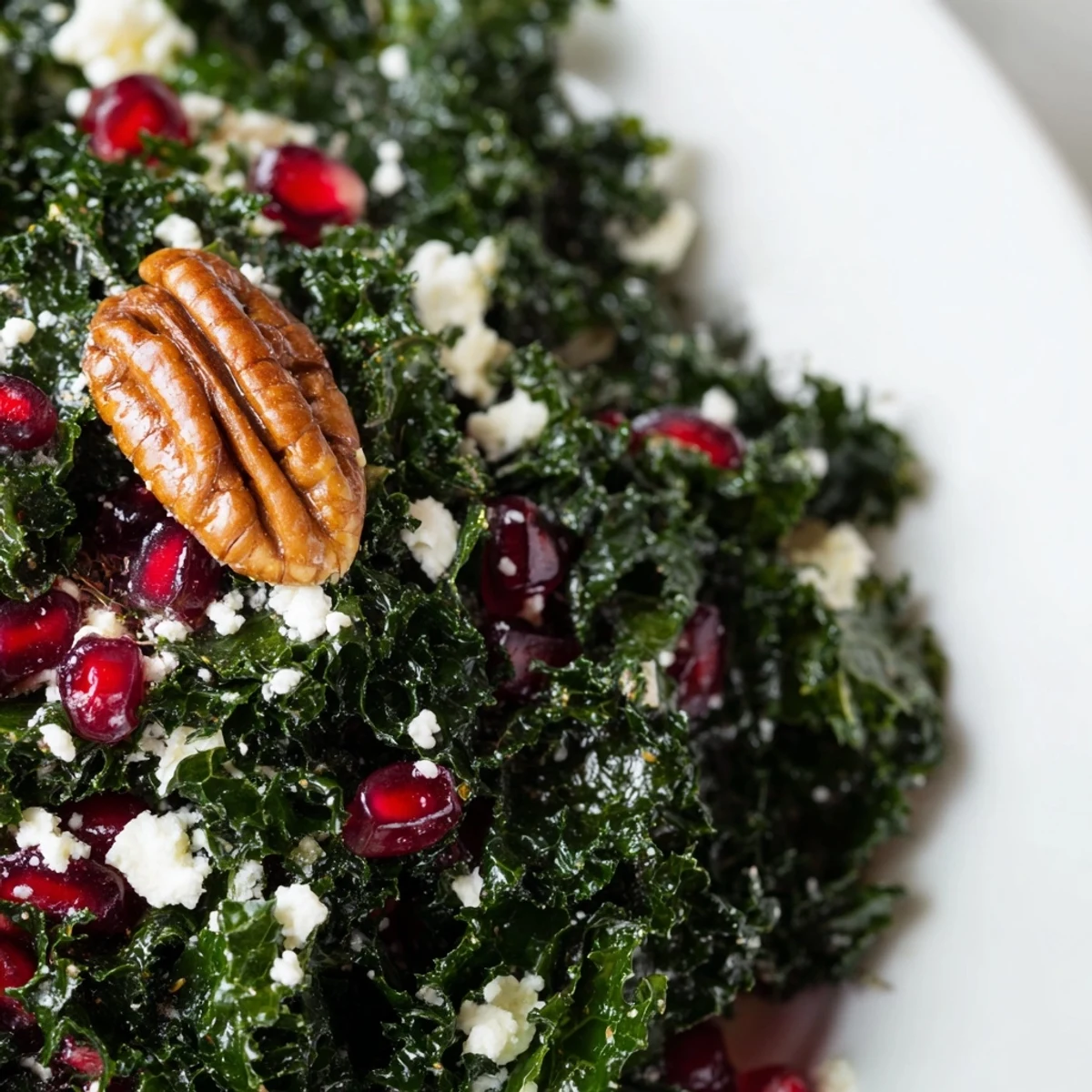
Save My daughter, who was going through a phase of eating only beige foods, actually asked for seconds of this salad and kept asking why it tasted like Christmas. That's when I realized good food isn't about tricking people into eating vegetables—it's about flavors so genuine that they stop noticing they're eating greens at all.
Why Kale Works Here
Kale gets unfairly maligned, but curly kale has a natural bitterness that pairs beautifully with bright citrus and sweet fruit—it's not trying to be lettuce, and it doesn't want to be. The texture, once massaged, is substantial enough to stand up to chunky toppings without wilting immediately, which means this salad can travel to a potluck or sit in your fridge without falling apart. I've learned that kale salads are actually more forgiving than delicate greens because the leaves have enough structure to hold up.
The Citrus Dressing Secret
The magic here isn't in any single ingredient but in the pairing of lemon and orange juice, which creates a complexity you can't achieve with either alone. The honey isn't just sweetness—it acts as an emulsifier, helping the oil and acid marry into something silky rather than separated and sharp. I learned this by accident one winter when I ran out of vinegar and started experimenting, and it fundamentally changed how I think about dressings.
Variations and Swaps
This salad is forgiving in the best way, and I've made it work with whatever's in season or on hand. In fall, I've added roasted beets and walnuts; in spring, sunflower seeds and fresh berries show up instead of pomegranate. The base—massaged kale plus a bright citrus dressing—stays the same, but the personality changes with what you layer on top.
- Swap pecans for walnuts, almonds, or roasted sunflower seeds depending on allergies or preference.
- Trade feta for goat cheese, aged cheddar, or omit entirely and let the citrus be the main flavor.
- Add thinly sliced radishes, roasted pumpkin seeds, or even shaved beets for extra color and crunch.
 Save
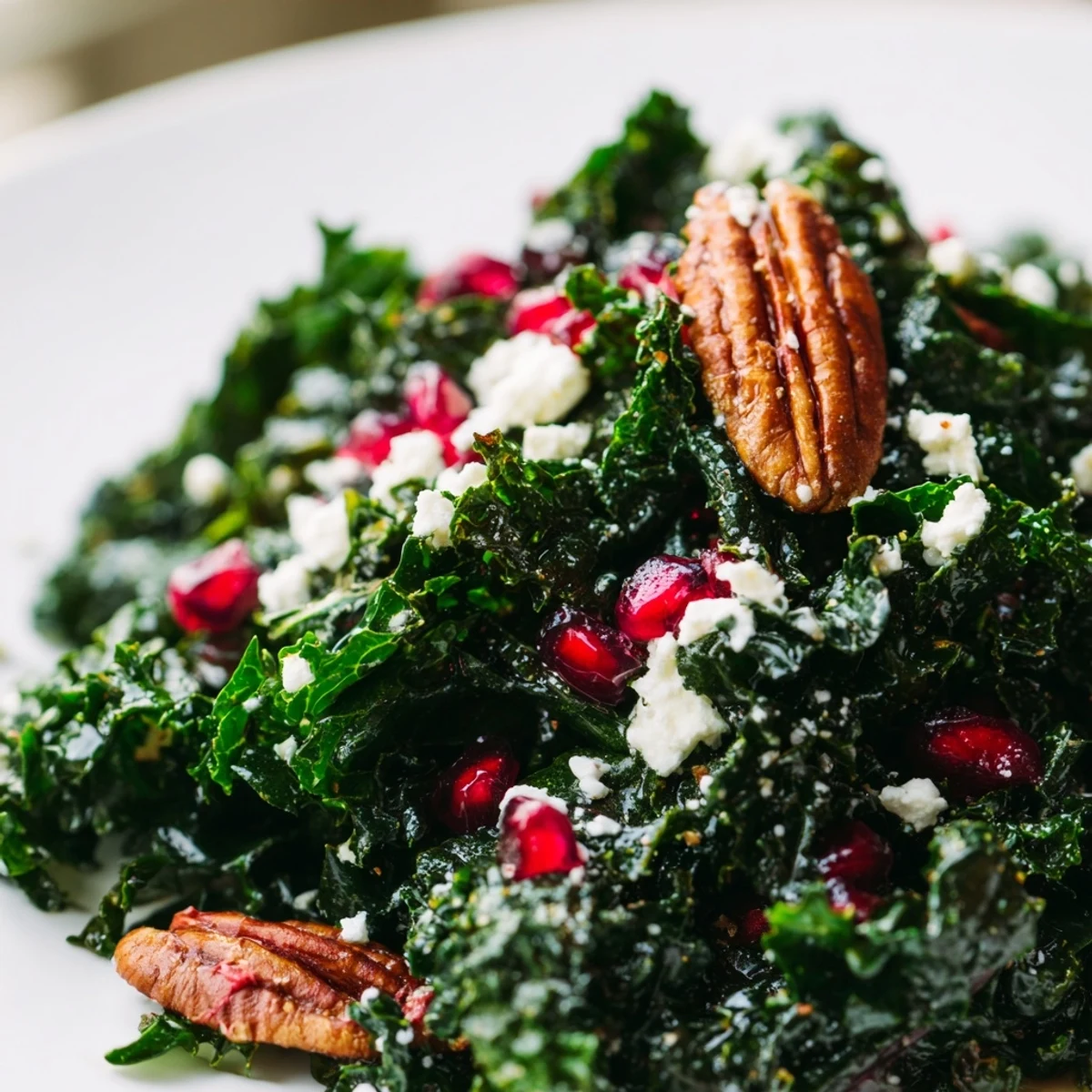
Save This salad has become my answer to the question of what to bring to winter gatherings—it looks beautiful, tastes bright, and somehow makes everyone feel a little better in the darkest part of the year. Make it for yourself first, though, and taste what it's like to eat food that nourishes you.
Recipe FAQs
- → How can I soften kale for this salad?
-
Massage chopped kale with a pinch of salt and a drizzle of olive oil for 2–3 minutes until the leaves become tender and dark green.
- → What alternatives can I use for pecans?
-
Walnuts or almonds make excellent substitutes for pecans, offering similar crunch and flavor.
- → Can the citrus dressing be adjusted?
-
Yes, you can tweak the balance of lemon and orange juice or substitute honey with maple syrup to suit your taste.
- → Is this dish suitable for vegan diets?
-
Omitting the feta cheese makes this salad appropriate for vegan preferences without sacrificing flavor.
- → What additional ingredients enhance texture?
-
Adding thinly sliced radishes or roasted pumpkin seeds brings extra crunch and freshness to the salad.