
 Save
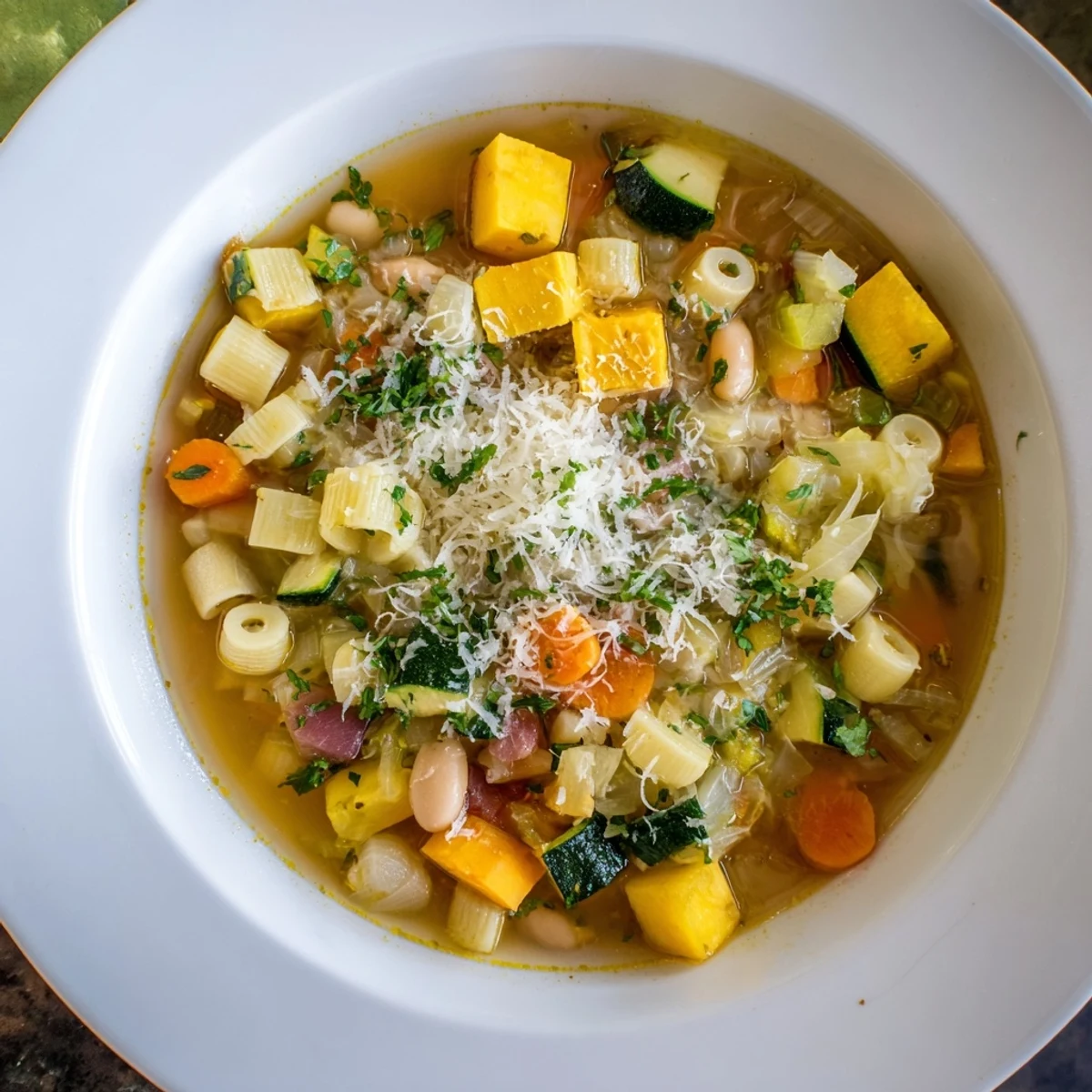
Save This Italian soup offers a comforting blend of seasonal winter vegetables such as parsnip, turnip, and savoy cabbage, combined with tender cannellini beans and small pasta shapes simmered in a rich tomato and herb broth. Olive oil, garlic, and fresh parsley add depth, while optional Parmesan provides a subtle richness. The soup is easy to prepare and delivers warmth and hearty flavors ideal for cold weather.
There's something about winter that demands a pot of minestrone simmering on the stove. I still remember the first time I made this soup on a particularly bitter February afternoon, when the kitchen needed warming as much as I did. The combination of humble vegetables and tender beans transformed a simple broth into something that felt like comfort itself, and I found myself making it again and again as the season deepened.
I remember the first time unexpected friends stopped by in November, and I had this minestrone simmering away. I worried it wasn't fancy enough, but watching them ask for second bowls and want the recipe told me everything. That soup became the reason I always keep these ingredients on hand.
Ingredients
- Olive oil: Use good quality olive oil here—it's one of the flavors you'll actually taste. I reach for a robust one for sautéing the aromatic vegetables.
- Yellow onion: The foundation of nearly every good soup. Dice it finely so it melts into the broth.
- Carrots: They add natural sweetness that balances the earthiness of winter vegetables. Peel them first for a lighter soup.
- Celery: The classic trio with onion and carrot—it's not negotiable, trust the combination.
- Parsnips: The ingredient that makes people ask what's in this soup. They bring a subtle sweetness and creaminess when they break down.
- Turnip: Often overlooked, but it adds a gentle peppery note that makes everything taste more interesting.
- Savoy cabbage: This variety is milder and more delicate than green cabbage, and it softens beautifully in the broth.
- Garlic: Mince it fine and add it just before the broth so it infuses without turning bitter.
- Potato: Helps create a naturally creamy texture as it breaks down. Don't skip it.
- Zucchini: Added near the end so it stays tender, not mushy. It adds freshness to the earthier vegetables.
- Diced tomatoes: The canned kind works wonderfully here—they're picked at peak ripeness and provide acidity that brightens the whole pot.
- Vegetable broth: This is where a quality broth makes a real difference. It's the backbone of the soup.
- Cannellini beans: Creamy white beans that add protein and substance. Drain them well so you control the broth consistency.
- Small pasta: Ditalini or small elbow pasta work best—they don't overpower the vegetables and cook in the same time as the broth simmers.
- Dried oregano and thyme: These dried herbs are perfect for long cooking. Add them early so they fully hydrate and release their flavor.
- Bay leaf: A quiet player that adds depth. Remember to remove it before serving.
- Salt and black pepper: Taste as you go. You'll need more than you think because the vegetables release water and dilute the seasoning.
- Fresh parsley: Stirred in at the very end so it stays bright and doesn't turn into the background.
- Parmesan and extra virgin olive oil: The garnishes that finish everything beautifully. A drizzle of excellent olive oil on top is never wasted.
Instructions
- Get Everything Ready:
- Dice all your vegetables before you begin. This is the honest work that makes everything else effortless. Keep your onion, carrots, and celery in one pile since they go in first. It's the smell of these three coming together that tells you everything is beginning well.
- Build Your Flavor Foundation:
- Heat the olive oil in a large pot over medium heat until it shimmers. Add the onion, carrots, and celery, and let them soften for about 5 minutes. You're not looking for color here—just tender and fragrant. Listen for the gentle sizzle and watch for the vegetables to turn translucent at the edges.
- Add the Winter Vegetables:
- Stir in the parsnips, turnip, and chopped cabbage. Let these cook for another 5 minutes, stirring occasionally. The cabbage will begin to wilt and release its sweetness. This is when the kitchen starts smelling like something special.
- Wake It Up With Garlic:
- Add the minced garlic and cook for just 1 minute, stirring constantly. You want it fragrant but never brown—brown garlic tastes bitter and ruins the whole pot. This is a short step but an important one.
- Build the Soup:
- Add the potatoes, zucchini, diced tomatoes with all their juices, vegetable broth, oregano, thyme, and bay leaf. Give everything a good stir so the seasonings distribute evenly. Increase the heat to bring it to a boil—you'll see steam rising and the surface beginning to bubble.
- Let It Simmer:
- Once it boils, reduce the heat to low, cover the pot, and let it simmer gently for 20 minutes. The vegetables need time to become tender without falling apart. You'll see bubbles rising lazily through the broth. The smell at this point is pure comfort.
- The Part Where Magic Happens:
- Add the drained cannellini beans and the small pasta, and stir well. Simmer uncovered for 10-12 minutes, stirring occasionally so the pasta doesn't stick to the bottom. Watch for the pasta to become tender but still with a slight firmness when you bite it—that's al dente. This is your cue that it's almost ready.
- Finish and Taste:
- Remove the bay leaf and taste carefully. Add more salt and pepper as needed—this is crucial because all those vegetables have released their water. Stir in the fresh parsley, which will brighten everything you've built.
- Serve with Love:
- Ladle the soup into bowls and top each one with a small handful of grated Parmesan and a final drizzle of excellent olive oil. The oil creates little flavor pockets, and the cheese adds richness. Serve while it's hot and steaming.
 Save
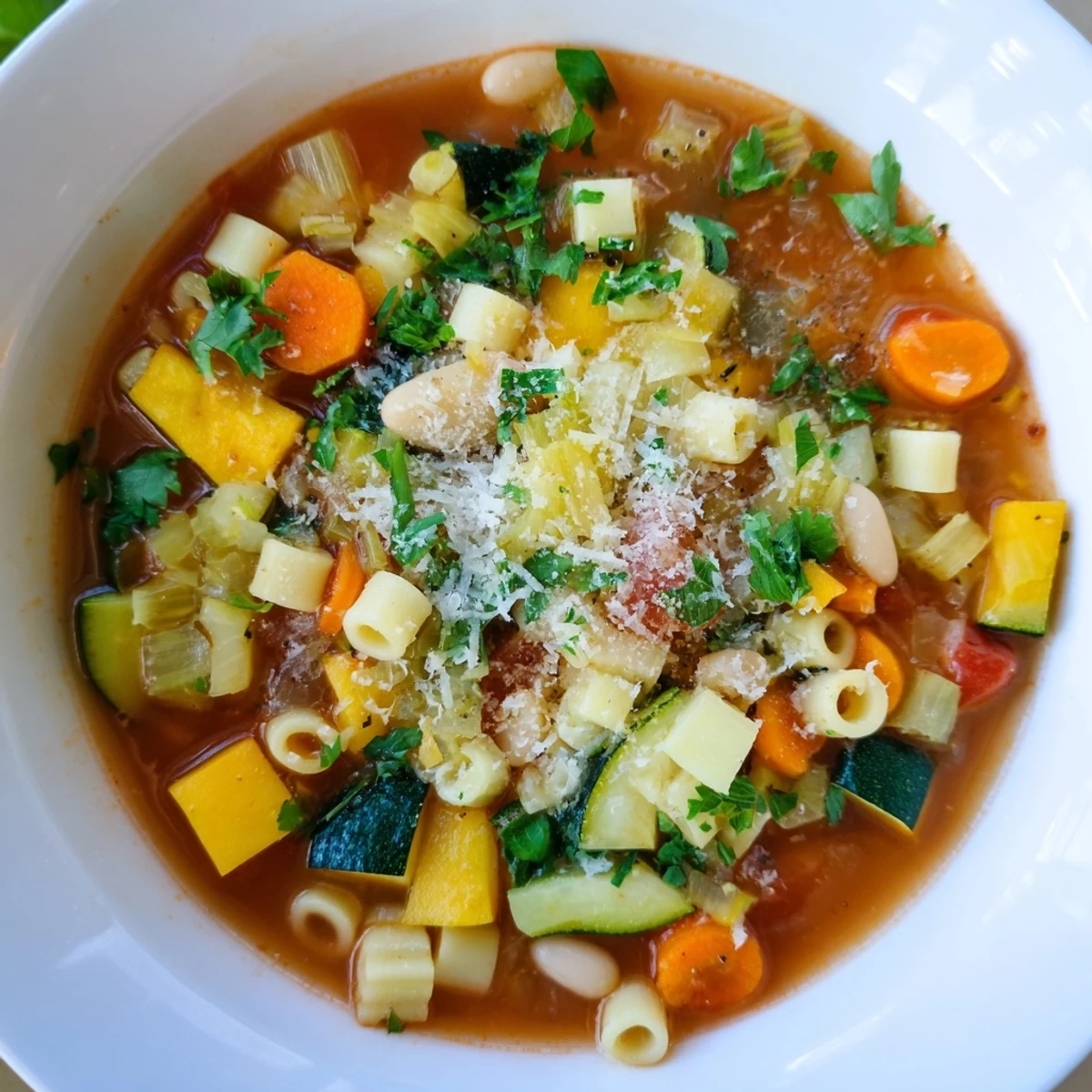
Save I'll never forget the year this soup became part of our winter tradition. What started as something I made on cold weekends became the thing people asked for when they were feeling under the weather, when they needed something nourishing, when winter felt too long. A bowl of this soup somehow made everything feel manageable.
Keeping It Fresh
Winter vegetables are at their peak from November through March, and this is exactly when minestrone belongs on your table. The vegetables are sweeter, more flavorful, and more affordable when they're in season. I always buy a little extra so I can make this soup twice in one week if the mood strikes.
When You're Missing Something
One of the greatest gifts of minestrone is that it forgives improvisation. Don't have parsnips? Use sweet potato instead. Missing savoy cabbage? Kale works beautifully and adds an almost mineral note. Out of fresh parsley? Basil at the end is a different but equally lovely direction. The only non-negotiable elements are the aromatics (onion, carrot, celery), the broth, and the beans.
Serving Ideas That Clicked
This soup is perfect on its own, but I've learned a few things about making it a complete meal. A thick slice of crusty bread, preferably from yesterday so it has some structure, is essential for dipping. I also love pairing it with a simple green salad dressed with lemon and olive oil to cut through the richness. On very cold nights, a glass of light Italian white wine alongside makes it feel like dinner rather than just lunch.
- Toast thick slices of bread with a little olive oil and garlic, then serve alongside for dipping
- Grate fresh Pecorino Romano over the top instead of Parmesan for a sharper, more aged flavor
- Stir a spoonful of pesto into individual bowls right before serving for a completely different direction
 Save
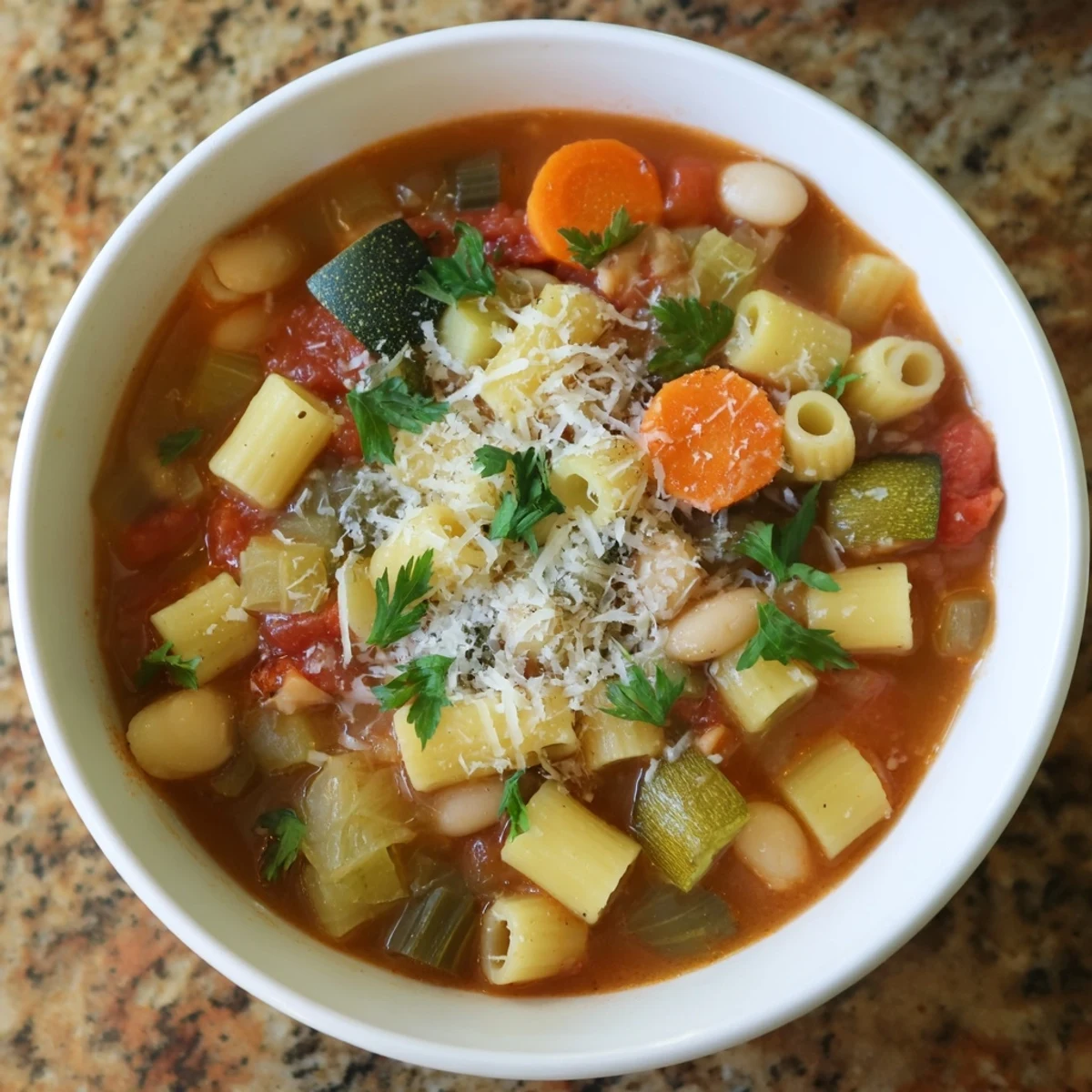
Save Minestrone is the kind of soup that improves with attention but never requires fussing. Make it once and you'll understand why Italian grandmothers have been perfecting this recipe for generations.
Recipe FAQs
- → What are the key vegetables used in this soup?
-
The soup features winter vegetables including carrots, celery, parsnips, turnip, savoy cabbage, potatoes, and zucchini.
- → How long does it take to cook the soup?
-
After sautéing the initial vegetables, the soup simmers for about 30 minutes total to ensure all ingredients become tender and flavors meld.
- → Can the pasta be substituted?
-
Yes, small pasta shapes like ditalini or elbow macaroni work well, but gluten-free pasta is a suitable alternative for dietary needs.
- → What herbs enhance the flavor?
-
Dried oregano, thyme, and bay leaf infuse the broth with aromatic and savory notes, complemented by fresh parsley added at the end.
- → Is there a way to make the dish vegan?
-
To keep it vegan, omit the Parmesan cheese or use a plant-based alternative while keeping the rest of the ingredients unchanged.