
 Save
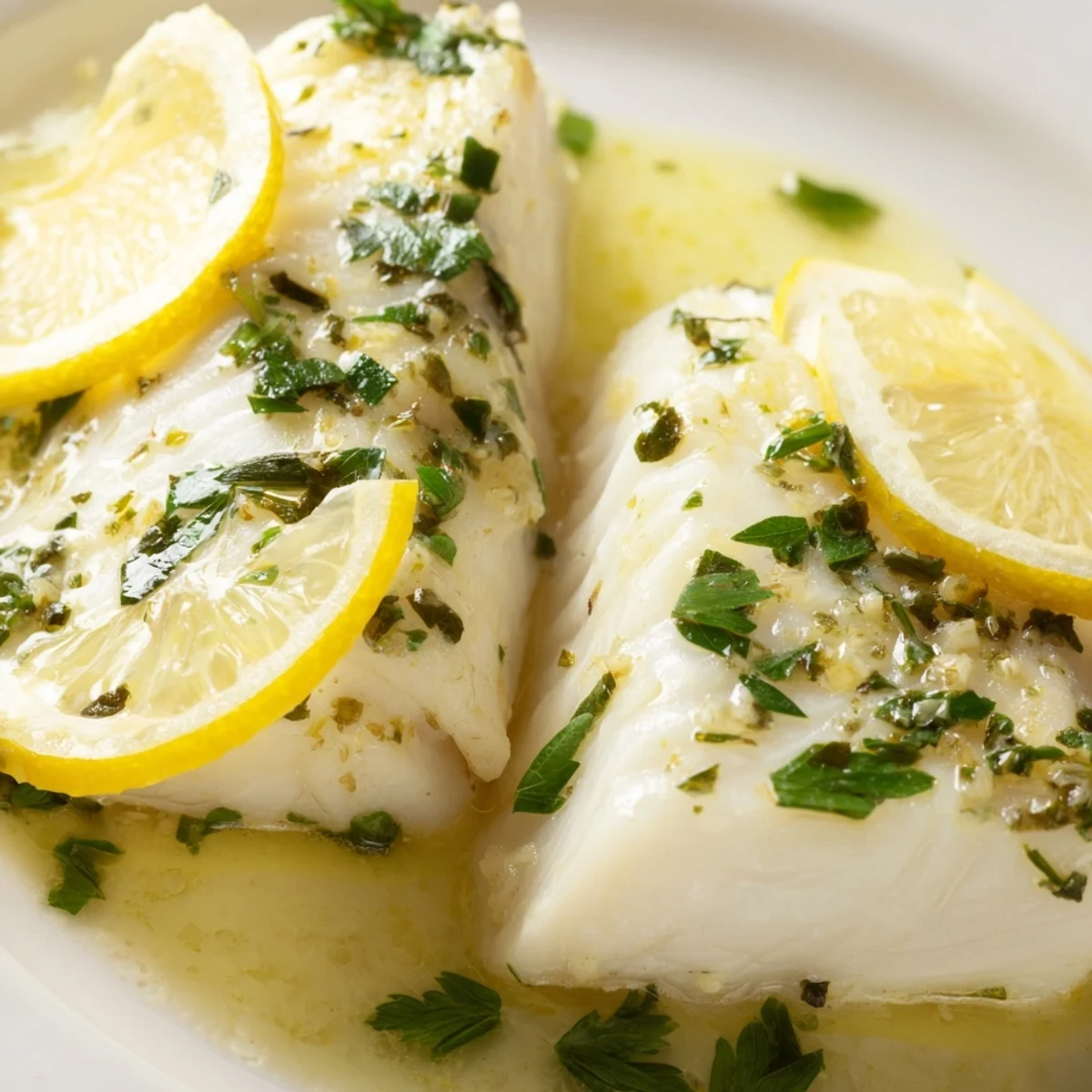
Save This dish features tender, flaky halibut fillets baked to perfection, then topped with a luscious lemon butter sauce. The sauce combines melted butter, fresh lemon juice, zest, garlic, and parsley to create a bright, flavorful complement enhancing the mild fish. Simple to prepare yet elegant, it suits both weeknight dinners and special occasions. Serve with steamed vegetables or roasted potatoes for a balanced, gluten-free, and pescatarian-friendly meal.
The first time I truly understood what elegant simplicity meant in cooking was standing in my kitchen on a quiet Tuesday, holding a perfectly fresh halibut fillet under the light. My neighbor had just dropped off this pristine piece from the market, and I suddenly realized that some dishes don't need layers of complexity to shine—they need respect for their main ingredient. That evening, I made this baked halibut with lemon butter sauce, and it became the recipe I return to whenever I want to feel like I've created something restaurant-quality without the stress.
I remember the first time I served this to my sister, who claimed she didn't really like fish. She took one bite and went quiet—that specific kind of quiet that means something just shifted. She asked for the recipe before she'd even finished her plate, and now she makes it more often than I do. It's become our thing, this meal that somehow convinced a fish skeptic.
Ingredients
- Halibut fillets (6-ounce, skinless): Look for fillets that are milky white and smell briny, never fishy—that's your sign of freshness, and it makes all the difference in how delicate the final dish tastes.
- Olive oil: Just enough to coat the fish lightly before it goes into the oven; this keeps it moist and prevents sticking.
- Kosher salt and freshly ground black pepper: Don't skip the grinding step here—pre-ground pepper loses its brightness and you'll taste the difference.
- Unsalted butter: This is where the sauce gets its soul; use real butter, not a substitute, because it matters.
- Fresh lemon juice: Squeeze it yourself rather than using bottled; the flavor is alive and sharp in a way that bottled juice simply can't match.
- Lemon zest: This tiny bit of citrus oils is what makes people ask what's in the sauce—it's that secret ingredient feeling.
- Fresh parsley: Added at the end so it stays bright green and herbaceous, not cooked into submission.
- Garlic clove (minced): Just one small clove, because we want it to whisper in the background, not announce itself.
Instructions
- Heat your oven and prep:
- Preheat to 400°F and lightly grease your baking dish—this simple step prevents the delicate fish from sticking and tearing when you plate it. Make sure the dish is large enough that the fillets aren't crowded together.
- Dry and season the fish:
- Pat each fillet completely dry with paper towels; this is the secret to getting them to bake evenly and stay tender. Brush with olive oil on both sides and season gently—the salt will draw out the fish's natural sweetness if you let it sit for just a minute before baking.
- Bake until just opaque:
- Slide the fillets into the oven and set your timer for 12 to 15 minutes, checking around the 12-minute mark by flaking the thickest part with a fork. The moment it becomes opaque all the way through is exactly when you want to pull it out—one minute more and you've crossed into dry territory.
- Build the lemon butter sauce:
- While the fish bakes, melt butter in a small saucepan over medium heat and add your minced garlic, listening for it to become fragrant—this takes about 30 seconds and fills your kitchen with the most welcoming smell. Stir in the lemon juice, zest, salt, and pepper, then remove from heat before adding the fresh parsley so its color stays bright.
- Plate and finish:
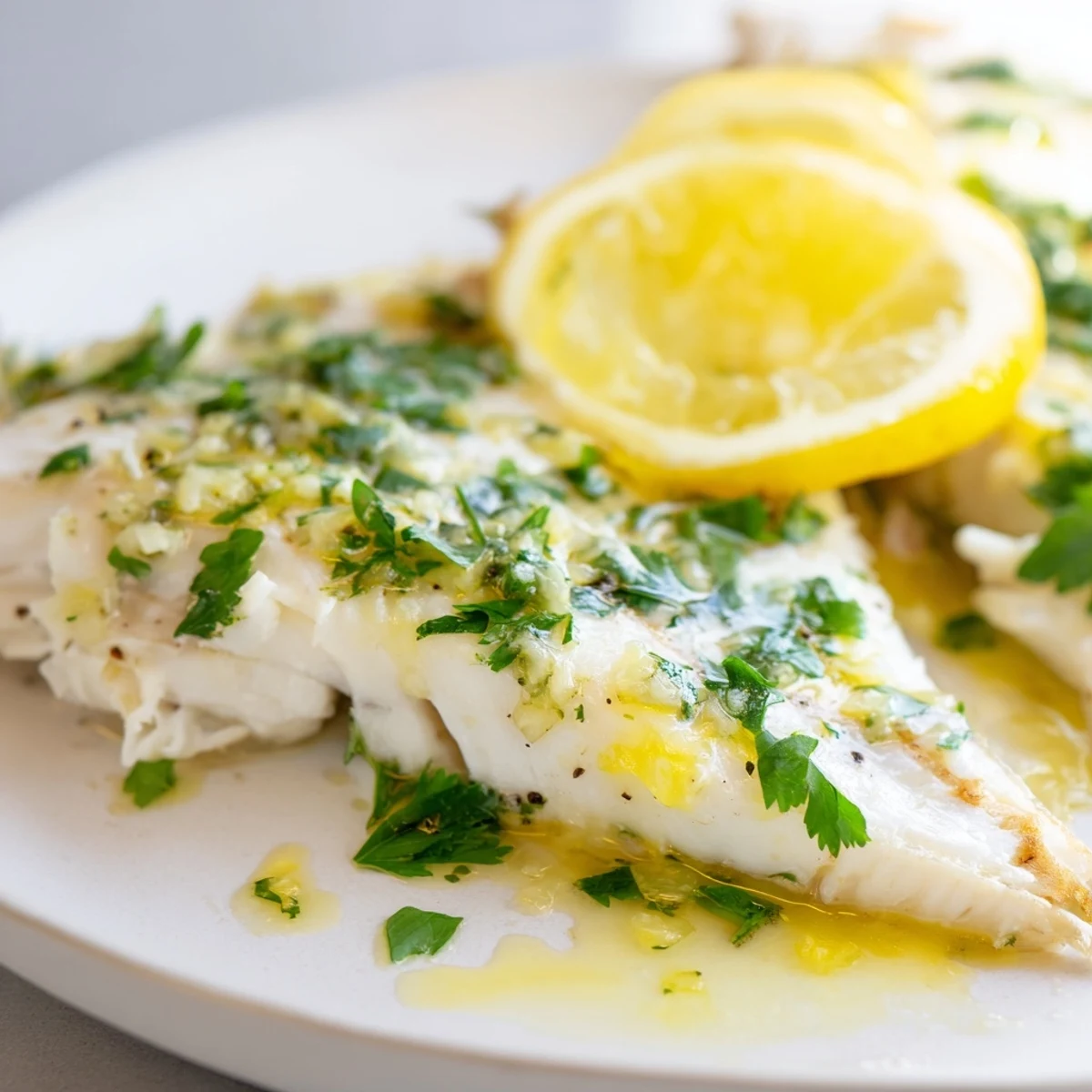
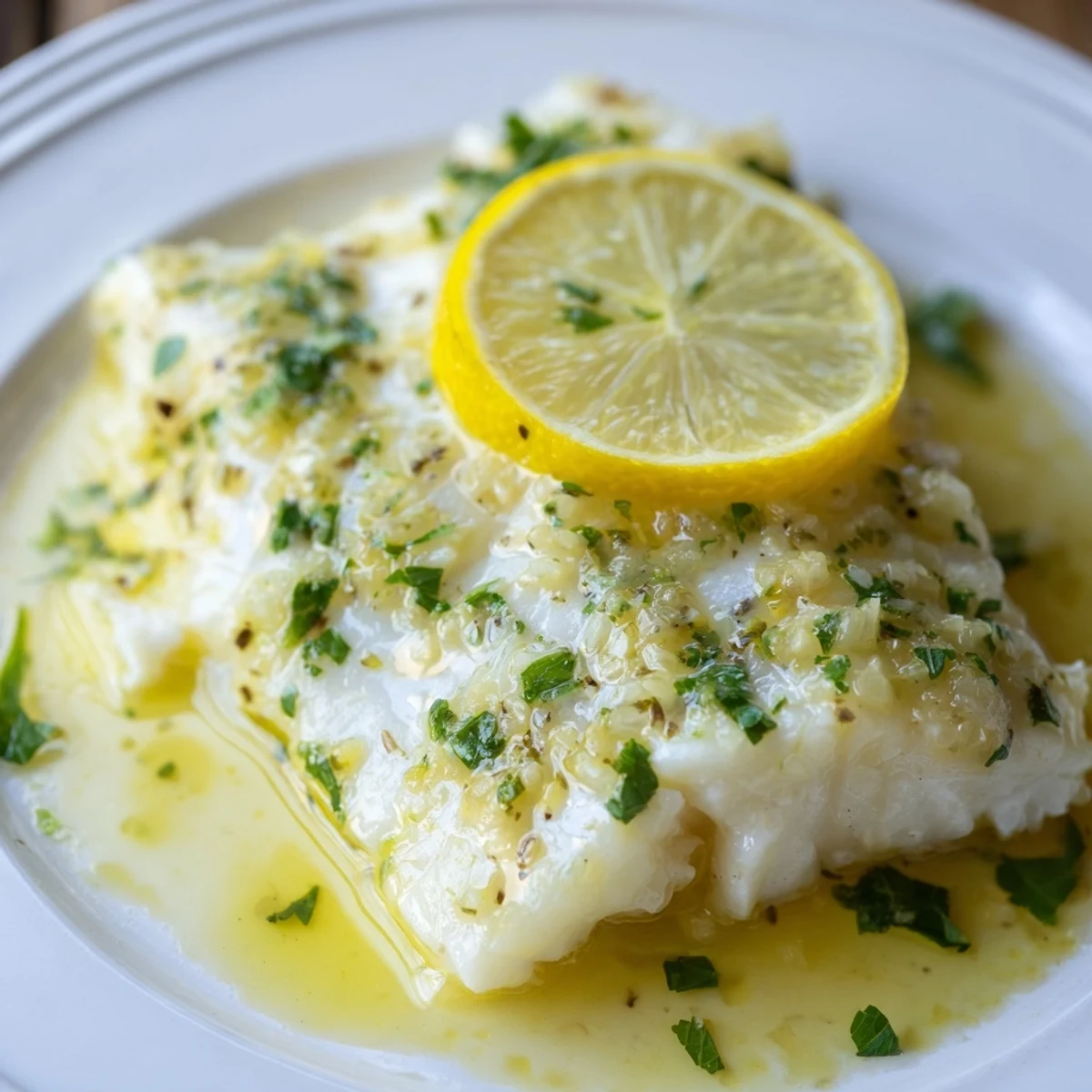
- Transfer each fillet to a warm plate and spoon the sauce generously over the top, letting it pool around the edges. Garnish with lemon slices and extra parsley if you're feeling fancy.
 Save
Save There was an evening when my teenage daughter brought a friend home unexpectedly right around dinner time, and I made this dish without hesitation. The friend's mother called the next day to ask how I made fish that was 'actually good,' and I realized that's when a recipe has truly earned its place in your rotation—when it makes you look like an effortless chef and somehow feels like both comfort and celebration at once.
Why This Fish Stays So Tender
Halibut has a naturally delicate texture that's more forgiving than some whitefish, but the real magic is in not overcooking it. The short baking time and the gentle heat mean the flesh stays moist and flaky rather than turning into dry, rubbery pieces. I've learned to use the 'fork test' almost religiously—the moment the fish flakes easily without resistance, it's done.
Building a Sauce That Doesn't Overshadow the Fish
The lemon butter sauce is intentionally light and bright so it complements the halibut rather than drowning it. The butter adds richness and carries the flavors, but the lemon juice and zest keep everything feeling fresh and balanced. I've tried making this with heavy cream or wine, and somehow it always felt like the sauce was trying too hard—this simpler version lets the fish be the star.
Serving Ideas and Small Details That Matter
I serve this with something soft like steamed asparagus or roasted potatoes, something that won't compete with the delicate fish. The whole meal comes together in about thirty minutes, which means you can actually enjoy your dinner instead of spending the evening in the kitchen. It's the kind of dish that feels impressive enough for guests but easy enough that weeknight versions don't feel stressful.
- A crisp white wine like Sauvignon Blanc or Pinot Grigio pairs beautifully and echoes the lemon in the sauce.
- If you want to make it even more special, try a splash of white wine in the sauce itself—just add it right after you melt the butter.
- Leftover fish actually reheats well gently in the oven at 300°F if you have any (though I rarely do).
 Save
Save This recipe became my answer whenever someone asked how to cook fish at home without fear. It's turned skeptics into believers and made ordinary weeknights feel a little more special.
Recipe FAQs
- → How do I ensure the halibut stays moist when baking?
-
Patting the fillets dry before brushing with olive oil and baking at 400°F helps retain moisture. Avoid overbaking to keep the fish tender.
- → What can I substitute if I don't have halibut?
-
Cod, haddock, or sea bass are excellent alternatives that bake well and pair nicely with lemon butter sauce.
- → Can I prepare the lemon butter sauce ahead of time?
-
Yes, you can prepare the sauce shortly in advance and gently rewarm it before pouring over the baked fillets.
- → What side dishes complement this halibut preparation?
-
Steamed asparagus, roasted potatoes, or a crisp green salad all pair beautifully with the bright lemon butter flavors.
- → Is there a way to add extra depth to the sauce?
-
Adding a splash of white wine while melting the butter can enrich the sauce with additional flavor notes.