
 Save
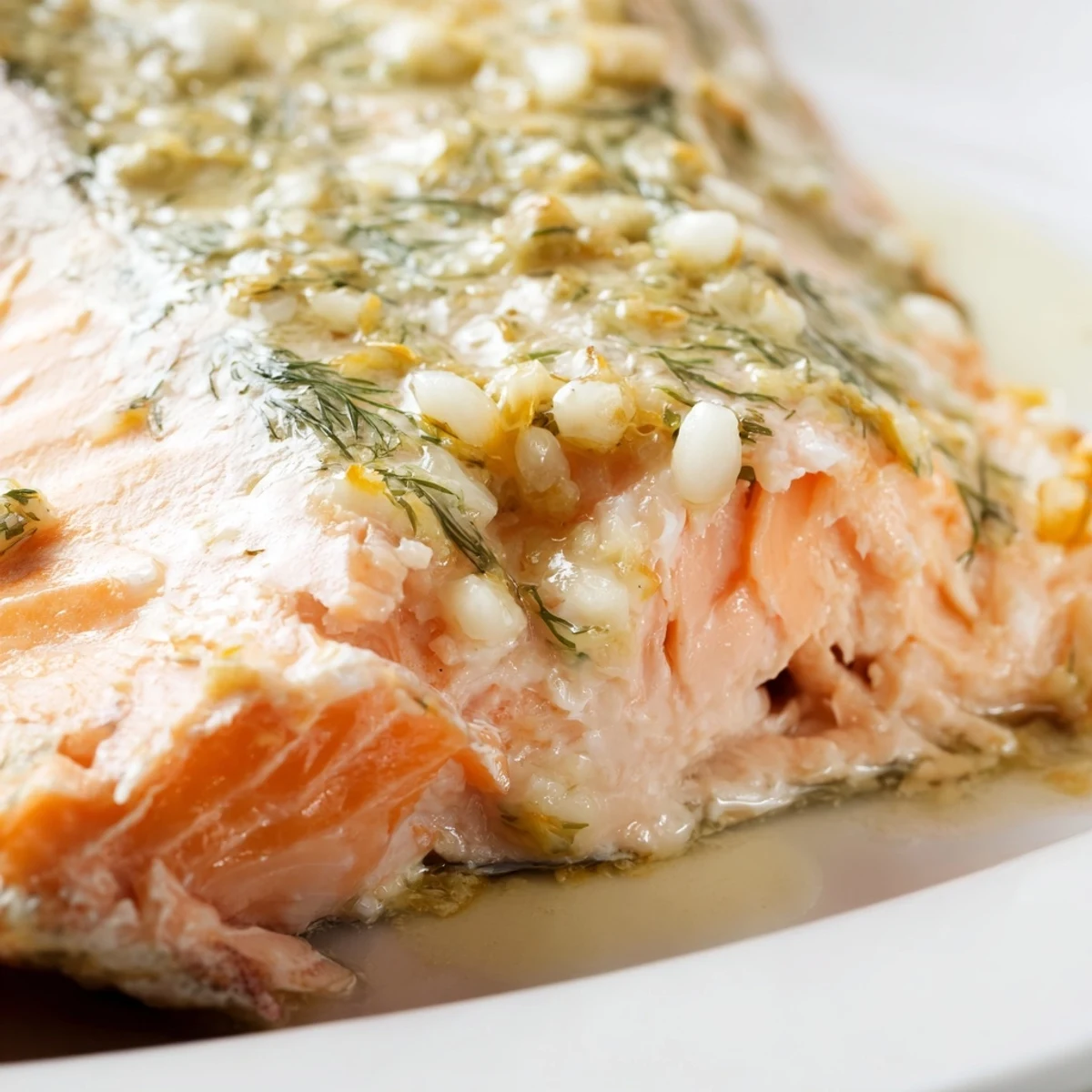
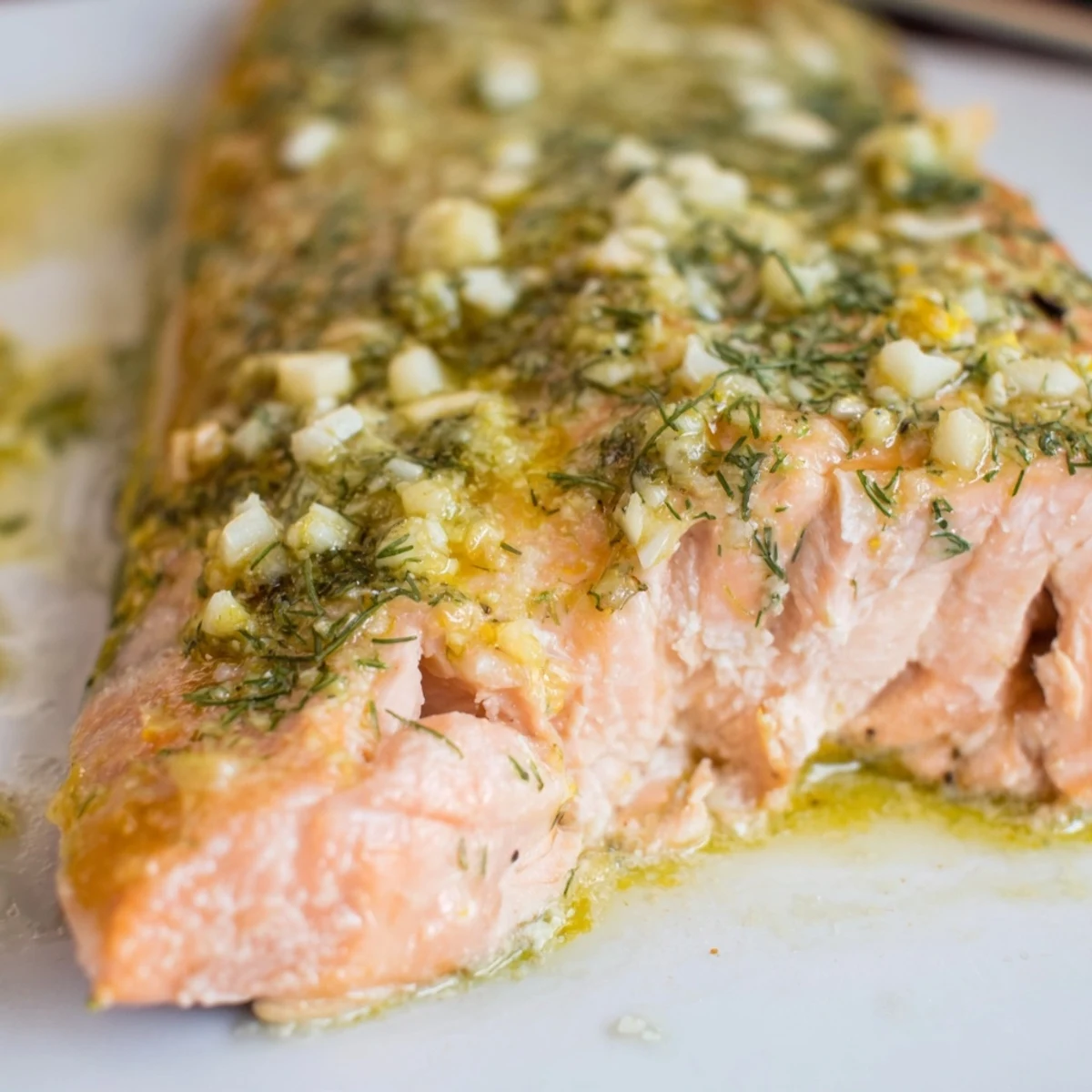
Save Salmon fillets are oven-baked until tender and flaky, then coated with a vibrant dill and lemon butter sauce that enhances the fish's rich flavor. This dish requires minimal prep and cooks quickly, making it perfect for both weeknight dinners and special occasions. The butter sauce combines fresh dill, lemon zest, and juice with garlic, adding brightness and a hint of herbaceous aroma. Garnished with lemon slices and fresh dill, it pairs well with steamed vegetables or roasted sides.
There's something about the smell of lemon and dill hitting hot butter that instantly makes a weeknight feel special. I discovered this salmon dish years ago when a friend insisted I stop overthinking dinner and just let good ingredients do the talking. Twenty-eight minutes later, I had something that looked restaurant-worthy and tasted even better. Now it's my go-to when I want to impress without the stress.
I made this for my mom on her birthday, and watching her taste that first bite told me everything. She closed her eyes and smiled like she was tasting something from a memory, even though neither of us had eaten it before. That's when I realized elegant doesn't have to mean complicated.
Ingredients
- Salmon fillets (4, about 170g each): Look for firm, bright pink flesh without a strong fishy smell. Pat them dry before cooking so they develop a gentle, even cook.
- Olive oil (1 tablespoon): Use a decent quality oil to help the salmon stay moist and pick up flavor.
- Salt and black pepper: Season generously but taste as you go because the butter sauce adds its own seasoning.
- Unsalted butter (4 tablespoons): This is where the magic happens, so don't skip it or use margarine.
- Fresh dill (2 tablespoons chopped): Fresh is essential here because dill's bright, delicate flavor is what makes this sauce sing.
- Garlic (1 clove, minced): Mince it fine so it melts into the butter without overpowering anything.
- Lemon zest and juice: The zest adds aroma and the juice brings acid that balances the richness beautifully.
- Lemon slices and extra dill for garnish: These finish the plate with color and a final hint of flavor.
Instructions
- Prep your pan and heat your oven:
- Line a baking sheet with parchment paper and preheat your oven to 200°C (400°F). This setup means easy cleanup and even, reliable heat.
- Season and arrange the salmon:
- Pat each salmon fillet dry with paper towels so it doesn't steam. Arrange them on the sheet, drizzle lightly with olive oil, and season both sides with salt and pepper.
- Bake the salmon:
- Slide it into the oven for 12 to 15 minutes, depending on thickness. You'll know it's done when the flesh is opaque and flakes gently with a fork.
- Build the sauce while salmon bakes:
- In a small saucepan over medium heat, melt the butter. Once it's foaming, add minced garlic and let it toast for about 30 seconds until it smells incredible.
- Finish the sauce:
- Stir in the fresh dill, lemon zest, lemon juice, salt, and pepper. Let it bubble gently for another minute, then take it off the heat so the dill stays bright and fresh.
- Plate and serve:
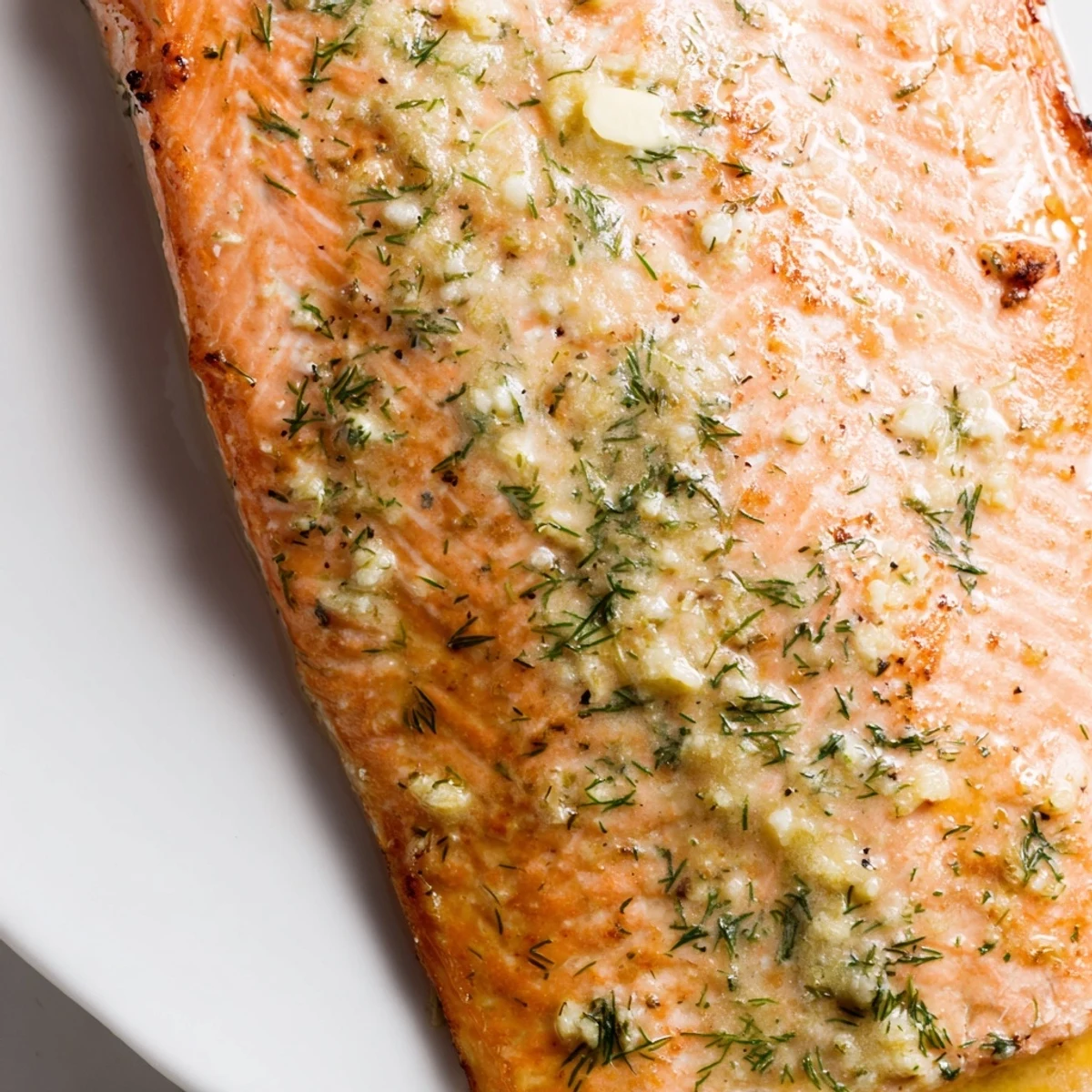
- Transfer each cooked salmon fillet to a plate, spoon that warm, golden sauce over the top, and garnish with lemon slices and a pinch more dill. Serve immediately while everything's warm.
 Save
Save The first time someone asked me for the recipe, I realized this simple dish had become something I made instinctively, the way you reach for a favorite sweater without thinking. It's become the meal that reminds me cooking doesn't need to be complicated to feel thoughtful.
Timing and Temperature Matter
Salmon is one of those proteins where a few degrees or minutes make a real difference. I learned to invest in an instant-read thermometer because the internal temperature should hit 63°C (145°F) for perfectly cooked, moist salmon. Going by time alone means risking either underdone or dried-out fish, and the thermometer takes the guesswork out.
Building Flavor Without Fuss
The magic of this dish lives in respecting each ingredient's job. The lemon brings brightness, the dill adds herbaceousness, the garlic deepens it all, and the butter carries everything to your tongue. I once tried skipping the zest thinking the juice alone would be enough, and the sauce felt flat and one-dimensional. That taught me that zest adds aroma and complexity that juice alone can't match.
Ideas for Serving
This salmon sings alongside roasted asparagus, creamy mashed potatoes, or a crisp green salad. I've also served it with baby potatoes tossed in the leftover sauce, which means nothing goes to waste and everything tastes more connected. A cold glass of Sauvignon Blanc or Chardonnay beside it rounds out the meal in a way that feels effortless.
- Steamed or roasted asparagus soaks up that butter sauce in the best way.
- If you want something starchy, creamy potatoes or even buttered rice work beautifully.
- A simple dressed salad with greens and a light vinaigrette keeps things balanced and fresh.
 Save
Save This salmon has become my answer when I want to cook something that feels both special and honest. It's the kind of meal where people look at their plate, take a bite, and remember why they love eating well.
Recipe FAQs
- → How do I know when the salmon is perfectly cooked?
-
Look for opaque flesh that easily flakes with a fork, usually after 12-15 minutes in a 200°C (400°F) oven.
- → Can I use skin-on salmon fillets?
-
Yes, either skin-on or skinless fillets work well; skin can help retain moisture during baking.
- → What can I substitute if fresh dill is unavailable?
-
Parsley or chives make good alternatives, providing fresh herbal notes without overpowering the dish.
- → How should I store leftovers?
-
Refrigerate cooked salmon in an airtight container for up to 2 days, and reheat gently to avoid drying out.
- → What sides complement this salmon dish?
-
Steamed asparagus, roasted potatoes, or a crisp green salad pair beautifully with the lemon dill butter flavors.
- → Is there a way to lighten the butter sauce?
-
Substitute half the butter with olive oil to reduce richness while maintaining flavor.