
 Save
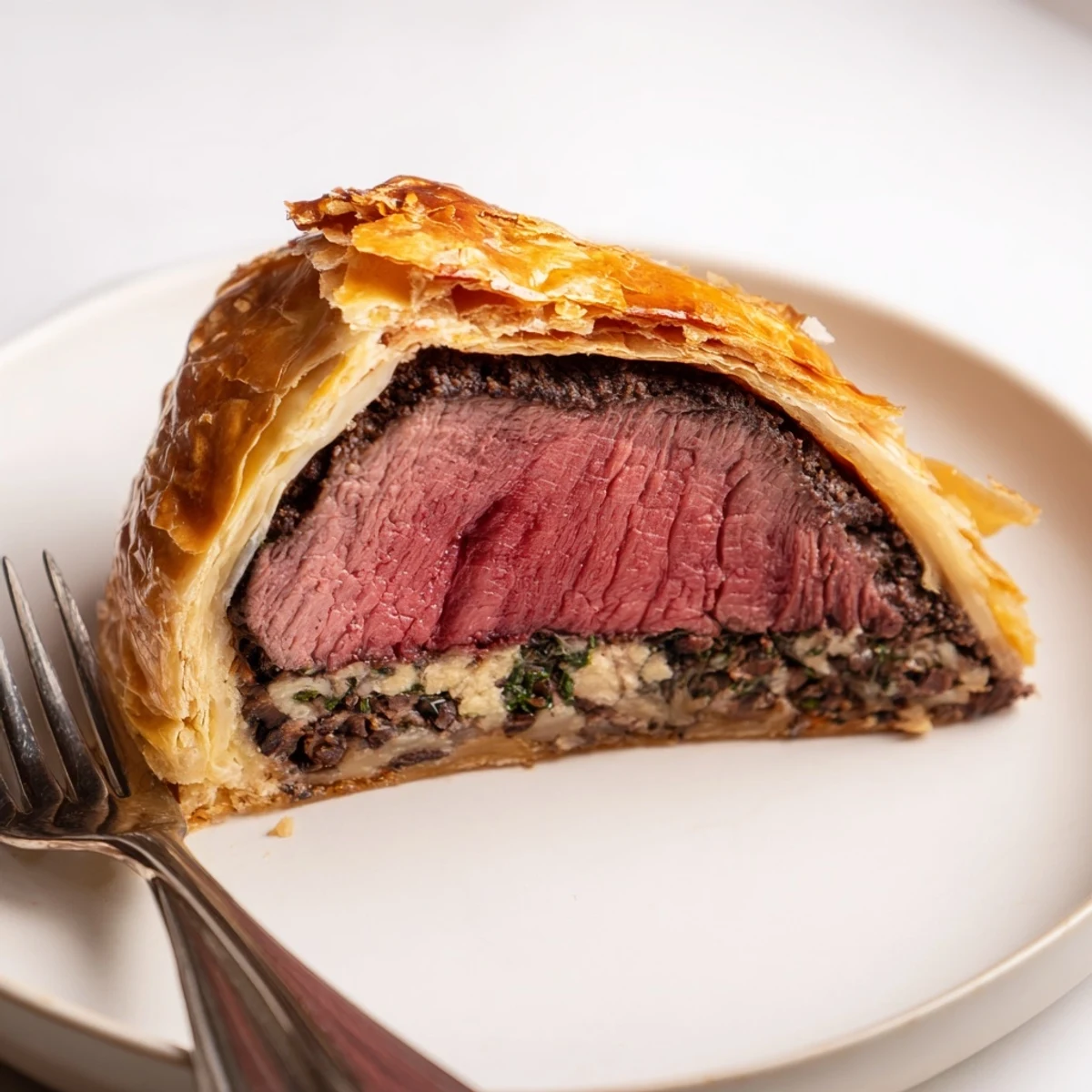
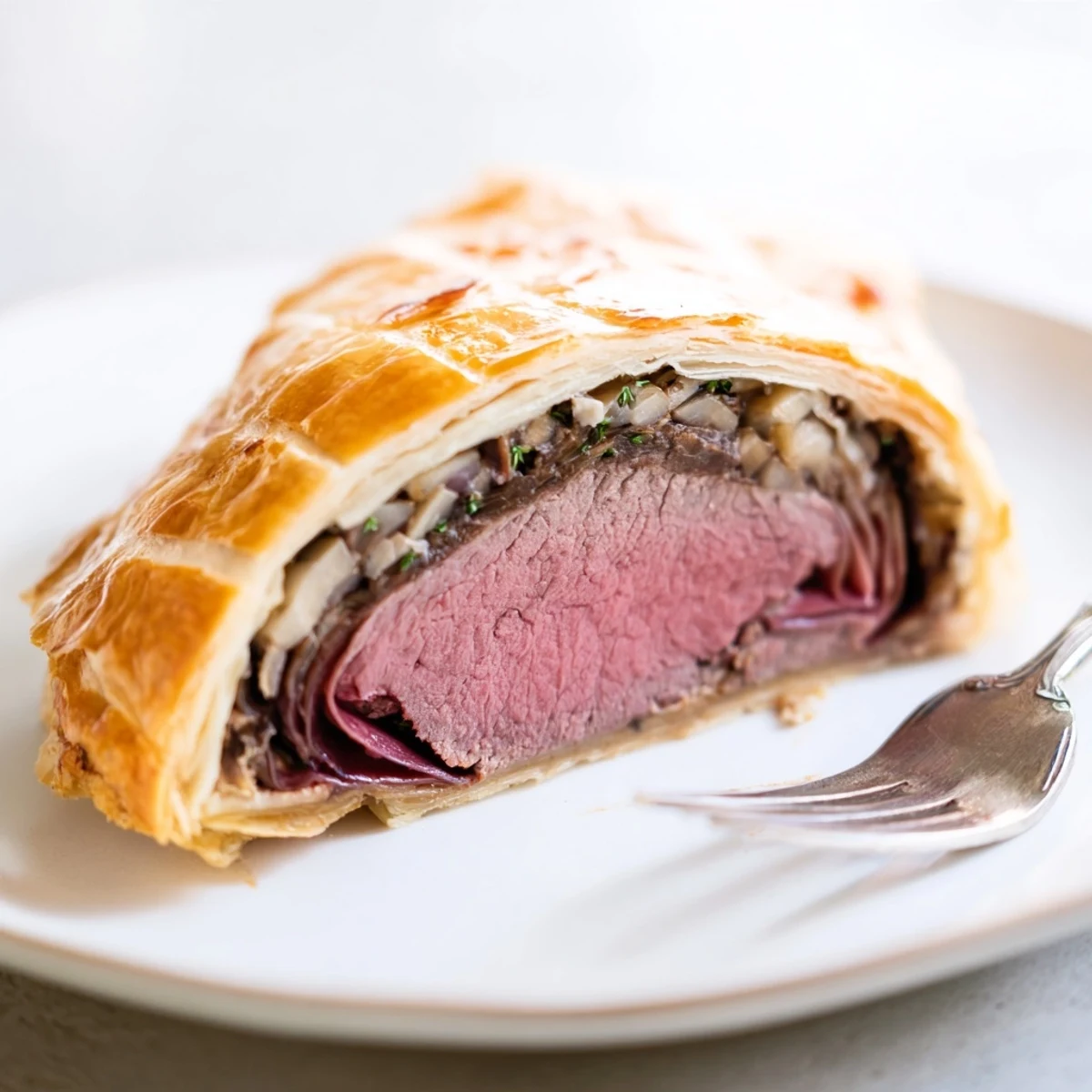
Save This dish highlights a premium beef fillet seared and coated with fragrant mushroom duxelles made from cremini mushrooms, shallots, garlic, and thyme. Wrapped in thin prosciutto slices and wrapped again in crisp, golden puff pastry, it bakes to a rich medium-rare center with a flaky crust. The layered umami of mushrooms with tender beef creates an elegant and flavorful centerpiece perfect for special occasions. Resting before slicing ensures juicy, tender results.
The first time I encountered a Beef Wellington in the wild, I was standing in my aunt's cramped galley kitchen during a thunderstorm, watching her wrestle with a slab of pastry that seemed determined to tear itself apart. She muttered something about the mushrooms needing to be "dry as a bone" while I hovered uselessly, holding a whisk I wasn't trusted to use. That Wellington emerged from the oven looking like a golden brick, and when she sliced it, the silence that fell over the table felt almost religious.
I made this for my father's sixtieth birthday, convinced I would ruin it, and spent the entire morning checking and rechecking the thermometer like it might lie to me. My sister kept wandering into the kitchen asking if she could help, and I kept shooing her away because the pastry was at that fragile stage where one wrong touch meant disaster. When it finally emerged, he cut the first slice and simply nodded, which from him was the equivalent of a standing ovation.
Ingredients
- Beef tenderloin: The center cut is non-negotiable for even cooking; ask your butcher to trim the chain and silverskin, or do it yourself with a sharp boning knife and patience.
- Cremini or button mushrooms: Finely chopped by hand or pulsed in a food processor until they resemble coarse crumbs, not paste, which is the line between duxelles and mushroom soup.
- Shallots and garlic: The aromatic foundation that makes your kitchen smell like somewhere you want to stay for hours.
- Fresh thyme: Strip the leaves from the stems by running your fingers backward along the sprig; dried thyme will work but lacks the bright, almost citrusy lift.
- Prosciutto: Thin slices that overlap like shingles, creating a moisture barrier that keeps the pastry crisp; Parma ham substitutes beautifully if you prefer its sweeter note.
- Dijon mustard: The sharp, vinegary kick that cuts through all the richness; brush it on while the beef is still warm so it adheres properly.
- Puff pastry: All-butter if you can find it, thawed overnight in the refrigerator, never on the counter where it turns gummy.
- Egg: Beaten with a splash of water for an egg wash that bakes to a deep amber gloss.
Instructions
- Sear the beef:
- Season the tenderloin aggressively with salt and pepper, then roll it in a screaming hot skillet until every surface wears a caramelized crust. Let it cool completely on a rack so the mustard you brush on next does not cook or slide off.
- Make the duxelles:
- Sauté shallots and garlic in butter until they soften and turn translucent, then add the mushrooms and thyme and cook until the mixture clings to itself and leaves a dry trail when dragged across the pan. Spread it on a plate to cool; warm duxelles will steam the prosciutto and ruin your crisp pastry.
- Build the prosciutto blanket:
- Lay overlapping slices of prosciutto on plastic wrap to form a rectangle slightly larger than your beef, then spread the cooled duxelles in an even layer no thicker than a quarter inch. Place the mustard-coated beef at one end and roll tightly, twisting the plastic ends to compress everything into a firm cylinder.
- Wrap in pastry:
- Roll the puff pastry on a lightly floured surface to a rectangle that will encase the beef with an inch to spare, then unwrap the chilled beef log and place it seam-side down in the center. Fold the pastry over, trim excess, and press the seam with your fingers or the back of a fork.
- Chill and glaze:
- Rest the wrapped Wellington in the refrigerator for at least fifteen minutes to firm the pastry, then brush with egg wash and score lightly with a sharp knife if you want the classic diamond pattern. A second chill after glazing prevents the pastry from slumping in the oven's initial heat.
- Roast and rest:
- Bake until the pastry is deeply golden and the internal temperature reads your desired doneness, remembering that carryover cooking will raise it another five degrees as it rests. The waiting is torture but non-negotiable; cut too soon and the juices flood the plate instead of staying in the meat.
 Save
Save Last Christmas I watched my niece, who claims to hate mushrooms, take a second helping without comment, and I decided that was enough of a victory to last the year. Some dishes earn their place in your repertoire not because they are easy but because they remind you that effort and care still matter, even in a world of thirty-minute meals.
The Right Tools Make the Difference
A heavy skillet that holds heat without scorching, an instant-read thermometer you trust more than your own intuition, and plastic wrap that does not tear when you twist it tight are the quiet heroes of this recipe. I once tried using a lightweight pan and ended with gray, steamed beef instead of browned; the equipment matters more than the ego that insists otherwise.
Reading Your Pastry
Puff pastry speaks if you know how to listen. When it is cold enough, it feels firm and slightly resistant; too warm and it becomes limp and greasy under your fingers. If you find yourself fighting it, step away and chill it again rather than forcing it into submission, because pastry remembers rough treatment and repays it with shrinkage and tears.
Timing for a Crowd
This Wellington does not wait for guests; guests wait for Wellington, so build your evening around its schedule rather than trying to bend it to yours. The duxelles can be made days ahead, the assembly completed hours before, and the final baking happens while everyone is sipping their first glass of wine and pretending not to stare at the oven window.
- Slice with a serrated knife using long, confident strokes rather than sawing back and forth.
- Save any mushroom duxelles that escapes the roll and spoon it alongside as a rustic sauce.
- A thermometer is cheaper than a ruined tenderloin, so use it without shame.
 Save
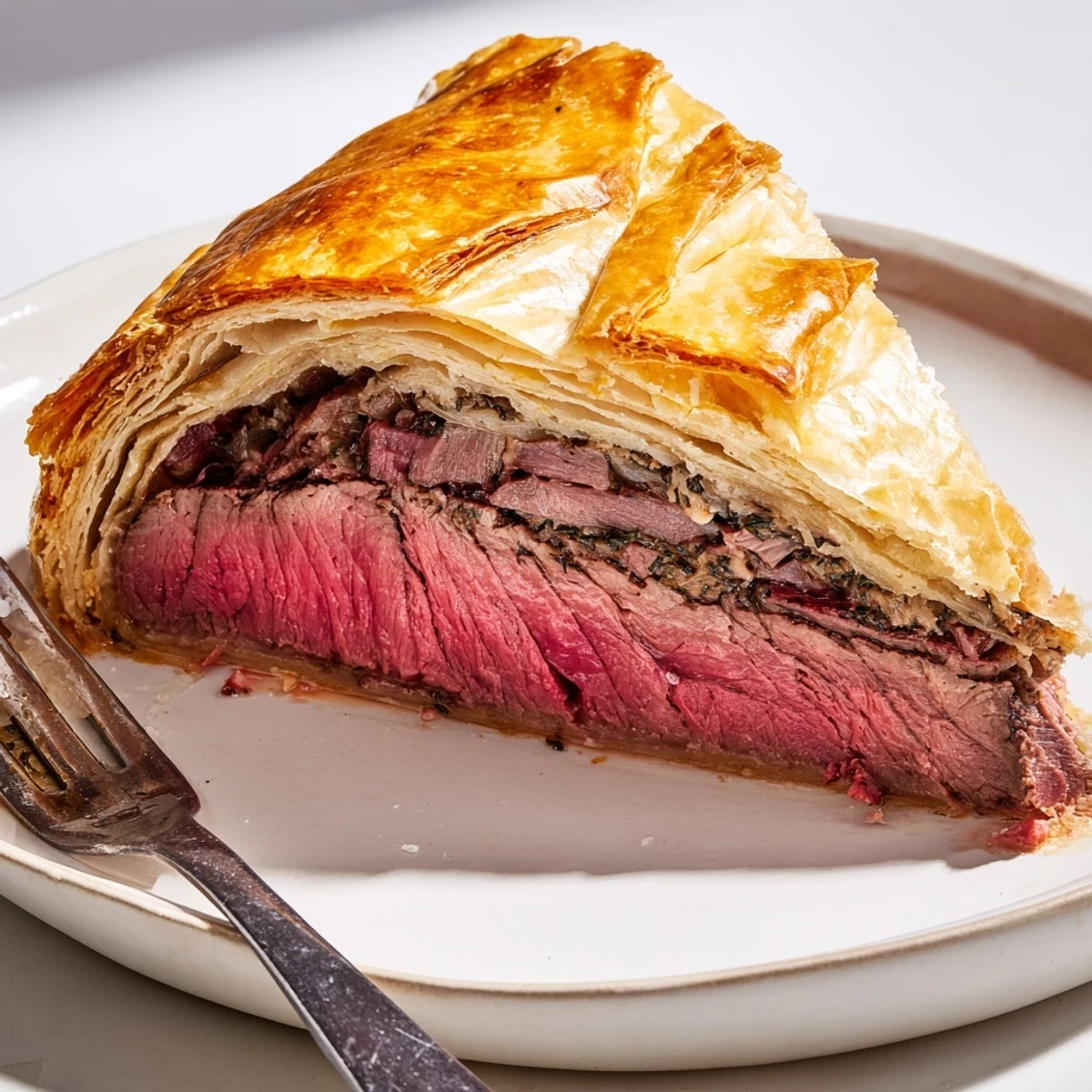
Save However this Wellington turns out, whether it slices cleanly or oozes slightly at the edges, you will have made something that required your full attention, and that alone is worth the effort. The people you feed will taste the difference, even if they cannot name it.
Recipe FAQs
- → What cut of beef is best for this dish?
-
Center-cut beef tenderloin is ideal due to its tenderness and uniform shape, which helps in even cooking and elegant presentation.
- → How do you prepare the mushroom duxelles?
-
Finely chop mushrooms, shallots, and garlic, then sauté with butter and thyme until moisture evaporates and the mixture becomes paste-like.
- → What is the purpose of prosciutto in this preparation?
-
Prosciutto wraps around the beef and mushroom paste, adding flavor and helping to seal in juices while preventing the pastry from becoming soggy.
- → How can I tell when the pastry is perfectly baked?
-
Look for a golden brown, flaky crust and use an instant-read thermometer to check the beef’s internal temperature for desired doneness.
- → Can this dish be prepared ahead of time?
-
Yes, the mushroom mixture can be made in advance, and the assembled beef encased in pastry can be chilled before baking for convenience.