
 Save
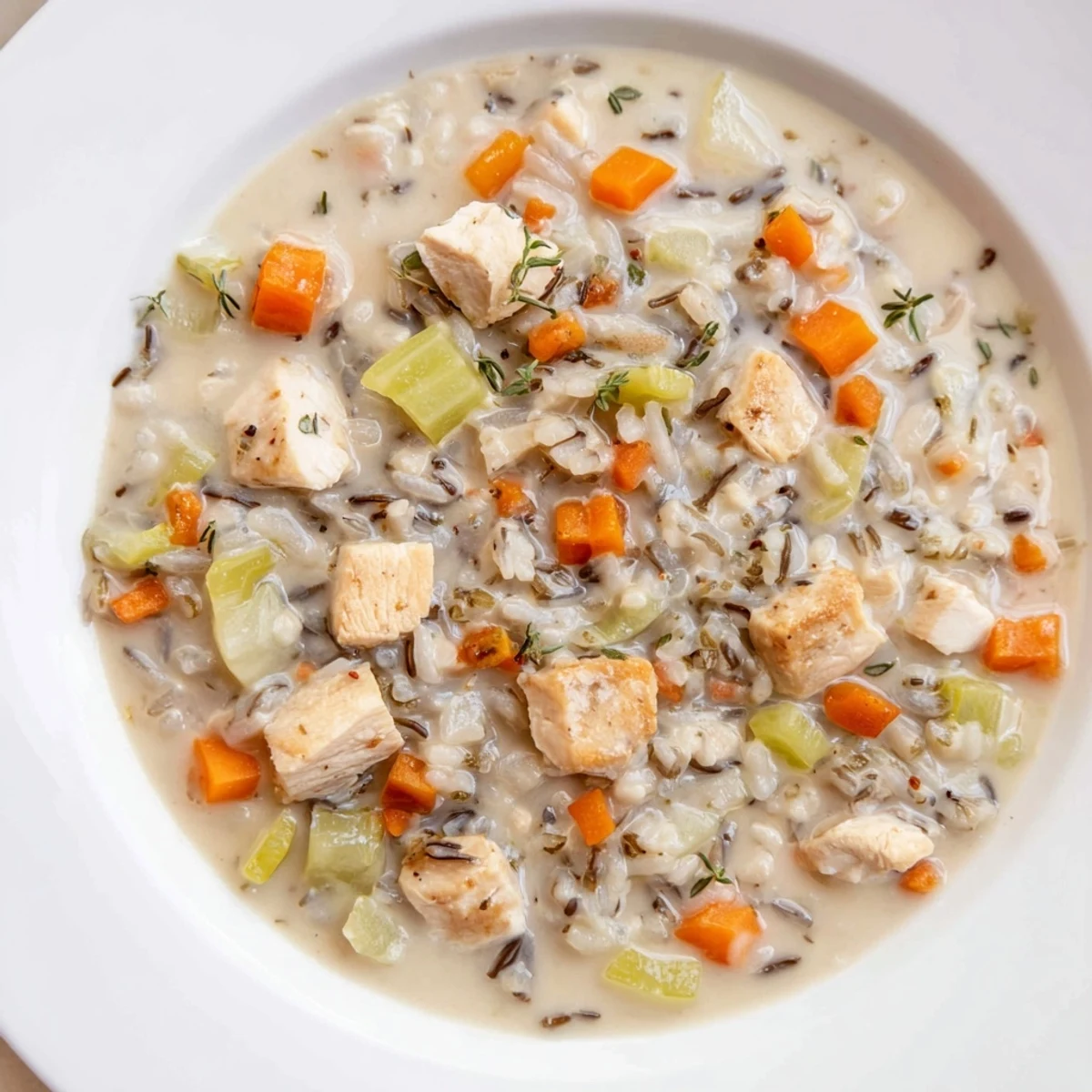
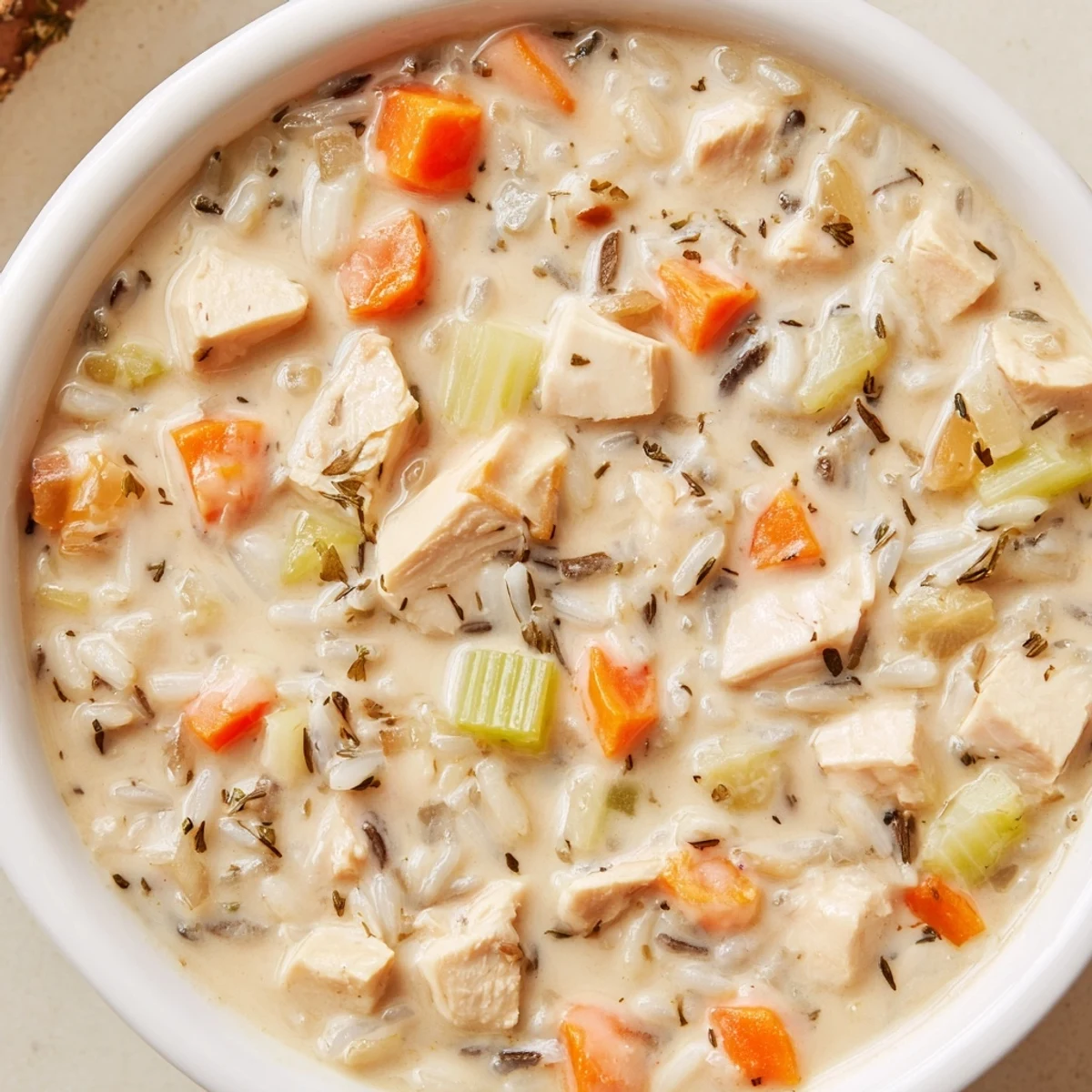
Save This dish combines diced chicken breasts with nutty wild rice and a medley of sautéed vegetables including onions, carrots, celery, and garlic. Simmered gently in a seasoned broth infused with thyme, parsley, and bay leaf, the soup develops deep, comforting flavors. A smooth cream base made from olive oil, gluten-free flour, milk, and heavy cream adds richness and a velvety texture. It’s perfect for warming up on chilly days and pairs beautifully with crusty bread or a fresh green salad.
Options to customize include using rotisserie chicken for faster prep, adding mushrooms for extra earthiness, or swapping dairy for plant-based alternatives for a dairy-free version. Careful seasoning ensures a balanced savory taste with a touch of herbaceousness that enhances each spoonful.
I remember the first time I made chicken wild rice soup on a freezing November afternoon. My grandmother had just given me her favorite soup pot, and I wanted to christen it with something that would fill the kitchen with warmth and comfort. As the aroma of sautéed vegetables and herbs began to drift through the house, I realized this wasn't just soup—it was a promise of coziness wrapped in a bowl.
Years later, I brought this soup to a neighborhood potluck during the worst snowstorm of the season. Watching people huddle around the pot, asking for seconds and thirds, I understood why my grandmother had treasured her soup pot so fiercely. Food that warms both body and spirit has a way of bringing people together.
Ingredients
- Boneless, skinless chicken breasts (2 breasts, about 300 g), diced: These cook gently in the broth, staying tender without overcooking. I learned to dice them into bite-sized pieces so they distribute evenly throughout the pot.
- Wild rice (1 cup, 170 g), rinsed: The backbone of this soup—it adds nutty flavor and delightful texture. Always rinse it first to remove debris, and don't skip this step even though it feels tedious.
- Unsalted butter (2 tablespoons): The foundation of flavor. I use unsalted so I can control the salt level myself.
- Medium onion (1), finely chopped: This becomes almost invisible in the broth, but its sweetness anchors the whole soup.
- Carrots (2), peeled and diced: They soften into tender pieces that add natural sweetness and that satisfying vegetable presence.
- Celery stalks (2), diced: The holy trinity of soffritto is complete with celery—it's subtle but essential.
- Garlic (3 cloves), minced: Added at just the right moment so it infuses the broth without becoming bitter.
- Low-sodium chicken broth (6 cups): Let the broth be the canvas for other flavors rather than overpowering them. Low-sodium gives you control.
- Dried thyme (1 teaspoon) and dried parsley (1 teaspoon): Classic soup herbs that feel familiar and comforting in every spoonful.
- Bay leaf (1): It works quietly in the background, deepening the broth's complexity. Always remember to fish it out before serving.
- Salt and freshly ground black pepper: Taste as you go—this is your final seasoning checkpoint.
- Olive oil (2 tablespoons): For the roux that will eventually thicken and luxuriate the soup.
- Gluten-free or all-purpose flour (3 tablespoons): This creates that silky, creamy texture that makes the soup feel indulgent.
- Whole milk (1 cup) and heavy cream (1/2 cup): Together they create richness without being heavy—the cream brings body and depth.
Instructions
- Build the foundation:
- Melt butter over medium heat in your largest pot—if you have a Dutch oven, this is its moment to shine. Add the chopped onion, carrots, and celery. You'll hear them sizzle and soften for about 5 minutes. This is aromatherapy for your kitchen. Stir in the garlic and let it perfume the oil for just 1 minute—any longer and it begins to taste bitter.
- Introduce the chicken:
- Add your diced chicken and stir gently for 3 to 4 minutes. You're not looking to cook it through; just let it start turning opaque around the edges. It will finish cooking in the simmering broth, and this matters for keeping it tender.
- Begin the simmer:
- Stir in the wild rice, chicken broth, thyme, parsley, bay leaf, salt, and pepper. Watch as the broth comes to a boil—it will smell incredible. Once it reaches a rolling boil, reduce the heat to low, cover the pot, and let it simmer gently for 40 to 45 minutes. The wild rice will gradually soften, the chicken will finish cooking, and all the flavors will meld into something greater than their parts.
- Make the cream base:
- While the soup simmers, heat the olive oil in a small saucepan over medium heat. Whisk in the flour, stirring constantly for 1 to 2 minutes to create a smooth paste—this is your roux, and it's the secret to creaminess. Slowly pour in the milk while whisking continuously to prevent lumps. Keep stirring until it thickens and simmers gently, about 3 minutes. Once it coats the back of a spoon, remove it from heat and stir in the heavy cream.
- Marry the flavors:
- When the wild rice is tender and the soup has simmered long enough, remove the bay leaf. Pour the creamy mixture into the pot and stir gently to combine. Let it simmer uncovered for 5 minutes more, stirring occasionally, until the whole pot becomes creamy and heated through. This is when you'll know it's ready.
- Taste and serve:
- Give it one final taste. Adjust the salt and pepper if needed—this is your moment to make it perfectly yours. Ladle it into bowls while it's still steaming, and serve it hot.
 Save
Save One winter evening, a friend who had been struggling with a difficult season came to my door. I heated a pot of this soup while we talked, and as we ate together in my kitchen, I watched the warmth seep back into her. Sometimes the most nourishing thing a recipe can offer is the love baked into the ritual of making it for someone else.
The Magic of Wild Rice
Wild rice is truly the heart of this soup. Unlike white or brown rice, wild rice has a chewier texture and a distinctly nutty, earthy flavor that elevates the entire dish. It takes longer to cook than regular rice, but that's part of its charm—it means the broth has time to deepen and meld while the rice becomes tender. The first time I used it, I almost replaced it with regular rice thinking it would save time. I'm so glad I didn't. That nutty quality is irreplaceable and transforms a simple soup into something memorable.
Making It Your Own
This recipe is a beautiful canvas for your own kitchen creativity. Some of my favorite variations came from happy accidents and ingredient substitutions. I've added mushrooms for earthiness, swapped in leftover rotisserie chicken when time was tight, and even stirred in a handful of fresh dill at the last moment. The soup is forgiving and welcomes your personal touch. Each version tells the story of who you are in the kitchen.
Storage and Make-Ahead Tips
This soup actually tastes better the next day when the flavors have had time to get even more acquainted. Store it in an airtight container in the refrigerator for up to 4 days, or freeze it for up to 3 months. When reheating, do it gently over low heat to prevent the cream from separating. A splash of fresh milk when reheating brings it back to its silky best.
- Make the cream base ahead of time and refrigerate it separately until you're ready to finish the soup.
- If you're using rotisserie chicken, add it in the last step rather than cooking it in the broth from the beginning.
- Freeze without the cream component if you want to preserve it the longest; add the creamy part after thawing.
 Save
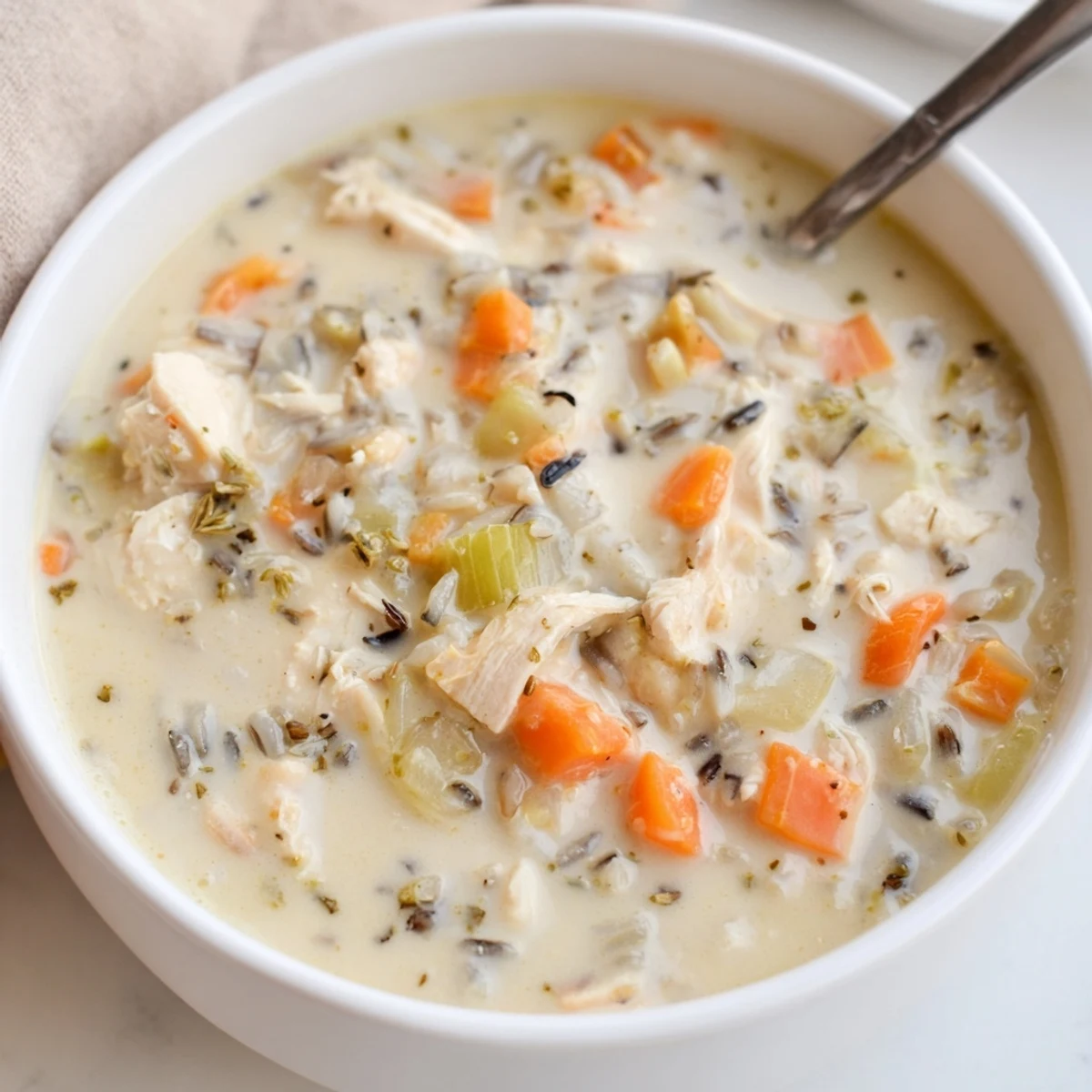
Save This soup is pure comfort, the kind that fills you up and makes you feel cared for. Make it on a chilly day, share it with someone you love, and watch how something this simple becomes something irreplaceable.
Recipe FAQs
- → How long does it take to cook wild rice until tender?
-
Wild rice generally needs to simmer for about 40–45 minutes until it becomes tender and chewy, absorbing the broth's flavors well.
- → Can I use pre-cooked chicken instead of raw chicken breasts?
-
Yes, pre-cooked or rotisserie chicken can be added near the end of cooking to save time without compromising flavor.
- → What can be used to thicken the broth?
-
A roux made from olive oil and gluten-free or all-purpose flour is whisked with milk and cream to create a creamy, thickened base.
- → Are there dairy-free alternatives for the creamy base?
-
Plant-based milks and cream substitutes can be used to make a dairy-free version while maintaining a rich texture.
- → What herbs enhance the flavor of this dish?
-
Dried thyme, parsley, and a bay leaf add aromatic depth and a subtle herbal note to the broth.