 Save
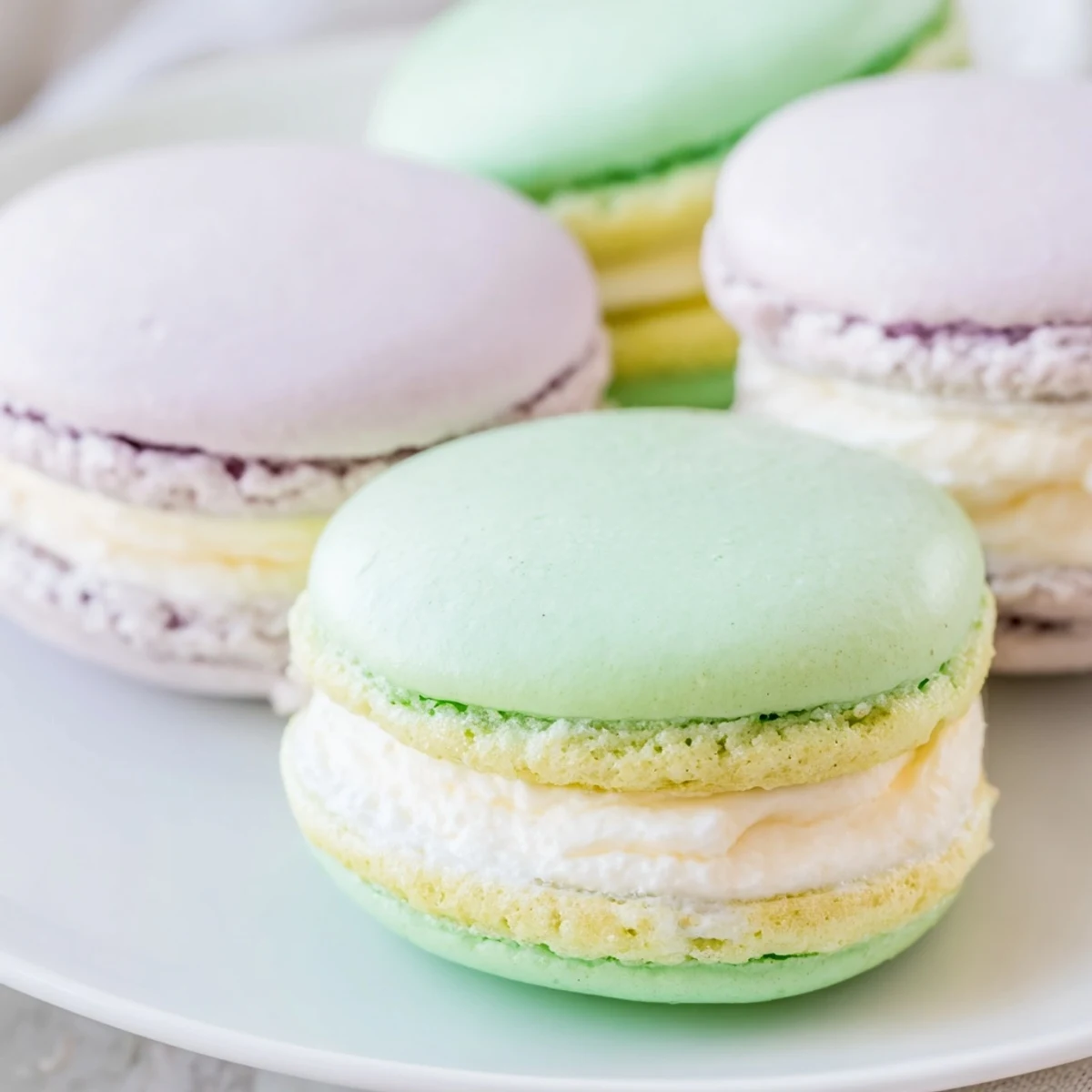
Save Master the art of creating delicate French macarons with this comprehensive foolproof technique. These elegant almond meringue cookies feature irresistibly crisp exteriors giving way to wonderfully chewy interiors, all sandwiched together with silky vanilla buttercream. The detailed guidance covers every essential step from properly aging egg whites and achieving the perfect macaronage consistency to piping uniform rounds and developing the crucial skin that ensures those signature ruffled feet. You'll learn exactly how to tap out air bubbles, rest the shells properly, and bake at the right temperature for consistent success. The result is bakery-worthy confections that look stunning and taste absolutely divine.
The first time I attempted French macarons, my kitchen looked like a crime scene with powdered sugar everywhere and hollow, sad shells that refused to develop feet. Three failed batches later, I learned that macarons are less about perfection and more about patience—about watching clouds of meringue form glossy peaks, about waiting for that skin to develop on the surface, about understanding that some of the best things in life really do require us to slow down and pay attention to the details.
I made these for my sisters wedding shower, nervously piping dozens of pale pink shells while my cat watched from the counter, completely fascinated by the rhythmic process. When I bit into one the next day after the mandatory resting period in the fridge, that perfect marriage of crispy shell and creamy vanilla filling made all those previous failures worth every frustrating moment.
Ingredients
- 120 g fine almond flour: The foundation of that signature nutty flavor and delicate crumb, sifting this thoroughly prevents lumpy shells
- 200 g powdered sugar: Creates the smooth, glossy finish and contributes to that melt in your mouth texture
- 100 g egg whites aged overnight: Aging them at room temperature for 24 hours reduces moisture content, which is crucial for developing proper feet
- 100 g granulated sugar: Stabilizes the meringue and provides structure for those perfect glossy peaks
- 1/4 tsp cream of tartar: This optional helper strengthens your meringue and makes it more forgiving, especially on humid days
- Gel food coloring: Never use liquid coloring as it will ruin your batter consistency and prevent proper macaronage
- 100 g unsalted butter softened: Room temperature butter creates the silkiest buttercream that pipes beautifully and holds its shape
- 150 g powdered sugar: Sweetens the filling while keeping it thick enough to stay between the shells without oozing out
- 1-2 tbsp whole milk: Adjust this gradually to achieve the perfect pipeable consistency for your filling
- 1 tsp pure vanilla extract: Use the real stuff here since the flavor shines through in such a delicate cookie
Instructions
- Prepare your station:
- Line your baking sheets with parchment paper or silicone macaron mats and fit a piping bag with a round tip about 1 cm in diameter, having everything ready before you start keeps the process smooth and stress free
- Sift the dry ingredients:
- Combine the almond flour and powdered sugar in a large bowl and sift them together, discarding any coarse bits that remain because lumps will create bumpy shells
- Whip the meringue:
- In a completely clean grease free bowl, beat those aged egg whites until foamy, add the cream of tartar if using, then gradually stream in the granulated sugar while beating until you have stiff glossy peaks that hold their shape when you lift the whisk
- Master the macaronage:
- Gently fold the sifted almond flour mixture into the meringue in three additions, using your spatula to fold and press the batter against the bowl until it flows like thick lava and you can draw a figure 8 that holds its shape without breaking
- Add your color:
- If using gel food coloring, add it now and fold gently just until combined, being careful not to overwork the batter
- Pipe the shells:
- Transfer the batter to your prepared piping bag and hold it perpendicular to the baking sheet, piping firm 3 to 4 cm circles while applying steady pressure, then release with a quick flick of the wrist
- Release the air:
- Firmly tap the baking sheets against your counter several times to bring trapped air bubbles to the surface, then use a toothpick to pop any remaining bubbles for perfectly smooth tops
- Form the skin:
- Let the piped shells rest uncovered at room temperature for 30 to 60 minutes until you can lightly touch the surface without any batter sticking to your finger
- Bake to perfection:
- Preheat your oven to 150°C and bake one tray at a time for 12 to 15 minutes, rotating halfway through, until those signature feet have formed and the shells lift cleanly off the parchment
- Make the buttercream:
- Beat the softened butter until creamy, then add the powdered sugar, vanilla, salt, and 1 tablespoon of milk, beating until fluffy and adding more milk only if needed to reach a smooth pipeable consistency
- Assemble your creations:
- Pair similar sized shells and pipe a small dollop of buttercream onto the flat side of half, then gently top with the remaining shells and press just until the filling reaches the edges
 Save
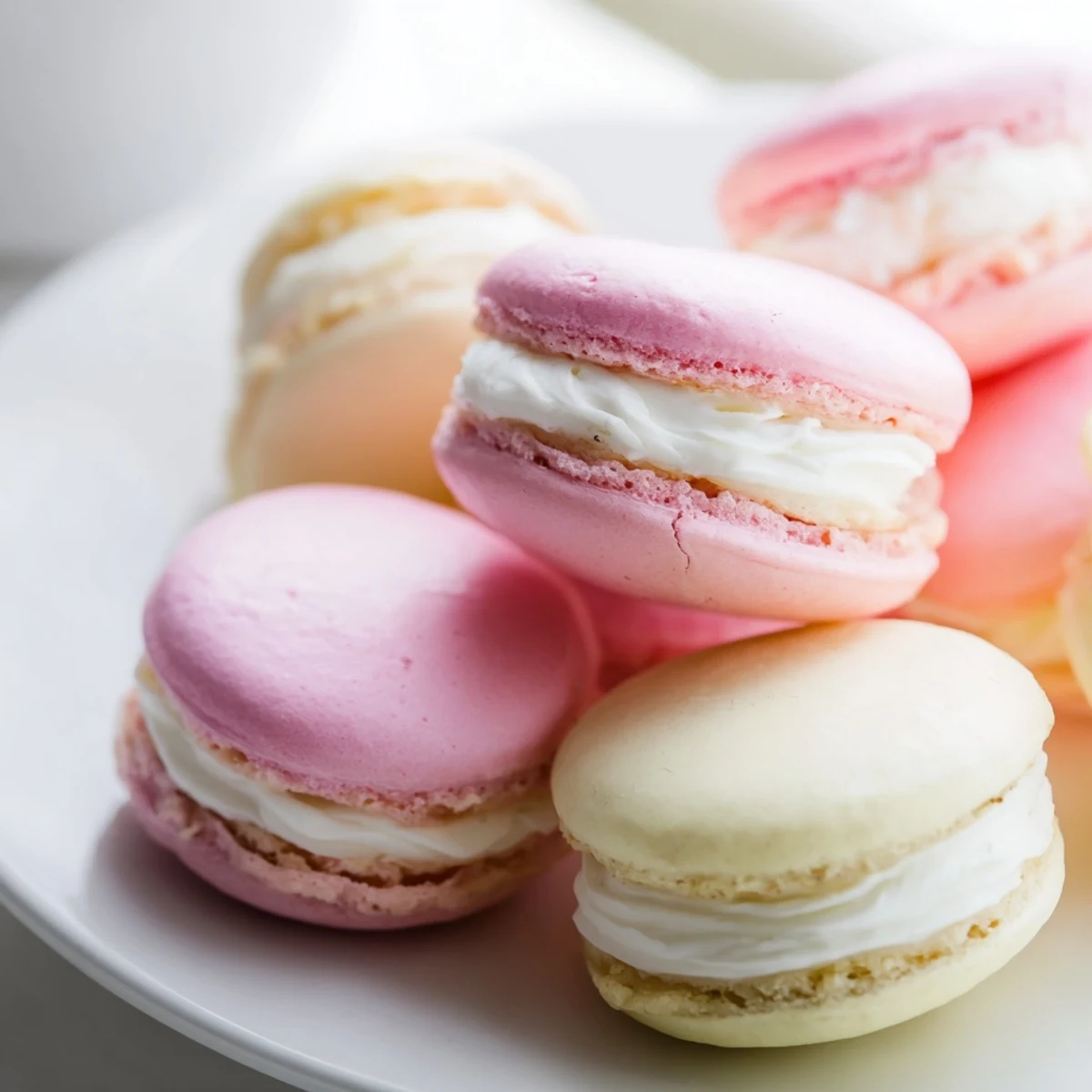
Save There is something almost magical about opening that oven door and seeing all those tiny little feet standing tall on each shell, like they all decided to grow at the exact same moment. Those first successful batches gave me a confidence that carried over into every other area of my baking, teaching me that mastering something difficult makes everything else seem possible.
Understanding Macaronage
The term macaronage refers to that crucial folding technique where you incorporate the dry ingredients into the meringue, and it is honestly the make or break moment for your entire batch. When done correctly, your batter should flow like molten lava and settle back into itself within about 20 seconds, creating that signature smooth top and proper feet during baking.
Filling Variations
While vanilla buttercream is a classic choice, do not be afraid to experiment with ganache, fruit curds, or even nutella style fillings to create different flavor profiles. The key is keeping your filling thick enough to hold its shape between the delicate shells without overwhelming that subtle almond flavor that makes macarons so special.
Storage and Serving
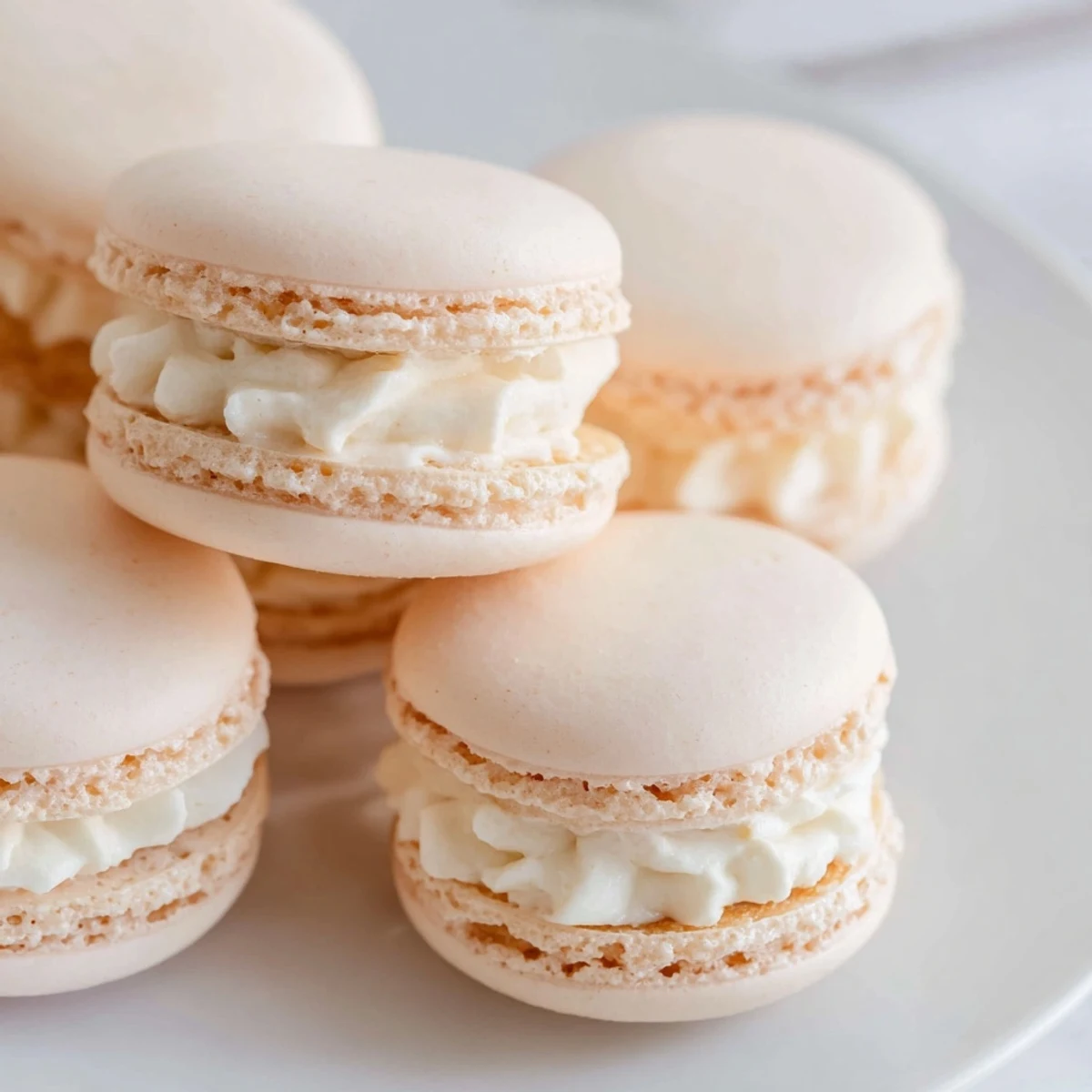
The secret professional bakers know is that macarons actually improve with a 24 hour rest in the refrigerator, allowing the filling to soften the interior of the shells slightly and creating that perfect chewy texture. Bring them to room temperature for about 30 minutes before serving and they will taste even better than the day you made them.
- Store in an airtight container in the refrigerator for up to one week
- Freeze unfilled shells for up to three months and thaw before filling
- Always serve at room temperature for the best texture and flavor experience
 Save
Save Every time I pull out a container of these delicate cookies from the fridge, I remember how much patience and practice went into mastering them. Hope your kitchen fills with the same sense of accomplishment and joy.
Recipe FAQs
- → Why do my macarons crack during baking?
-
Cracking typically occurs when shells haven't developed a proper skin before baking or when oven temperature is too high. Let piped shells rest for 30-60 minutes until they're no longer tacky to the touch, and ensure your oven temperature is accurate with an oven thermometer.
- → Can I make macarons on a humid day?
-
Humidity can significantly affect macaron success. The shells may not form proper skin or can become sticky. It's best to choose dry days for macaron making, or run a dehumidifier in your kitchen and keep air conditioning on to reduce moisture.
- → What is macaronage and why is it important?
-
Macaronage is the folding technique that combines almond flour mixture with meringue to achieve the perfect batter consistency. Properly folded batter flows in thick ribbons and can form a figure 8 without breaking. Under-mixed batter creates peaked shells, while over-mixed batter spreads too flat.
- → Why must egg whites be aged before using?
-
Aged egg whites have lost some moisture through evaporation, which helps create a more stable meringue with better volume. Leave whites at room temperature covered loosely for 24 hours before using, or use quick aging methods like gently heating them.
- → How do I know when macarons are done baking?
-
Macarons are finished when they have developed visible feet (the ruffled bottom edge) and the shells lift cleanly off the parchment paper without sticking. They should not wiggle or slide when touched gently. If they stick, return to the oven for 1-2 minutes more.
- → Why rest macarons for 24 hours before serving?
-
The resting period in the refrigerator allows moisture from the filling to soften the interior shells slightly, creating that characteristic chewy texture and allowing flavors to meld. This crucial step transforms them from crisp cookies into the perfect macaron experience.