
 Save
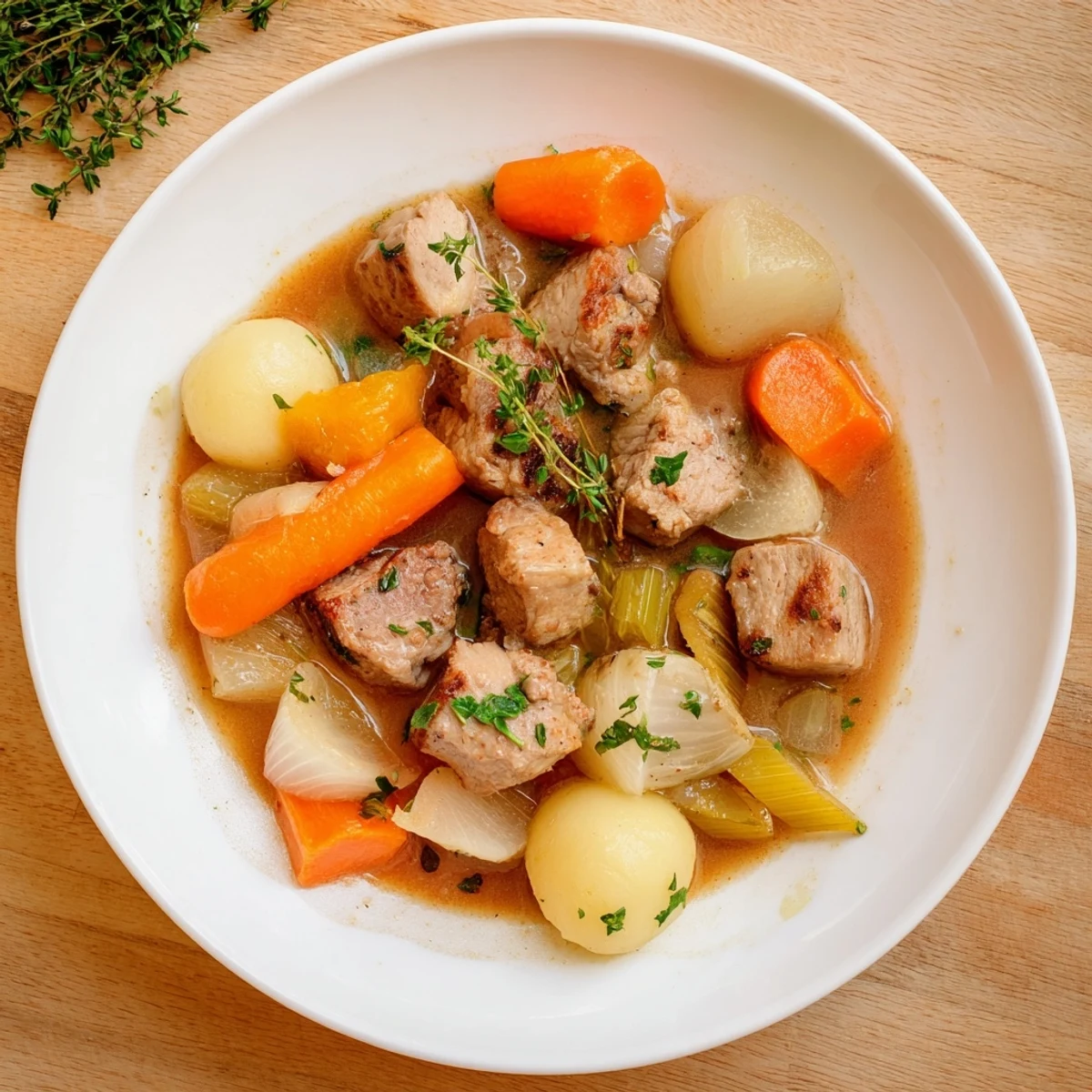
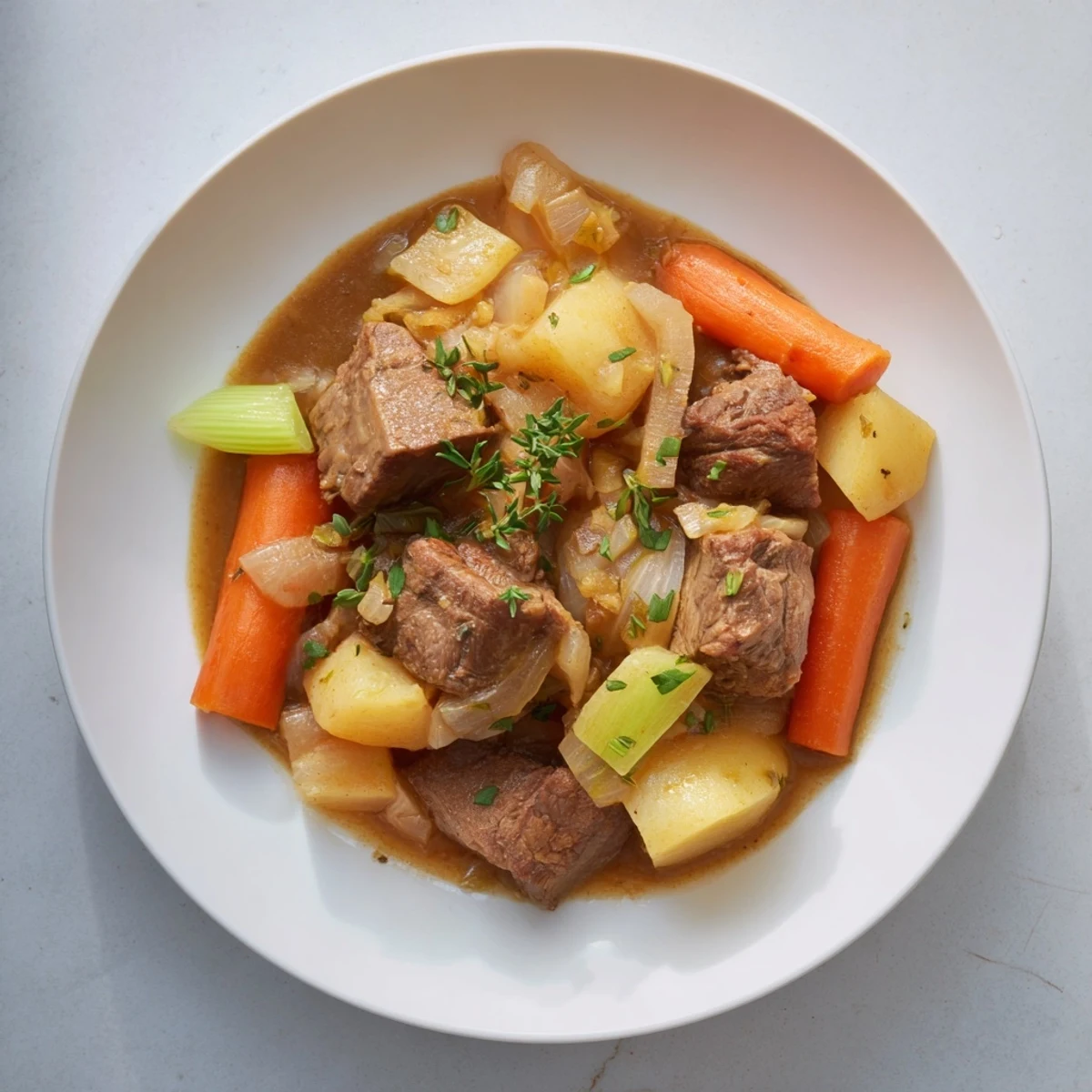
Save This dish combines tender lamb cubes and chunky potatoes gently simmered with onions, carrots, celery, garlic, and fragrant herbs like thyme and bay leaves. Cooked slowly in rich stock with tomato paste and paprika, it develops deep, savory flavors perfect for a cozy meal. Garnished with fresh parsley, this European-style stew offers a gluten-free option that’s ideal for family dinners, especially when paired with crusty bread or a fresh salad.
My grandmother used to make this stew on the coldest afternoons, filling the kitchen with a warmth that had nothing to do with the stove. I'd arrive home from school to find her standing over a steaming pot, wooden spoon in hand, tasting and adjusting with the confidence of someone who'd made it a hundred times. One day she finally let me help, and I learned that a proper lamb stew isn't rushed—it's a conversation between the meat, the vegetables, and time itself.
I remember the first time I made this for my own family on a rainy October evening. My daughter was skeptical about the potatoes and lamb together until she took that first spoonful—then she went quiet in that way kids do when they're genuinely surprised by something delicious. Her dad had thirds, and we all ended up using bread to chase every last drop from our bowls.
Ingredients
- Lamb shoulder: Boneless cuts are your friend here because they're forgiving and become silky when braised, though don't skip the browning step—that crust is flavor gold.
- Potatoes: Cut them chunky so they hold their shape through the long simmer and stay creamy inside rather than falling apart.
- Carrots and celery: These form the backbone of the broth's depth, so don't rush their initial sauté or you'll miss half the magic.
- Garlic and onion: Mince the garlic fine so it dissolves into the sauce, and chop the onion generously enough that it softens completely.
- Tomato paste: A small amount amplifies everything without making the stew taste tomatoey, trust me on this.
- Beef or lamb stock: Choose quality stock if you can—it's the one ingredient that truly carries the whole dish.
- Fresh thyme: If you have it, use it; dried works but fresh leaves give a brighter, fresher note that dried can't quite match.
- Bay leaves and paprika: These two are the quiet heroes that make people ask what your secret ingredient is.
- Fresh parsley: Sprinkle it on just before serving for a hint of green and a peppery freshness that wakes everything up.
Instructions
- Brown the lamb:
- Heat your oil until it shimmers, then add the lamb in batches—crowding the pot steams it instead of browning it. Don't fuss with it; let each side develop that deep golden crust for a few minutes before moving it around.
- Build the aromatics:
- In the same pot, sauté your onion, carrots, and celery until they soften and the kitchen smells alive. This is where the foundation of flavor happens, so take your time and listen for that gentle sizzle.
- Deepen with garlic and tomato:
- Add minced garlic and tomato paste and stir constantly for about a minute until it coats the vegetables and smells almost sweet. This step prevents bitterness and rounds out the savory notes.
- Bring it together:
- Return the lamb to the pot, sprinkle in your spices, pour in the stock, and bring everything to a gentle simmer. Cover and let it bubble softly for an hour—the gentle heat is what makes the lamb tender, not a aggressive boil.
- Add the potatoes:
- After the first hour, add your potato chunks and continue simmering covered for another 30 to 40 minutes. The potatoes should be just tender enough that a fork slides through but still holds its shape.
- Finish and serve:
- Fish out the bay leaves, taste for salt and pepper, and adjust if needed. Serve hot with a handful of fresh parsley scattered on top and crusty bread for soaking up every last drop.
 Save
Save There's a moment near the end of cooking when you lift the lid and the steam hits your face carrying the smell of herbs and braised meat, and you just know it's going to be good. That's the moment I wait for now—when the dish stops being ingredients and becomes something that tastes like home.
The Wine Question
A splash of red wine when you add the stock transforms this into something slightly more refined without changing the fundamental character of the dish. I discovered this by accident one night when I was reaching for the stock and grabbed a bottle of wine instead—the result was so good I now keep a inexpensive red on hand just for stewing. It adds a subtle tang that makes the lamb taste more like lamb and the whole pot feels less heavy and more elegant.
Make-Ahead Magic
This stew is genuinely better the day after you make it, when the flavors have had time to settle and marry into something deeper and more complex. I often make it on a Sunday evening and reheat it gently on Monday, which means less stress on a busy weeknight and a better tasting dinner. The cold fridge time also lets any excess fat rise to the top where you can skim it off if you want, though I usually leave it because it carries flavor.
Serving and Storage
Serve this stew in wide, shallow bowls so the broth and solids stay warm longer and you get a good proportion of both in each spoonful. It keeps beautifully in the fridge for up to five days and freezes well for up to three months, though I rarely have leftovers long enough to find out.
- Pair it with crusty bread, a simple green salad, or creamy mashed potatoes for a complete meal.
- Reheat gently on the stovetop over medium heat, stirring occasionally, and add a splash of stock if it's thickened too much.
- Taste and adjust the seasoning before serving since flavors can flatten after sitting in the fridge.
 Save
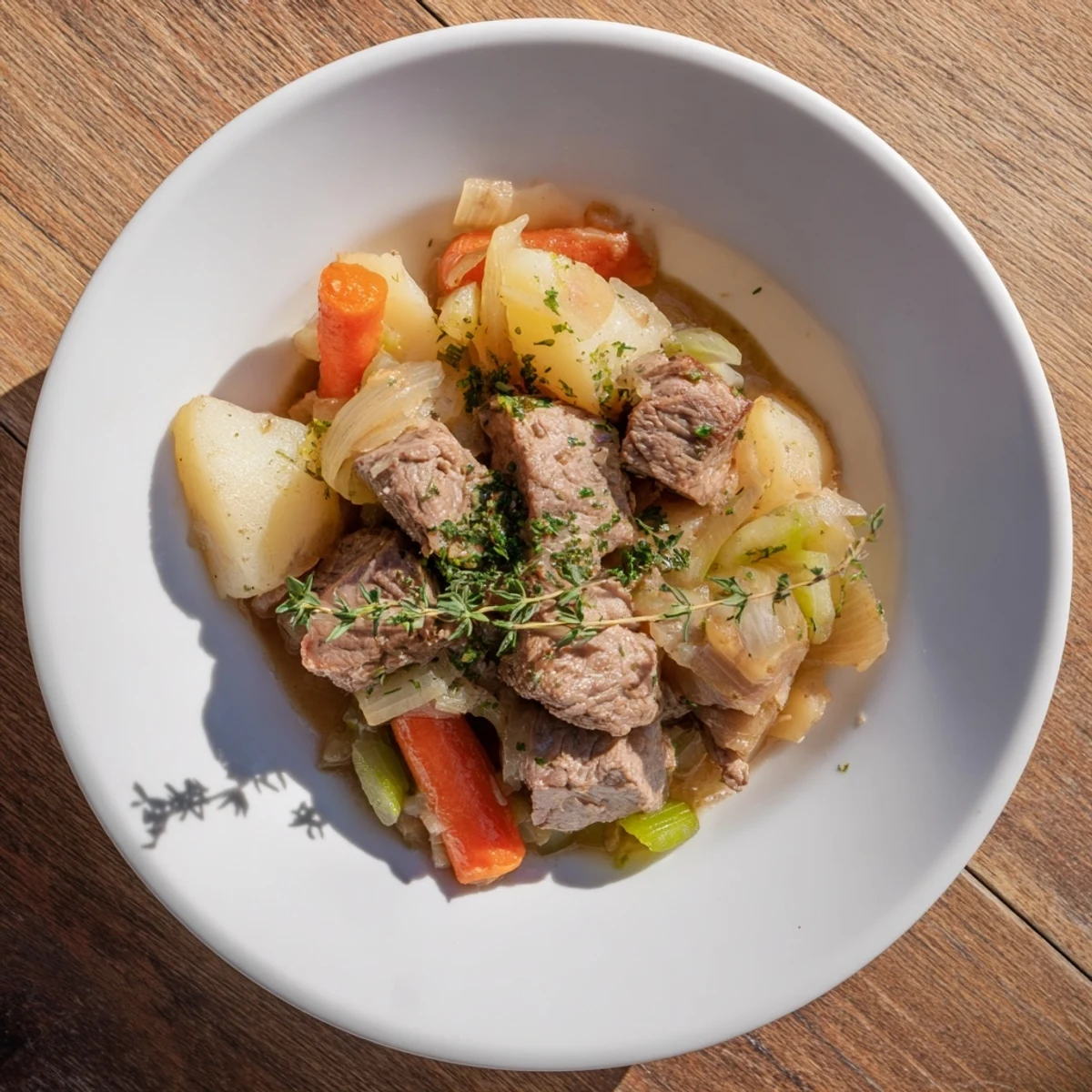
Save This stew taught me that the best recipes aren't flashy—they're the ones that teach you something about patience and how time transforms simple things into something extraordinary. Make it once and you'll understand why people have been making versions of this for centuries.
Recipe FAQs
- → What cut of lamb works best for this stew?
-
Boneless lamb shoulder cut into cubes is ideal as it becomes tender and flavorful when simmered slowly.
- → Can I use a different type of stock?
-
Yes, beef or lamb stock both add rich depth. For extra flavor, a splash of red wine can be added when simmering.
- → How do I know when the lamb and potatoes are done?
-
Both should be tender and easily pierced with a fork after the total cooking time of about 1 hour 40 minutes.
- → Is this dish suitable for special diets?
-
This preparation is naturally gluten-free as it avoids wheat-based thickeners or additives.
- → What is the purpose of adding tomato paste and paprika?
-
They enhance the richness and add a subtle depth of flavor and color to the stew’s base.