
 Save
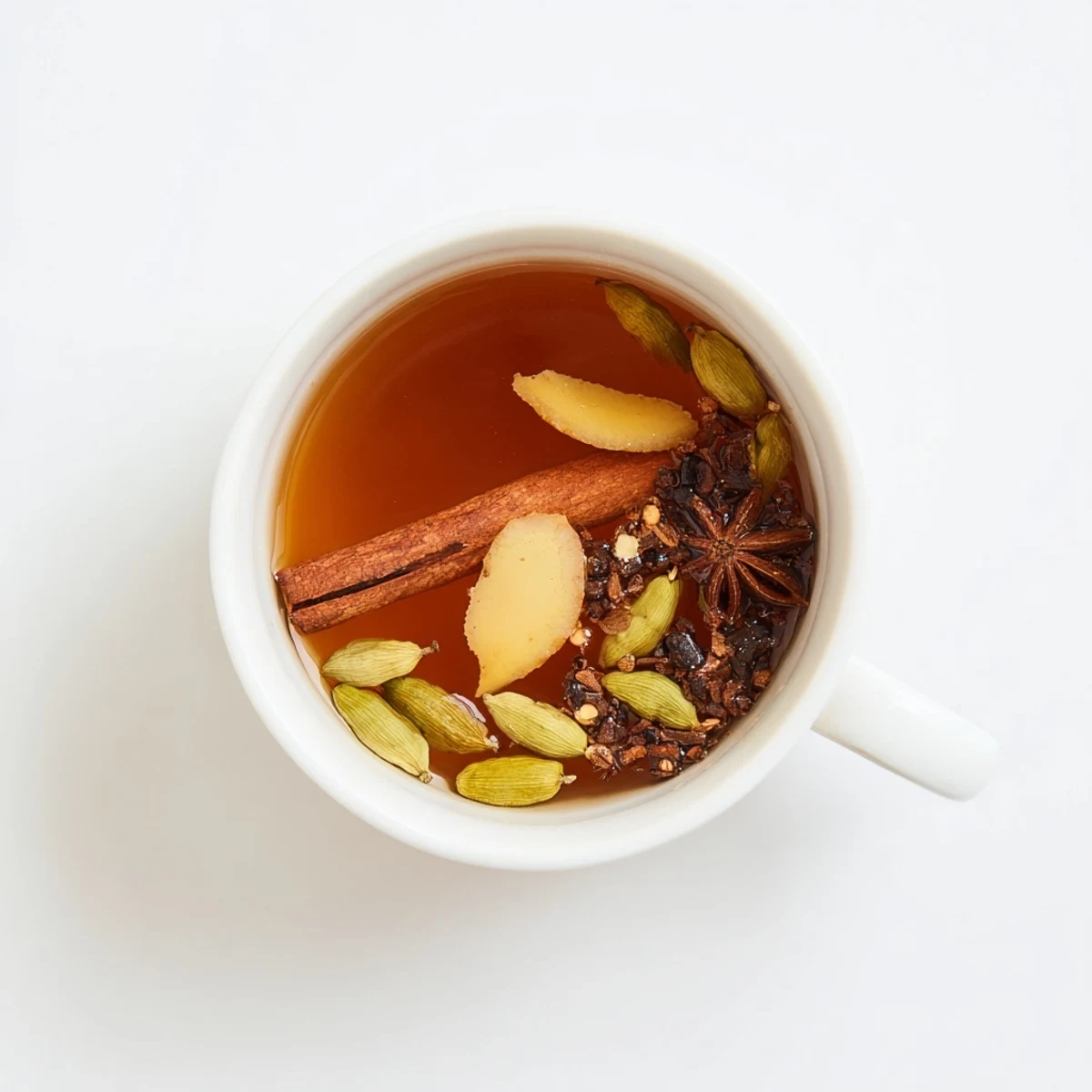
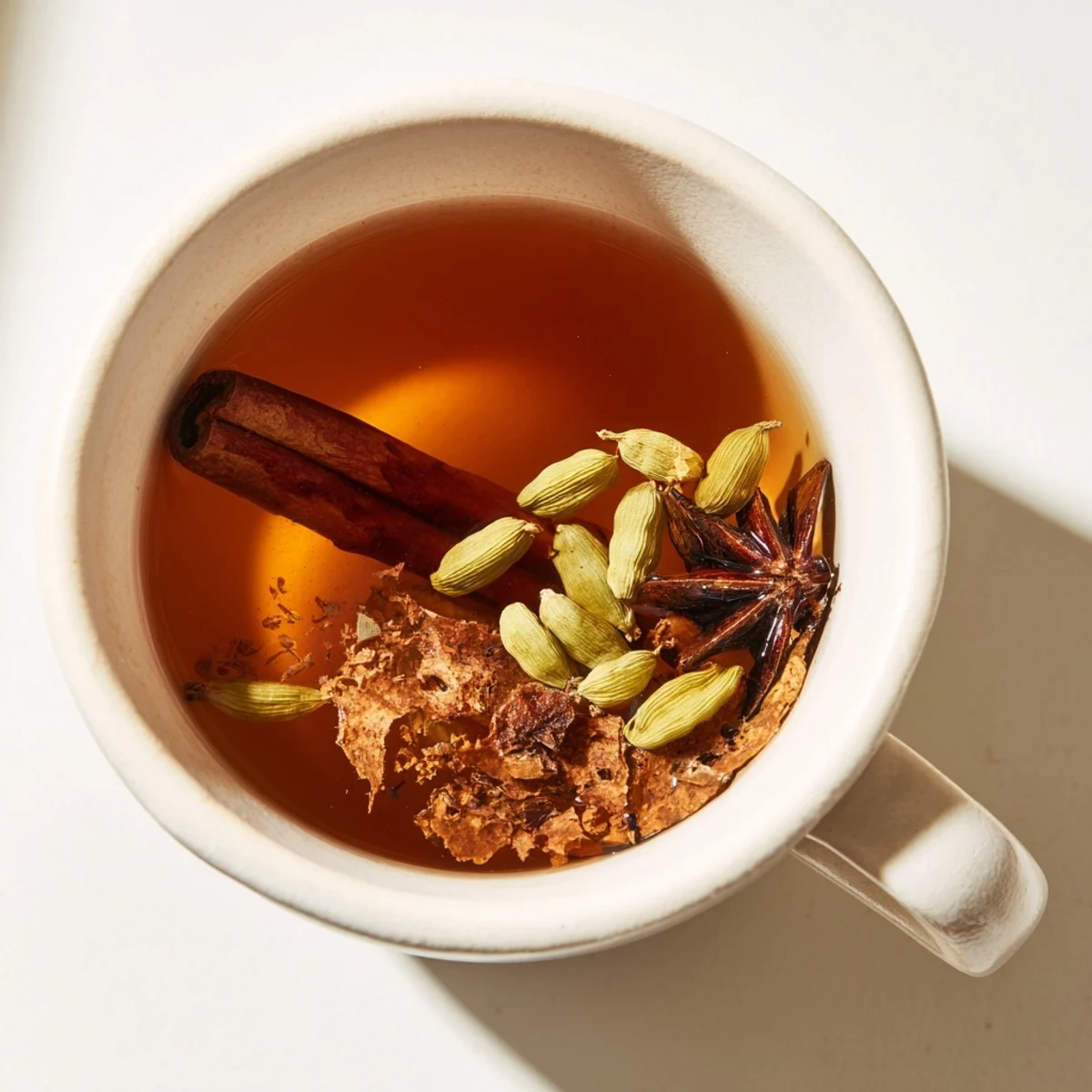
Save This traditional Lebanese beverage combines robust black tea with aromatic spices including cinnamon stick, green cardamom pods, whole cloves, and fresh ginger slices. The brewing process involves simmering the spices first to release their essential oils, then adding the tea for a perfectly balanced infusion.
Serve it hot with your preferred sweetener—sugar, honey, or maple syrup work beautifully. A slice of lemon makes an optional garnish that brightens the flavors. This versatile drink pairs wonderfully with Middle Eastern pastries like baklava and can be adjusted to your taste by varying the spice quantities.
The first time I walked into my friend Laylas kitchen in Beirut, the air was thick with cinnamon and something floral I couldnt quite place. She was boiling water with what looked like a garden worth of spices, laughing as she told me this was how her grandmother survived long winter afternoons. I watched her crush cardamom pods with the back of a spoon, a ritual she said released the oils that make ordinary tea feel like a hug from someone who loves you. That afternoon changed everything I thought about spiced tea.
Last winter during that terrible week of freezing rain, my sister called feeling completely overwhelmed by work and everything else. I made a double batch and brought it over in a thermal container, watching her shoulders drop as she took that first sip. We sat at her kitchen table for an hour not saying much of anything, just letting the steam rise between us. Sometimes tea is just tea, but sometimes its exactly what someone needs to remember theyre not alone.
Ingredients
- 4 cups water: Fresh filtered water makes a difference you can actually taste in the final cup
- 2 tablespoons loose black tea: Loose leaves give you more control over strength, but tea bags work perfectly fine if thats what you have
- 1 cinnamon stick: Break it into smaller pieces to release more of that comforting warmth
- 4 green cardamom pods: Crushing them gently with a heavy pan or spoon reveals the floral complexity hiding inside
- 4 whole cloves: Just four is enough to add depth without overpowering everything else
- 1-inch piece fresh ginger: Thin slices are better than thick chunks here, they infuse more evenly
- 1 star anise: This is optional but it adds this subtle licorice note that makes people ask what your secret is
- 2 to 3 tablespoons sugar or honey: Start with less and add more, you can always sweeten but you cant take it back
Instructions
- Build your spice foundation:
- Combine water, cinnamon, cardamom, cloves, ginger, and star anise in a medium saucepan and bring it to a gentle boil over medium heat. Watch the steam start carrying those first hints of what is coming.
- Let the spices work their magic:
- Reduce the heat to low and simmer for 5 minutes, letting the water become something entirely different. The kitchen should smell incredible by now.
- Add the tea:
- Drop in your loose tea or bags and simmer another 3 to 5 minutes depending on how strong you like it. Watch the color deepen to that perfect amber brown.
- Strain and serve:
- Pour everything through a fine mesh strainer into your teapot or directly into waiting cups, leaving all the spices behind. Stir in your sweetener while it is still hot and add lemon if you want that bright contrast.
 Save
Save My neighbor started making this every Sunday morning after she tried it at my place. She said it became the one thing her teenage daughter would actually sit down and talk to her over. Some recipes feed you, others bring people back to the table.
Making It Your Own
I have experimented with adding a pinch of saffron when serving guests, which turns it into something almost ceremonial. My cousin adds a dash of orange blossom water, reminding me of summers in Lebanon where the air itself felt perfumed.
The Sweetness Question
Honey adds a floral complexity that sugar just cannot match, though sugar dissolves more evenly into hot liquid. Maple syrup works beautifully too and adds this deep caramel note nobody expects in tea.
Perfect Pairings
This tea was made for baklava, but I also love it with shortbread or even a plain biscuit when I do not want anything too sweet. Something about the spices cuts through richness while still complementing it perfectly.
- Middle Eastern pastries are traditional but honestly any buttery cookie works beautifully
- A small plate of fresh dates balances the warmth with natural sweetness
- If you are serving this after dinner, keep the accompaniment simple so the tea remains the star
 Save
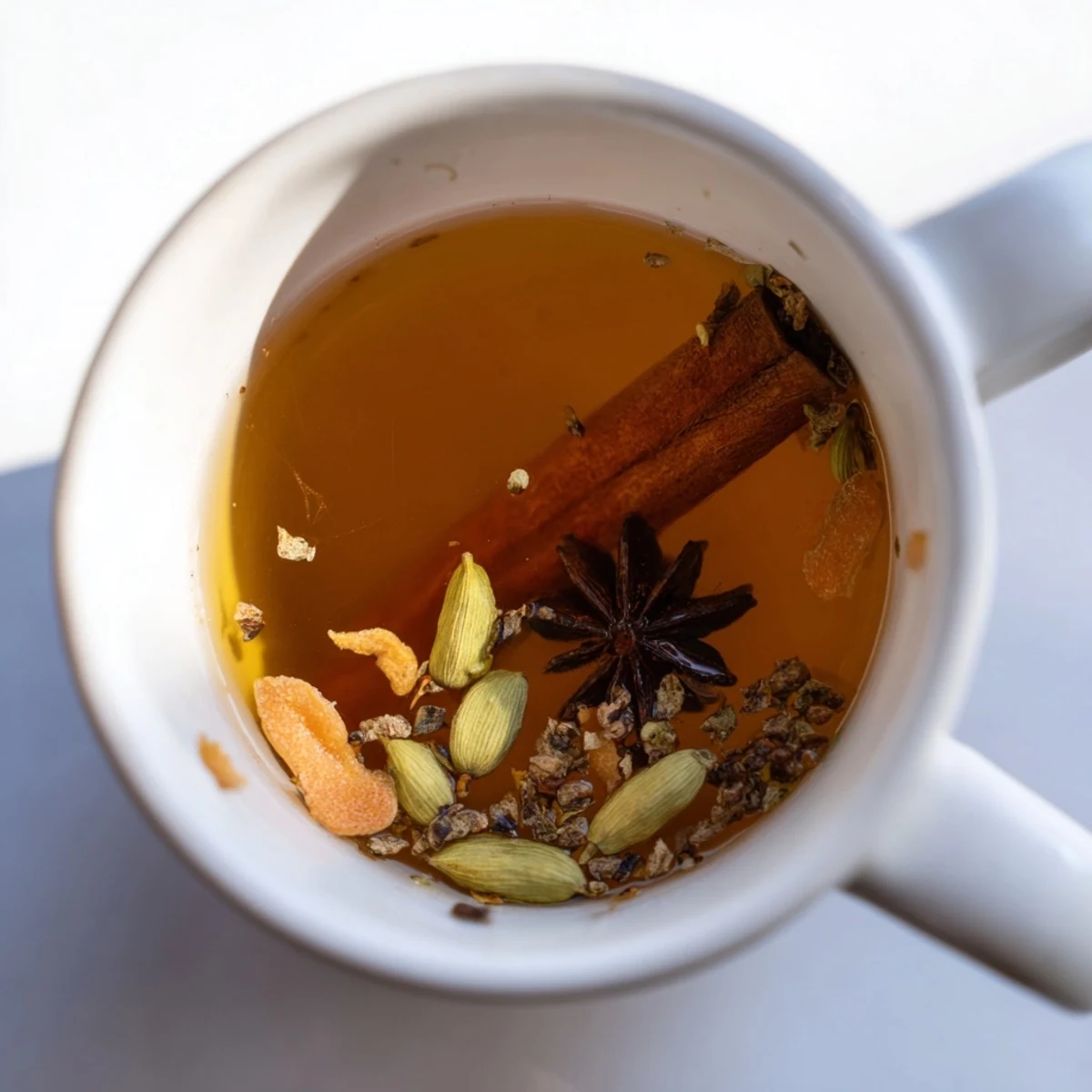
Save There is something deeply grounding about tea made this way, like you are participating in a tradition that spans generations and continents. Maybe that is exactly what we need sometimes.
Recipe FAQs
- → What makes Lebanese spiced tea unique?
-
The distinctive combination of cinnamon, cardamom, cloves, and ginger creates a warming aromatic profile that sets this Middle Eastern beverage apart from other spiced teas. The spices are simmered first to fully release their flavors before the tea is added.
- → Can I use tea bags instead of loose tea?
-
Absolutely. You can substitute 4 black tea bags for the 2 tablespoons of loose leaf tea. The flavor will be similar, though loose tea often provides a slightly richer taste.
- → How can I make this tea stronger or milder?
-
For a stronger brew, simmer the tea for up to 5 minutes instead of 3. You can also increase the amount of spices or steep them longer. For a milder version, reduce the simmering time and use fewer spices.
- → What sweeteners work best in this spiced tea?
-
Sugar, honey, and maple syrup all complement the spice blend beautifully. Honey adds a floral note while maple syrup provides depth. Adjust the amount (2-3 tablespoons) to suit your taste preferences.
- → How long does the tea stay fresh?
-
This tea is best enjoyed fresh while hot. However, you can store any leftovers in the refrigerator for up to 2 days. Reheat gently on the stove, though the spices may become slightly more pronounced over time.
- → Can I make this without caffeine?
-
Yes! Simply replace the black tea with your favorite decaffeinated black tea or a caffeine-free alternative like rooibos. The brewing process remains the same, and you'll still enjoy all the aromatic spice benefits.