
 Save
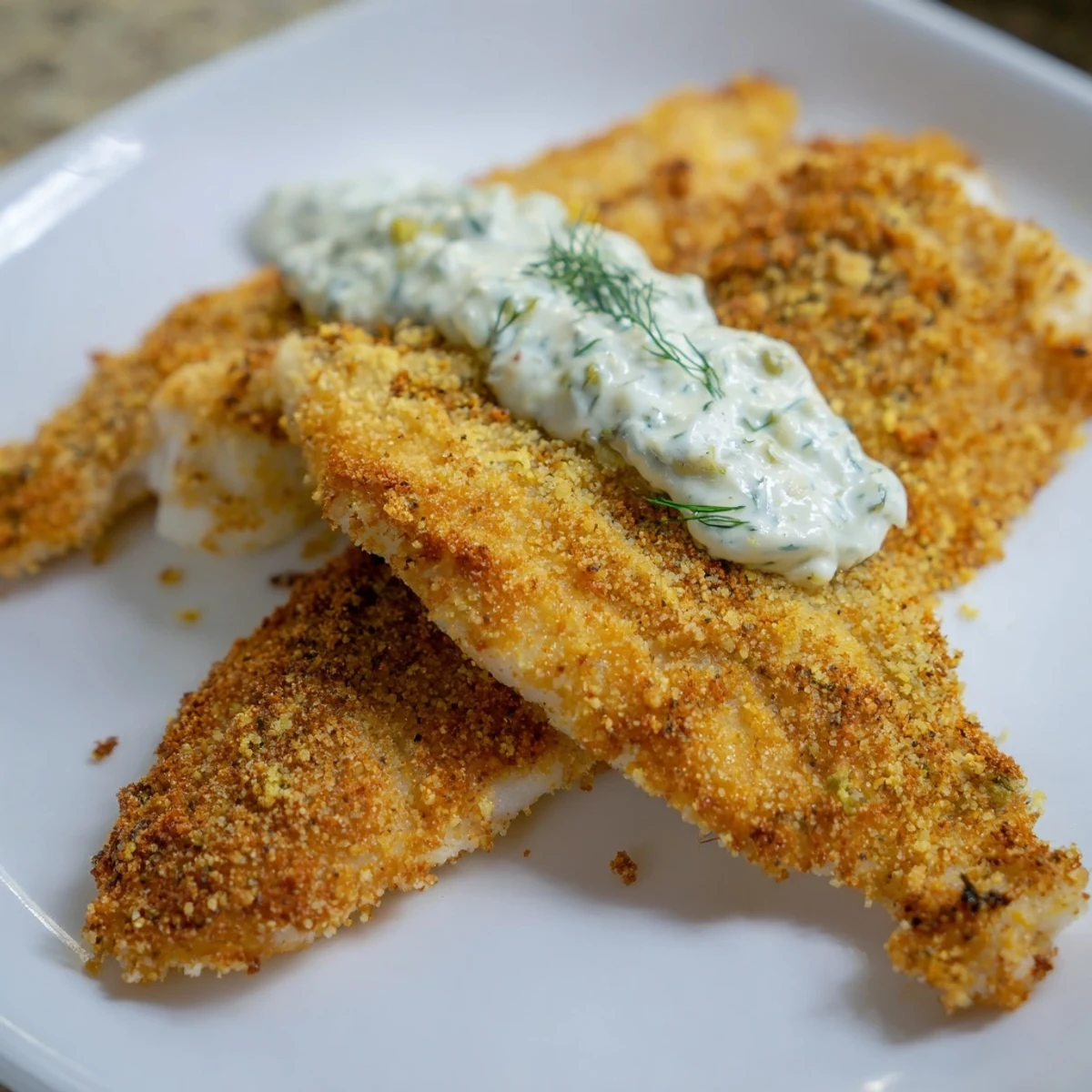
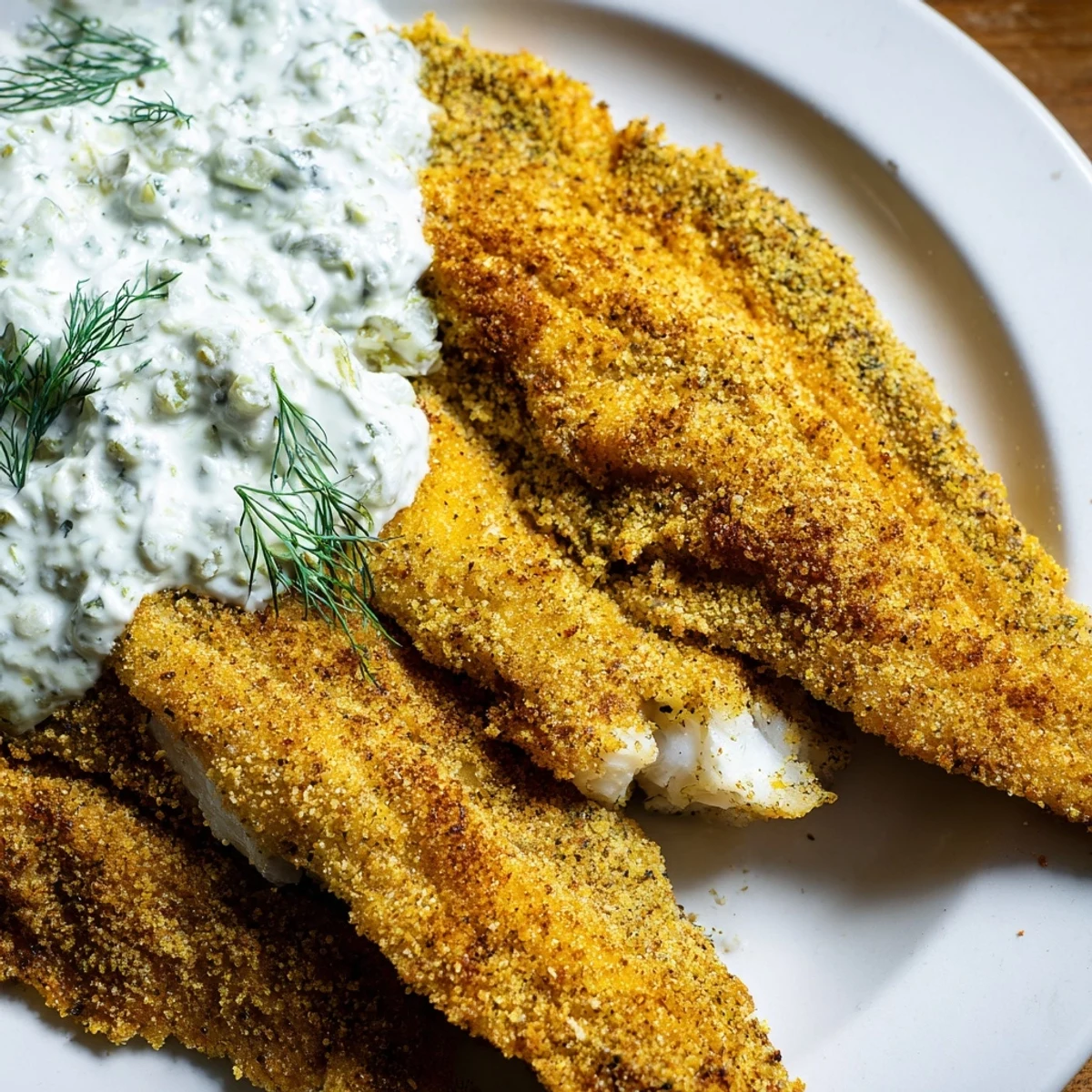
Save This dish features catfish fillets coated in a flavorful blend of cornmeal, Cajun spices, and garlic powder, fried until crispy and golden brown. A tangy tartar sauce made with mayo, capers, pickles, and fresh herbs complements the fillets, providing a refreshing contrast. Ideal for Southern-inspired meals, this preparation balances bold seasoning with creamy, zesty sauce.
Marinating the fish in buttermilk and hot sauce adds moistness and a spicy kick, while frying in hot oil ensures a crunchy exterior. Served best hot, the pairing works wonderfully with sides like coleslaw, hush puppies, or fries for a satisfying dining experience.
The air in my grandmother's kitchen always smelled like cornmeal and hot oil on Friday nights. She'd stand at the stove, one hand on her hip, the other carefully lowering catfish into a cast iron skillet while grandchildren gathered around like hungry birds. That perfect crunch when you bit through the seasoning coating, followed by the tender, sweet fish inside, became my gold standard for Southern cooking.
Last summer, I made this for a backyard gathering and watched my normally reserved neighbor reach for a third piece. Standing there in the warm evening air, paper plates piled high, people forgetting their manners and licking their fingers, I remembered exactly why some foods become traditions. The conversation flowed as easily as the tartar sauce, and suddenly a regular Tuesday night felt like a celebration.
Ingredients
- Catfish fillets: Fresh catfish has a naturally sweet flavor that pairs perfectly with bold seasoning, and about six ounces per person feels generous without being overwhelming
- Buttermilk: This tangy marinade tenderizes the fish while adding a subtle Southern depth that regular milk just can't replicate
- Hot sauce: A couple teaspoons in the marinade provides a gentle background heat that builds without overwhelming the delicate fish
- Yellow cornmeal: The cornerstone of that authentic crunch, yellow cornmeal fries up golden and creates that classic texture everyone expects
- All-purpose flour: Mixed with cornmeal, this helps the coating adhere better and lightens the texture so it's not too gritty
- Cajun seasoning: The backbone of flavor here, but taste yours first since brands vary wildly in salt content and heat level
- Garlic powder and paprika: These two work together to create that beautiful golden color and add aromatic depth to every bite
- Vegetable oil: You need enough for the fish to float freely, about an inch deep in your chosen vessel
- Mayonnaise: Real mayo forms the creamy base of a proper tartar sauce, so don't try substituting with something lighter
- Dill pickles: Chopped finely, these provide the essential tangy crunch that makes tartar sauce sing
- Capers: These little brined buds add a sophisticated brine that cuts through the rich fried fish perfectly
- Fresh lemon juice: Bright and acidic, this balances the rich mayonnaise and complements the cornmeal coating
- Dijon mustard: Just a teaspoon adds a sharp complexity that elevates the sauce beyond mere condiment status
- Fresh parsley: Chopped parsley adds color and a fresh herbal note that makes the sauce taste homemade
Instructions
- Marinate the catfish:
- Whisk buttermilk and hot sauce in a shallow dish until combined, then add catfish fillets and turn to coat. Cover and refrigerate for at least 15 minutes, though an hour gives you deeper flavor penetration and more tender results.
- Mix your coating:
- Combine cornmeal, flour, Cajun seasoning, garlic powder, paprika, salt, and pepper on a large plate or in a shallow bowl. Make sure everything is evenly distributed so each fillet gets consistent seasoning.
- Heat your oil:
- Pour vegetable oil into a deep skillet or Dutch oven until it's about an inch deep. Heat to 350°F, using a kitchen thermometer if you have one, because the right temperature makes all the difference between perfect crunch and soggy disappointment.
- Coat the fish:
- Lift fillets from the marinade and let excess drip off briefly, then press into the cornmeal mixture. Gently press the coating onto the fish to help it adhere, shaking off any loose excess before frying.
- Fry to golden perfection:
- Carefully lower fillets into hot oil, cooking in batches so you don't crowd the pan and drop the temperature. Fry for 3 to 4 minutes per side until deep golden brown and crisp, then transfer to paper towels to drain.
- Make the tartar sauce:
- While fish drains, combine mayonnaise, chopped pickles, capers, lemon juice, Dijon mustard, and parsley in a small bowl. Mix thoroughly and taste, adding salt and pepper until the flavors pop exactly how you like them.
- Serve while hot:
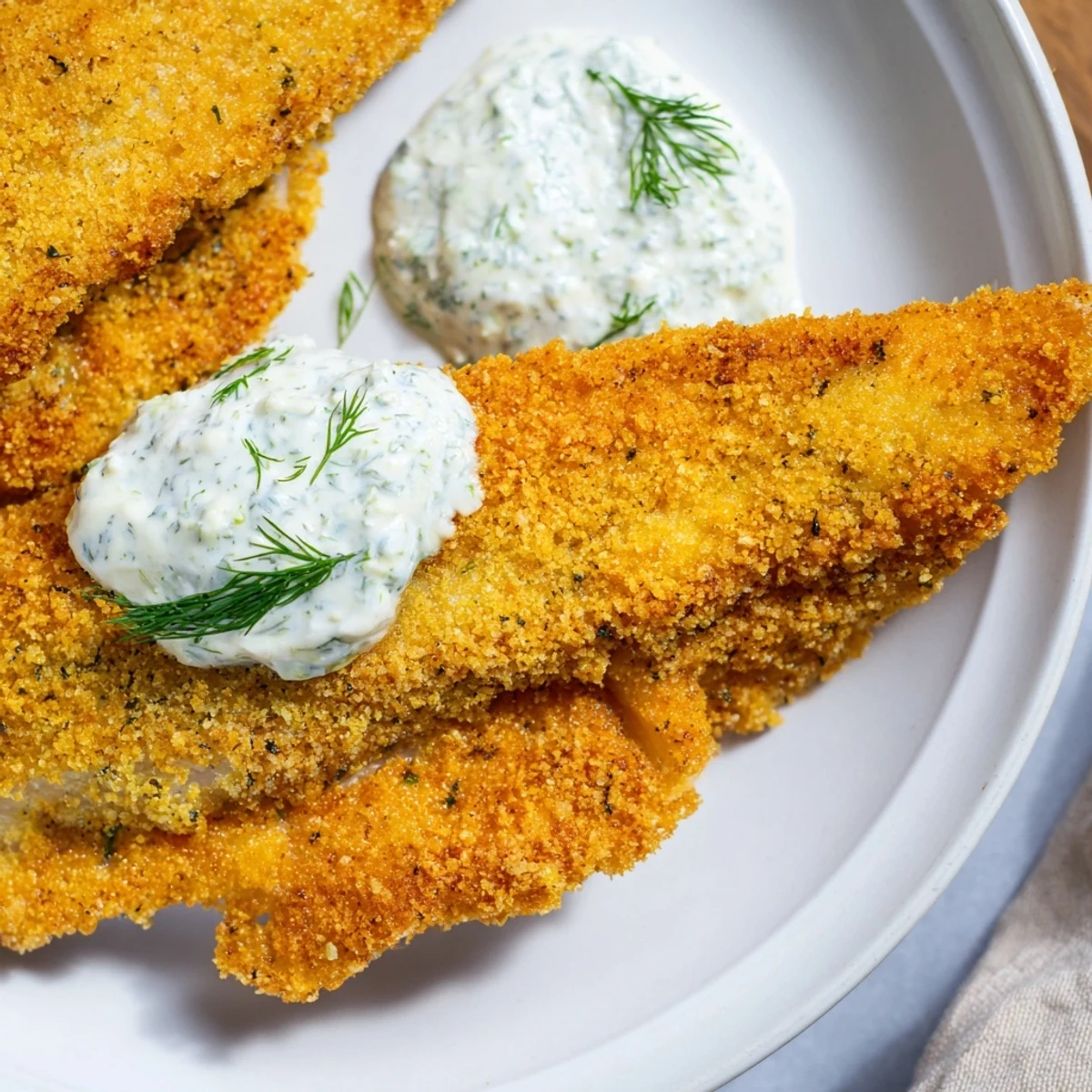
- Plate the crispy catfish immediately with a generous dollop of tartar sauce on the side. The contrast between hot, crunchy fish and cool, tangy sauce is what makes this combination legendary.
 Save
Save My friend's seven-year-old, who supposedly hates fish, ate three pieces at a summer cookout and then asked if we could have this every week. Watching him discover that good catfish is nothing like the fish sticks he'd been avoiding made me realize this recipe isn't just about dinner—it's about changing minds and creating memories around a platter of golden fillets.
Getting That Perfect Crunch
The secret to restaurant-style crunch is letting your coated fish sit on a wire rack for about ten minutes before frying. This drying time lets the coating set slightly and form a better bond with the fish, resulting in a crust that stays put through every bite. I learned this the hard way after years of coating sliding off in the oil, and now I never skip this simple step that makes such a dramatic difference.
Oil Temperature Mastery
Investing in a kitchen thermometer transformed my frying game completely. Before that, I was guessing and ending up with either raw fish or burnt coating, never finding that sweet spot in between. Now I know that maintaining 350°F consistently produces perfectly cooked fish with gorgeous golden exteriors every single time, no guessing required.
Make It Your Own
The beauty of this recipe is how easily it adapts to what you love or have on hand. Sometimes I add a pinch of cayenne to the coating when I want extra fire, or swap in creole seasoning if Cajun feels too intense. The tartar sauce welcomes experimentation too—try chopped hard-boiled eggs, a dash of hot sauce, or even a little grated onion for variations that keep things interesting.
- Let your oil return to temperature between batches so each piece cooks evenly
- Season your tartar sauce generously, as it needs to stand up to the bold spices on the fish
- Don't be afraid to get your hands in there when coating—the gentle pressure really helps
 Save
Save There's something deeply satisfying about plating a stack of perfectly fried catfish, golden and fragrant, surrounded by the people you love. This is the kind of food that turns ordinary dinners into occasions, creating those small moments we remember long after the plates are cleared.
Recipe FAQs
- → How do you achieve a crispy coating on fried catfish?
-
Using a mixture of cornmeal and flour combined with Cajun spices ensures a crunchy texture. Pressing the coating firmly onto the marinated fillets before frying helps it adhere well.
- → What is the purpose of marinating catfish in buttermilk and hot sauce?
-
Marinating softens the fish and infuses it with subtle heat, enhancing flavor and tenderness before frying.
- → How can I adjust the tartar sauce to suit different tastes?
-
Modify the amount of lemon juice, capers, and pickles to balance tanginess and saltiness, or add fresh herbs like dill and parsley for added freshness.
- → What oil is recommended for frying catfish?
-
Vegetable oil with a high smoke point works best to achieve even frying at the required temperature without burning.
- → Can other fish be used instead of catfish?
-
Yes, similar firm white fish like tilapia or cod can be used as substitutes with the same preparation method.