 Save
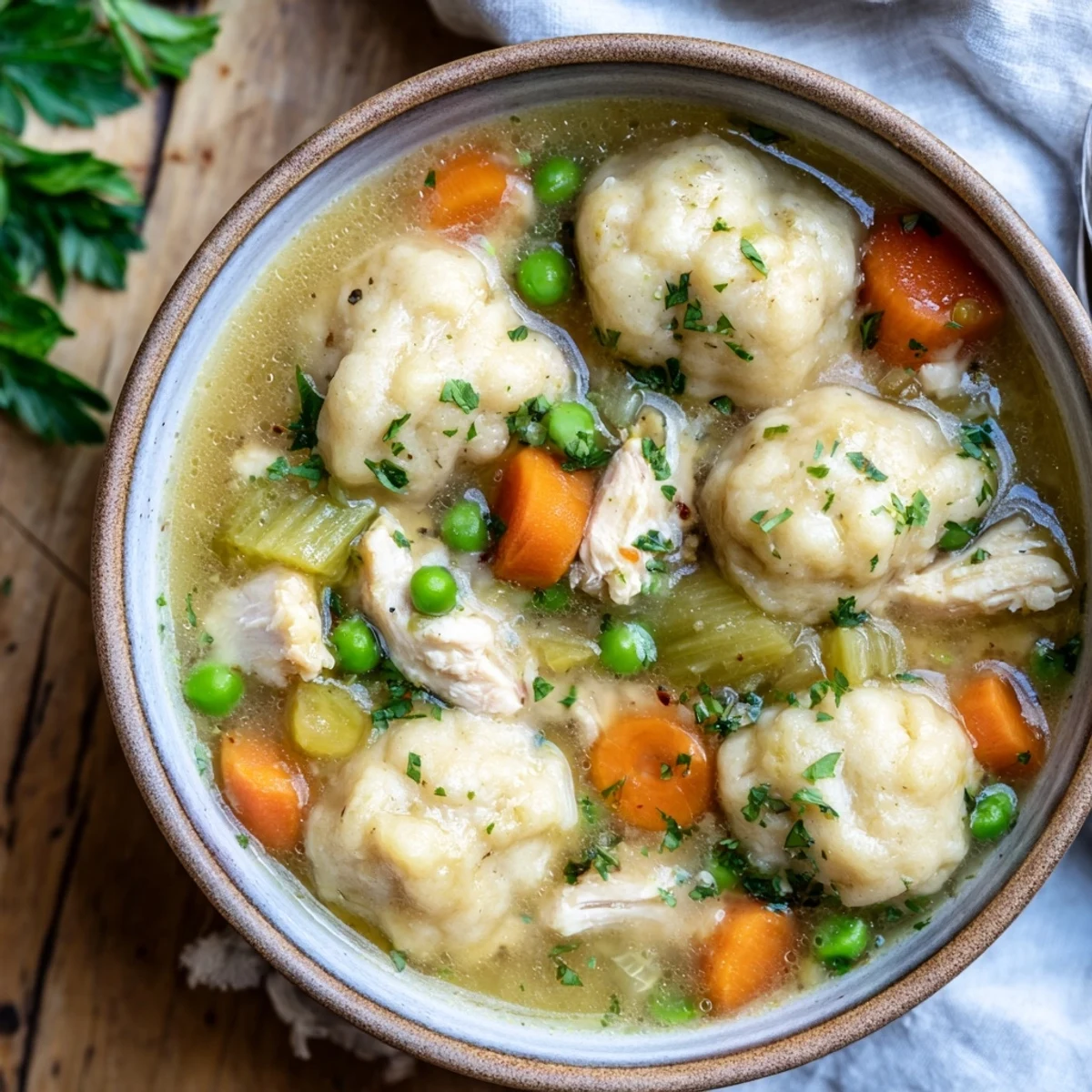
Save This satisfying bowl combines bite-sized chicken pieces with aromatic vegetables in a savory broth, topped with light and fluffy dumplings. Everything simmers together in a single pot, creating rich flavors while keeping cleanup minimal. The homemade dumplings cook directly in the broth, becoming tender and absorbing all the delicious flavors. Perfect for cold weather or when you need something nourishing and warming on the table.
The winter our old heater broke down, my kitchen became the only warm room in the house. I stood by the stove stirring this soup for forty minutes, steam fogging up the windows while dumplings puffed up like little clouds. My roommate kept peeking in, asking if it was done yet, that smell of thyme and simmering chicken driving us both crazy.
My grandmother never measured anything when she made chicken soup, just shook her hand over the pot and called it done. I tried that approach once with the dumplings and ended up with hockey pucks floating in my broth. Now I follow a recipe, but I still think of her every time I drop that first spoonful of batter into the simmering soup.
Ingredients
- Chicken thighs or breasts: Thighs stay juicier during long simmering, but breasts work if you prefer leaner meat.
- Olive oil: Creates a nice fond at the bottom of the pot that adds depth to the broth.
- Onion, garlic, carrots, celery: This classic aromatic base builds layers of flavor from the very start.
- Bay leaf, dried thyme, sage: These herbs give the soup that comforting, old-fashioned taste.
- Chicken broth: Low-sodium lets you control the salt level, which varies so much between brands.
- Frozen peas: They add sweetness and color without any prep work.
- All-purpose flour: The protein content helps create tender dumplings that hold their shape.
- Baking powder: This is what makes the dumplings rise and become fluffy instead of dense.
- Whole milk: Creates a richer, more tender dumpling than water or low-fat milk.
Instructions
- Build the aromatic base:
- Heat olive oil in a large Dutch oven or soup pot over medium heat. Add the onions and cook until translucent, about 4 minutes. Stir in garlic, carrots, and celery, cooking for another 3 minutes until they soften and release their fragrance.
- Brown the chicken:
- Add the chicken pieces and sauté until lightly browned, about 4 to 5 minutes. This step creates flavor compounds that will infuse the entire soup as it simmers.
- Add the broth and seasonings:
- Stir in bay leaf, thyme, sage, salt, and pepper. Pour in the chicken broth and bring to a boil, scraping up any browned bits from the bottom of the pot.
- Simmer the soup:
- Reduce heat to a simmer, cover, and cook for 15 minutes, until the chicken is tender and vegetables are softened. The broth should smell amazing and taste slightly concentrated.
- Mix the dumpling batter:
- In a medium bowl, whisk together flour, baking powder, and salt. Stir in melted butter and milk until just combined. Fold in parsley if using. Do not overmix, a few lumps are perfectly fine.
- Prep for dumplings:
- Remove the bay leaf from the soup. Stir in the frozen peas and return the soup to a gentle simmer.
- Add the dumplings:
- Drop tablespoons of dumpling batter onto the simmering soup. You should get about 12 dumplings. Cover and simmer gently for 15 minutes without lifting the lid, until dumplings are puffed and cooked through.
- Finish and serve:
- Taste and adjust seasoning as needed. Serve hot, garnished with extra parsley if desired and maybe some crusty bread on the side.
 Save
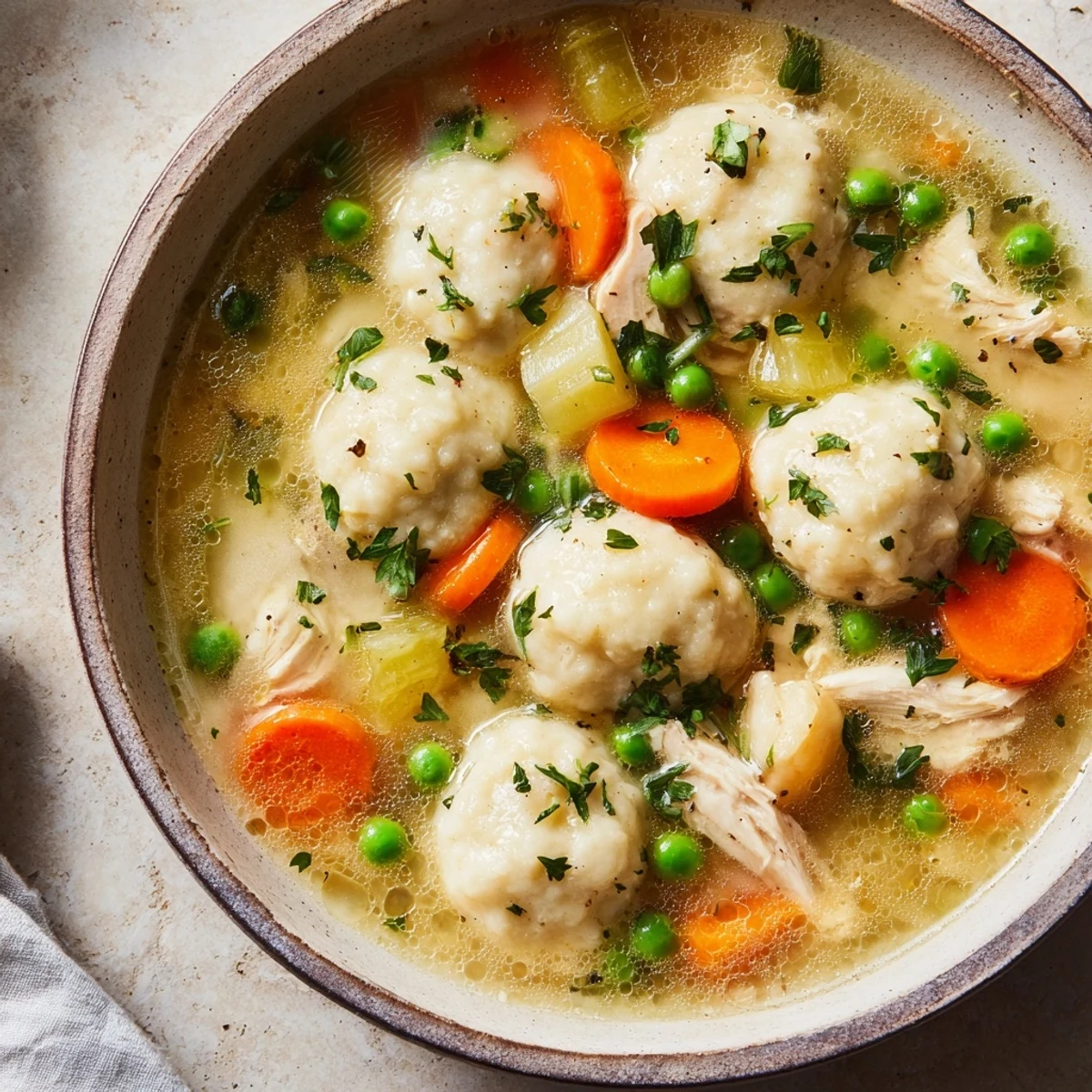
Save This soup became our go-to sick day meal during college, cheap enough for a student budget but filling enough to feed four hungry roommates. We would fight over who got the last dumpling, steam rising from our bowls as we sat cross-legged on the living room floor watching movies between naps.
Making It Ahead
The soup base freezes beautifully for up to three months, but I recommend making fresh dumplings when you reheat it. They take five minutes to mix together and the texture difference is worth the tiny bit of extra effort.
Choosing Your Chicken
Boneless thighs stay moister during the long simmer, which matters in a soup where the meat cooks twice. If you use breasts, keep an eye on them during the initial simmer and remove them if they seem to be getting too dry before the dumplings go in.
Dumpling Secrets
Overmixing the dumpling batter is the most common mistake, leading to tough, chewy dumplings instead of tender ones. Stir just until the flour disappears.
- Let your melted butter cool slightly before adding it to prevent curdling the milk.
- The batter should be thick enough to hold its shape when dropped from a spoon.
- If you accidentally make the batter too thin, add another tablespoon of flour.
 Save
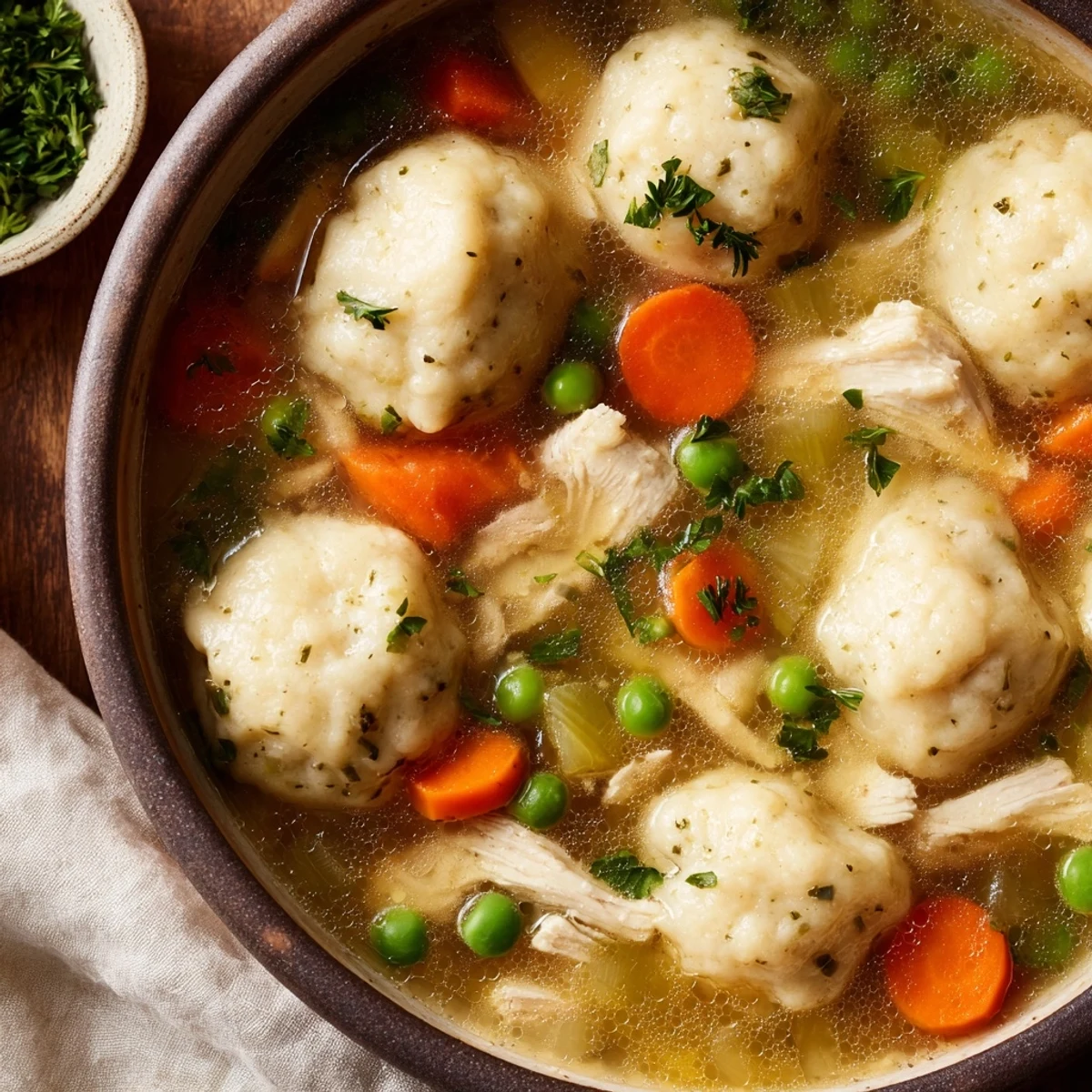
Save Some of the best meals are the ones that require nothing more than a spoon and a warm bowl. This soup has seen me through sick days, cold nights, and too many Mondays to count.
Recipe FAQs
- → Can I make this ahead of time?
-
You can prepare the soup base up to 2 days in advance and store it in the refrigerator. However, it's best to add and cook the dumplings fresh, as they can become soggy if reheated. If storing, keep the dumpling batter separate and drop them into the reheated soup when ready to serve.
- → Can I use rotisserie chicken instead?
-
Yes, you can substitute cooked rotisserie chicken for the raw chicken thighs or breasts. Add shredded rotisserie chicken during step 4 when you stir in the peas, then proceed with dropping the dumplings. This reduces cooking time and is a great way to use up leftover chicken.
- → How do I know when the dumplings are done?
-
The dumplings are cooked through when they are puffed and firm to the touch, typically after 15 minutes of gentle simmering. Avoid lifting the lid during cooking, as the trapped steam is essential for properly cooking the dumplings. Insert a toothpick into the center of a dumpling—if it comes out clean, they're done.
- → Can I freeze this?
-
The soup base freezes well for up to 3 months. However, dumplings don't freeze and reheat nicely, so it's best to freeze the soup without dumplings and make fresh ones when reheating. Allow the soup to cool completely before transferring to freezer-safe containers.
- → What vegetables can I add?
-
Beyond the classic carrots, celery, and onions, you can add diced potatoes, green beans, corn, or kale. Add hearty vegetables like potatoes during the initial simmer, while quick-cooking vegetables like spinach or peas can be stirred in just before adding the dumplings.