 Save
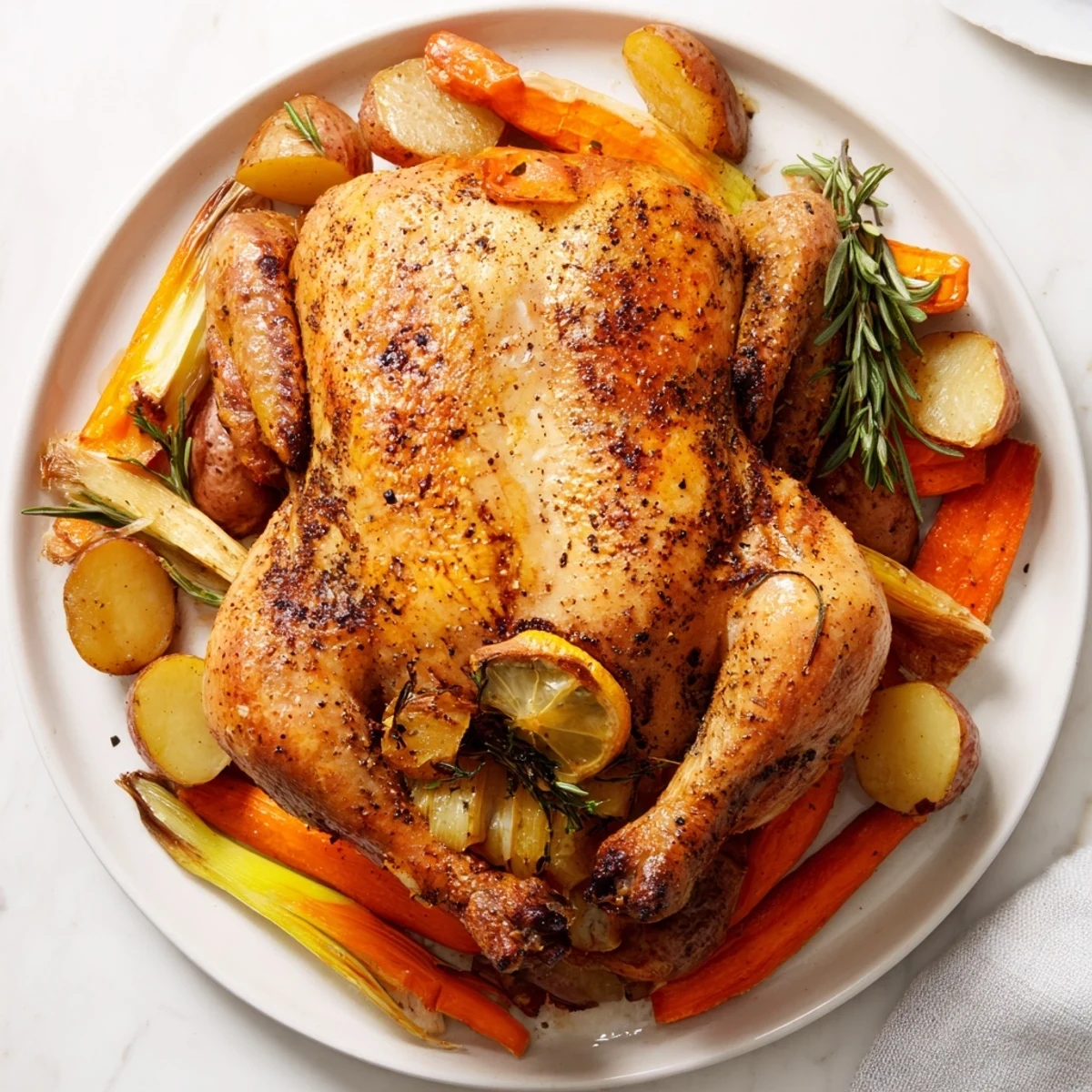
Save This dish highlights a whole chicken seasoned with olive oil, kosher salt, and black pepper, then stuffed with lemon halves, fresh rosemary, garlic, and onion quarters. Roasted at high heat, it develops a crispy skin and juicy interior. Optional root vegetables like carrots, celery, and baby potatoes can be roasted alongside, soaking up the aromatic pan juices. Resting the chicken after cooking ensures tenderness. This simple, flavorful preparation pairs well with a dry white wine.
There's something almost sacred about roasting a whole chicken. I remember the first time I nailed it - golden skin crackling, the kitchen filled with the most intoxicating aroma of lemon and rosemary - and suddenly understood why this simple dish has graced tables for generations. It became the recipe I'd reach for when I wanted to feel like I knew what I was doing in the kitchen.
I'll never forget the evening unexpected guests arrived and I pulled this chicken from the oven. The way their faces lit up when they walked in, drawn by that smell - it taught me that the best meals aren't about complexity, they're about confidence and a bird that's been treated right.
Ingredients
- 1 whole chicken (about 1.5 kg / 3.5 lbs), giblets removed: Choose one with good color and dry skin - that matters more than you'd think for crisping up beautifully
- 2 tablespoons olive oil: Use something you'd actually taste, not the bottom-shelf stuff. Good olive oil is how this becomes magnificent.
- 1 teaspoon kosher salt: Kosher salt dissolves differently than table salt, giving you better seasoning control. This is the kind of thing that separates okay from excellent.
- 1/2 teaspoon black pepper: Freshly cracked if you possibly can - it makes a real difference in the final taste
- 1 lemon, halved: Don't use bottled juice. A real lemon's oils and brightness transform the bird from good to unforgettable.
- 4 sprigs fresh rosemary: Fresh rosemary brings an herbaceous perfume that dried simply cannot replicate. Break the sprigs gently as you stuff them to release more oils.
- 4 cloves garlic, smashed: Smashing them (don't peel) releases their essence without burning them as easily as whole cloves would
- 1 small onion, quartered: It flavors the bird from inside and makes the pan juices deeper and more complex
- 3 carrots, cut into large chunks: These roast alongside and soak up all that golden chicken fat - optional but I never skip them
- 2 celery stalks, cut into large pieces: Part of that holy trinity that builds flavor in the pan
- 1 cup baby potatoes, halved: These become little golden pockets of richness, almost candied where they touch the pan
Instructions
- Get Everything Ready:
- Preheat your oven to 425°F (220°C) and let it sit there while you work. You want real heat waiting for that chicken. Pat the bird completely dry with paper towels - this is the secret to that shatteringly crisp skin everyone raves about. Wetness is the enemy of crispness.
- The Oil and Seasoning Part:
- Rub the olive oil all over the chicken, really getting under where the wings meet the body, under the legs, everywhere. Then shower it generously with salt and pepper, inside that cavity too. This is not the time to be shy with seasoning - it's what builds that golden, flavorful skin.
- Stuff It with Fragrance:
- Now the magic part. Stuff that cavity with the lemon halves, rosemary sprigs, garlic cloves, and onion quarters. As you do this, you'll start smelling it - that's how you know the aromatics are going to infuse into the meat as it cooks.
- Add Your Vegetables (If You're Using Them):
- Scatter the carrots, celery, and potatoes around the chicken in your roasting pan. They'll cook in that chicken fat and become tender little flavor-soaked vegetables. This is optional only in the way that happiness is optional - technically you can live without it.
- Tie It Up and Tuck It In:
- Tie the legs together with kitchen twine to help it cook evenly and look elegant. Tuck those wing tips under the body - it helps them cook at the same rate as everything else.
- The Main Event:
- Put it on the center rack for 1 hour 15 minutes. You're looking for the juices running clear when you pierce the thigh, and an instant-read thermometer should register 165°F (74°C) at the thickest part. Trust the thermometer more than the color - it's honest.
- The Hardest Part:
- Let it rest for 10 minutes. I know it smells like heaven and you want to dive in, but this resting time is when the chicken redistributes its juices. Cut into it too early and you lose that magic. Those 10 minutes matter.
- Serving:
- Carve it up, pour those pan juices over everything, and watch people's faces light up. Serve with the roasted vegetables you've made alongside it.
 Save
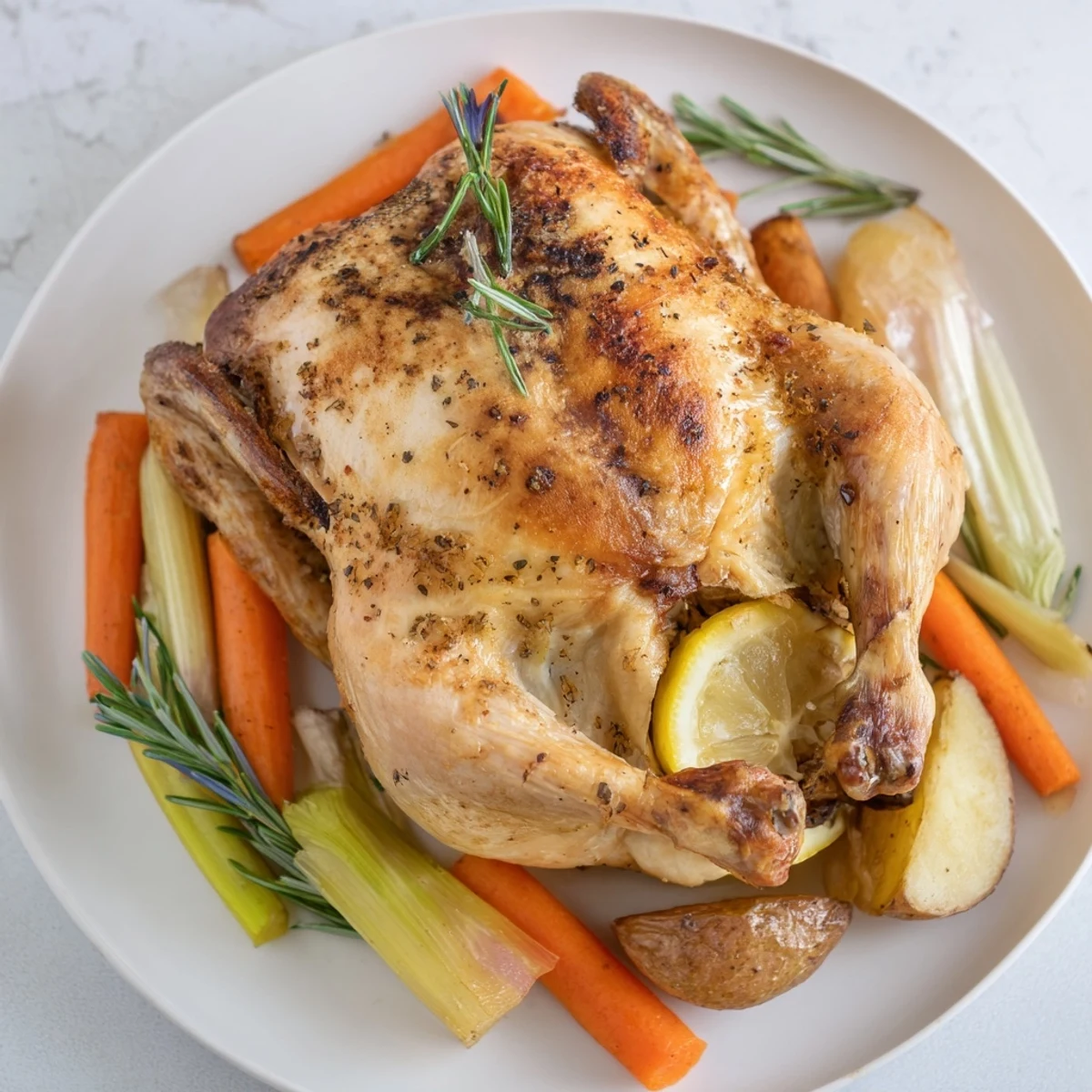
Save This recipe became my anchor during the season when we needed comfort most. There's something about gathering around a whole roasted chicken that makes conversation easier, laughter louder, and even ordinary Tuesday nights feel like celebrations.
Keeping It Fresh
Leftover roasted chicken is one of the best gifts your past self can give your future self. Store it in an airtight container in the refrigerator for up to four days, and honestly, cold chicken with good mayo and lettuce might be better than the hot version. You can also shred that meat and use it in salads, soups, or grain bowls - it's incredibly versatile once you're done with the elegant presentation.
When You're Missing Something
This is where flexibility lives. Don't have fresh rosemary? Thyme works beautifully, or use both for an herbaceous depth. Out of lemon? Lime brings a different brightness but still transforms the bird. The core technique of seasoning well, roasting hot, and letting it rest is what makes this work - the specific aromatics can dance around based on what your pantry holds.
Making It Ahead and Serving Ideas
You can prep this chicken completely the night before - stuffed, seasoned, and ready to go into the oven. Just pull it out of the fridge about 20 minutes before roasting so it doesn't go into extreme heat from a cold start. For serving, this sings alongside a dry white wine like Sauvignon Blanc or Vermentino. The acidity cuts through the richness, and the brightness echoes the lemon in the bird itself. Serve it with crusty bread to soak up those pan juices, some roasted vegetables, and maybe a simple salad if your heart desires it.
- For crispier skin, leave the whole prepared chicken uncovered in the refrigerator for one hour before roasting - it dries the skin even further
- If your oven runs hot, check the chicken at the hour mark rather than waiting the full hour fifteen minutes
- Save those pan juices, strain out the solids, and use that liquid for making the most flavorful chicken stock imaginable
 Save
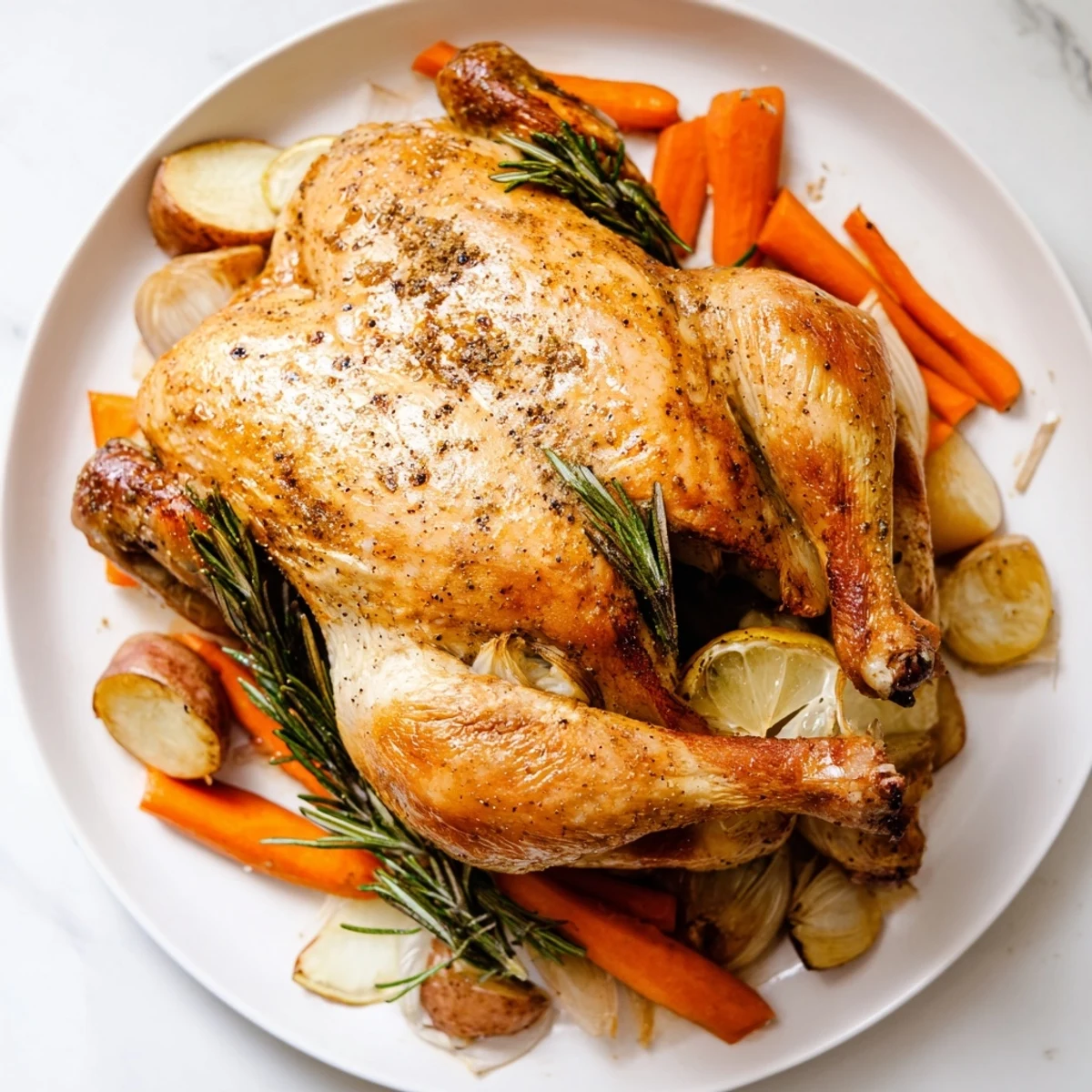
Save This roasted chicken taught me that sometimes the most meaningful meals are the simplest ones, made with attention and good ingredients. Every time you pull this from the oven, you're making something people will remember.
Recipe FAQs
- → What temperature is best for roasting the chicken?
-
Roast the chicken at 425°F (220°C) to achieve crispy skin while keeping the meat juicy.
- → How to ensure the chicken is fully cooked?
-
Use a meat thermometer to check that the thickest part of the thigh reaches 165°F (74°C).
- → Can I prepare the chicken ahead of time?
-
Yes, letting the chicken rest uncovered in the refrigerator for an hour before roasting enhances skin crispiness.
- → What herbs can I use besides rosemary?
-
Thyme can be substituted or combined with rosemary for a different flavor profile.
- → Are there recommended side vegetables for roasting?
-
Carrots, celery, and baby potatoes are ideal for roasting alongside the chicken and absorb flavorful juices.