 Save
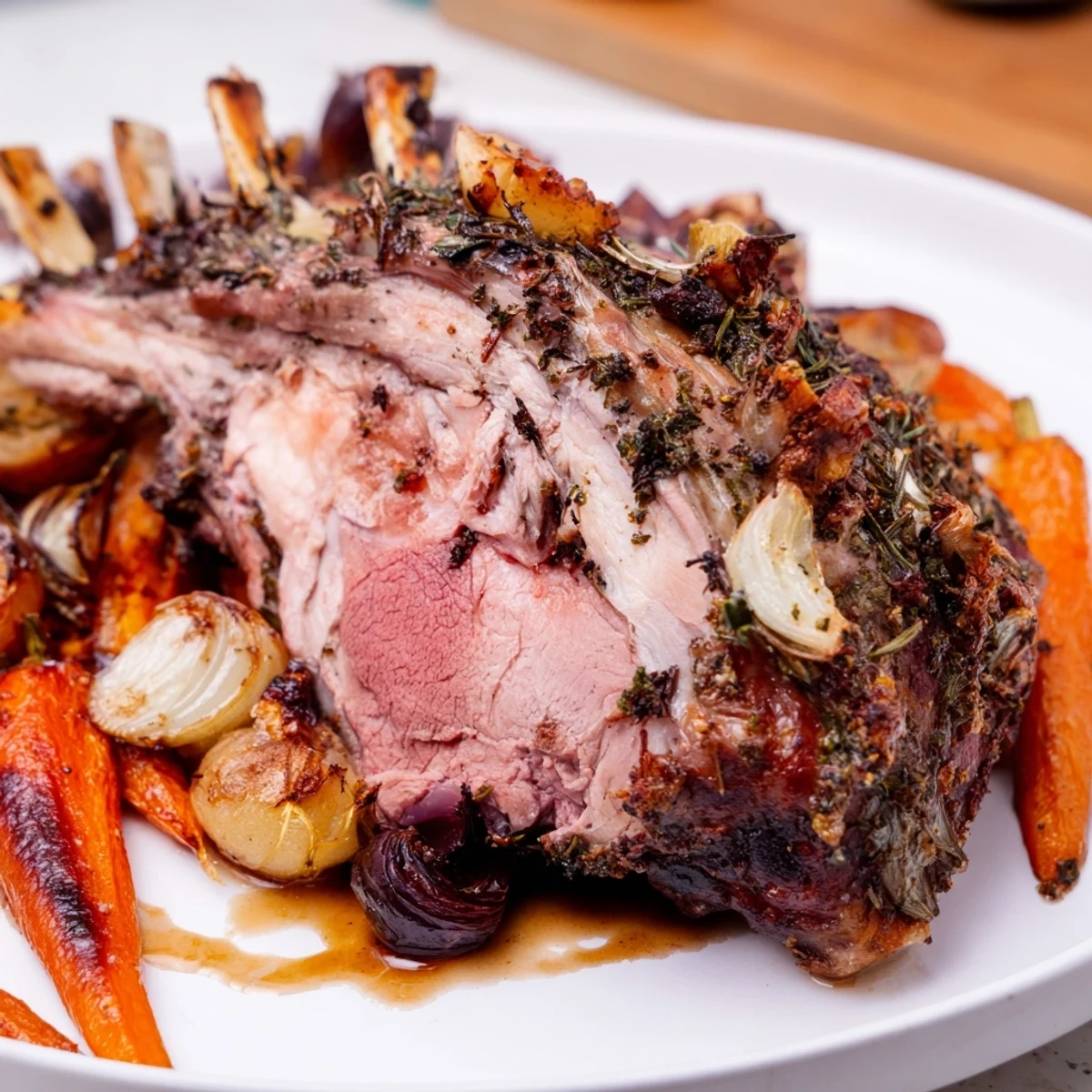
Save Experience a Mediterranean classic featuring a juicy leg of lamb infused with fresh rosemary, garlic, and lemon zest. The lamb is carefully slashed and filled with garlic cloves, then rubbed with an aromatic herb blend before roasting over a bed of onions, carrots, and garlic. A splash of white wine or stock adds depth, while resting ensures moist, tender slices perfect for sharing. Ideal for festive gatherings or a comforting family dinner, this dish balances robust flavors and satisfying textures.
The kitchen still smells like that Easter Sunday when my brother announced he was bringing six friends over for dinner, turning my planned intimate family meal into a feeding frenzy. I had this massive leg of lamb staring back at me, and honestly, I was terrified of ruining it. But something magical happened when those garlic cloves hit the hot pan, and suddenly I understood why this dish has graced celebration tables for centuries.
Last Christmas, I accidentally discovered that marinating overnight transforms this from merely delicious to absolutely unforgettable. My sister-in-law actually asked for the recipe before she finished her first serving, which is basically the highest compliment possible in our family.
Ingredients
- 2.2 kg (5 lb) bone-in leg of lamb: The bone adds incredible depth to the pan juices and helps insulate the meat for more even cooking
- 4 tbsp olive oil: Creates the perfect carrier for all those aromatic herbs and ensures a beautiful golden crust develops
- 6 garlic cloves, peeled and halved: Stuffing these into slits means every bite delivers pockets of sweet roasted garlic flavor
- 2 tbsp fresh rosemary leaves: This woody herb was practically made for lamb, and fresh makes a noticeable difference over dried
- 1 tbsp fresh thyme leaves: An optional addition that adds a subtle earthy layer I have grown to love
- 1 tbsp coarse sea salt: Larger crystals create a better crust and help tenderize the meat surface as it roasts
- 1 ½ tsp black pepper: Freshly cracked gives the best spicy warmth that cuts through the rich lamb
- Zest of 1 lemon: Brightens everything and cuts the richness in the most lovely subtle way
- 2 large onions, thickly sliced: These form the foundation of your roasting bed and become sweetly caramelized
- 3 large carrots, cut into large chunks: Release natural sweetness into the pan juices while they cook underneath
- 1 bulb garlic, halved horizontally: Whole roasted cloves become mellow and spreadable, perfect with the lamb
- 250 ml (1 cup) dry white wine or low-sodium chicken stock: Creates aromatic steam and forms the base of those incredible pan juices
Instructions
- Preheat and prepare your lamb:
- Heat your oven to 200°C (400°F) and thoroughly pat the lamb leg dry with paper towels for better searing
- Mix your aromatic paste:
- Combine olive oil, chopped rosemary, thyme if using, lemon zest, salt, and pepper in a small bowl until fragrant
- Make strategic incisions:
- Using a sharp knife, cut deep slits all over the lamb and tuck halved garlic cloves inside each one
- Massage with the herb mixture:
- Rub the paste thoroughly over every surface, working it into any crevices for maximum flavor penetration
- Build the vegetable bed:
- Arrange onion slices, carrot chunks, and halved garlic bulb in a large roasting pan to elevate the lamb
- Position and add liquid:
- Place the seasoned lamb on top of the vegetables and pour wine or stock into the bottom of the pan
- Initial high-heat roast:
- Cook for 20 minutes to develop a gorgeous crust, then reduce temperature to 180°C (350°F)
- Finish roasting to temperature:
- Continue for 1 hour 10 minutes until reaching 60°C (140°F) for medium-rare, basting occasionally with pan juices
- Rest before carving:
- Remove from oven, tent loosely with foil, and let rest 15 to 20 minutes so juices redistribute throughout the meat
- Serve with pan juices:
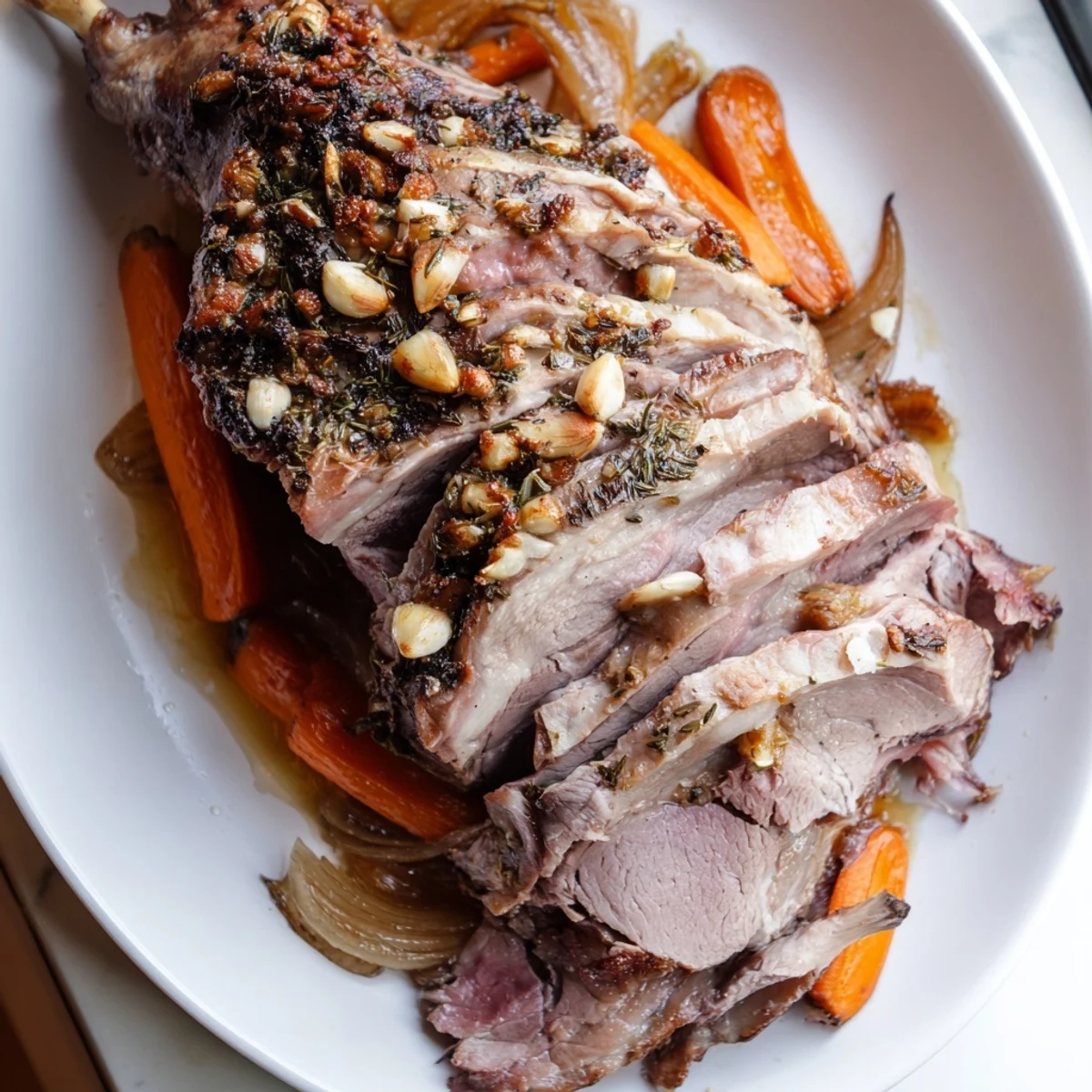
- Carve against the grain and arrange slices with roasted vegetables and those precious pan juices spooned over everything
 Save
Save There is something profoundly satisfying about placing that platter of carved lamb on the table and watching everyone reach for seconds without even being asked. This recipe has become my go-to for moments that matter.
Making It Ahead
I have learned that marinating the lamb overnight in the refrigerator creates depth of flavor that simply cannot be rushed. The next morning, bring it to room temperature for about an hour before roasting for more even cooking.
Choosing Your Doneness
While medium-rare is traditional, I have cooked this to medium (65°C/150°F) for cautious family members and still found it wonderfully juicy. Just remember that well-done lamb tends to become less tender.
Perfect Pairings and Serving
A robust red wine like Cabernet Sauvignon or Syrah stands up beautifully to the rich flavors of the lamb. For sides, consider roasted baby potatoes, parsnips, or a simple green salad dressed with lemon vinaigrette to balance the richness.
- Leftover lamb makes incredible sandwiches the next day with some horseradish mayo
- The pan juices can be reduced on the stovetop for an intensely flavorful gravy
- Store leftover lamb wrapped tightly in the refrigerator for up to three days
 Save
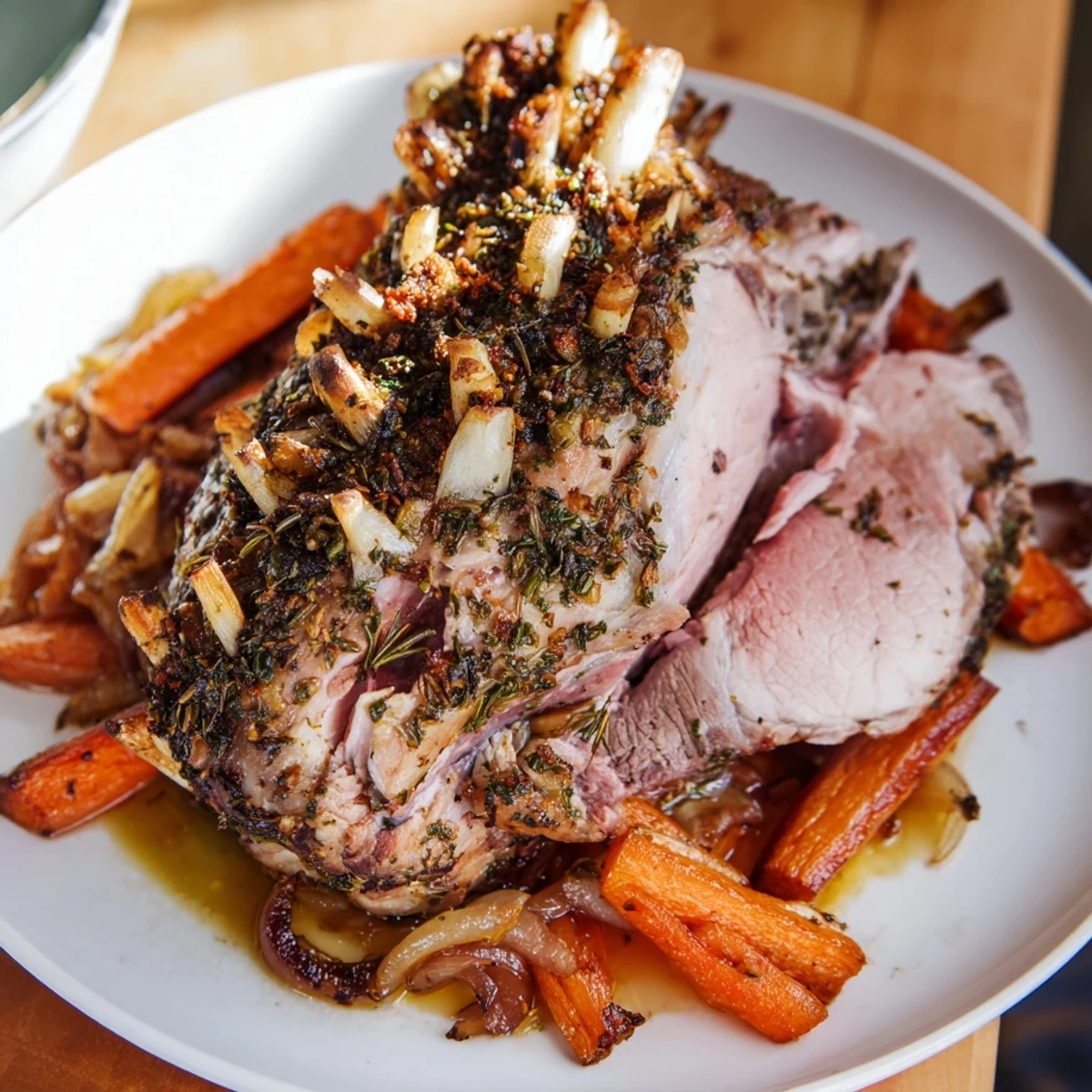
Save This recipe has taught me that some dishes are worth the extra effort and that the best meals are the ones shared with people you love.
Recipe FAQs
- → How do I prepare the lamb for roasting?
-
Start by patting the lamb leg dry, then make deep slits to insert halved garlic cloves. Rub the meat thoroughly with olive oil, rosemary, thyme, lemon zest, salt, and pepper for rich flavor infusion.
- → What is the ideal internal temperature for medium-rare lamb?
-
The target internal temperature for medium-rare lamb is 60°C (140°F). Use a meat thermometer to ensure perfect doneness.
- → Can I substitute the vegetables used under the lamb?
-
Yes, carrots can be replaced with baby potatoes or parsnips depending on your preference, adding a different but complementary flavor profile.
- → What liquids are recommended for roasting this lamb?
-
Dry white wine or low-sodium chicken stock can be poured into the roasting pan to keep the meat moist and add flavor during cooking.
- → Is it necessary to rest the lamb after roasting?
-
Resting the lamb covered loosely with foil for 15-20 minutes helps redistribute juices, resulting in a more tender and succulent final dish.