 Save
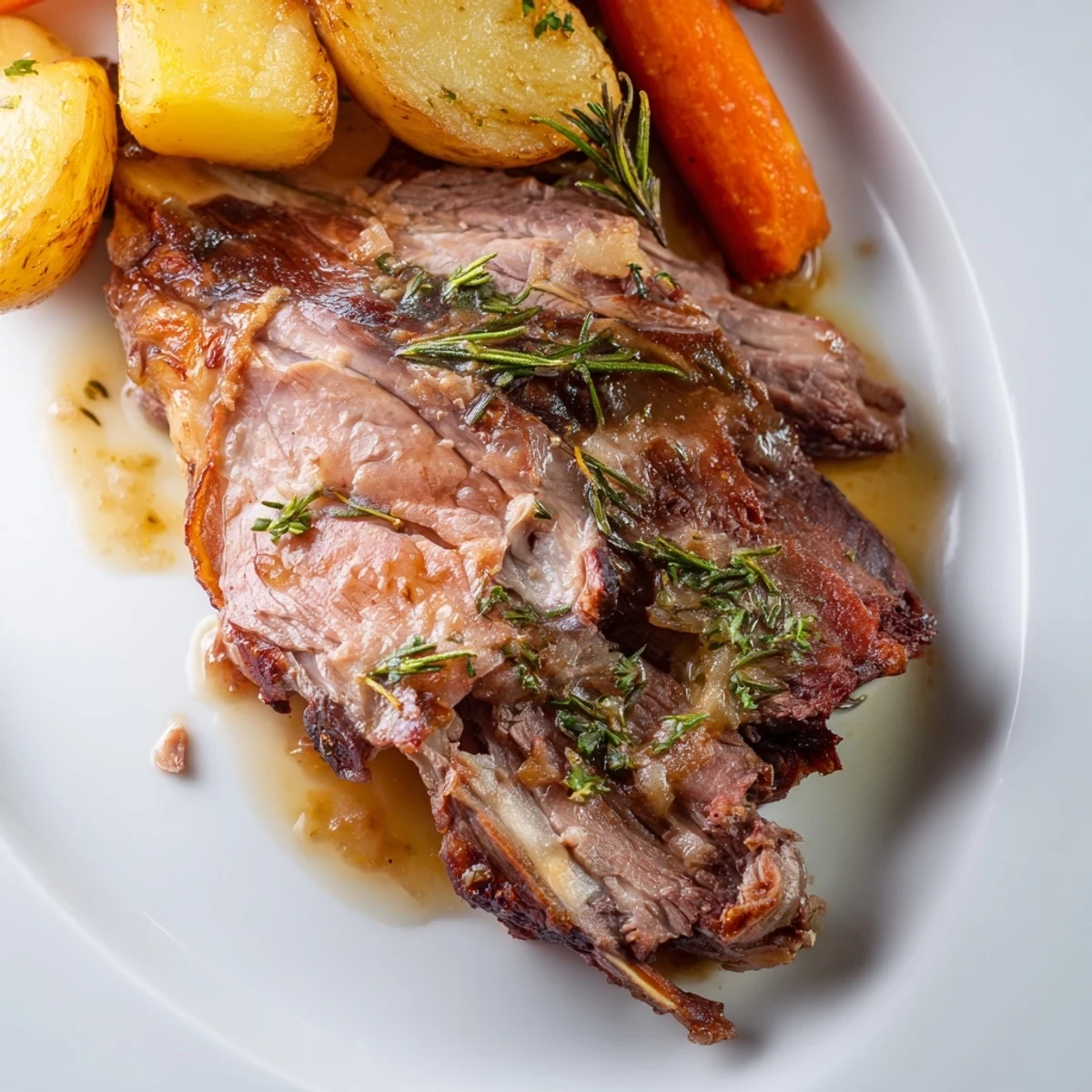
Save This dish features a bone-in leg of lamb seasoned with olive oil, rosemary, thyme, salt, and pepper, roasted alongside hearty chunks of potatoes, carrots, onion, and garlic. The vegetables and lamb cook together in low-sodium broth, infusing rich flavors and creating a warm, satisfying meal. After roasting and proper resting, the lamb is tender and juicy, harmonizing beautifully with the caramelized vegetables. A lemon wedge garnish adds optional brightness.
There's something about the smell of lamb roasting with rosemary that takes me back to my grandmother's kitchen on Sunday afternoons. She'd pull a golden-brown leg of lamb from the oven, surrounded by potatoes that had drunk up all the savory juices, and the whole house would smell like home. I spent years trying to replicate that magic, tweaking temperatures and techniques, until one day it clicked: it wasn't about fancy tricks, just respecting the meat, the heat, and time. Now this is the dish I make when I want to feel that same warmth, and when I want to feed people something that says I care.
I made this for my partner's parents the first time I was invited to their house for dinner, and I was terrified. But something about the smell filling their kitchen as we talked in the living room made the whole evening feel less intimidating. When we carved into that lamb at the table, still steaming and pink in the middle, everyone went quiet for just a moment. That's when I knew this recipe was more than just dinner.
Ingredients
- Bone-in leg of lamb (1.5 kg): The bone isn't just flavor—it's structure, helping the meat cook evenly and giving you something to hold while carving.
- Potatoes (900 g, cut into large chunks): Size matters here; these chunks stay intact and golden while smaller pieces dissolve into starch.
- Carrots (500 g, thick slices): Thick slices mean they won't collapse into the pan juices, and they caramelize beautifully at the edges.
- Onion and garlic (1 large onion, 4 cloves): These dissolve slightly into the pan juices, sweetening them without adding flour or cream.
- Olive oil (3 tbsp total): Part seasons the lamb, part coats the vegetables—don't skip it or everything tastes lean.
- Sea salt and black pepper: Generous seasoning on the meat itself makes all the difference; don't hold back here.
- Fresh rosemary and thyme (1 tbsp each, or 1 tsp dried): Fresh herbs are lovely, but dried work perfectly fine and sometimes feel more concentrated.
- Broth (250 ml): This becomes your pan sauce, so use something you'd actually drink; low-sodium matters because you'll reduce it.
- Lemon wedges (optional): A squeeze of brightness at the end lifts everything and cuts through the richness.
Instructions
- Prep your lamb and vegetables:
- Pat the lamb completely dry with paper towels—moisture is the enemy of browning. Rub it generously with 2 tablespoons of olive oil, salt, pepper, rosemary, and thyme, working the herbs into every crevice. While that sits for a moment, cut your potatoes and carrots into chunky pieces; this is where you have a little freedom, so make them roughly the same size so they cook together.
- Build your roasting pan:
- Toss the potatoes, carrots, onion, and smashed garlic with that last tablespoon of olive oil and a pinch of salt and pepper. Spread them in a large roasting pan in a single layer, then nestle the lamb right on top of them like it's sitting on a bed. Pour the broth into the bottom of the pan—not over the lamb, just around it.
- First roast at high heat:
- Slide everything into a 200°C (400°F) oven for 1 hour without touching it. The high heat will deepen the color on the lamb's exterior and start crisping the potatoes. You might hear sizzling and smell that rosemary intensifying—that's exactly what should be happening.
- Lower the heat and finish:
- After an hour, pull the pan out and carefully baste the lamb with the pan juices using a spoon or brush; this keeps it moist and builds flavor. Lower the oven to 180°C (350°F) and roast for another 30–45 minutes, depending on how pink you like your lamb. An internal temperature of 60°C (140°F) is medium-rare and tender.
- Rest before carving:
- This step isn't optional: remove the lamb, drape it loosely with foil, and let it sit for 15 minutes. This allows the juices to redistribute instead of running all over your plate. Meanwhile, your vegetables stay warm in the pan.
- Plate and serve:
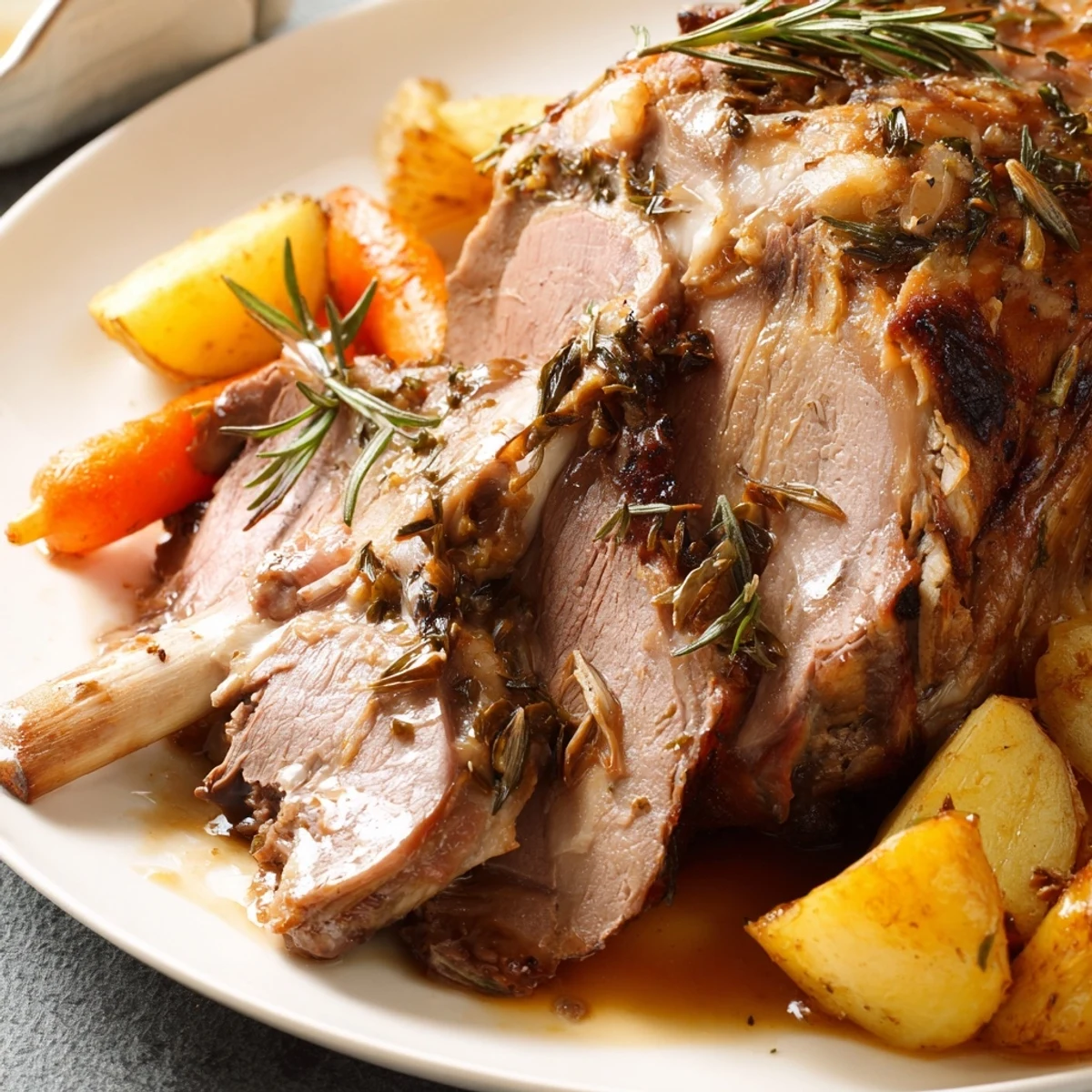
- Slice the lamb against the grain, arrange it on a platter with the potatoes, carrots, and onions, then spoon those pan juices over everything. A squeeze of fresh lemon at the table makes it sing.
 Save
Save I remember the first time I didn't overcook the lamb, when it was still pink inside and tender enough to cut with just a fork. It was such a small thing, but it felt like passing a test I'd been taking for years. That's what this dish teaches you—that paying attention, not panicking, and trusting the process actually works.
About the Meat
Lamb is more forgiving than you'd think, which surprised me the first time someone warned me it would be dry. The bone-in leg has enough marbling and fat that it stays juicy even if you go a little over on temperature. The key is starting hot to brown the exterior—that's your flavor anchor—then dropping the heat to let the inside cook through gently. If you have access to a butcher, ask them to score the fat in a crosshatch pattern; it helps the seasonings penetrate and the fat renders more evenly.
Why This Pan Arrangement Works
Nestling the lamb on top of the vegetables isn't just for presentation. As the lamb roasts, its fat and juices drip down and season the potatoes, carrots, and onions below. Meanwhile, the vegetables soften underneath and prop the lamb up slightly, keeping it out of a puddle and letting the bottom brown. It's one pan doing three jobs at once, which is exactly the kind of efficiency I love. By the end, you won't have separate flavors; everything tastes like it was made for each other.
Variations and Swaps
Once you make this a few times and feel confident with the technique, you can play around. Sweet potatoes will make it earthier and slightly sweeter; parsnips add a subtle vanilla note that's lovely with the herbs. Some days I add a handful of fresh mint at the end, which sounds odd but tastes incredible with lamb. Others I throw in some pearl onions or baby potatoes if I find them at the market. The foundation stays the same, and that's what makes it easy to improvise.
- Try fresh mint scattered over everything just before serving for a brightness that cuts through the richness.
- Parsnips or sweet potatoes can replace regular potatoes if you want to shift the flavor profile.
- A splash of red wine in the broth deepens the pan sauce and adds complexity.
 Save
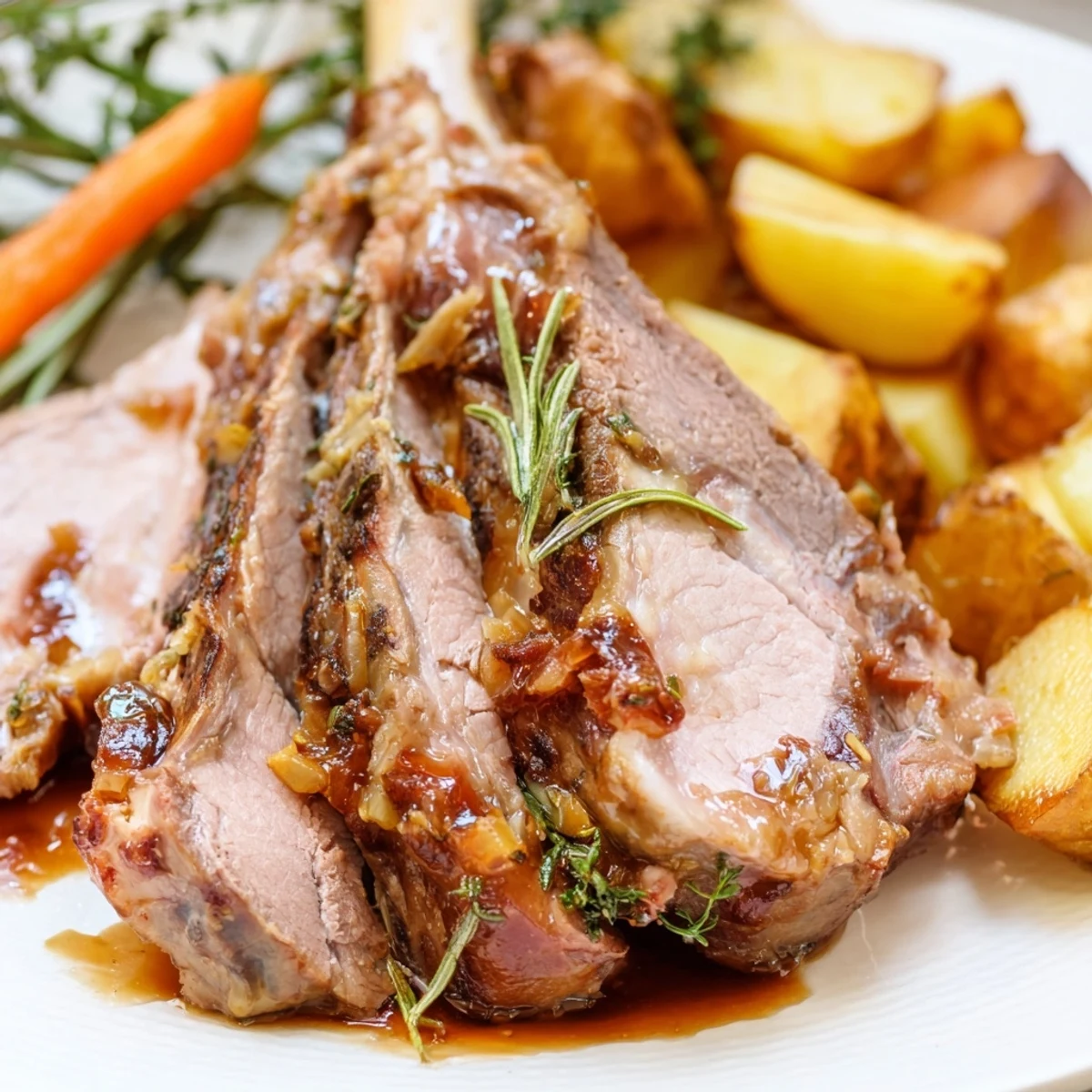
Save This dish has a way of becoming tradition, even if you've only made it once. Serve it when you want the table to feel like family, whether those people have known you for years or just arrived in your life.
Recipe FAQs
- → What is the ideal internal temperature for the lamb?
-
For medium-rare, roast lamb until it reaches roughly 60°C (140°F) internally, allowing for maximum tenderness and juiciness.
- → Can I substitute the vegetables with other options?
-
Yes, sweet potatoes or parsnips work well as alternatives, offering different flavor profiles while roasting similarly.
- → How should I prepare the lamb before roasting?
-
Pat dry the leg of lamb, then rub with olive oil and seasonings like rosemary, thyme, salt, and pepper to enhance flavor and promote browning.
- → Is it necessary to baste the lamb during cooking?
-
Basting the lamb with pan juices after the first hour helps maintain moisture and develops a rich crust on the meat.
- → What type of broth is recommended for roasting?
-
Low-sodium chicken or vegetable broth is suggested to add moisture and subtle depth without overpowering the dish.
- → How long should the lamb rest after roasting?
-
Let the lamb rest for about 15 minutes loosely covered with foil before carving to allow juices to redistribute evenly.