
 Save
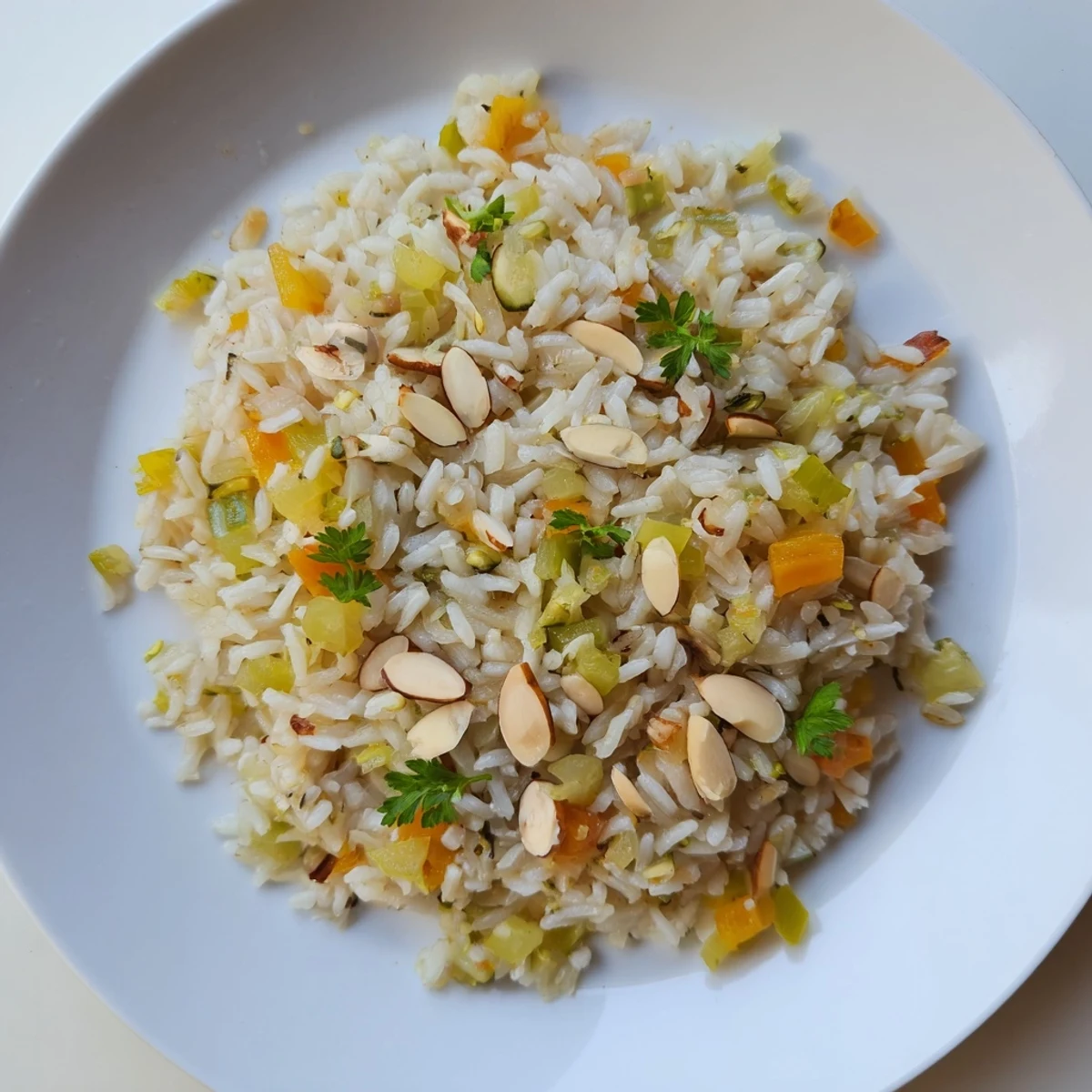
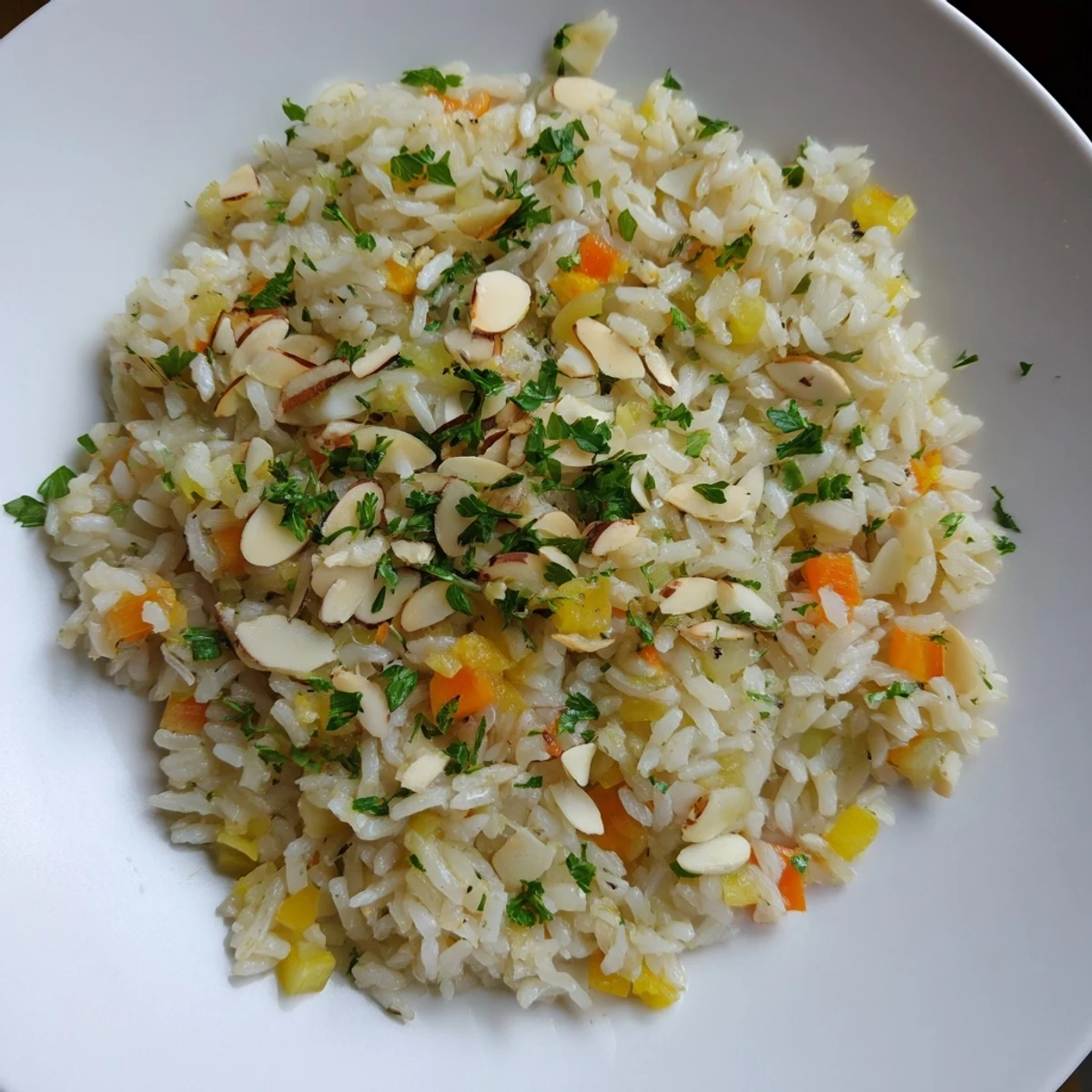
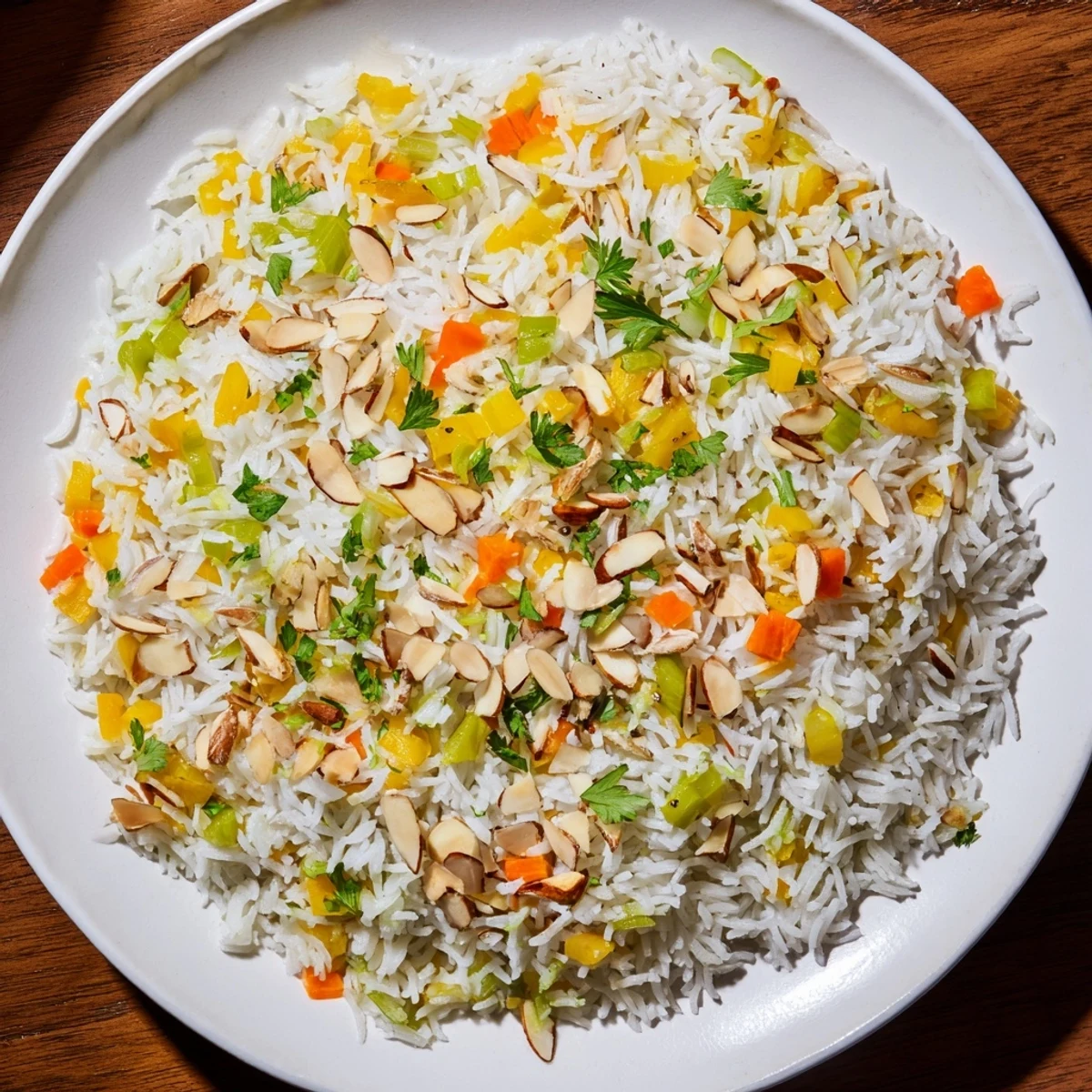
Save This savory rice pilaf features long-grain rice gently cooked with butter or olive oil, sautéed onion, carrot, and celery for a deep aromatic base. Garlic, cumin, turmeric, and bay leaf elevate the dish with warm spice notes. Simmered in vegetable broth until tender, it’s fluffed with fresh parsley and toasted nuts for texture and brightness. This versatile dish suits vegetarian and gluten-free preferences, offering a comforting, fragrant accompaniment or a light meal.
I first learned to make rice pilaf during a lazy Sunday afternoon at my grandmother's kitchen, watching her patient hands coax those individual grains into something fragrant and alive. She never rushed it, always letting the rice toast in butter before the broth went in, whispering that this small step was the secret to every grain staying separate and fluffy. That afternoon taught me that pilaf isn't just a side dish—it's a quiet moment of care on a plate.
I remember bringing this pilaf to a potluck where someone was skeptical of anything labeled 'side dish,' but by the end of the evening, they were asking for the recipe and admitting it was the best thing they'd eaten all night. That's when I realized this humble rice dish had quietly become something people actually looked forward to.
Ingredients
- Long-grain white rice (basmati or jasmine), 1 cup, rinsed: Rinsing removes the starchy coating that makes rice clumpy—this step is non-negotiable if you want those beautiful separate grains. Basmati and jasmine both have that delicate, slightly nutty character that makes this dish sing.
- Unsalted butter or olive oil, 2 tablespoons: Butter gives warmth and richness, while olive oil keeps things lighter and more Mediterranean. Choose based on your mood and what you're serving alongside it.
- Yellow onion, 1 small, finely chopped: This creates the aromatic foundation—cook it long enough to soften and release its natural sweetness, and you've already won half the battle.
- Garlic, 2 cloves, minced: Added after the onions to prevent burning, garlic adds a gentle savory depth that rounds out all those warm spices.
- Carrot, 1 medium, diced: The carrot brings a touch of natural sweetness and a pop of color—it also softens as the rice cooks, becoming almost candy-like.
- Celery stalk, 1, diced: Celery completes the classic aromatic trio and adds a subtle earthiness that most people can't quite identify but absolutely notice when it's missing.
- Low-sodium vegetable broth, 2 cups: The ratio of rice to liquid is sacred—too much and you get mush, too little and the rice stays crunchy. Use low-sodium so you control the final salt level.
- Kosher salt, 1 teaspoon: Added to the dry rice before the broth goes in, it seasons the grains from within rather than just on the surface.
- Ground black pepper, 1/2 teaspoon: Fresh from the mill if you have it—it adds a gentle bite that keeps everything from being one-note.
- Ground cumin, 1/2 teaspoon: This is where the pilaf gets its signature warmth and earthiness. Don't skip it.
- Ground turmeric, 1/4 teaspoon: Just enough to add color and a whisper of earthiness without making it taste medicinal.
- Bay leaf, 1: Infuses the whole pot with subtle herbal notes—remove it before serving, without fail.
- Fresh parsley, 2 tablespoons, chopped: The final garnish that adds brightness and a reminder that this is a living, fresh dish.
- Toasted slivered almonds or pine nuts, 2 tablespoons: Optional, but they add a luxurious crunch that makes people think you spent all day on this.
Instructions
- Warm Your Base:
- In a medium saucepan over medium heat, melt the butter or warm the olive oil. Let it shimmer and smell fragrant—this takes about a minute, and it's worth waiting for.
- Build the Aromatics:
- Add the chopped onion, carrot, and celery to the hot butter. Stir gently as they begin to soften, and listen for that satisfying sizzle. After 4 to 5 minutes, they should be tender and smell absolutely incredible—this is your foundation.
- Add the Garlic:
- Stir in the minced garlic and let it cook for just 1 minute. Your whole kitchen should smell like a warm spice market right now. Don't walk away—garlic can burn quickly, and we want it golden and mellow, not bitter.
- Toast the Rice:
- Pour in your rinsed rice and stir for about 2 minutes, coating each grain in the butter and coaxing out a subtle toasted aroma. This is the secret step—it changes everything. The rice grains will begin to look translucent at the edges and smell almost like toasted nuts.
- Season Generously:
- Sprinkle in the salt, pepper, cumin, turmeric, and bay leaf. Stir everything together until the spices are evenly distributed and the rice is dressed in their warmth.
- Add the Liquid:
- Pour in the vegetable broth in one steady stream while stirring. Watch as the rice begins to glisten and the pot fills with fragrant steam. This is the moment everything comes together.
- The Simmer:
- Bring everything to a gentle boil over medium heat—you'll see it bubble and steam. Then immediately reduce the heat to low, place the lid on the saucepan, and let it cook undisturbed for 15 to 18 minutes. Resist the urge to peek. The rice is working its magic in there.
- Rest and Fluff:
- Remove from heat and let the covered pot sit for 5 minutes. This resting time lets the grains firm up and any remaining moisture distribute evenly. Then, with a fork, gently fluff each grain—never use a spoon, as it crushes the rice. Discard the bay leaf, fold in the parsley and nuts if using, and taste. Does it need more salt? Now's the time to adjust.
- Serve Warm:
- Transfer to a serving dish while it's still warm, and watch how the steam carries that spice-touched aroma to everyone gathering around the table.
 Save
Save The moment this pilaf became irreplaceable in my kitchen was when a friend who usually picks at side dishes came back for thirds, and then asked to take leftovers home. She said it was the first time she'd ever realized rice could actually taste like something. That's when I understood that the simplest dishes, made with intention and care, often leave the deepest impression.
The Magic of Toasting
Toasting the rice in fat before adding liquid is the move that separates good pilaf from exceptional pilaf. When you warm those grains in butter, you're gently drying their exterior and awakening their natural nutty flavor. I learned this from watching my grandmother, and once I understood the chemistry, I started applying it to everything—couscous, quinoa, even pasta before I pour sauce over it. That minute and a half of stirring creates a subtle flavor that nobody can quite identify but everyone notices is missing when you skip it.
Customizing Your Pilaf
This recipe is a beautiful blank canvas. Some of my favorite variations include stirring in toasted pine nuts and golden raisins at the end for a slightly sweet version, or adding fresh peas during the last 5 minutes of cooking for color and a light sweetness. If you want deeper richness, substitute half the vegetable broth with chicken stock—it adds a savory dimension that's almost luxurious. I've even made it with diced red bell pepper instead of carrot when I wanted something brighter, and it was just as lovely. The spice blend of cumin and turmeric is forgiving enough that you can play with it: add a pinch of cinnamon for warmth, or swap the cumin for coriander if you're drawn to that citrusy quality.
Pairing and Serving
This pilaf is humble enough to play supporting role and confident enough to stand alone as a light meal. I've served it alongside grilled chicken with fresh lemon, roasted vegetables with yogurt sauce, and even as the main event with a big green salad and warm flatbread. Leftover pilaf transforms beautifully—reheat it gently with a splash of water, or use it as the base for a grain bowl topped with roasted vegetables and a fried egg. The beauty of pilaf is that it's equally at home at a formal dinner and an ordinary Tuesday night.
- For a complete meal, pair this with roasted vegetables and a protein of your choice
- Leftover pilaf keeps in the refrigerator for up to 4 days and reheats gently with just a splash of water
- This recipe doubles easily if you're feeding a crowd—just be patient with the cooking time and don't crowd your saucepan
 Save
Save This pilaf has become the recipe I reach for when I want to show up for people without fuss or pretense. It's honest food that nourishes and delights in equal measure.
Recipe FAQs
- → What type of rice works best for this dish?
-
Long-grain rice such as basmati or jasmine is ideal, as it cooks fluffy and separate, absorbing flavors well.
- → Can I substitute the vegetables used in the pilaf?
-
Yes, you can use similar aromatic vegetables like leeks or bell peppers, but keep the balance to maintain the fragrant profile.
- → How do spices like cumin and turmeric affect the flavor?
-
They add warm, earthy notes that complement the sweetness of the vegetables and enhance the overall aroma.
- → Is it possible to make this dish vegan?
-
Certainly, simply replace butter with olive oil and omit nuts to avoid allergens, maintaining the flavor and texture.
- → How should I store leftovers for best quality?
-
Store in an airtight container in the refrigerator and consume within 2–3 days for optimal freshness and taste.