
 Save
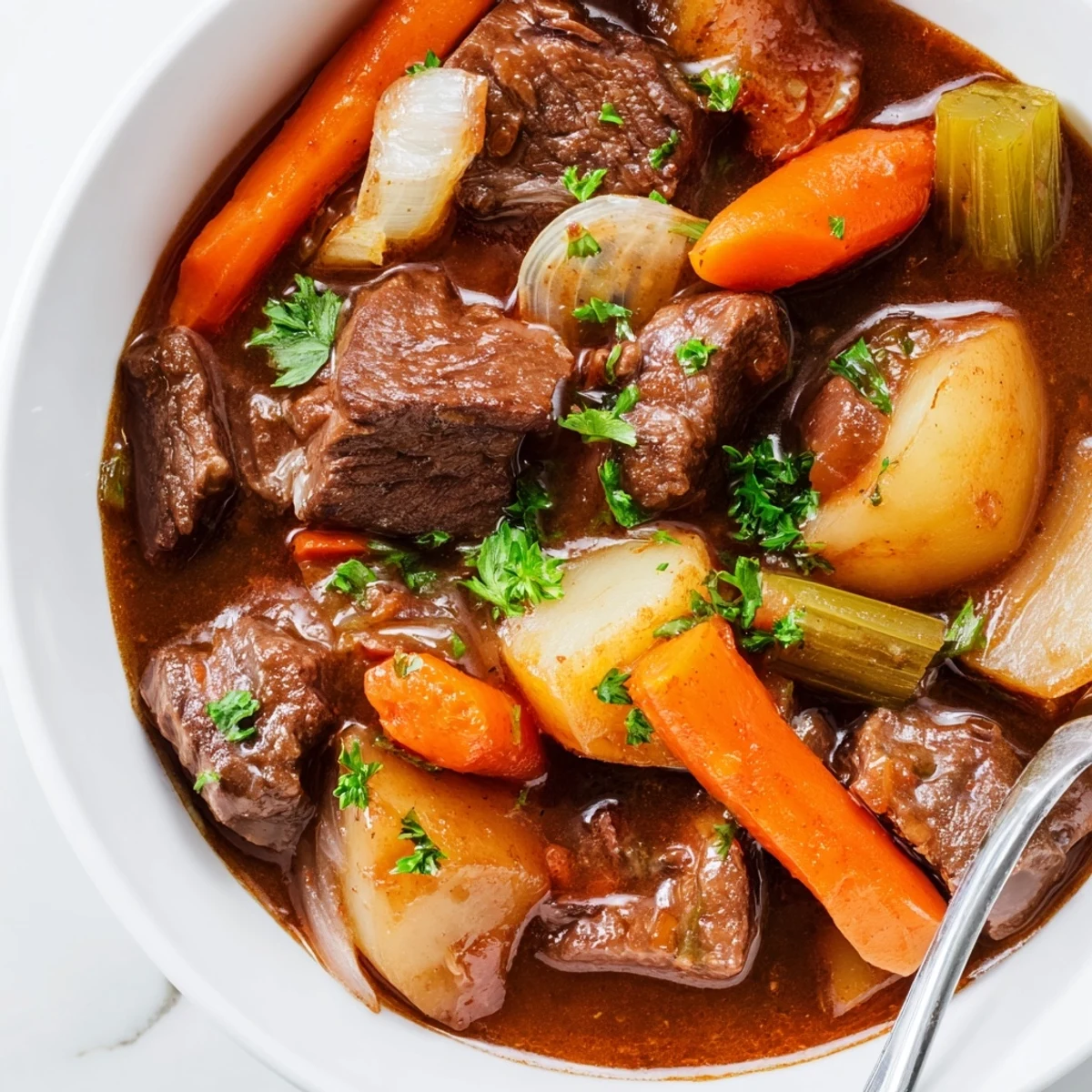
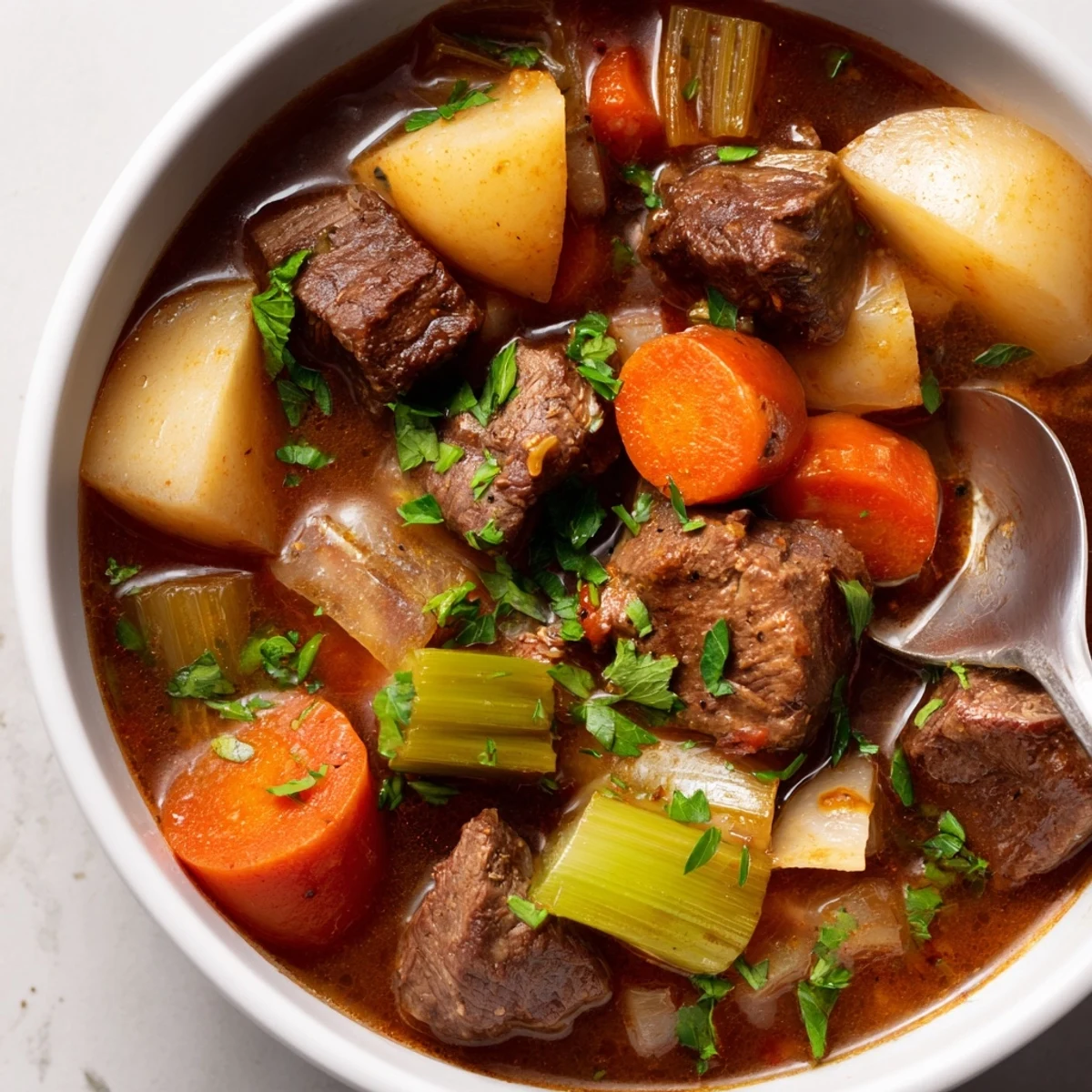
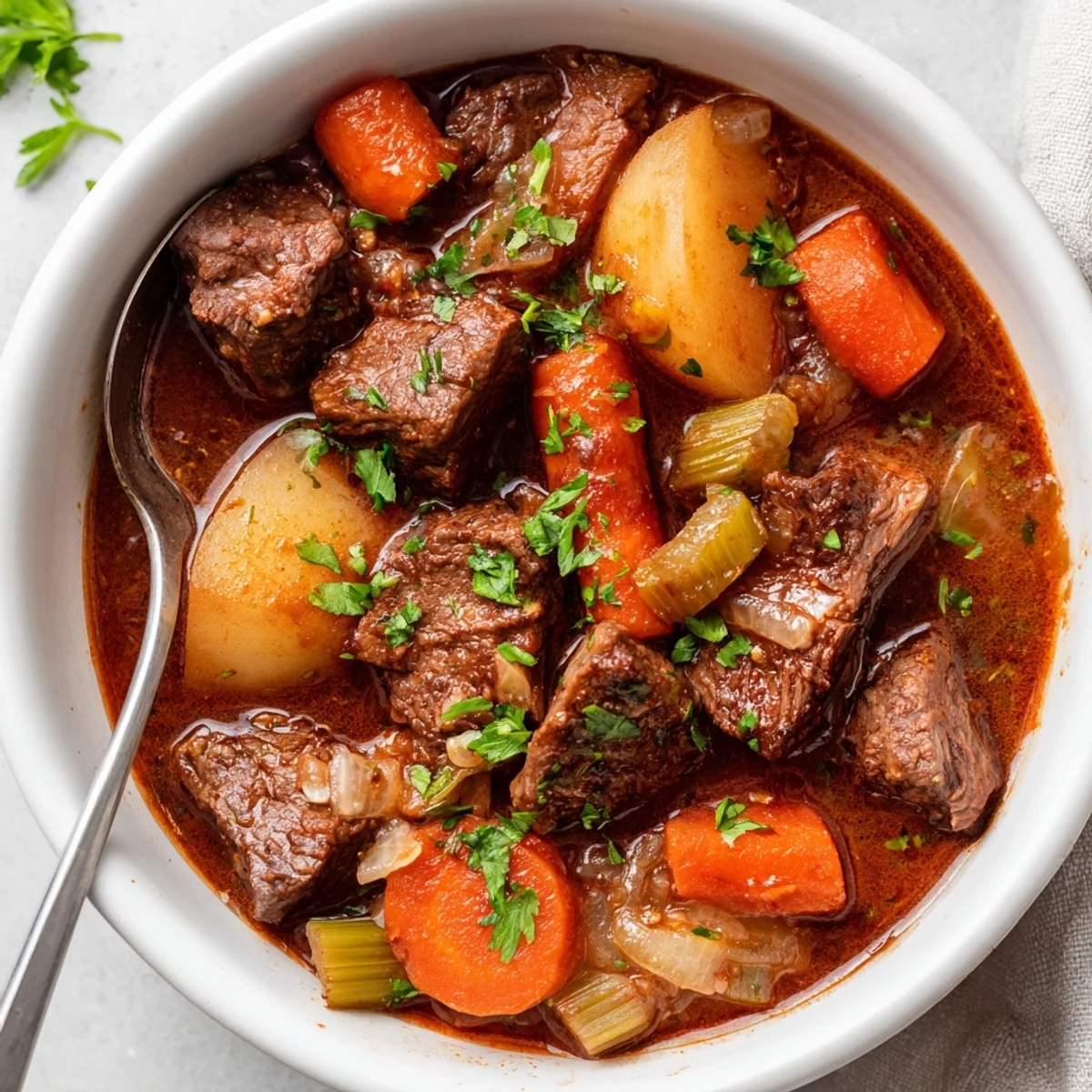
Save This dish features tender beef chunks slow-cooked alongside carrots, potatoes, celery, and onions in a flavorful broth enriched with tomato paste, herbs, and optional red wine. The long, gentle cooking method allows the meat to become juicy and the vegetables to soften, creating a rich, hearty stew. A simple cornstarch slurry finishes the dish with a smooth, thickened texture, while fresh parsley adds a bright garnish. Perfect for easy, comforting meals that nourish and satisfy.
There's something about a slow cooker that turns a Sunday afternoon into something magical. Years ago, I'd throw beef, carrots, and potatoes into one before heading out, and by dinner time, my kitchen smelled like a warm hug. This stew became my answer to every cold evening and unexpected guest, the kind of dish that says "I took care of this" without any fuss.
I made this for my dad on his birthday one year when he mentioned craving a proper stew, the kind his mother used to make. Watching him take that first spoonful and go quiet, I knew the slow cooker had done its job. He asked for the recipe that night, which meant everything coming from someone who usually just nods politely at my cooking experiments.
Ingredients
- Beef chuck (2 lbs, cut into 1.5-inch cubes): This cut has enough marbling and connective tissue to become silky after hours in the slow cooker; avoid leaner cuts or you'll end up with stringy, dry meat.
- Carrots (4 medium, peeled and sliced): They break down slightly and sweeten the broth naturally, so don't cut them too thin or they'll disappear.
- Potatoes (4 medium, peeled and diced): Yukon Gold holds its shape better than russets, but either works depending on whether you want a creamier or firmer stew.
- Celery (2 stalks, sliced): It's the quiet backbone of flavor that most people can't name but definitely notice if it's missing.
- Onion (1 large, chopped): This breaks down almost completely and becomes part of the sauce's body, so don't skip it.
- Garlic (3 cloves, minced): Fresh is non-negotiable here; garlic powder would flatten the whole thing.
- Beef broth (4 cups): Quality matters more than you'd think, so taste yours before committing; a thin, salty broth will show in the final dish.
- Red wine (1/2 cup, optional): It adds depth that broth alone can't touch, but if you skip it, your stew won't suffer.
- Tomato paste (2 tbsp): This is a secret weapon that builds richness without tasting tomato-forward.
- Worcestershire sauce (1 tbsp): A few dashes of this umami bomb make people ask what your secret ingredient is.
- Bay leaves (2): Remove them before serving or you'll bite into one, which is genuinely unpleasant.
- Dried thyme and rosemary (1 tsp each): If your dried herbs smell like nothing, replace them; stale spices will betray you here.
- Salt and black pepper: Season as you go rather than all at once; the flavor changes as things cook down.
- Cornstarch slurry (2 tbsp cornstarch mixed with 3 tbsp cold water): This thickens the broth in the final stretch without making it cloudy or starchy-tasting.
- Fresh parsley (2 tbsp, optional): A bright green garnish is the final note that makes this feel finished and intentional.
Instructions
- Dry and season the beef:
- Pat those cubes completely dry with paper towels because moisture is the enemy of browning. A quick salt and pepper at this stage means the seasoning gets into the meat, not sitting on top.
- Brown the meat (the optional game-changer):
- Heat a large skillet over medium-high heat and work in batches so you're browning, not steaming. Those caramelized edges add a savory depth that makes people think you spent hours on this; it's worth the extra 10 minutes.
- Build your slow cooker base:
- Layer carrots, potatoes, celery, onion, and garlic directly on the bottom. This creates a bed for the beef and ensures even cooking throughout.
- Make your braising liquid:
- In a separate bowl, whisk broth, tomato paste, Worcestershire, wine, thyme, and rosemary until the tomato paste dissolves completely. Pour this over everything and tuck in the bay leaves.
- Cook low and slow:
- Cover and set to LOW for 8 hours (or HIGH for 4 to 5 hours if you're in a rush). The low setting is gentler on the meat, but either way, you'll smell it before you taste it, and that's when you know it's working.
- Thicken the gravy:
- Stir the cornstarch slurry until it's completely smooth, then stir it into the simmering stew. Cover and cook on HIGH for 15 to 20 minutes until the broth coats the back of a spoon.
- Taste and adjust:
- Fish out those bay leaves first, then taste. Add more salt, pepper, or Worcestershire if needed; this is your moment to make it exactly what you want.
- Serve with intention:
- Ladle into deep bowls and top with fresh parsley if you have it. Serve alongside crusty bread or over mashed potatoes for those moments when you want pure comfort.
 Save
Save The magic moment came when my partner walked in from work, stopped at the door, and just inhaled. No words, just pure reaction to what the kitchen smelled like. That's when I realized this stew isn't just food; it's the smell of someone caring enough to spend the day thinking about dinner.
Why Slow Cooker Beef Stew Wins Every Time
There's a reason this dish has been made the same way for generations: it works. Tough cuts become tender, separate flavors meld into something coherent, and you're free to live your life while it happens. The slow cooker doesn't demand attention or technical skill; it just asks you to show up with ingredients and patience. Once you've made this once, you understand why it's the recipe people request at potlucks and the one you turn to when you need to feed a crowd without losing your mind.
Stretching One Batch Into Multiple Dinners
Make a double batch and you've solved the next three dinners without thinking. Reheat it gently on the stove with a splash of water if it's thickened too much, serve it over different bases (rice, egg noodles, polenta), or dress it up by adding fresh vegetables on top. Freezing it in portions means you always have a safety net on nights when cooking feels impossible.
Beyond the Basics
This stew is a foundation, not a cage. Mushrooms add earthiness and body, a diced parsnip brings subtle sweetness, or a handful of fresh thyme stirred in at the end brightens everything up. Some nights I add red pepper flakes for heat or a spoon of horseradish for sharpness. Listen to what sounds good to you and trust that instinct.
- Mushrooms (cremini or button) add umami and substance without changing the essential character of the dish.
- Parsnips work beautifully alongside carrots and bring a honey-like sweetness when they soften.
- A drizzle of red wine vinegar at the end cuts through richness and makes all the flavors snap into focus.
 Save
Save This stew is the kind of recipe that builds confidence in the kitchen because it's hard to mess up and impossible not to enjoy. Make it for someone you want to impress, and they'll remember both the food and the care that went into it.
Recipe FAQs
- → Can I brown the beef before slow cooking?
-
Yes, searing beef in a hot skillet before slow cooking enhances flavor and texture but is optional.
- → How can I thicken the stew?
-
Mix cornstarch with cold water and stir into the stew near the end of cooking, then cook until thickened.
- → Is it possible to make this gluten-free?
-
Use gluten-free broth and Worcestershire sauce to ensure the dish remains free from gluten.
- → Can I add other vegetables to the stew?
-
Yes, mushrooms or parsnips can be added for extra depth and flavor.
- → What is the best cooking time for tender beef?
-
Cook on low for 8 hours or high for 4–5 hours until the beef and vegetables are tender.