
 Save
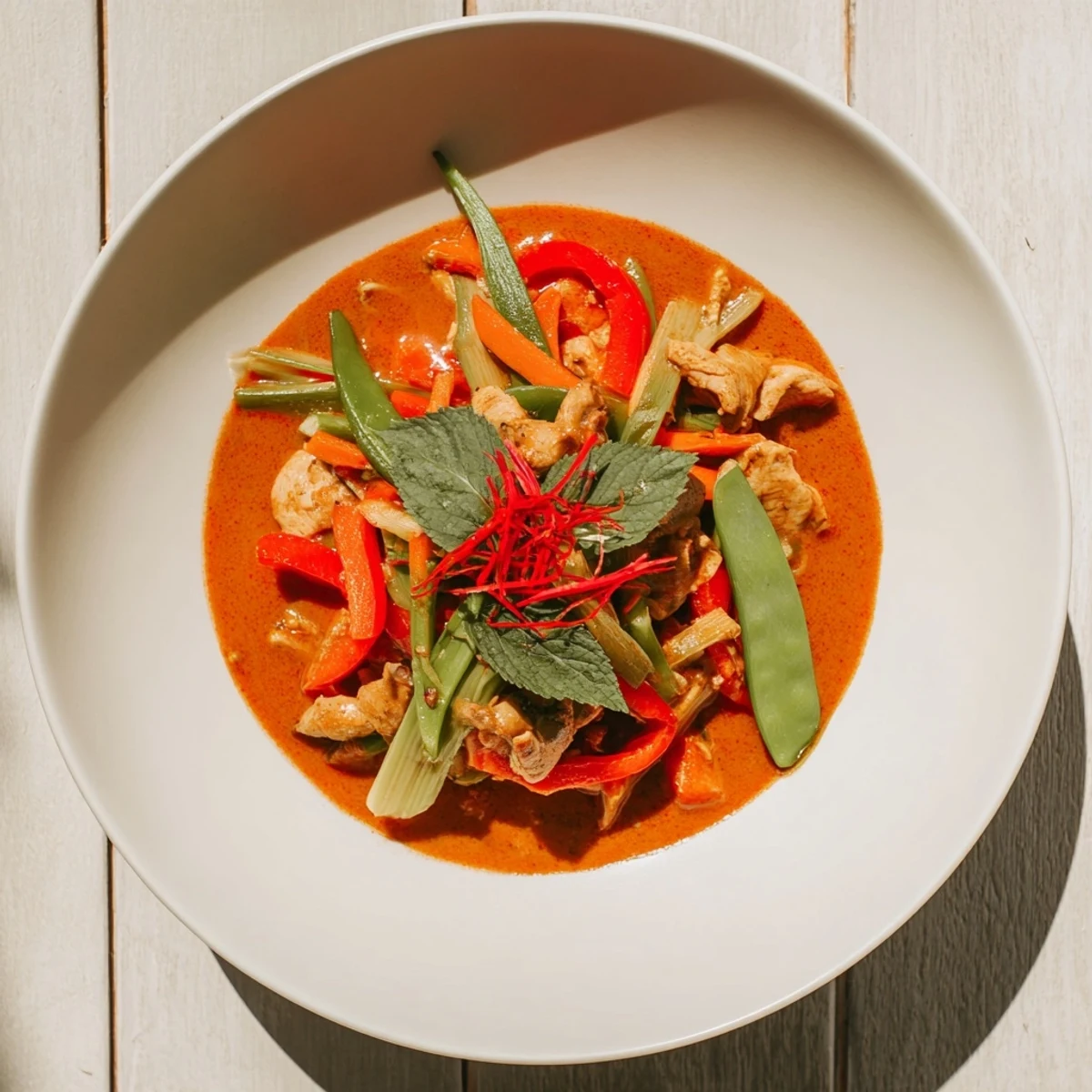
Save This vibrant Thai red curry combines tender chicken with fresh vegetables in a rich, aromatic coconut sauce. Start by sautéing onions and Thai red curry paste until fragrant, then add chicken to coat in the spice blend. Pour in coconut milk and stock, simmering with bell peppers, snow peas, and carrots until everything is tender and the chicken is cooked through. Finish with lime juice and fresh garnishes of Thai basil and cilantro. Serve over steamed jasmine rice for an authentic, restaurant-quality meal in just 40 minutes.
The first time I made Thai red curry, I was stunned by how the kitchen filled with an aroma that transported me halfway around the world. My spoon clanged against the wok as vibrant red curry paste melted into coconut milk, creating that signature sunset-colored sauce that promised comfort and excitement in equal measure. Friends still request this dish when they visit, knowing my refrigerator door is perpetually stocked with fish sauce and lime.
Last summer during a thunderstorm that knocked our power out, I made this curry on our gas stove by flashlight. We ate cross-legged on the living room floor, the steam from our bowls creating ghostly shapes in the candlelight. Something about the warm spice against the cool darkness made it taste even better than usual, and now my daughter occasionally asks if we can turn the lights off at dinner again.
Ingredients
- Thai red curry paste: The heart and soul of this dish, I once tried making it from scratch with a mortar and pestle but learned that good-quality store-bought paste delivers authentic flavor without the arm workout.
- Coconut milk: Full-fat is non-negotiable here, as the richness creates that silky curry base that clings beautifully to the rice.
- Fish sauce: That funky bottle in your fridge door delivers the mysterious umami depth that makes this curry taste authentically Thai rather than just spicy coconut chicken.
- Fresh lime juice: Added at the end, it brightens everything and cuts through the richness, transforming good curry into great curry.
- Kaffir lime leaves: These wrinkly little leaves might seem optional, but they infuse the sauce with a citrusy complexity that regular lime cant match.
Instructions
- Bloom the curry paste:
- Heat oil in a large wok over medium heat, sauté the onion until translucent, then add that vibrant red curry paste. You want to cook it until fragrant, about one minute, which releases all those essential oils hiding in the spices.
- Build your protein base:
- Add chicken pieces and stir to coat them in that aromatic paste, allowing them to pick up color but not cook through completely. The meat will finish cooking gently in the sauce, keeping it tender.
- Create your sauce:
- Pour in coconut milk and chicken stock, watching as they meld with the curry paste into that signature orange-red hue. Add fish sauce, soy sauce, and brown sugar, creating layers of salty, sweet and umami.
- Vegetable magic:
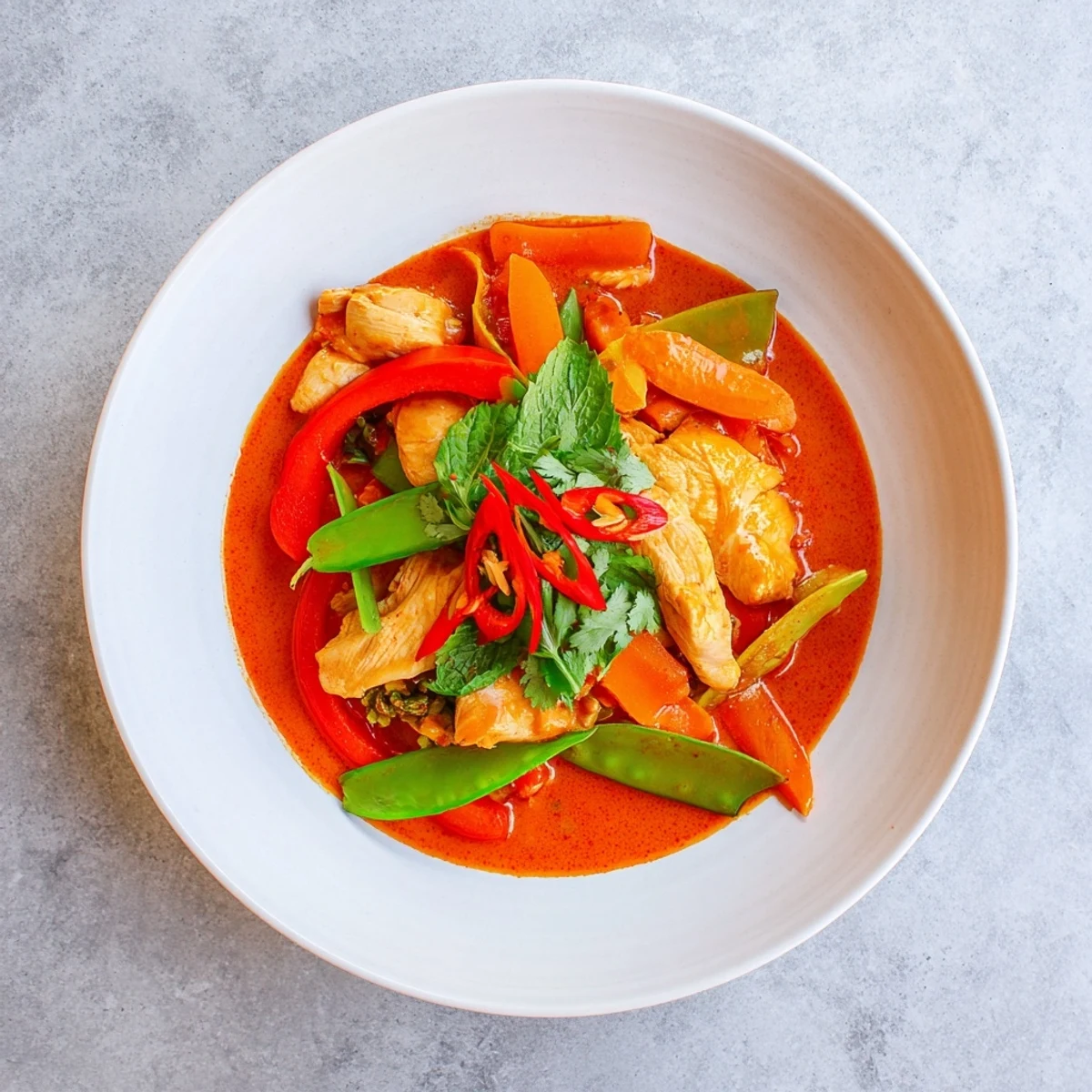
- Add your colorful bell peppers, snow peas and carrots, which should maintain their crisp texture against the tender chicken. Simmer just until chicken is cooked through and vegetables are tender-crisp, preserving their vibrant colors.
- Balance and brighten:
- This is where cooking becomes personal, taste and adjust with more fish sauce for salt or sugar for sweetness. Finish with fresh lime juice which cuts through the richness and makes all the flavors pop.
- Garnish with abandon:
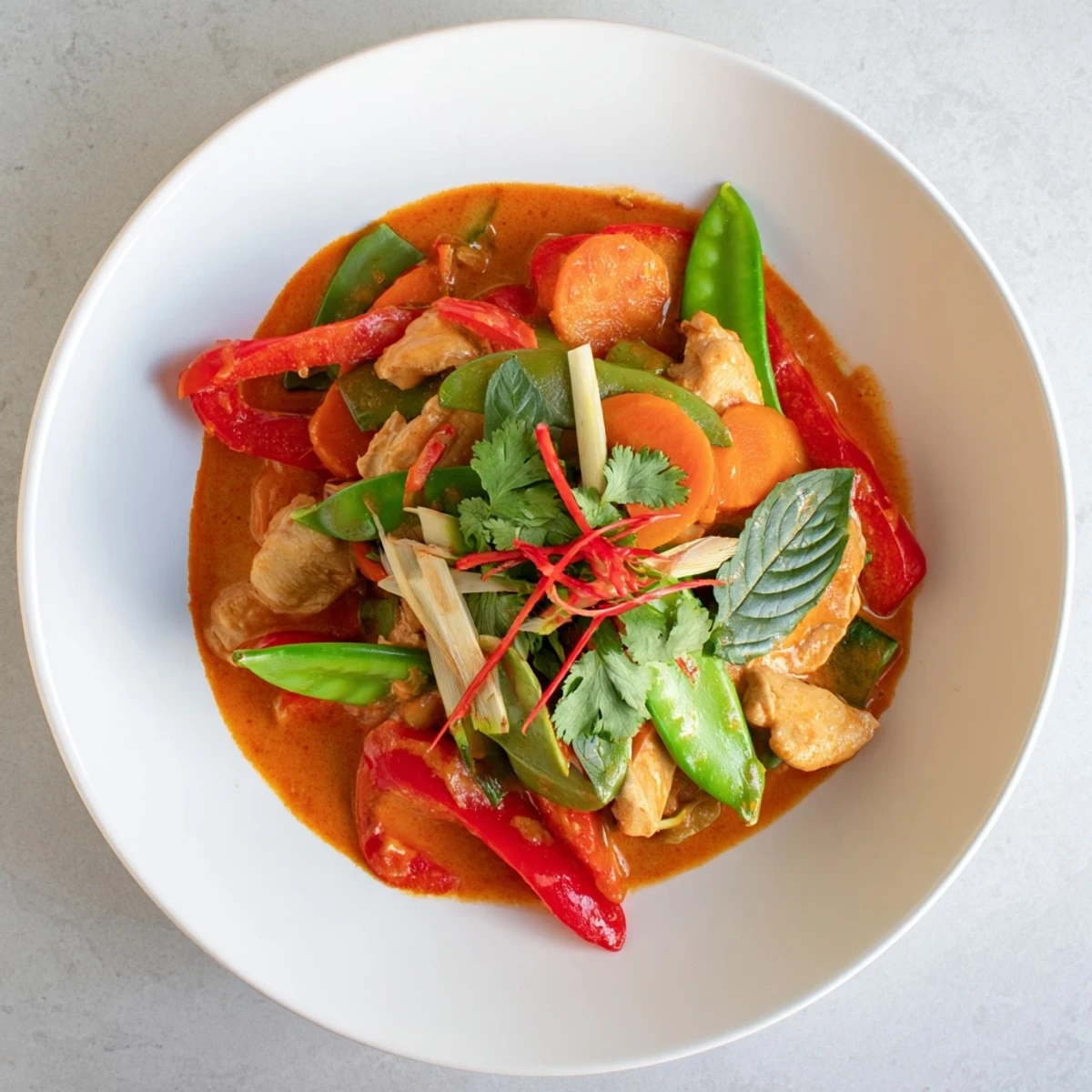
- Serve over jasmine rice and shower with fresh herbs like Thai basil and cilantro. Those final touches of green against the red curry create both visual appeal and aromatic complexity.
 Save
Save My neighbor Kate, who claimed to hate anything spicy, reluctantly tried this curry at a block party and ended up asking for seconds. She confessed between bites that she thought Thai food was all about overwhelming heat, but the complex flavors and balance in this dish changed her perspective. Now we trade curry for her homemade bread every few weeks in an informal food exchange thats become a cherished routine.
Finding Your Perfect Spice Level
Curry paste varies dramatically in spiciness between brands, so I always start with less than I think I need. On a memorable occasion cooking for my in-laws, I used a new brand that was nuclear-level hot, and we all sat around the table with sweat beading on our foreheads, silently determined to power through what was otherwise a delicious meal. Now I always taste a tiny bit of the paste before adding it to gauge its heat level.
Protein Variations
While chicken is my reliable standby, this curry transforms beautifully with different proteins. Firm tofu soaks up the sauce like a flavor sponge, while shrimp cooks even quicker and adds a subtle sweetness against the spice. My teenage son prefers it with thinly sliced beef that stays tender if you add it at the very end and just let it cook through in the hot sauce.
Making It Ahead
This curry actually improves with an overnight rest in the refrigerator as the flavors meld and deepen, making it perfect for meal prep or entertaining. I discovered this by accident when dinner was interrupted by a neighbors emergency, and the reheated curry the next day had mysteriously intensified in the most delightful way.
- When reheating, add a splash of water or coconut milk as the sauce thickens in the refrigerator.
- Store curry and rice separately, as the rice will absorb too much liquid if combined for storage.
- Fresh garnishes should always be added just before serving, never stored with the curry.
 Save
Save This vibrant Thai curry isnt just a meal, its an invitation to slow down and savor something extraordinary made from ordinary ingredients. Whenever the aroma fills my kitchen, I know Im not just feeding bodies but creating memories that linger long after the dishes are washed.
Recipe FAQs
- → Can I adjust the spice level in this curry?
-
Absolutely. Start with the recommended amount of curry paste and add more if you prefer extra heat. You can also include fresh sliced chilies for additional spice, or reduce the curry paste for a milder dish. Taste as you cook and adjust to your preference.
- → What are good protein substitutes for chicken?
-
Shrimp works beautifully and cooks quickly in about 3-4 minutes. Tofu is excellent for vegetarian versions—press it first to remove excess moisture. You can also use duck, beef, or pork. Adjust cooking times based on your chosen protein.
- → Is this truly gluten-free?
-
It can be when you use gluten-free soy sauce. Check your curry paste and fish sauce labels carefully, as some brands may contain gluten. Always verify product ingredients, especially with severe allergies or dietary restrictions.
- → Can I prepare this ahead of time?
-
Yes, you can prepare ingredients in advance. Keep the curry base separate from fresh garnishes and vegetables for best results. The curry actually develops deeper flavors when made a day ahead. Reheat gently on the stovetop, adding fresh basil and cilantro just before serving.
- → What should I serve alongside this curry?
-
Steamed jasmine rice is traditional and absorbs the flavorful sauce beautifully. Thai sticky rice is another excellent choice. For lighter options, try cauliflower rice or jasmine tea rice. A crisp Riesling wine or Thai iced tea complements the spicy, aromatic flavors perfectly.
- → How do I store leftovers?
-
Store in an airtight container in the refrigerator for up to three days. The flavors continue to develop and meld together. Reheat gently on the stovetop with a splash of stock if needed. You can also freeze for up to one month, though fresh herbs should be added after reheating.