 Save
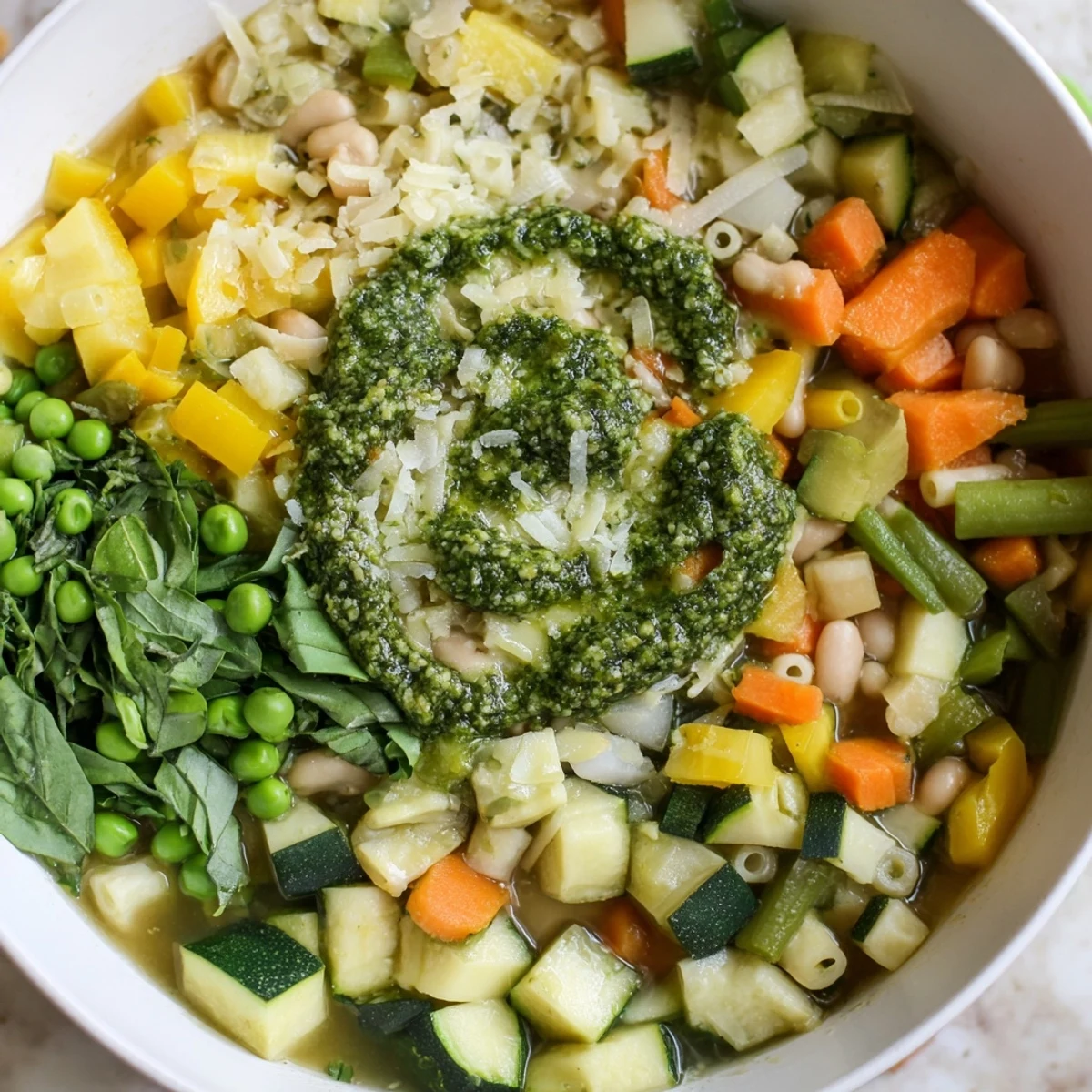
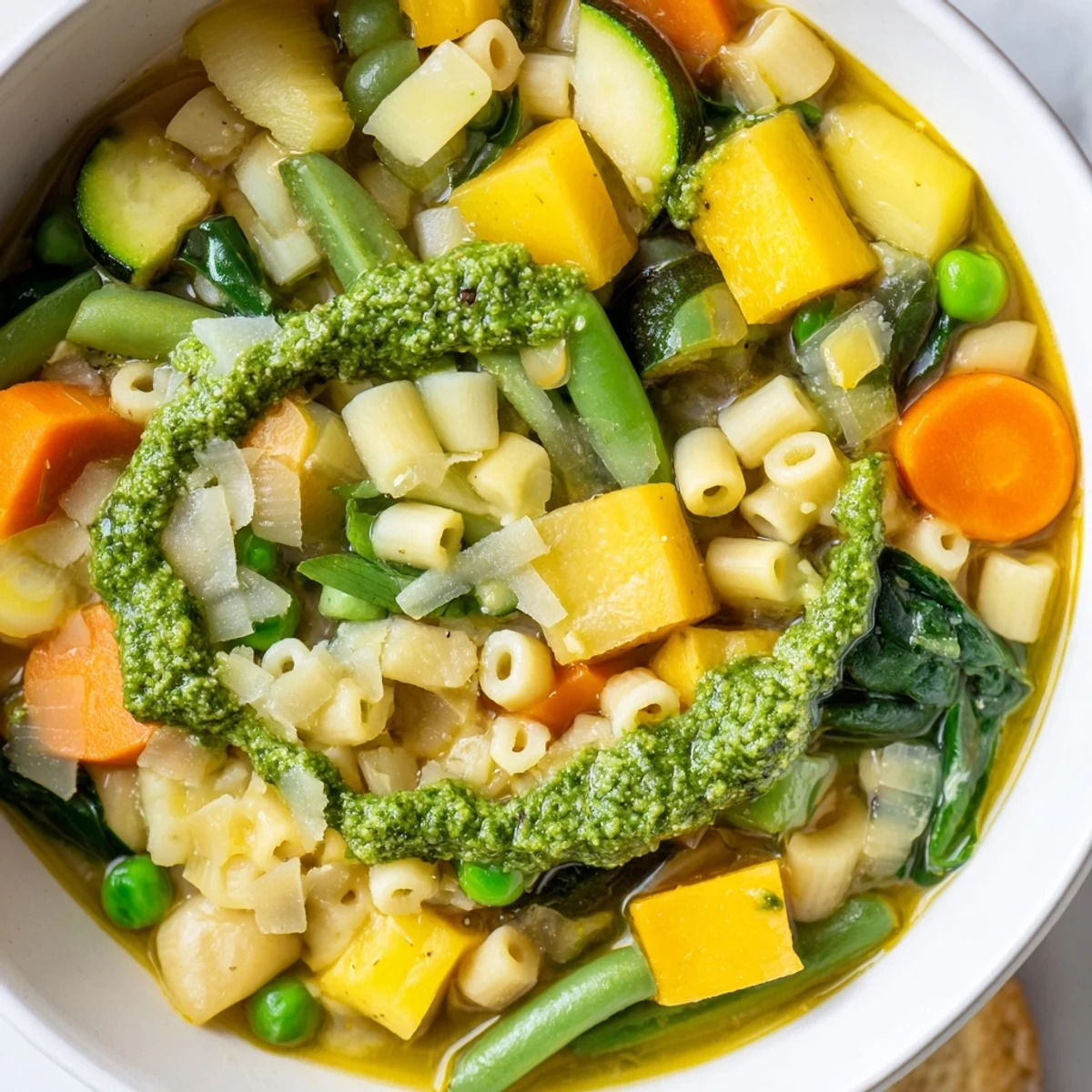
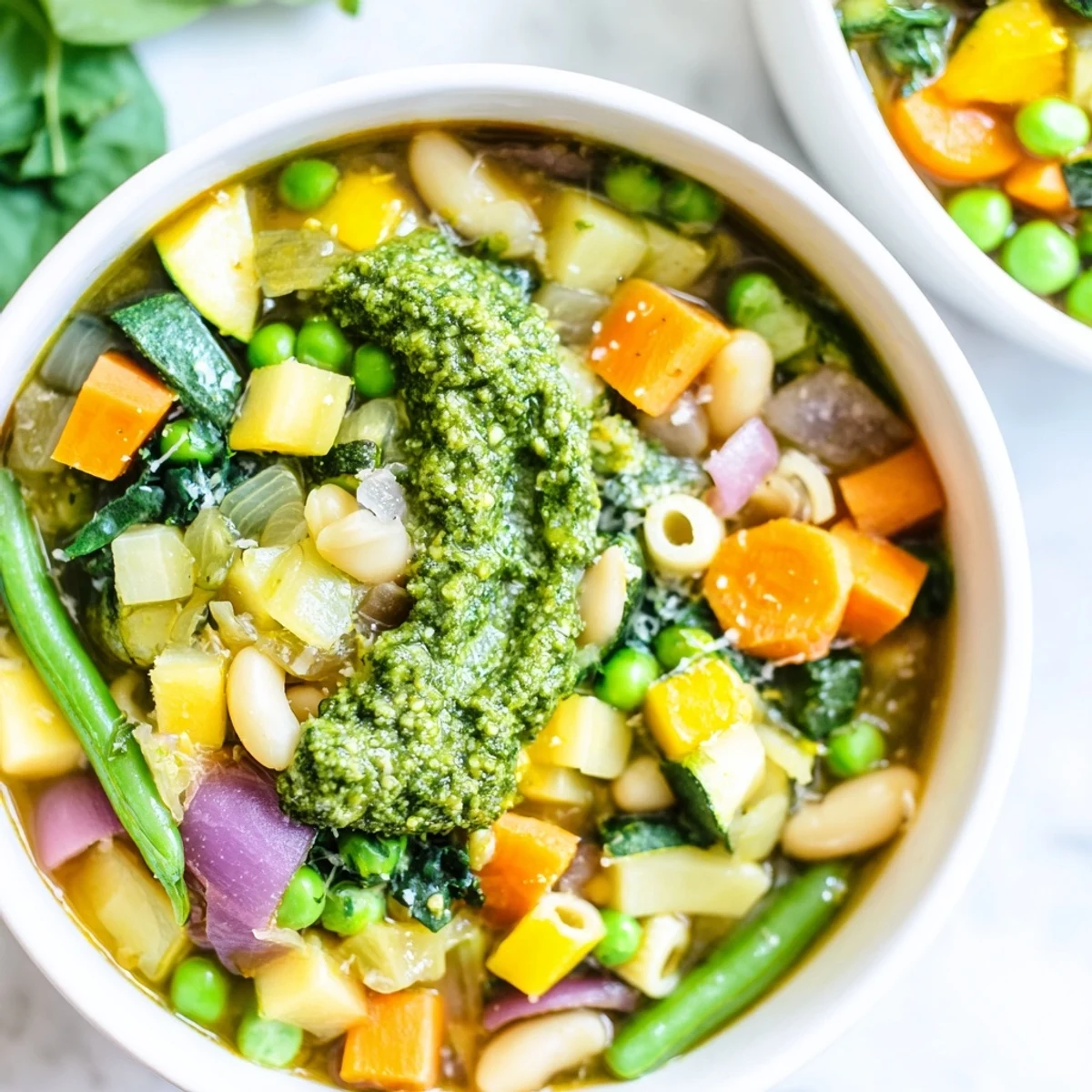
Save This Italian minestrone highlights tender spring vegetables simmered in a savory broth with pasta and beans. Sautéed onion, garlic, and carrots build a flavorful base, joined by zucchini, green beans, and spinach. A swirl of aromatic basil pesto finishes the dish, adding a herbal brightness. Ready in 50 minutes, it’s a wholesome, comforting option suitable for vegetarians, easily adapted for vegan or gluten-free needs.
Last April, my neighbor's garden overflowed with more peas and zucchini than she could handle, and she showed up at my door with arms full of vegetables. That afternoon became an experiment in using everything before it wilted, and this soup was the happy accident that's now my go-to when spring produce starts piling up. The pesto swirl was actually a last-minute addition because I had some leftover from the night before, but now I'd argue the soup needs it.
I made this for my sister when she was recovering from surgery, and she called me three days later asking for the recipe because she'd eaten the entire batch herself. Something about the tender vegetables swimming in that herbed broth just makes people feel taken care of.
Ingredients
- 2 tablespoons olive oil: Creates the foundation for sautéing the aromatics and adds a silky richness to the broth
- 1 medium yellow onion, finely chopped: Provides the essential sweet base that deepens as it cooks down
- 2 garlic cloves, minced: Add this with the other vegetables, not earlier, so it doesn't burn and turn bitter
- 2 medium carrots, diced: These take longer to soften than other vegetables, so cut them small and even
- 2 celery stalks, diced: Creates that classic soup base aroma and adds essential depth
- 1 small zucchini, diced: Keep pieces about the same size as carrots for even cooking
- 1 small yellow squash, diced: Adds a slightly different texture and sweetness from zucchini
- 1 cup green beans, trimmed and cut into 1-inch pieces: Fresh beans hold up better than frozen, but both work in a pinch
- 1 cup shelled fresh or frozen peas: Add these late so they stay bright and sweet
- 4 cups baby spinach or chopped Swiss chard: Baby spinach wilts beautifully without prep work, but chard adds more substance
- 1 (14-ounce/400g) can diced tomatoes, with juice: The juice becomes part of the broth, so don't drain it
- 6 cups vegetable broth: Use a good quality broth you'd drink on its own
- 1 teaspoon sea salt, plus more to taste: Start with less if your broth is already salted
- 1/2 teaspoon freshly ground black pepper: Grind it fresh for a noticeable difference in flavor
- 1/2 teaspoon dried oregano: Adds that Mediterranean backbone that ties everything together
- 1/2 teaspoon dried thyme: Complements the oregano without overpowering the fresh vegetables
- 1 bay leaf: Remove it before serving, but let it work its magic during simmering
- 3/4 cup small pasta: Ditalini holds its shape perfectly, but any small pasta works
- 1 (15-ounce/425g) can cannellini or navy beans: Rinse well to remove the starchy canning liquid
- 1/2 cup basil pesto: Homemade is ideal, but a good store-bought brand saves time
- 2 tablespoons grated Parmesan cheese: Optional, but it adds a salty finish that pulls everything together
Instructions
- Build your flavor base:
- Heat the olive oil in your largest pot over medium heat, then add the onion, garlic, carrots, and celery. Sauté for about 5 minutes until the onion turns translucent and the kitchen starts smelling like comfort.
- Add the spring vegetables:
- Stir in the zucchini, yellow squash, and green beans. Let them cook for another 3 minutes until they start to soften slightly.
- Create the broth:
- Pour in the diced tomatoes with all their juice, then add the vegetable broth, salt, pepper, oregano, thyme, and bay leaf. Bring everything to a gentle boil.
- Let it simmer:
- Reduce the heat to low, cover the pot, and let it simmer for 10 minutes. This is when the vegetables start tasting like they've known each other forever.
- Cook the pasta:
- Stir in the pasta and cook uncovered for 6 to 8 minutes. You want it just barely al dente since it will continue cooking in the hot soup.
- Add the finishing vegetables:
- Stir in the peas, spinach, and beans. Simmer for 3 to 4 minutes until the spinach wilts and the peas turn bright green.
- Season and serve:
- Fish out and discard the bay leaf, then taste the broth and add more salt or pepper if needed. Ladle into bowls and swirl a tablespoon of pesto into each one.
 Save
Save This soup has become my standard contribution to potlucks because it travels well and seems to please everyone, from vegetable skeptics to garden enthusiasts. Something about all those colors swimming together makes people happy before they even take a bite.
Making It Your Own
I've learned that minestrone is more of a template than a strict recipe. When asparagus appears at the farmers market, I'll swap it for some green beans, and sometimes I'll add leeks in place of half the onions for a milder sweetness. The key is keeping the pieces roughly the same size so everything cooks evenly.
The Pasta Dilemma
After years of mushy pasta disasters, I now cook it separately and add it to individual bowls when serving. This trick completely transformed my leftovers game, though I know traditionalists add it directly to the pot. Both methods work, but separate cooking keeps the pasta from becoming bloated and sad.
Timing Is Everything
Adding vegetables in stages based on their cooking time makes a huge difference in the final texture. Hard vegetables go in first, delicate ones last, and everything in between finds its moment. The spinach literally needs just seconds to wilt into silky perfection.
- Prep all your vegetables before starting, since the cooking moves quickly once you begin
- Keep some extra broth handy in case the soup thickens more than you like
- Taste the pesto before swirling it in, since some brands are saltier than others
 Save
Save There's something deeply satisfying about turning a pile of spring vegetables into a pot of soup that feeds people well. This recipe reminds me why I fell in love with cooking in the first place.
Recipe FAQs
- → Can I use different vegetables in this dish?
-
Yes, seasonal vegetables like asparagus or leeks can be substituted to keep the flavors fresh and vibrant.
- → What pasta works best in this dish?
-
Small pastas like ditalini or elbow macaroni are ideal since they cook quickly and blend well with the broth.
- → How can I make this dish vegan?
-
Use a vegan basil pesto and omit the Parmesan cheese to keep the dish plant-based.
- → Is it possible to make this gluten-free?
-
Absolutely, substitute regular pasta with gluten-free alternatives for a safe option.
- → How should I adjust seasoning if needed?
-
After cooking, taste the soup and add more sea salt or freshly ground pepper to enhance the flavors.