
 Save
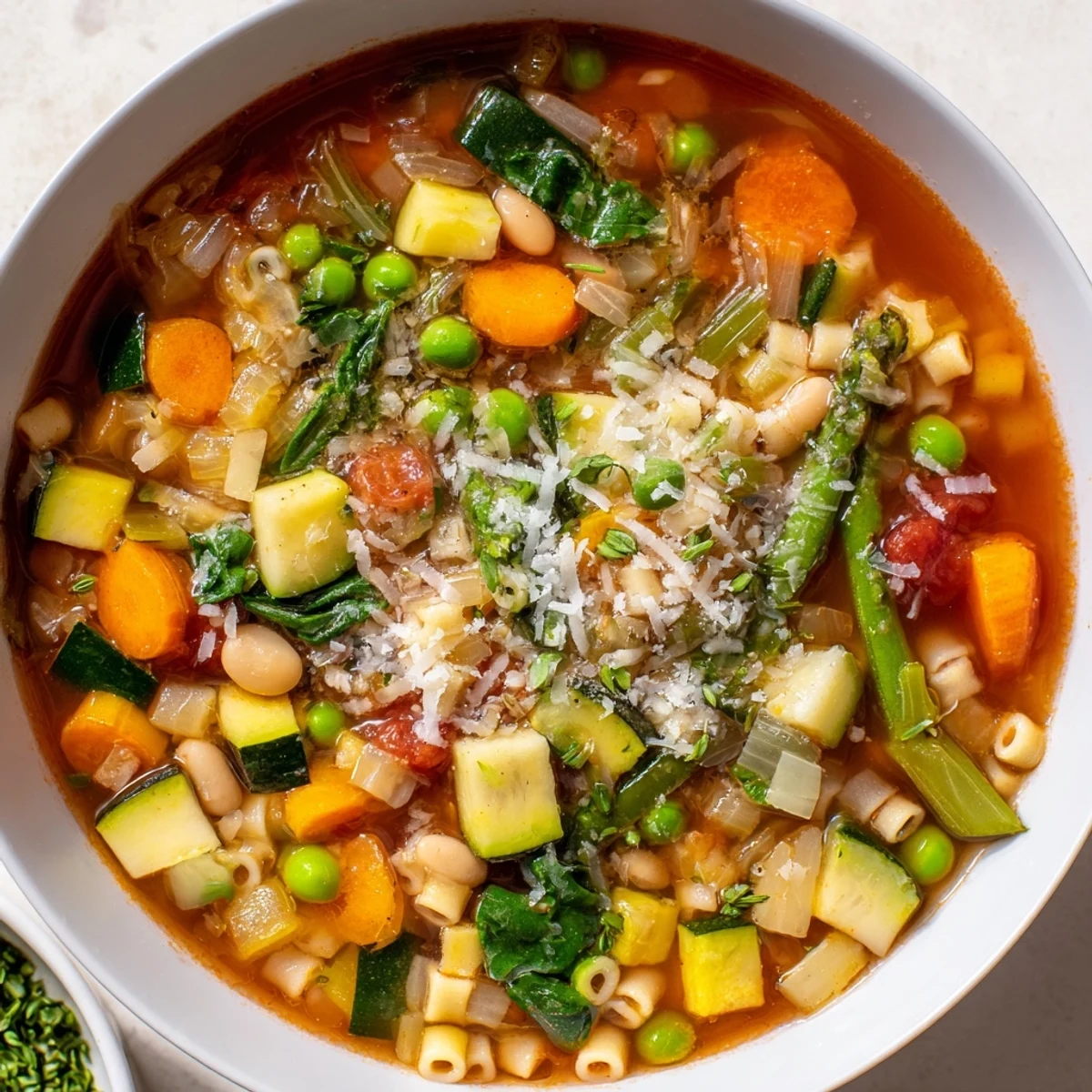
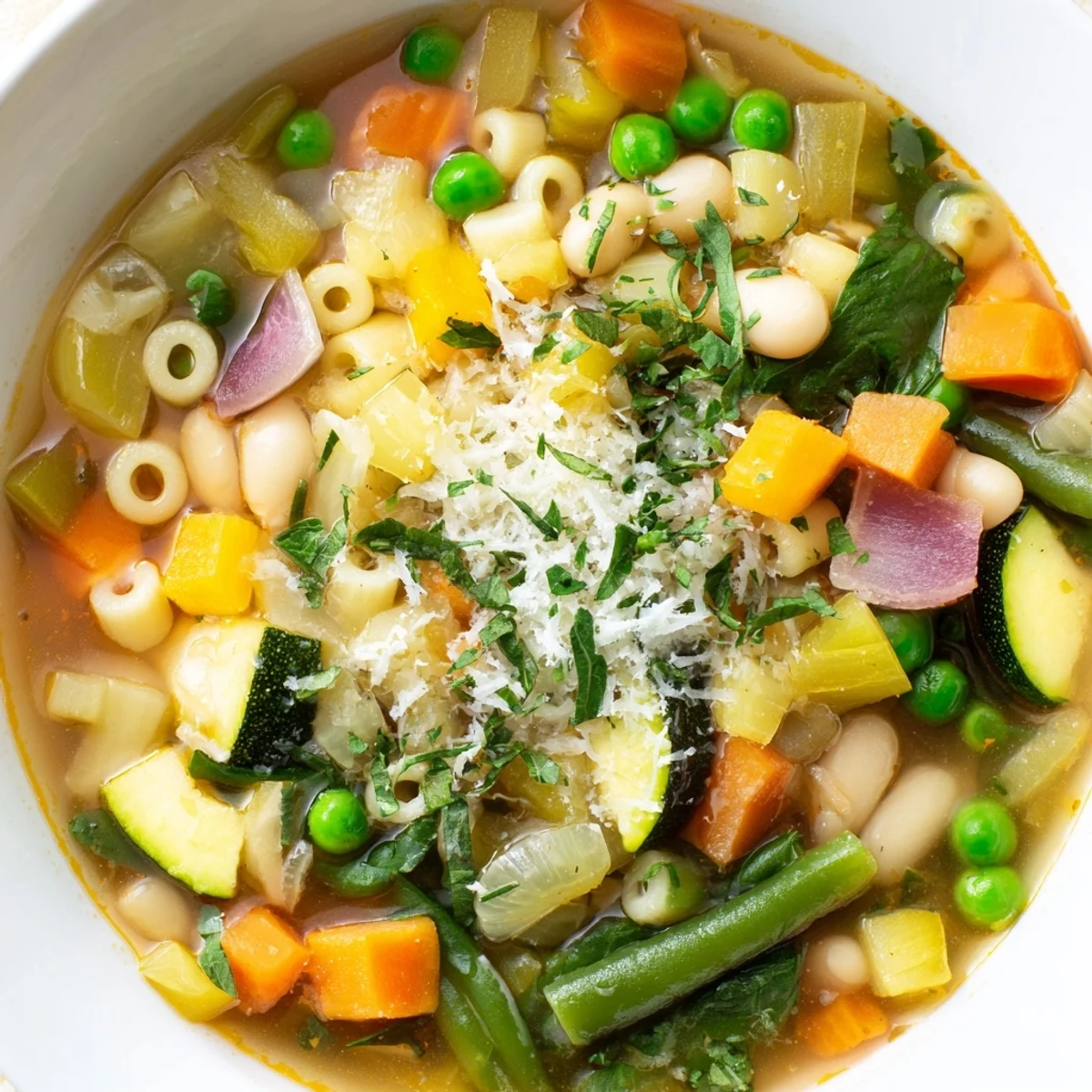
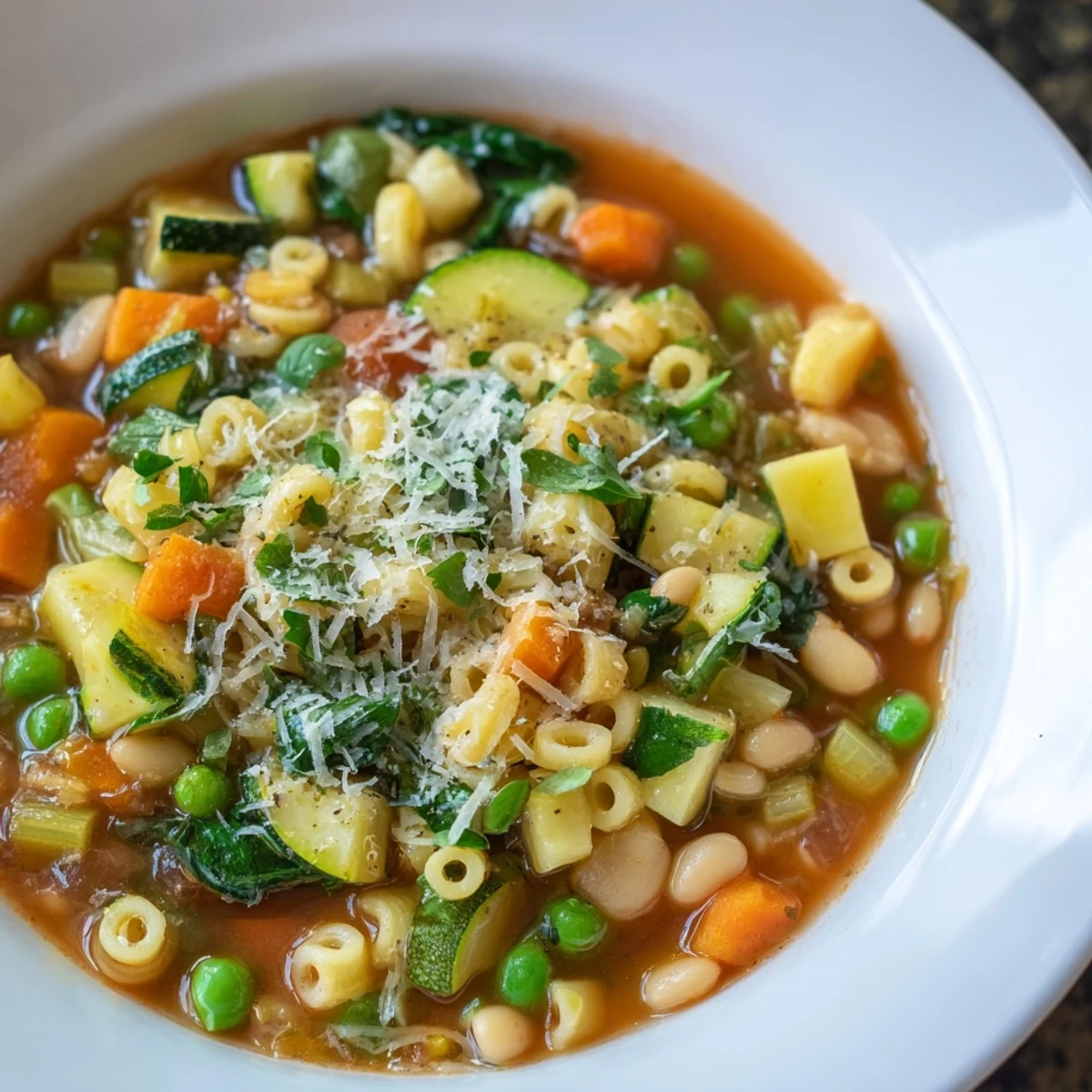
Save This classic Italian dish highlights the freshness of spring vegetables like zucchini, peas, and spinach simmered with cannellini beans and small pasta shapes in a savory herbed tomato broth. Olive oil, garlic, and aromatic herbs such as oregano, basil, and thyme deepen the flavors. Finished with optional Parmesan and parsley garnish, it offers a light yet nourishing bowl perfect for easy, wholesome meals. Simple techniques like sautéing and simmering bring out the best in every ingredient for a vibrant and satisfying experience.
The steam from this soup once fogged up my kitchen windows so completely I couldn't see the rain outside, which felt appropriate somehow. I had thrown it together for a friend recovering from a minor surgery, someone who claimed they weren't hungry until the smell of garlic hitting warm oil changed their mind entirely.
My neighbor walked in unannounced while this was simmering, drawn by what she called the smell of someone who knows what they're doing, which made me laugh because I had been winging it based on what looked decent at the farmers market that morning.
Ingredients
- Olive oil: The foundation that carries everything else, use the decent stuff you actually like the smell of.
- Yellow onion, carrots, celery: The quiet workhorses that build sweetness and depth while you're not paying attention.
- Garlic: Two cloves is a minimum, not a maximum, and add it after the aromatics soften so it doesn't scorch.
- Zucchini and green beans: Cut them roughly the same size so they cook evenly and you don't end up with mush against crunch.
- Diced tomatoes: The canned kind are actually preferable here, more consistent and somehow richer than most fresh tomatoes out of season.
- Vegetable broth: Homemade if you have it, but a good low-sodium store brand lets you control the salt yourself.
- Dried oregano, basil, thyme: The classic trio that signals minestrone without announcing itself too loudly.
- Cannellini beans: Rinse them well or the liquid from the can makes everything murky and slightly metallic.
- Small pasta: Ditalini is traditional but elbows work fine, just nothing too large that dominates the spoon.
- Peas and spinach: Added at the end so they stay bright and barely cooked, a reminder that spring is the whole point.
- Parmesan and parsley: The cheese melts into the broth in thin sheets, the parsley wakes everything up at the last second.
Instructions
- Build your foundation:
- Warm the olive oil in your largest pot over medium heat and add the onion, carrots, and celery. Let them soften slowly, stirring occasionally, until the onion turns translucent and the kitchen starts to smell like somewhere you'd want to be.
- Wake up the aromatics:
- Stir in the garlic and cook just until you can smell it, which happens faster than you expect, about sixty seconds.
- Add the sturdy vegetables:
- Toss in the zucchini and green beans, letting them take on a little color and soften slightly at the edges.
- Make the broth:
- Pour in the tomatoes with their juice, the broth, and all the dried herbs, then season with salt and pepper. Bring everything to a boil, then reduce to a steady simmer.
- Cook the pasta and beans:
- Add the pasta and drained beans, cover the pot, and let it bubble gently for ten to twelve minutes until the pasta is tender but still has some bite.
- Finish with the delicate ones:
- Stir in the peas and spinach, cooking just long enough for the greens to wilt and the peas to heat through, two or three minutes at most.
- Taste and adjust:
- Check the seasoning and add more salt or pepper as needed, remembering that the Parmesan will add saltiness at the end.
- Serve immediately:
- Ladle into bowls while it's hot, topping with grated cheese and chopped parsley, and serve with bread if you have it.
 Save
Save My friend's teenage daughter, who had announced she didn't like soup, ate two bowls in silence and then asked if there was more, which remains one of my favorite cooking compliments of all time.
Making It Your Own
I have made this with asparagus when it was cheap and abundant, with leeks when I had them wilting in the drawer, once with a handful of frozen corn because it was there and it worked fine. The soup forgives experimentation as long as you respect the order of operations, hard vegetables early, tender ones late.
The Bread Question
Crusty bread is not strictly necessary but it transforms the meal from lunch into dinner, from adequate into satisfying. I tear pieces directly into the bowl when no one is watching, letting them soften into sodden pillows that carry the last of the broth.
What to Do With Leftovers
The next day this becomes something else entirely, thicker and more stew than soup, which is not a bad thing but worth expecting. Heat it gently with a splash of water or broth to bring it back to life, and accept that the pasta will never be al dente again.
- A squeeze of lemon at the end brightens everything if the flavors have gone flat overnight.
- A drizzle of good olive oil on top makes it feel intentional rather than leftover.
- Freeze portions before adding the pasta if you want to preserve the texture for later.
 Save
Save However you make it, this soup has a way of feeling like the right thing for the moment, which is really all any recipe can hope for.
Recipe FAQs
- → What vegetables are best for this soup?
-
Seasonal spring vegetables like zucchini, carrots, green beans, peas, spinach, and Swiss chard work beautifully, offering fresh, vibrant flavors.
- → Can I use canned beans instead of dried?
-
Yes, canned cannellini or navy beans save time and provide tender texture when rinsed before adding to the soup.
- → What type of pasta is recommended?
-
Small pasta shapes such as ditalini or elbow macaroni blend well with the soup’s texture and absorb flavors nicely.
- → How do I make this dish vegan?
-
Omit the Parmesan cheese or substitute with a plant-based alternative while keeping the rest of the ingredients the same.
- → Can this soup be made gluten-free?
-
Yes, simply replace the pasta with a gluten-free variety to accommodate dietary needs without sacrificing taste.
- → What herbs enhance the soup’s flavor?
-
Dried oregano, basil, and thyme add a traditional Italian herbal aroma that complements the vegetables and broth perfectly.