
 Save
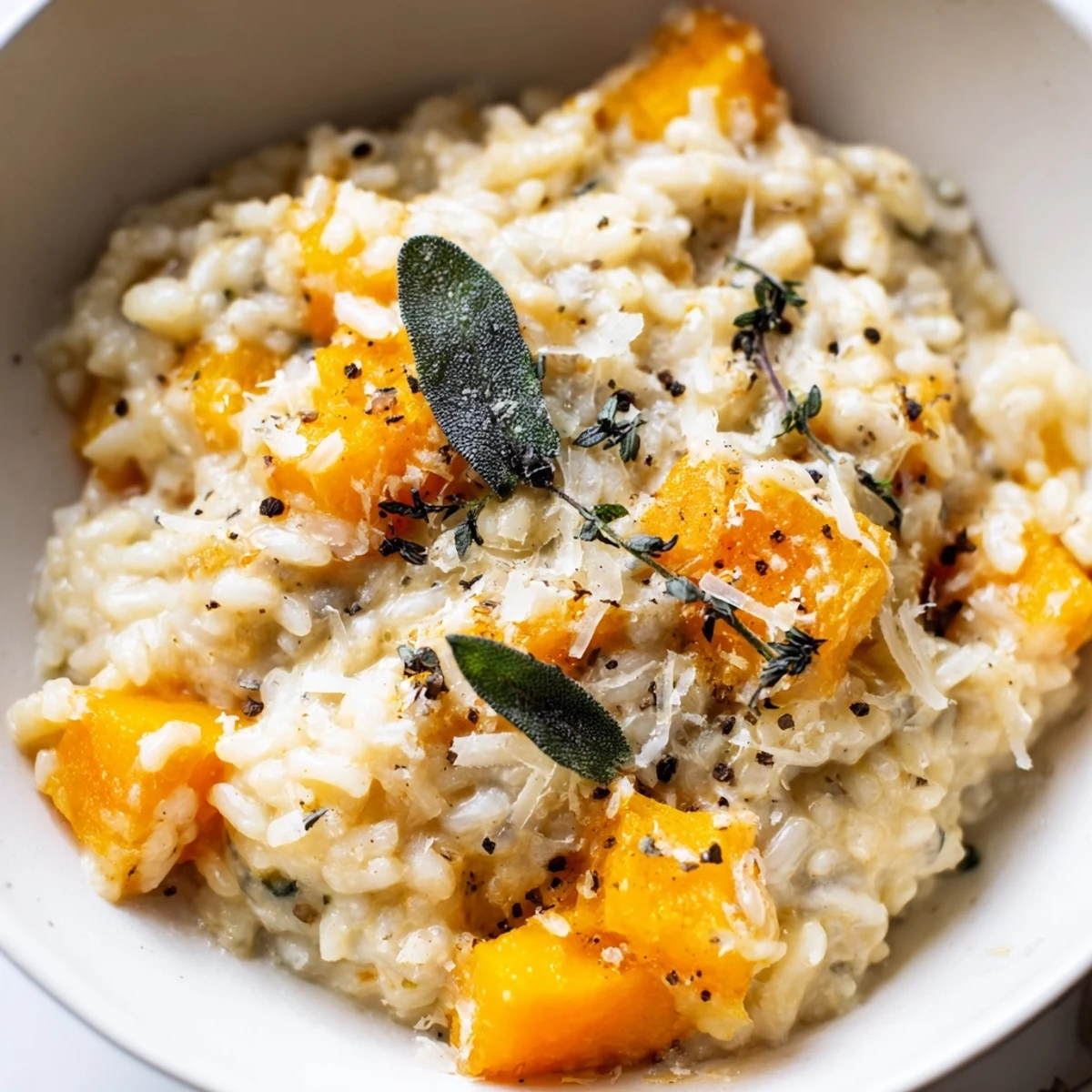
Save This comforting Italian dish brings together tender winter squash, fresh sage, and rich Parmesan cheese in a creamy, velvety texture. The combination of sweet squash and herbaceous sage enhances the nutty depth of Parmesan, creating a perfect meal for cool seasons. Slow-cooked Arborio rice absorbs warm broth and white wine, developing a smooth consistency. Butter and optional cream enrich the flavors, while the careful sautéing of garlic and onion adds aromatic layers. Ideal for serving warm on chilly nights.
There's something about the first truly cold evening of the year that makes me want to stand at the stove and stir something slowly, deliberately. Winter squash risotto found me on one of those nights—not from a recipe book, but from a farmer's market haul and pure intuition. My hands were still cold from walking home, and I thought: what if I turned that sweet, golden squash into something creamy and warm? The answer was this risotto, and now I can't imagine November without it.
I made this for my sister on the night she moved into her new apartment—she arrived exhausted and skeptical about my cooking timeline, but one taste and she forgave me for every slightly burnt pasta from our childhood. We stood in her mostly-empty kitchen eating straight from the pot, and I realized risotto is one of those dishes that demands your attention and rewards it immediately. That's when it became more than a recipe to me.
Ingredients
- Winter squash (butternut or acorn): The sweetness is essential—it balances the savory elements and gives the risotto its signature color. Peel and dice it small so it softens completely into the rice.
- Arborio rice: This short-grain variety has the starch you need for that creamy texture, and it holds its shape without turning mushy if you get the stirring rhythm right.
- Vegetable broth: Keep it warm the entire time; cold broth will disrupt the cooking process and make the rice cook unevenly.
- Dry white wine: It adds acidity that brightens all the rich, sweet flavors—don't skip it or use something too oaky.
- Fresh sage: This is non-negotiable; dried sage tastes bitter and metallic by comparison. Chop it finely so it distributes throughout.
- Parmesan and butter: The finishing duo that makes everything creamy. Use real Parmigiano-Reggiano if you can; it melts more smoothly than pre-shredded versions.
Instructions
- Build your flavor base:
- Heat the olive oil and 2 tablespoons of butter over medium heat in a large, heavy saucepan. Add the onion and let it turn translucent and soft—this takes about 3 minutes, and you'll smell the sweetness opening up. Stir in the minced garlic and fresh sage, cooking for just one more minute until the kitchen smells like an Italian autumn.
- Sauté the squash:
- Add your diced squash, season it generously with salt and pepper, and cook for about 5 minutes, stirring now and then. The pieces will start to soften around the edges and caramelize slightly—that's exactly what you want.
- Toast the rice:
- Stir in the Arborio rice and keep stirring for about 2 minutes. You'll hear a subtle clicking sound as the grains move against the pan, and they'll look almost translucent at the edges. This toasting step matters more than people realize; it keeps the rice from turning into porridge.
- Add the wine:
- Pour in the white wine and stir constantly until it's almost completely absorbed—the rice should be sizzling slightly and smell slightly tangy. This usually takes about 2-3 minutes, and it's your signal that you're ready for the broth.
- Stir in the broth slowly:
- This is the meditation part: add one ladleful of warm broth at a time, stirring almost constantly and waiting until each addition is mostly absorbed before adding the next. It takes 20-25 minutes total, and you want the rice to go from firm to tender while staying creamy and flowing slightly on the spoon. You may not use all the broth, and that's fine.
- Finish with butter and cheese:
- Taste the risotto and adjust the salt and pepper, then remove it from heat. Quickly stir in the remaining tablespoon of butter, the Parmesan, and the heavy cream if you're using it, stirring until everything melts together into something silky and luxurious.
- Rest and serve:
- Let it sit undisturbed for 2 minutes—this resting period is not optional, as it lets the risotto settle and firm up slightly. Serve immediately, garnishing with fresh sage leaves and extra Parmesan shavings.
 Save
Save The best moment came when someone I barely knew took a second bite without asking permission and said, simply, 'This is real.' That's when food stops being technique and becomes connection. Risotto has always been that way for me—vulnerable, honest, and worth every minute of stirring.
Variations and Tweaks That Actually Work
Once you understand how risotto works, you can play with it. I've done versions with roasted squash folded in at the very end for texture contrast, which adds an almost crunchy element against the creamy rice. Some nights I add crispy sage leaves fried separately, or a pinch of nutmeg that nobody quite identifies but everyone tastes. If you're feeding vegans, swap vegan butter for regular butter, use nutritional yeast instead of Parmesan (use a bit more than you'd think), and skip the cream entirely—it honestly works beautifully and tastes grounded rather than sad.
What to Drink and Eat Alongside
A crisp white wine like Pinot Grigio is the obvious choice, and for good reason—the acidity cuts through the richness and makes your mouth feel clean between bites. I've also found that a simple green salad with a sharp vinaigrette works perfectly, giving you something fresh and bright to balance the warm creaminess. Crusty bread is almost mandatory; you'll want to soak up every bit left in the bowl.
Storage and Make-Ahead Wisdom
Risotto is at its absolute best eaten immediately, when it's still flowing and warm and the flavors are at their peak. Leftovers do happen, though, and they're actually good cold or turned into risotto cakes (pan-fry them in butter until golden). If you're planning ahead, you can prep the squash and aromatics the morning of and keep them in the fridge, which saves you time when you're ready to cook.
- Never make risotto and then leave it sitting—it seizes up and the texture becomes weird and pasty.
- If you do have leftovers, loosen them with a splash of broth and gentle reheating over medium-low heat, stirring slowly.
- Store risotto in an airtight container for up to three days, and honestly, it tastes better as a quick lunch than as dinner leftovers.
 Save
Save Winter squash risotto is the dish I make when I want to slow down and remember why cooking matters. Every stir, every ladle of broth, every moment of attention transforms simple ingredients into something that nourishes both body and the quiet parts of us that need comfort.
Recipe FAQs
- → What type of squash works best?
-
Butternut and acorn squash are ideal for their sweet flavor and creamy texture when cooked.
- → Can I substitute the wine?
-
Dry white wine adds depth; if omitted, use extra broth and a splash of lemon juice for brightness.
- → How do I know when the rice is done?
-
Cook until the rice is creamy and al dente, tender yet slightly firm to the bite.
- → What is the role of sage in this dish?
-
Sage imparts a fragrant, earthy note that complements the sweetness of the squash beautifully.
- → Can this dish be made vegan?
-
Yes, replace butter with vegan butter, Parmesan with nutritional yeast, and omit the cream.