
 Save
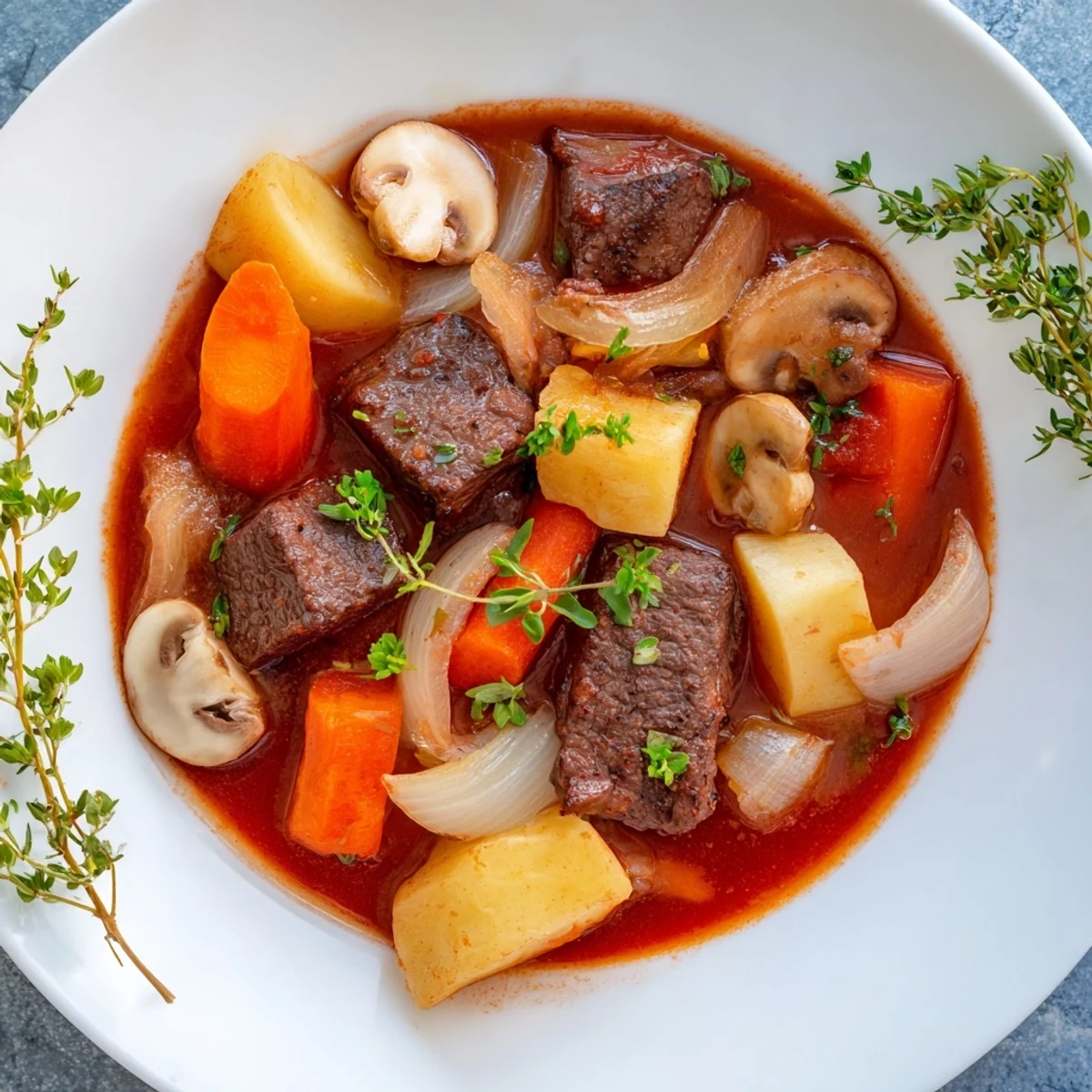
Save This winter warmer features tender beef cubes simmered slowly with a medley of root vegetables including carrots, parsnips, and potatoes. Enhanced by aromatic herbs like thyme and rosemary, this hearty dish develops rich flavors over a long, gentle simmer. Optional red wine adds depth while cornstarch can thicken the broth to your liking. Perfect for cozying up on cold nights, it pairs well with crusty bread or mashed potatoes. Variations include a tasty mushroom-based alternative for a vegetarian touch.
I still remember the first winter I made this stew during a particularly gray December afternoon. My grandmother had always insisted that a proper winter stew was about patience and love, not shortcuts. I was skeptical at first, but when I opened that pot after two hours of gentle simmering, the entire kitchen filled with such warmth and comfort that I understood what she meant. The beef had become so tender it melted on my tongue, and every vegetable had absorbed those rich, herby flavors. That day, I realized this wasn't just dinner—it was a ritual that somehow made the cold outside feel less lonely.
Years later, I made this stew for my best friend who had just moved into a new apartment. She stood in the kitchen with me while it simmered, and we talked about life and dreams between stirring sessions. When we finally sat down to eat, she took one spoonful and her eyes welled up. She said it reminded her of home, of being cared for. I realized then that good food is really just love made edible.
Ingredients
- 1.2 kg stewing beef, cut into 2.5 cm cubes: This is the heart of your stew, so don't skimp. Ask your butcher for chuck or brisket specifically for stewing—these cuts have enough marbling to stay tender and flavorful rather than tough and dry after long cooking
- 2 tbsp olive oil: You need enough to properly brown the beef in batches without crowding the pot. Good browning creates those caramelized flavors that make the whole stew taste deeper and richer
- 2 large onions, diced: Onions are the foundation here, breaking down into a soft base that gives body to the broth and sweetness to balance the herbs
- 3 cloves garlic, minced: Add this after the onions have softened so it doesn't burn and turn bitter—raw garlic can dominate the whole pot, so timing matters
- 4 carrots and 3 parsnips, peeled and sliced: The carrots add natural sweetness while parsnips bring earthiness and a subtle nuttiness that makes people pause mid-bite wondering what that flavor is
- 3 medium potatoes, peeled and cubed: These become pillowy soft and help thicken the stew naturally as they break down slightly
- 2 celery stalks, sliced: A quiet background note that adds depth without being obvious—this is the ingredient that makes people ask 'what is that flavor?'
- 200 g button mushrooms, halved: Mushrooms add an umami richness that makes the stew taste meaty and satisfying, even the vegetables seem more luxurious
- 1.2 L beef stock and 400 g canned diced tomatoes: Quality stock is honestly worth the splurge here—it's the liquid gold that becomes your finished broth, so if you use thin, salty stock, that's what your stew will taste like
- 120 ml red wine (optional but recommended): This adds complexity and a subtle warmth that deepens everything. Skip it only if you truly must—the stew works without it, but it's noticeably less interesting
- 2 tbsp tomato paste, 2 tsp fresh thyme, 2 bay leaves, 1 tsp dried rosemary: These herbs do the real flavor work, creating that distinctive British stew taste that says 'comfort' to every generation
- Salt and freshly ground black pepper: Don't add all your seasoning at the start—taste as the stew cooks and adjust at the end, when flavors have concentrated
- 2 tbsp cornstarch mixed with water (optional): Only use this if you want a thicker stew. I usually skip it and let time do the work naturally
Instructions
- Brown your beef properly:
- Heat olive oil in your pot until it shimmers—really hot. Working in batches so you don't overcrowd the pot, sear the beef cubes until they're golden brown on all sides. This takes patience but it's not negotiable. Don't stir them constantly; let them sit and develop that crust. Transfer each batch to a plate as it finishes. This is where the real flavor begins.
- Build your aromatics:
- In the same pot, add your diced onions and let them cook gently for 3-4 minutes until they start to soften and turn translucent. Then add your garlic and let it bloom for just one minute—you want the smell to be wonderful, not burnt. Stir constantly so it doesn't catch on the bottom.
- Add your vegetables:
- Now add all your carrots, parsnips, potatoes, celery, and mushrooms. Stir everything together and let it cook for about 5 minutes, stirring occasionally. You're building layers of flavor here, letting everything start to get to know each other before the liquid arrives.
- Add tomato paste:
- Stir in your tomato paste and let it cook for a minute. This concentrates its flavors and gets it incorporated into the oil and vegetables, rather than just floating around later.
- Return the beef and add liquids:
- Pour the beef back into the pot along with your beef stock, canned tomatoes (juice and all), and the red wine if you're using it. Add your thyme, bay leaves, rosemary, salt, and pepper. The pot should smell absolutely incredible right now.
- Simmer gently for hours:
- Bring everything to a boil, then immediately turn the heat down low. Cover the pot and let it simmer for 1.5 to 2 hours. The beef and vegetables should become completely tender, and the broth should taste rich and cohesive. This is where the magic happens—everything melts together into one unified flavor.
- Thicken if desired:
- If you want a thicker stew, mix cornstarch with water to make a slurry and stir it in, then simmer uncovered for another 5-10 minutes until it reaches your preferred thickness.
- Finish and serve:
- Remove the bay leaves, taste the stew, and adjust your seasoning one final time. Serve in deep bowls while it's still steaming hot. A garnish of fresh parsley is optional but nice if you have it.
 Save
Save I served this stew at a dinner party once when everyone was tired and overwhelmed by life. Within ten minutes of the first spoonful, the entire table relaxed. People went back for seconds without asking, and someone asked for the recipe before they'd even finished eating. I realized that stew has this quiet power—it stops the rushing, it brings people together, and it reminds us why we cook in the first place.
The Beauty of Long, Slow Cooking
There's something meditative about a stew that simmers for two hours. It's not like cooking that demands your attention every minute. You can go about your day, checking on it occasionally, stirring now and then. The kitchen gradually fills with this enveloping warmth, and by the time you're done, you've created something that tastes like it took real effort and love. That's not just flavor—that's presence. The slow cooking breaks down tough muscle fibers in the beef into gelatin, which gives the whole stew a velvety richness that quick cooking could never achieve.
Why This Stew Works Year After Year
This recipe has endured through generations because it's built on sound principles. The combination of beef, root vegetables, and herbs creates a nutritionally complete meal that satisfies both body and soul. The root vegetables—carrots, parsnips, potatoes—provide natural sweetness and substance, while the mushrooms add umami depth. Every vegetable serves a purpose, nothing is wasted, and every element contributes to the finished dish. It's practical cooking, the kind your grandmother understood, and it still works perfectly today.
Serving Suggestions and Storage
Serve this stew in deep bowls with something crusty to soak up the broth—a hunk of good bread, or alongside creamy mashed potatoes if you're feeling indulgent. Some people like to scatter fresh parsley on top for color and a bright note. Leftovers keep beautifully in the fridge for up to three days, and they freeze wonderfully for up to three months. In fact, the flavors deepen as it sits, so don't hesitate to make it ahead. On busy weeknights, you can simply reheat it gently on the stovetop or in the oven, and suddenly dinner is taken care of.
- Reheat gently on low heat rather than blasting it at high temperature, which can make the vegetables mushy and the beef tough
- If you freeze it, thaw it slowly in the refrigerator overnight rather than at room temperature, which keeps the flavors fresher
- This stew also works beautifully as a pie filling—make it, let it cool completely, top with puff pastry, and bake until golden for a completely different meal
 Save
Save This stew is the kind of dish that becomes part of your kitchen story. Make it once, and you'll make it again and again, each time understanding it a little better. It's honest food, the kind that says 'I care about you' without having to be complicated.
Recipe FAQs
- → How do I ensure the beef stays tender?
-
Brown the beef in batches over medium-high heat before simmering it slowly for 1.5 to 2 hours. The low heat and long cooking time break down collagen, resulting in tender meat.
- → Can I make this stew thicker?
-
Yes, stir in a cornstarch slurry made from cornstarch and water during the last 5-10 minutes of simmering to achieve a thicker consistency.
- → What herbs enhance the flavor best?
-
Thyme, bay leaves, and rosemary add aromatic depth and complement the richness of the beef and vegetables.
- → Is it possible to make a vegetarian version?
-
Replace beef with hearty mushrooms and use vegetable stock instead of beef stock for a delicious vegetarian alternative.
- → What side dishes complement this stew?
-
Crusty bread or creamy mashed potatoes are traditional accompaniments, perfect for soaking up the flavorful broth.
- → Can I prepare this stew ahead of time?
-
Absolutely, leftovers keep well refrigerated for up to three days and freeze beautifully for future meals.