
 Save
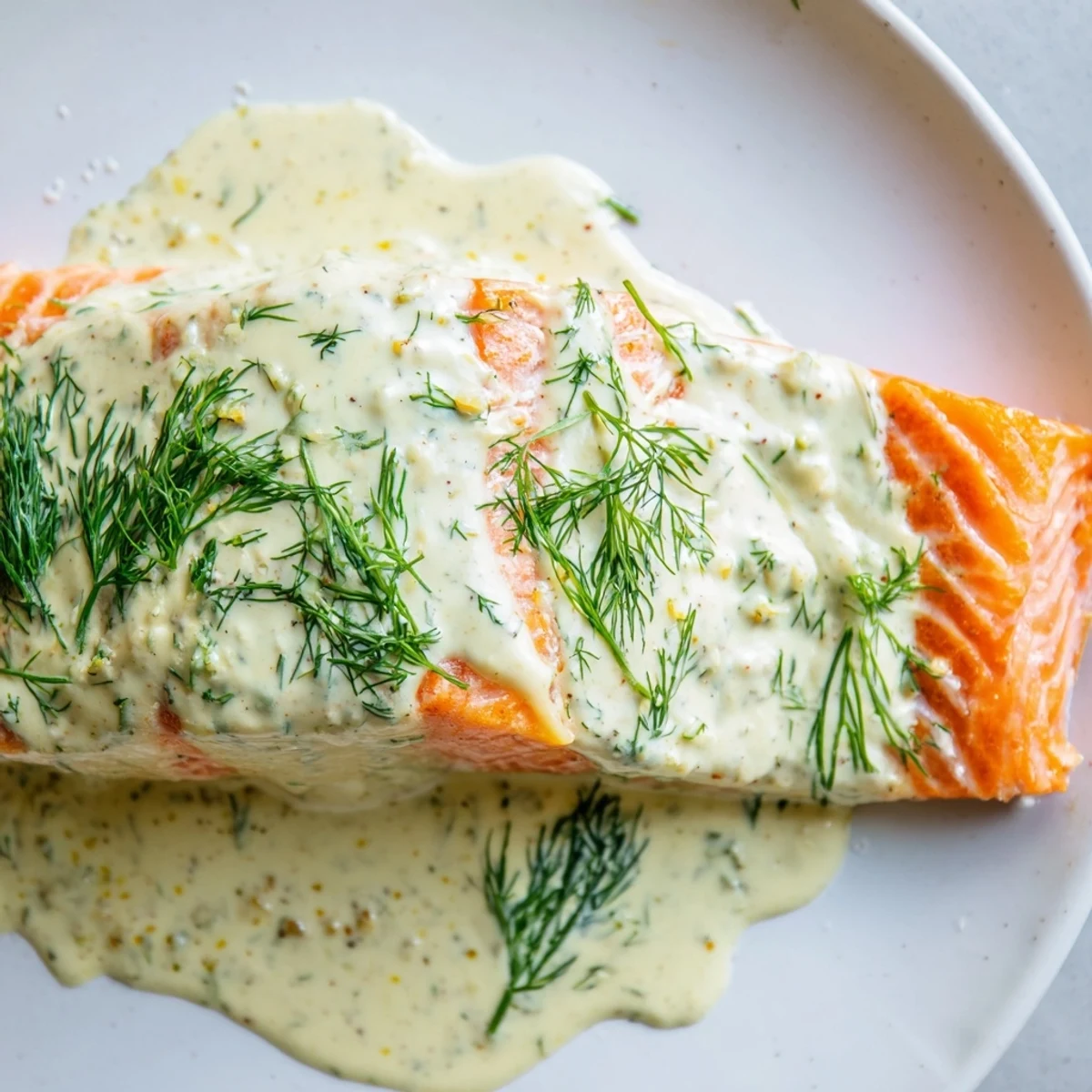
Save This dish showcases tender salmon fillets baked to perfection, paired with a creamy sauce blending Dijon and whole grain mustard, fresh dill, lemon juice, and a hint of honey. The balance of tangy and herbaceous notes enhances the rich flavors of the salmon. Ready in under 30 minutes, it’s an ideal wholesome meal that pairs beautifully with roasted potatoes or steamed vegetables, offering both simplicity and elegance in every bite.
There's something about salmon that stops you mid-conversation—when it's baked just right with a tangy mustard sauce, the whole kitchen fills with this clean, herbaceous warmth that makes everyone pause. I discovered this particular combination on a Wednesday evening when I had exactly four salmon fillets and no plan beyond "get dinner on the table in 30 minutes." The dill and mustard seemed like a natural pairing, almost obvious once I started whisking them together, but the first bite proved there's a reason some combinations feel inevitable. Now it's become my go-to when I want to impress without fussing.
I remember serving this to my sister after she mentioned wanting to eat better, and watching her plate clean was all the validation I needed—she's asked for the recipe almost every time we've talked since. There's something about feeding someone something that tastes this good while being this good for them that just lands differently.
Ingredients
- Salmon fillets: Four pieces at about 170 grams each give you the perfect canvas—thick enough to stay moist through baking but thin enough to cook through without drying out.
- Olive oil: Just enough to prevent sticking and help the skin crisp slightly if you're keeping it on.
- Salt and freshly ground black pepper: Don't skip the fresh grinding—pre-ground loses its punch by the time it reaches your plate.
- Dijon mustard: The backbone of the sauce, bringing sharp sophistication without aggression.
- Whole grain mustard: This adds texture and a slightly softer, almost sweet undertone that balances the Dijon's tang.
- Mayonnaise: Sounds heavy, but three tablespoons is all you need to create that creamy richness that makes the sauce coat the fish beautifully.
- Fresh dill: Two tablespoons finely chopped gives you those little bright bursts that feel like eating springtime—dried works if you're in a pinch, though the flavor reads more muted.
- Fresh lemon juice: One tablespoon lifts everything, cutting through the richness and waking up your palate with each bite.
- Honey: A teaspoon rounds out the sharp edges, adding a whisper of sweetness that nobody quite identifies but everybody tastes.
- Garlic clove: Minced fine, just one, so it becomes part of the sauce's personality rather than a shout.
- Lemon wedges: For serving and for that moment when someone squeezes fresh lemon over everything at the table.
Instructions
- Set your oven and prep your space:
- Preheat to 200°C (400°F) while you line a baking sheet with parchment paper or give it a light grease—this is the moment to decide: do you want the skin crispy or soft? Either works.
- Ready the salmon:
- Pat your fillets dry with paper towels, which sounds fussy but genuinely matters for browning. Lay them skin-side down, brush lightly with olive oil, and season with salt and pepper—be generous but not excessive.
- Bake until just opaque:
- Twelve to fifteen minutes depending on thickness, though I always start checking at twelve by pressing gently with my finger to gauge doneness. That moment when the center just turns from translucent to opaque is your target.
- Build the sauce while the fish cooks:
- In a small bowl, whisk together both mustards, mayonnaise, dill, lemon juice, honey, and garlic until everything is smooth and the color is a pale golden yellow. Taste it—this is the moment to adjust, to add more dill if you're craving it or squeeze in extra lemon if you want it brighter.
- Plate and dress:
- Remove the salmon from the oven, transfer each fillet to a plate, and spoon the sauce generously over the top. A sprinkle of extra dill and a lemon wedge on the side turns it into something you'd order at a restaurant.
- Serve immediately:
- This is best hot, with roasted potatoes or steamed vegetables alongside to catch every bit of that sauce.
 Save
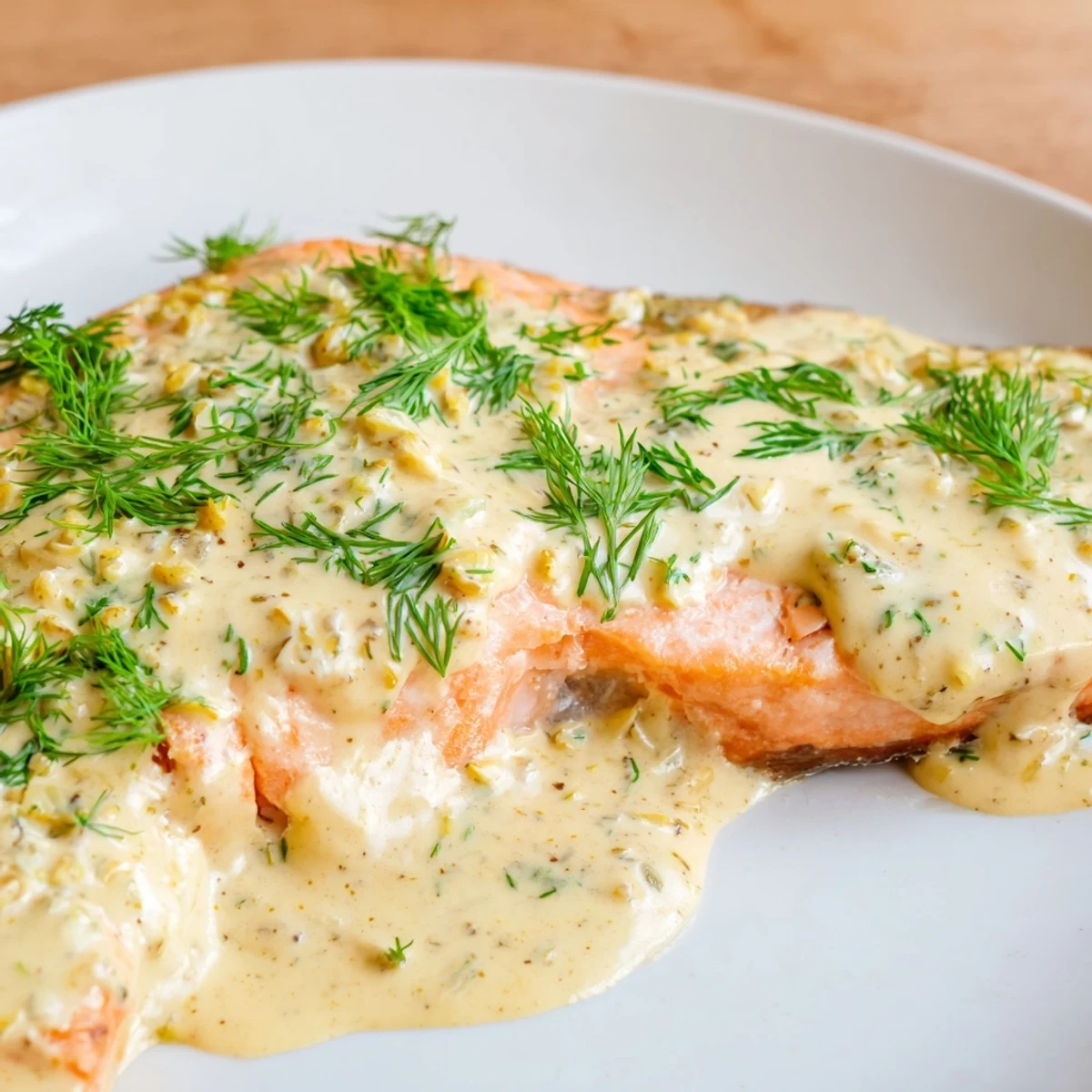
Save There's a moment when everyone at the table realizes the sauce is just as important as the fish—sometimes someone will even ask for extra on the side, and that's when you know it's become a keeper. It's the kind of meal that makes you feel like you've figured something out in the kitchen.
Why This Sauce Works
The combination of Dijon and whole grain mustard creates layers instead of flatness—one brings sharpness, the other brings body and texture. The mayonnaise is the quiet hero, not there to announce itself but to make everything silkier and help it all cling to the fish without sliding around on the plate. Dill and lemon are the clarifying notes that stop it from becoming heavy, and the single garlic clove and honey are almost invisible until they're gone, at which point you notice the sauce feels incomplete. It's mustard sauce alchemy, honestly.
Sides and Pairings
Roasted potatoes with their crispy edges and soft centers are natural here—they soak up the sauce and give you something substantial to chew on alongside the fish. Steamed or roasted vegetables like asparagus, broccoli, or green beans add brightness without competing for attention. If you're thinking wine, a crisp Sauvignon Blanc with its grassy notes echoes the dill perfectly, though a Pinot Grigio works beautifully too.
Make It Your Own
The skeleton of this recipe is flexible enough to adapt to what's in your kitchen or what you're craving. The sauce is forgiving—if mayonnaise feels too heavy to you, Greek yogurt creates a tangier, lighter version that still coats the fish beautifully. If dill isn't your thing, fresh tarragon or chives work here, though the flavor character shifts toward something more delicate. You can also roast the salmon on a bed of thinly sliced lemon and fennel if you want to build more flavor into the fish itself rather than relying entirely on the sauce.
- For a lighter sauce, swap Greek yogurt for mayonnaise and add an extra teaspoon of lemon juice to brighten it.
- Dried dill works in emergencies but use only half the amount and accept that the herbaceous punch won't be quite there.
- Roasting at slightly higher heat (425°F or 220°C) gives you crisper skin if that matters to you, but watch the timing carefully.
 Save
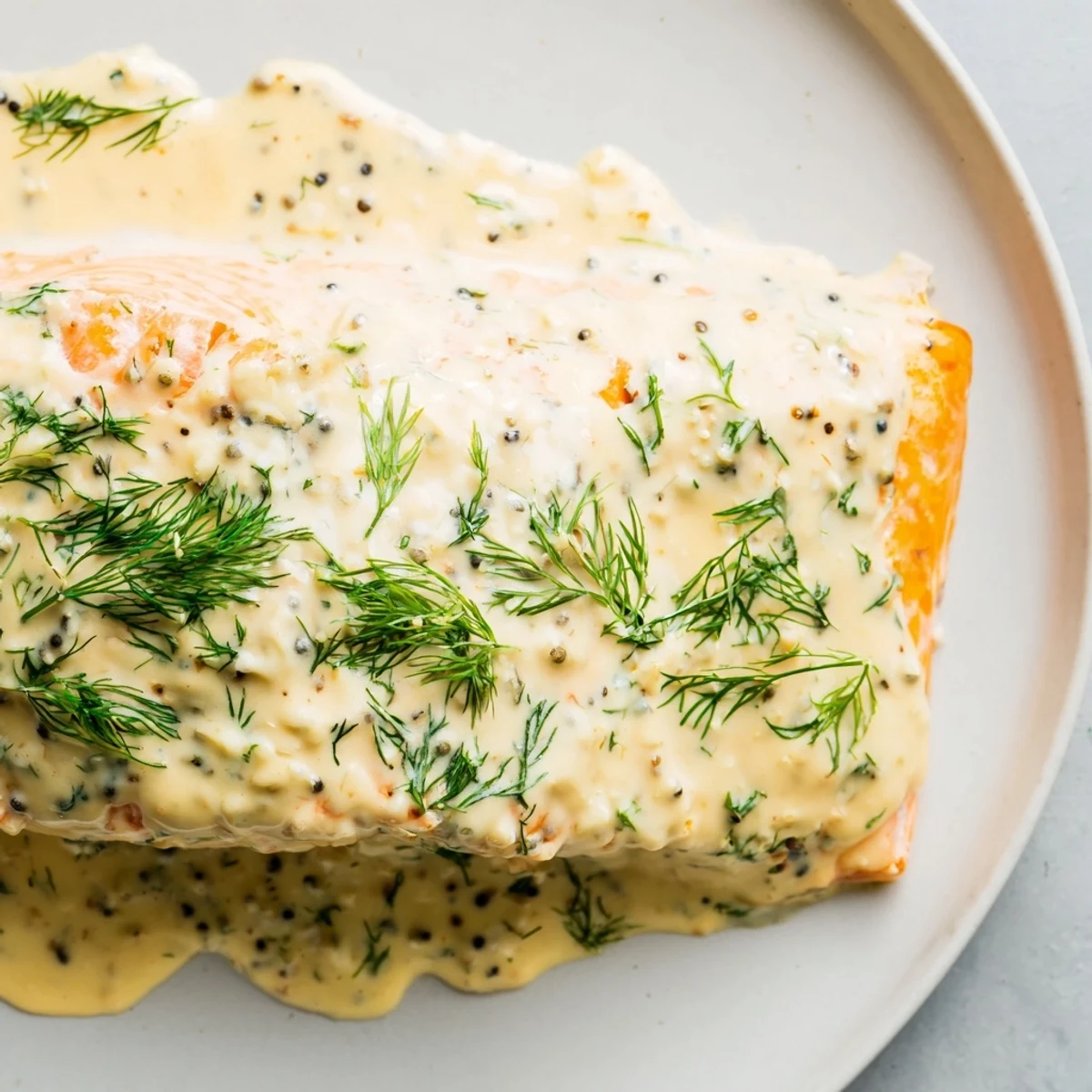
Save This is one of those recipes that teaches you something every time you make it, mostly about how simplicity and intention create elegance. Once you've mastered it, you'll find yourself making it for people you want to feed well.
Recipe FAQs
- → What's the best way to bake salmon for tender results?
-
Bake salmon at 200°C (400°F) for 12-15 minutes, ensuring it’s opaque and flakes easily. Avoid overcooking to keep it moist and tender.
- → How can I make the mustard sauce creamier?
-
Whisk together Dijon and whole grain mustard with mayonnaise, fresh dill, lemon juice, honey, and minced garlic until smooth for a creamy, flavorful sauce.
- → Can I prepare the sauce in advance?
-
Yes, the dill and mustard sauce can be made ahead and refrigerated for up to a day to deepen its flavors.
- → What sides complement this salmon dish well?
-
Roasted potatoes, steamed vegetables, or a light salad pair perfectly, balancing the rich, tangy flavors of the salmon and sauce.
- → Is the sauce adaptable for lighter options?
-
For a lighter variation, substitute Greek yogurt for mayonnaise to reduce fat while keeping creaminess.
- → How important is fresh dill in the sauce?
-
Fresh dill provides bright, fresh flavor; however, dried dill can be used as a last resort with a slightly milder taste.