
 Save
Save This vibrant citrus drink blends freshly squeezed lemon juice with a sweet simple syrup and cold water for a lively hydration boost. The preparation involves gently heating sugar and water to form the syrup, mixing it with fresh lemon juice, and chilling before serving. Enhance the flavor with ice, lemon slices, or fresh mint leaves. Perfect for cooling down on warm days or pairing with light meals. Variations can include sparkling water or alternative sweeteners for a personalized twist.
There's something about the sound of a lemon rolling across the counter that signals summer is here. I learned to make lemonade properly years ago when a friend's grandmother handed me a juicer and said, "Don't rush the syrup," which seemed like odd advice for something so simple. That one instruction changed everything—suddenly it wasn't just tart water with sugar, it was something smooth and balanced that people actually asked for seconds on. Now whenever I smell that bright citrus oil spray in the air, I'm transported back to that kitchen.
I made this for a neighborhood gathering on one of those days where the heat made everyone move in slow motion, and watching people take that first sip, then immediately reach for more, reminded me why simple recipes matter. Someone asked for the recipe, and when I said it was just lemons, sugar, and water, they looked almost disappointed—like they expected some secret ingredient. The secret, I learned, was that there isn't one.
Ingredients
- Freshly squeezed lemon juice: This is non-negotiable—bottled juice tastes thin and metallic by comparison, and you'll actually taste the difference immediately.
- Granulated sugar: It dissolves cleanly into syrup, creating a smooth base that distributed evenly, unlike trying to stir raw sugar into cold water.
- Cold water: The temperature matters because it prevents the syrup from becoming overly diluted when you add it.
- Lemon slices and fresh mint: These aren't just pretty—they add subtle flavor and make it feel intentional rather than rushed.
- Ice cubes: Clear ice looks better, but honestly, any ice keeps it cold enough to actually refresh you.
Instructions
- Make the syrup foundation:
- Combine sugar with one cup of water in a saucepan and heat gently while stirring—you'll see the sugar granules disappear and the mixture turns completely clear. Let it cool just enough to touch comfortably; this is where that grandmother's wisdom about not rushing comes in, because hot syrup makes everything taste diluted.
- Build the flavor base:
- Pour your fresh lemon juice into a large pitcher and add the cooled syrup, stirring gently to combine. The smell at this moment is peak lemon—sharp and alive.
- Expand with cold water:
- Add the remaining three cups of cold water and stir thoroughly, making sure the syrup isn't pooling anywhere. This is when it actually becomes lemonade instead of concentrated lemon syrup.
- Taste and adjust:
- Take a sip and decide if you want it sweeter, more tart, or exactly as it is. A squeeze of fresh lemon juice shifts it tart; a spoonful of syrup brings sweetness without making it thick.
- Chill completely:
- Refrigerate for at least thirty minutes—patience here matters because room-temperature lemonade tastes flat and forgettable. Cold lemonade tastes like refreshment.
- Serve with intention:
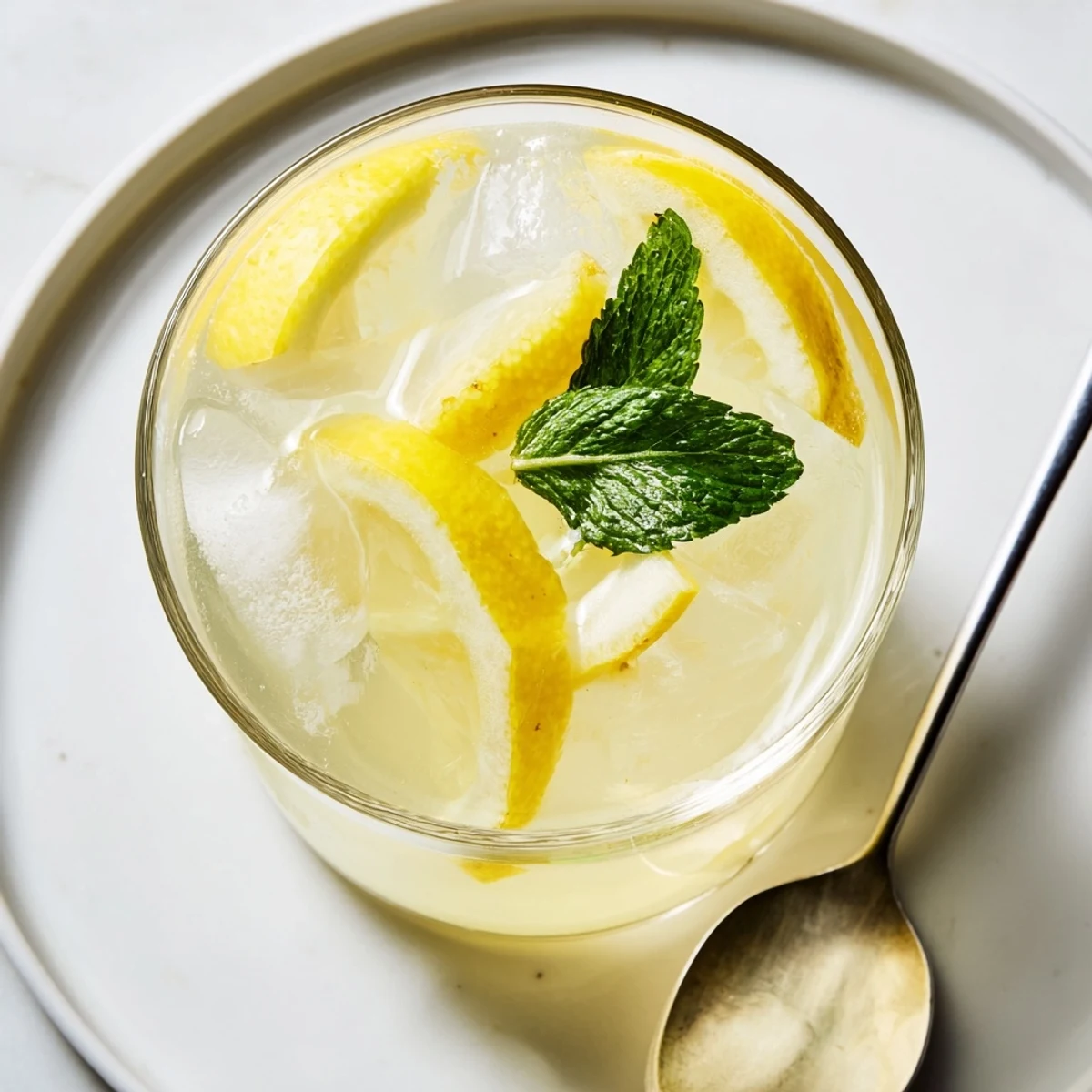
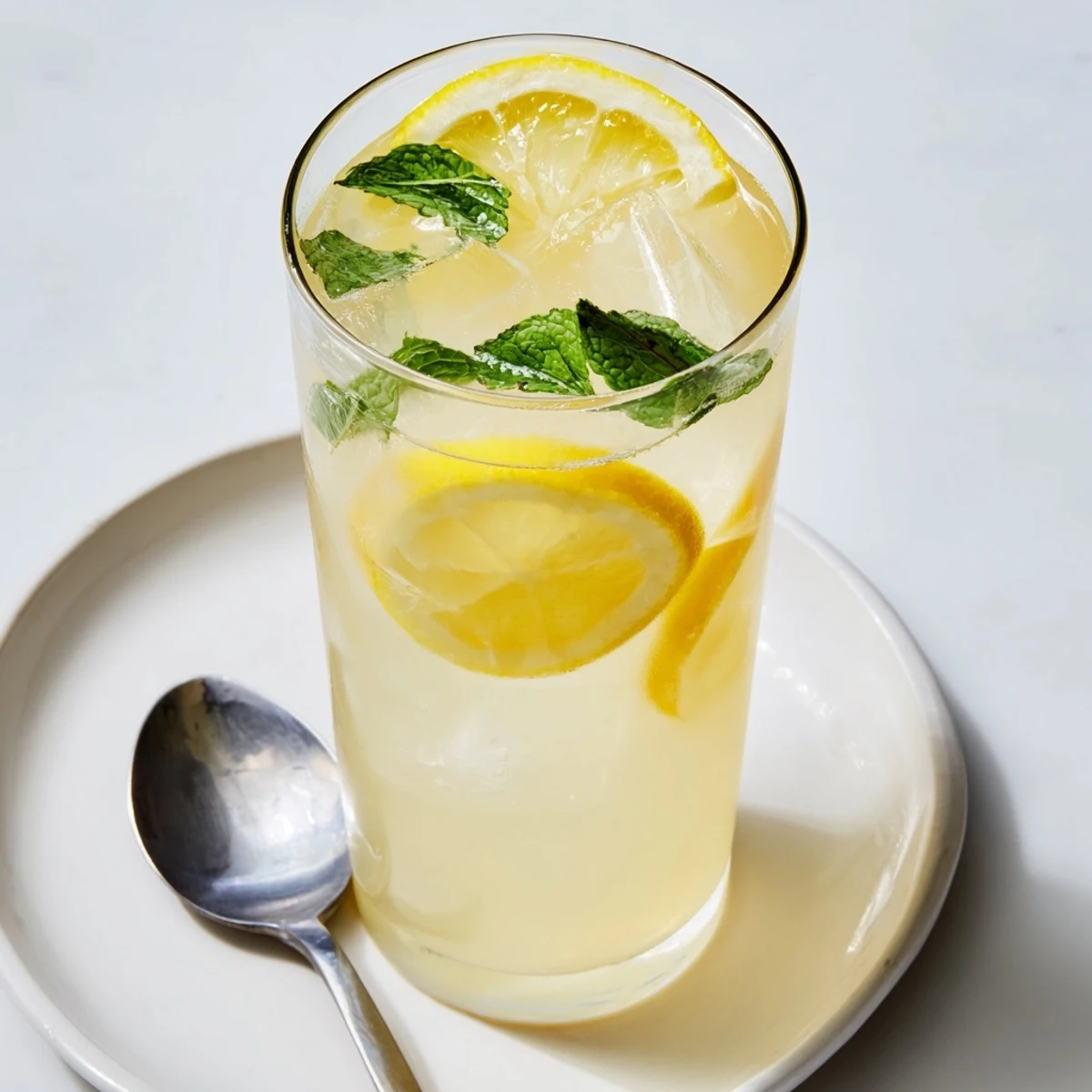
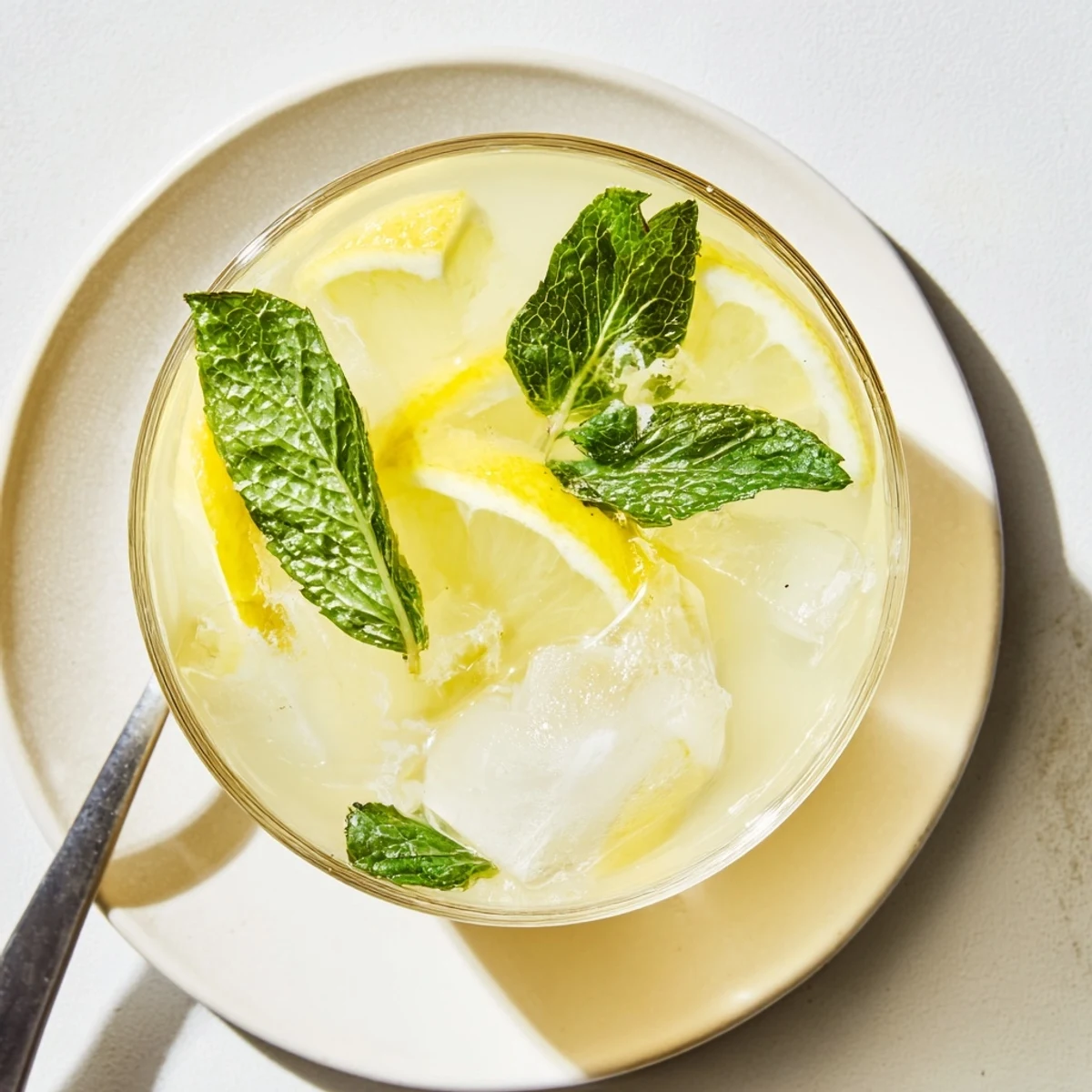
- Pour over ice into a glass, add a lemon slice and a few mint leaves, and watch someone's face light up when they taste something so effortlessly good.
 Save
Save I remember a child at that neighborhood gathering asking why my lemonade tasted different from the instant kind, and I realized that's when cooking stops being just following instructions and becomes teaching someone why fresh matters. That moment stuck with me more than any compliment could have.
Why Fresh Lemon Juice Changes Everything
Bottled lemon juice is preserved, pasteurized, and somehow flattened—it makes lemonade taste like the idea of lemonade rather than the real thing. Fresh lemons, squeezed that morning or the night before, carry brightness and complexity that store-bought can't replicate no matter the price. I learned this by accident when I ran out of fresh lemons and tried making a batch with bottled juice, and the difference was so stark I never did it again.
The Simple Syrup Secret
Most people dump granulated sugar directly into cold water and call it lemonade, but that creates crunchy, undissolved sugar that settles at the bottom. Making a proper simple syrup first ensures the sweetness dissolves evenly throughout, so every sip tastes the same from first glass to last. It sounds fussy for something so easy, but it's the difference between lazy and intentional.
Variations That Keep It Interesting
Once you've mastered the classic, you can play with it—sparkling lemonade tastes festive, mint and cucumber versions cool you differently, and a touch of berry juice adds color and complexity. I've found that the best variations come from asking what you actually crave on that particular hot afternoon. Some days you want pure lemon brightness; other days you want something softer and more interesting.
- Sparkling lemonade: Replace half the cold water with chilled sparkling water right before serving for effervescence without losing the fresh taste.
- Honey or agave swaps: Use honey or agave syrup instead of sugar for a subtly different sweetness that feels less sharp.
- The garden addition: Muddle fresh berries, cucumber slices, or basil into the bottom of the pitcher for complexity that tastes like you actually tried.
 Save
Save Lemonade is proof that the simplest recipes often taste the best when you actually care about the ingredients and the process. That's a lesson worth remembering for cooking and for everything else.
Recipe FAQs
- → How do I make the simple syrup for lemonade?
-
Combine sugar with water in a saucepan and heat gently, stirring until the sugar dissolves completely. Let it cool before mixing with lemon juice.
- → Can I substitute sugar with other sweeteners?
-
Yes, options like honey, agave, or sugar substitutes can be used to adjust sweetness and flavor.
- → What garnishes complement this citrus drink?
-
Lemon slices and fresh mint leaves add brightness and a pleasant aroma when served over ice.
- → How can I make this drink sparkling?
-
Replace half of the cold water with chilled sparkling water just before serving to add fizz and extra refreshment.
- → Is this beverage suitable for special diets?
-
It is vegan, gluten-free, and free from common allergens like dairy, eggs, nuts, and soy, making it widely suitable.