
 Save
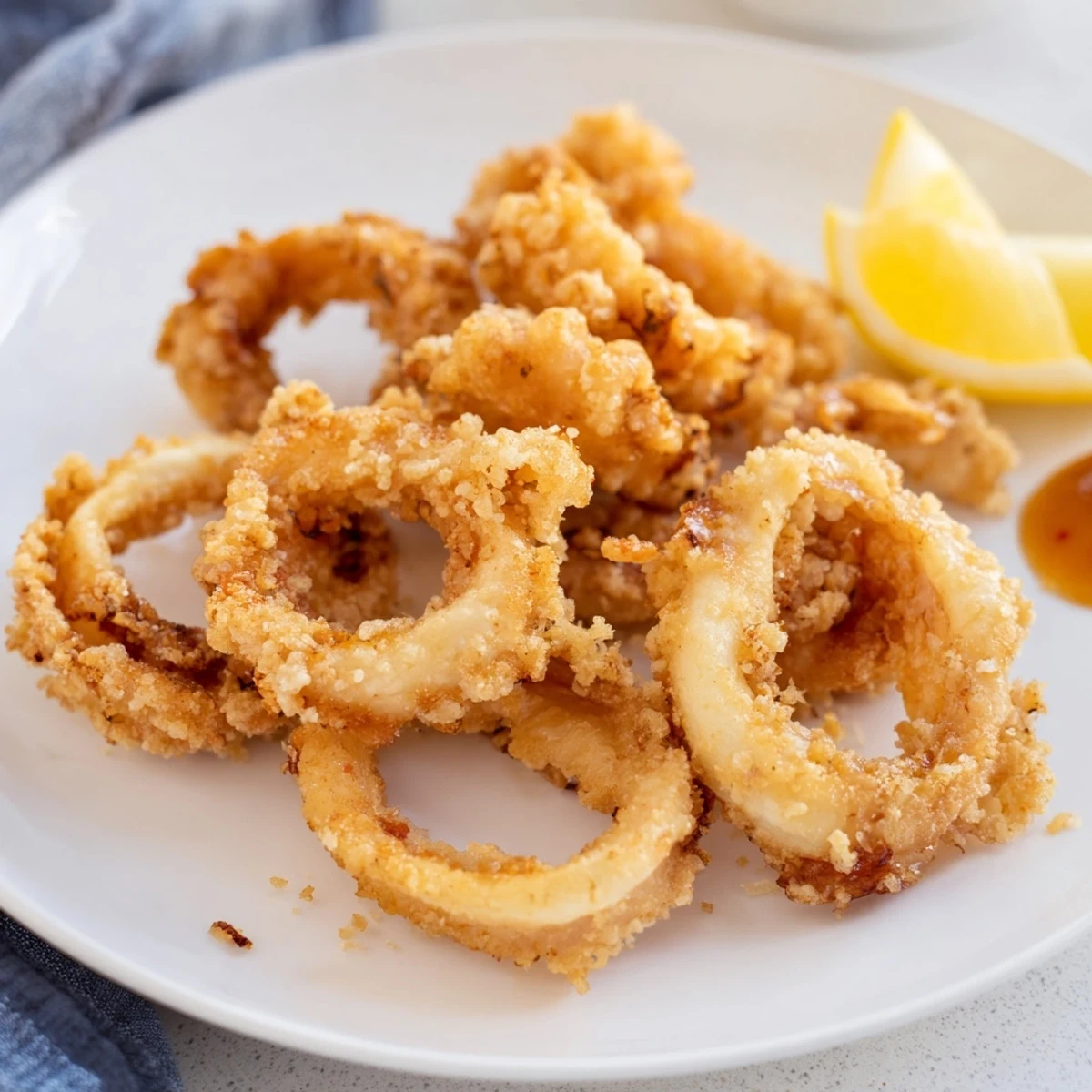
Save This dish features fresh squid rings marinated with soy and spices, then coated in a light batter made from flour, cornstarch, and sparkling water. The squid is fried until golden and crispy, creating a delightful contrast of textures. Serve hot with lemon wedges and sauces like sriracha mayo or sweet chili for an extra zest. Ideal for quick appetizers or snacks, the process includes simple steps like marinating, dipping, and deep frying in hot oil. It pairs well with cold lager or crisp white wine for a refreshing balance.
There's a specific moment I'll never forget: standing in a crowded hawker stall in Southeast Asia, watching a vendor's hands move with practiced rhythm, dredging pale squid rings into a golden batter. The oil sizzled like fireworks, and within seconds, out came these impossibly crispy, delicate rings that shattered between your teeth. I came home determined to recreate that magic, and after a few batches of rubbery or soggy attempts, I finally cracked the code—it was all about the sparkling water and the temperature.
I made this for a dinner party last spring, and my usually skeptical friend who claims to hate squid went back for thirds. Watching someone's face change when they taste something that shatters in their mouth instead of being chewy is its own kind of victory. That night, I realized crispy squid wasn't just food—it was conversation starter, the thing everyone asked me to make again.
Ingredients
- Fresh squid, cleaned and cut into rings (500 g): Buy it the same day you cook if possible; the fresher, the sweeter and more tender it becomes when fried. Ask your fishmonger to clean it for you—saves time and mess.
- Soy sauce (1 tablespoon): This does the heavy lifting in your marinade, seasoning the squid from the inside out while a quick soak prevents it from drying in the oil.
- Garlic powder and white pepper (1 teaspoon each): These create a gentle umami backbone that doesn't overpower the delicate flavor of the squid itself.
- Salt (½ teaspoon): Just enough to enhance without making the batter taste mineral or harsh once fried.
- All-purpose flour and cornstarch (100 g and 30 g): The combination of both is the secret—flour gives structure, while cornstarch adds that signature shattering crispness you're after.
- Baking powder (1 teaspoon): This lifts the batter, creating tiny air pockets that fry up light and airy instead of dense and heavy.
- Cold sparkling water (120 ml): Cold water = less gluten development, which means tender batter; the bubbles fry up into crispy peaks that catch oil beautifully.
- Vegetable oil for frying: Use a neutral oil with a high smoke point; peanut or canola works beautifully here.
- Lemon wedges and dipping sauce: Sriracha mayo brings heat and creaminess, while sweet chili sauce offers gentle sweetness—pick whichever matches your mood.
Instructions
- Prep and marinate your squid:
- Pat the squid completely dry with paper towels—any moisture clings to the batter and creates soggy spots instead of crispness. Toss the rings with soy sauce, garlic powder, white pepper, and salt, then let them sit for exactly 10 minutes while the flavors seep in.
- Build your batter:
- Whisk flour, cornstarch, and baking powder together in one bowl. In another, beat the egg with cold sparkling water until foamy, then pour this into the dry ingredients and stir gently until just combined—lumps are good here, they mean you haven't overdeveloped the gluten. Overmixing turns the batter tough and chewy, which is the opposite of what you want.
- Heat your oil to the right temperature:
- Bring vegetable oil to exactly 180°C (350°F) in a deep pan or fryer. If it's too cool, the squid absorbs oil and becomes greasy; too hot, and the outside browns before the inside cooks through. Use a thermometer—it's not fancy, it's essential.
- Coat and fry in batches:
- Dip each marinated squid ring into the batter, letting excess drip off for just a second, then carefully place it into the hot oil. Fry for 2 to 3 minutes until the batter turns deep golden and crispy, working in batches so the oil stays hot and doesn't crowd the pan.
- Drain and serve:
- Lift the squid out with a slotted spoon and lay it on paper towels to blot away excess oil. Serve immediately while still crackling, with lemon wedges and your chosen dipping sauce on the side.
 Save
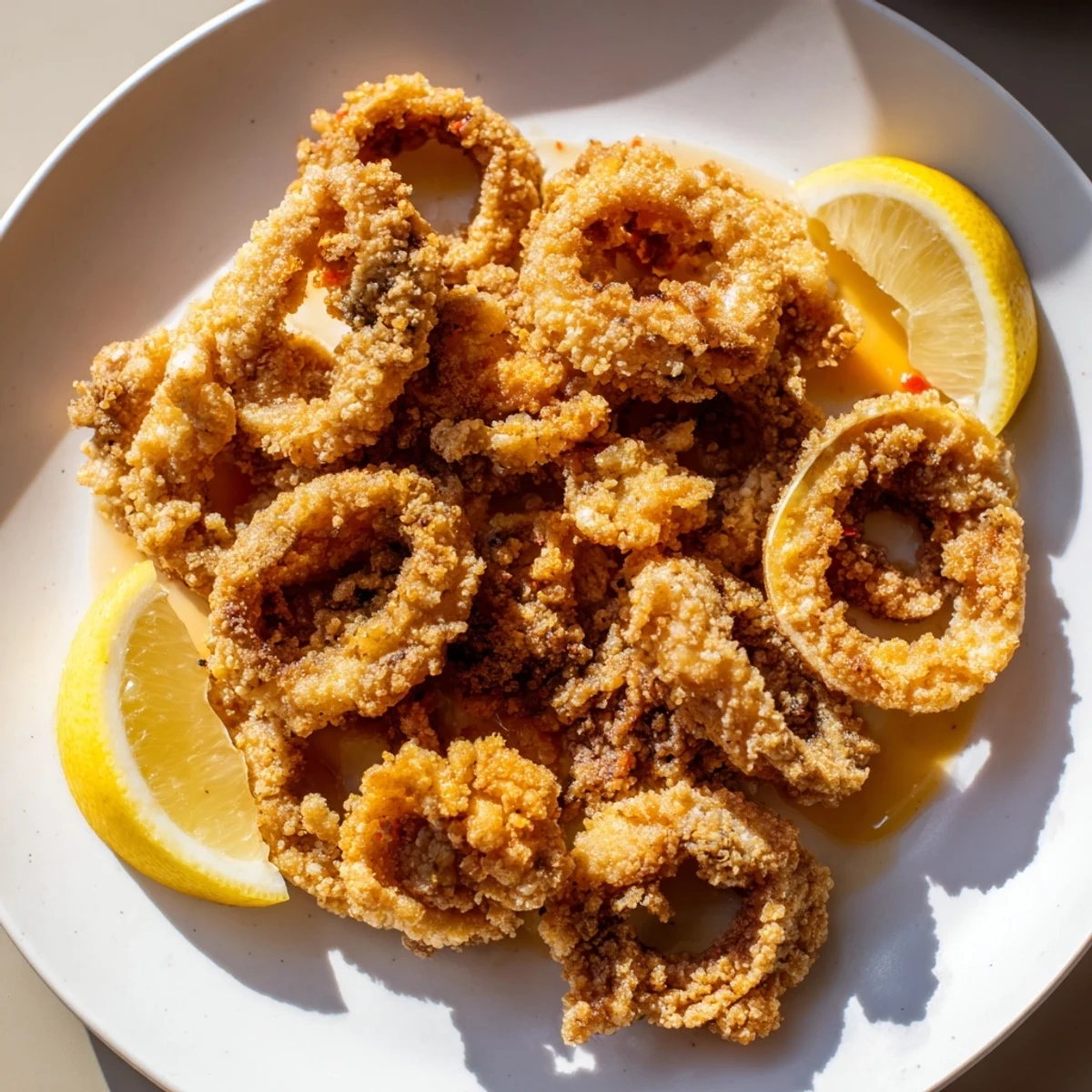
Save The best part isn't just eating it—it's the moment of doubt that disappears the instant someone bites down. That crackling sound, that golden shattering giving way to tender squid inside, is when you know you've nailed it. After that first successful batch, I stopped worrying and started enjoying, which is really what cooking should feel like.
The Secret to Shattering Crispness
Most people think frying is just about hot oil, but texture is built into your batter before anything touches heat. The combination of cornstarch and cold sparkling water creates a coating that's technically delicate—minimal gluten, maximum crispness. Cornstarch doesn't absorb as much water as flour alone, so it fries up shatteringly crisp instead of dense. The sparkling water's carbonation creates tiny bubbles that expand in the heat, leaving you with an impossibly light, airy shell. This is why warm or room-temperature water fails; it activates gluten, turning the batter tough and chewy. Think of it like the difference between a croissant and a hockey puck—same basic ingredients, completely different outcome depending on technique.
Dipping Sauces That Make It Sing
Plain squid is delicious, but a great dipping sauce transforms it into something memorable. Sriracha mayo brings heat and richness—mix equal parts sriracha and mayonnaise, add a squeeze of lime and a touch of honey to round the heat. Sweet chili sauce is the easier path: the sweetness balances the heat, and the vinegar cuts through any residual oiliness from frying. I've also had success with a simple mixture of soy sauce, lime juice, and a pinch of white pepper, which echoes the marinade and lets the squid's delicate sweetness shine.
Making It Your Own
Once you master the basic technique, the possibilities expand in all directions. Some cooks swear by a light double-dip—dust the squid lightly in flour before battering, which adds another layer of crispness and texture. Rice flour substitutes beautifully for all-purpose flour if you're cooking gluten-free, giving a slightly different crunch that some people prefer. You can also season the flour mixture itself: a pinch of smoked paprika adds subtle depth, white miso powder brings umami whisper, or a touch of cayenne brings gentle heat straight into the coating.
- Don't rush the temperature check—use a thermometer, not guesswork, for consistent results every single time.
- Fresh squid makes a noticeable difference in texture and taste, so befriend your fishmonger and ask when their delivery comes in.
- The moment squid hits the oil is the moment to stay present—these cook fast, and texture is lost in seconds if you look away.
 Save
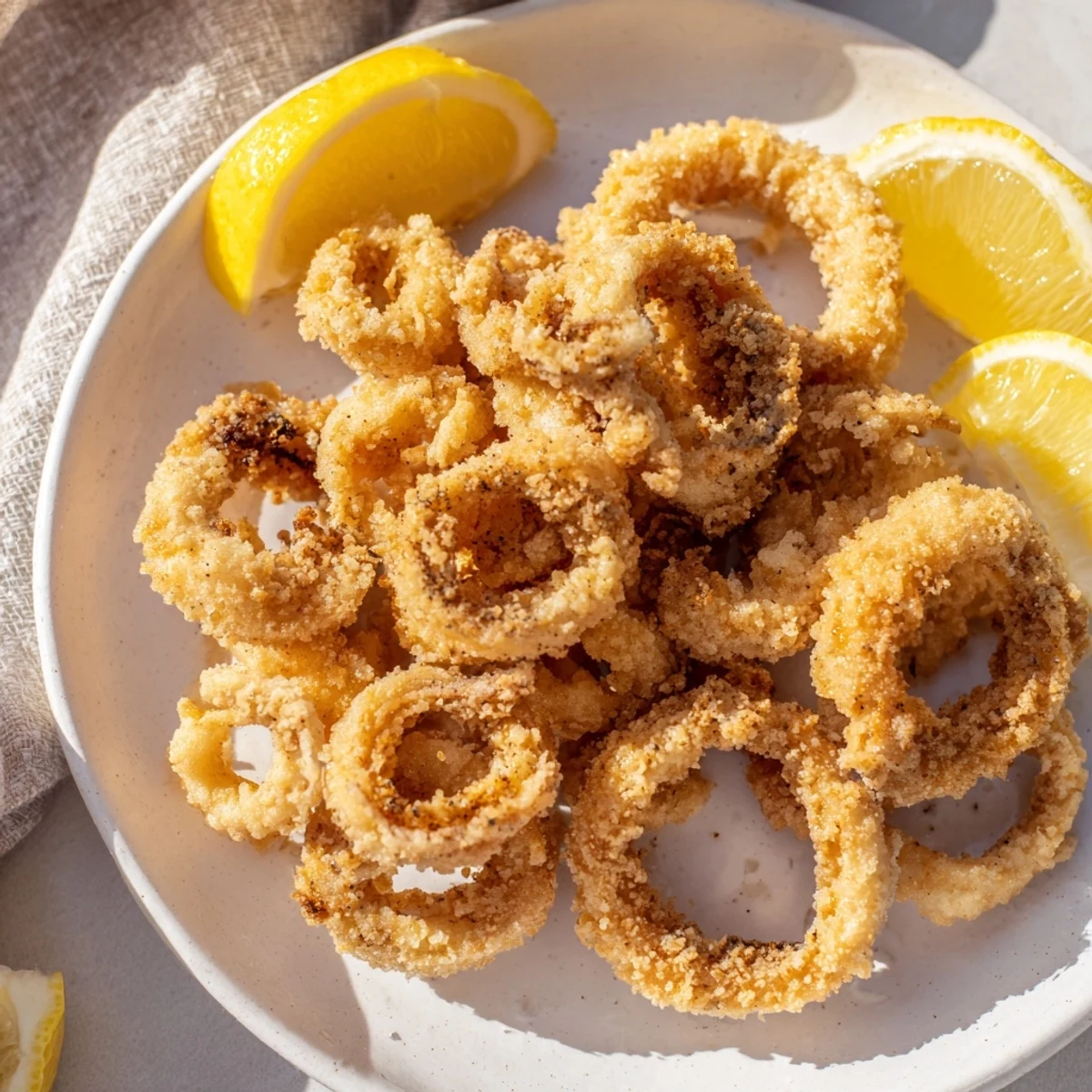
Save Crispy squid is the kind of dish that feels fancy enough for a dinner party but casual enough to make just because you want to eat something that makes you smile. Once you master this, it becomes your reliable little trick that people remember.
Recipe FAQs
- → How do I achieve extra crunchiness?
-
For added crunch, lightly dust the squid rings with flour before dipping them into the batter for an extra crispy coating.
- → What oil temperature is best for frying?
-
Heat the oil to 180°C (350°F) to ensure the squid fries evenly and turns golden without absorbing excess oil.
- → Can I prepare this dish gluten-free?
-
Yes, substitute all-purpose flour with rice flour in the batter to make it gluten-free while maintaining a light texture.
- → What sauces pair well for serving?
-
Sriracha mayo, sweet chili sauce, or a squeeze of fresh lemon enhance the flavors and add a tangy finish.
- → How long should squid marinate before frying?
-
Marinate the squid rings for about 10 minutes to infuse savory flavors without overwhelming the natural taste.