
 Save
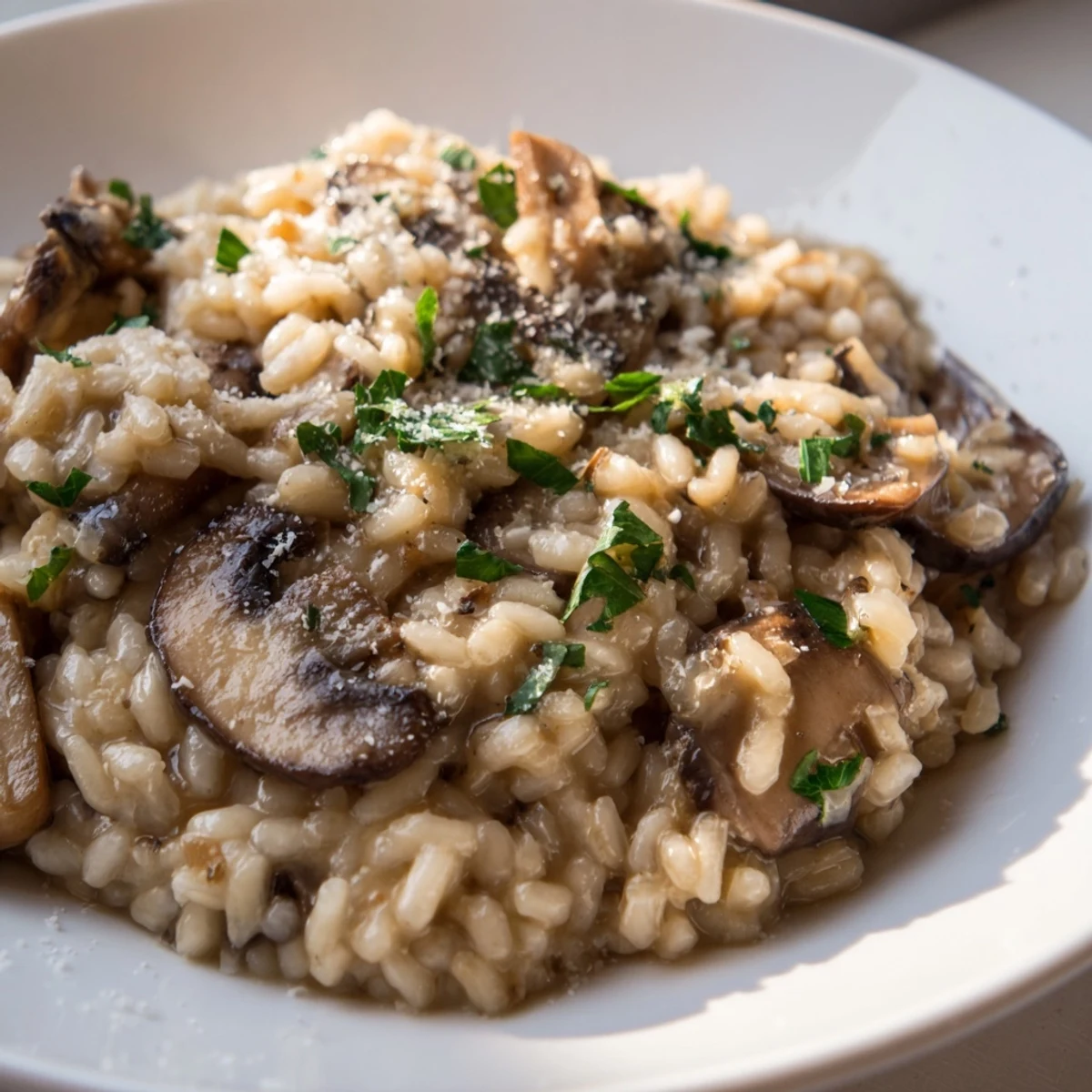
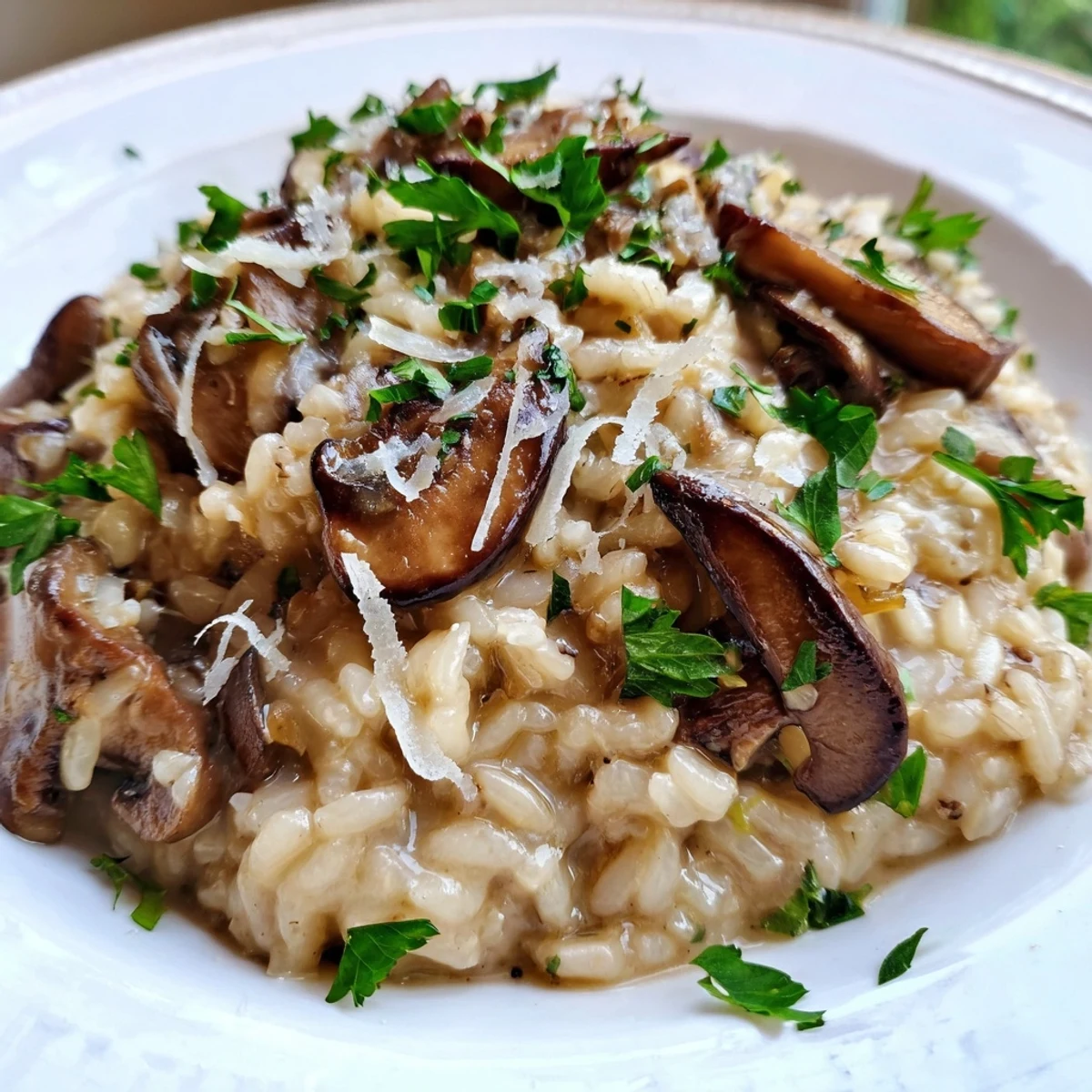
Save This dish features Arborio rice cooked to a creamy, al dente texture combined with sautéed mixed mushrooms and aromatic garlic and onions. White wine and warm vegetable broth build rich depth, while butter and grated Parmesan enrich the finish. It is served with a delicate drizzle of truffle oil and fresh parsley, offering earthy and luxurious flavor layers. Ideal for special dinners or cozy evenings, the method balances careful stirring and layering of liquids for perfect creaminess without heaviness.
There's a particular evening I won't forget—my partner had just come home stressed from work, and I wanted to create something that felt unhurried and special without the fuss. I'd picked up some beautiful mushrooms at the market that afternoon, their earthy smell already filling the kitchen, and I decided risotto was exactly what the moment needed. The slow, rhythmic stirring became almost meditative, and by the time I drizzled that first bit of truffle oil across the creamy surface, the whole room smelled like a little piece of luxury.
I made this for a dinner party once when I was nervous about impressing friends who considered themselves adventurous eaters, and watching them slow down mid-conversation to really savor a spoonful of it—that's when I realized this dish had something honest and genuine about it. It wasn't trying too hard; it just knew exactly what it was doing.
Ingredients
- Mixed mushrooms (cremini, shiitake, or button), 300g sliced: The variety of mushroom types matters here—each one adds a different depth of flavor, and together they create an earthiness that feels complete and grounded.
- Arborio rice, 300g: This short-grain rice releases starch as it cooks, which is what makes risotto creamy without any cream; don't substitute with long-grain or the whole thing falls apart.
- Vegetable broth, 1 liter (kept warm): Keeping it warm is not just a suggestion—cold broth will shock the rice and disrupt the creamy texture you're building.
- Dry white wine, 120ml: The acidity cuts through the richness and adds a subtle brightness; I've used Pinot Grigio many times, and it never disappoints.
- Yellow onion, 1 small, finely diced: This is your flavor foundation; take time with the dice so it cooks evenly and disappears into sweetness.
- Garlic, 2 cloves, minced: Fresh garlic is non-negotiable here—garlic powder will make this taste like something else entirely.
- Parmesan cheese, 50g, freshly grated: Freshly grated melts better and tastes infinitely better than pre-shredded; if you can't do Parmesan, use a good aged cheese with similar sharpness.
- Unsalted butter, 2 tbsp: The final addition of butter is crucial—it adds silkiness and emulsifies everything into a luxurious finish.
- Olive oil, 2 tbsp: Use something you'd actually taste straight from the bottle; this isn't the place for cheap oil.
- Truffle oil, 2 tbsp: This is your grand finale; a little goes a long way, and it should smell absolutely intoxicating when you open the bottle.
- Fresh parsley, 2 tbsp, plus extra for garnish: The fresh, grassy note at the end balances all that richness and brings everything into focus.
- Salt and freshly ground black pepper, to taste: Taste as you go; the broth already has salt, so be gentle at first.
Instructions
- Build your flavor base:
- Heat the olive oil and butter in your largest pan over medium heat, then add the onion and let it soften until it turns translucent and sweet—this usually takes about 3 to 4 minutes, and you'll know it's ready when you can't see the pieces anymore. Stir in the garlic and listen for that quiet sizzle; cook it just until it becomes fragrant, about a minute, because garlic burns quickly and tastes bitter if you aren't paying attention.
- Coax out the mushroom magic:
- Add all your mushroom slices to the pan and let them cook, stirring now and then, until they've softened and given up all the liquid they're holding—this takes about 6 to 8 minutes. The mushrooms will go from looking plump to shrunken and concentrated, and that's exactly when you know they're done; season lightly with salt and pepper here so the flavors have time to settle.
- Toast the rice grains:
- Add the Arborio rice and stir it constantly for a minute or two so every grain gets coated with the oil and mushroom mixture—you'll notice the edges of the rice becoming slightly translucent and glassy, which means it's ready. This toasting step sounds small, but it prevents the rice from turning mushy and keeps each grain distinct.
- Wake it up with wine:
- Pour in the white wine and keep stirring until almost all of it has disappeared into the rice—this usually takes about 2 minutes, and you'll feel the pan getting hotter as the liquid reduces. The wine adds a subtle acidity that makes everything taste brighter.
- The patient stirring begins:
- Start adding the warm broth one ladle at a time, stirring frequently so the rice releases its starch and becomes creamy; wait until each addition has been mostly absorbed before you add more—this whole process takes about 18 to 20 minutes. You'll feel the consistency change beneath your spoon from soupy to thick and luxurious, and that's when you know it's working.
- The final elevation:
- Remove the pan from heat, then stir in the remaining butter and all that freshly grated Parmesan until everything is glossy and seamless. Taste it now and adjust the salt and pepper; it should taste like the best savory thing you've ever had, with a gentle heat from the pepper.
- The moment of truth:
- Spoon the risotto into warm bowls, then drizzle each serving with truffle oil and scatter fresh parsley across the top—the aroma that rises from the plate is part of the experience. Serve immediately while it's still steaming.
 Save
Save I once made this for my mother on Mother's Day, and she took one taste and immediately put down her fork to tell me this was the kind of meal that made you feel cared for in a way that was almost too much. That's when I understood that risotto isn't really about the ingredients—it's about the time and attention you pour into every stir.
The Secret of Mushroom Selection
Don't be afraid to mix and match your mushrooms—cremini, shiitake, and button mushrooms each bring something different to the table, and together they create a complexity that a single type could never achieve. I once tried making this with just button mushrooms because that's what was on sale, and while it was fine, it was missing that deeper earthiness that makes people pause mid-conversation to ask what they're tasting. The investment in better mushrooms pays for itself in the quality of the final dish.
Why Warm Broth Changes Everything
This is one of those details that sounds fussy but actually makes a real difference—cold broth will cool down the rice and stop the cooking process abruptly, leaving you with something starchy and unpleasant instead of creamy. I learned this the hard way after once using broth straight from the fridge, and the result was textbook risotto gone wrong. Now I always have a small pot of broth simmering quietly on a back burner, and it's made a world of difference in how consistently the dish turns out.
Making It Your Own
Once you understand how risotto works, you'll realize it's endlessly adaptable—some nights I add roasted asparagus, other times a handful of fresh peas, and one memorable autumn I added thinly shaved fresh truffles because I wanted to feel completely unreasonable. The technique stays the same; only the supporting players change.
- For a vegan version, substitute butter and Parmesan with high-quality plant-based alternatives and the risotto will still be stunning.
- Leftover risotto can be spread onto a baking sheet to cool, then cut into squares and pan-fried until golden for arancini that become something entirely new and wonderful.
- A crisp Pinot Grigio or Gavi served alongside makes the whole meal feel like a special occasion, even on an ordinary Tuesday.
 Save
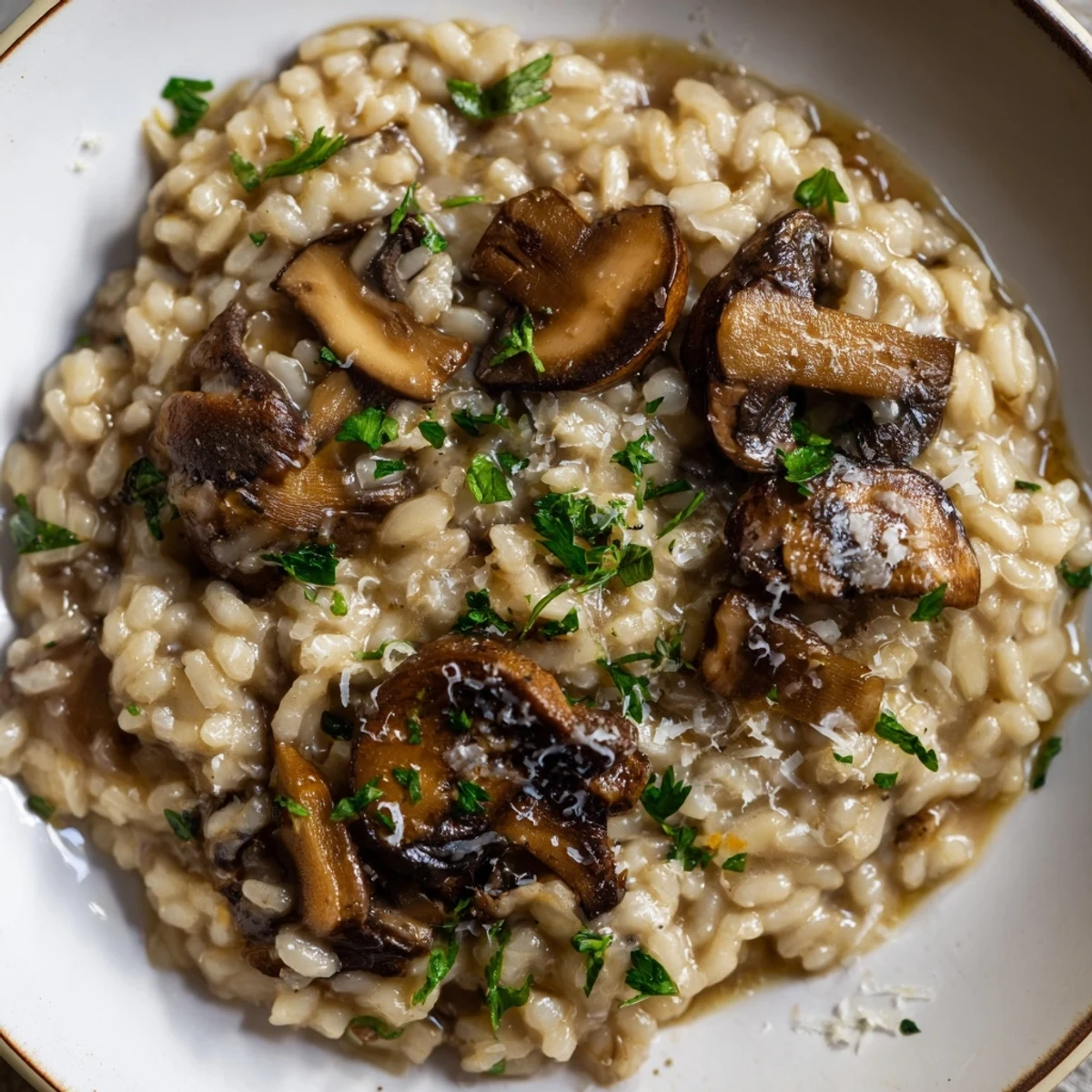
Save This risotto has become my go-to dish when I want to cook something that feels both simple and impressive, the kind of meal that reminds everyone at the table why good food matters. Make it with attention and care, and it will absolutely repay you.
Recipe FAQs
- → What types of mushrooms work best?
-
Cremini, shiitake, and button mushrooms provide a balanced earthy flavor and texture suitable for creamy risotto.
- → How should I add the broth during cooking?
-
Gradually add warm broth one ladle at a time, stirring frequently and allowing it to absorb fully before adding more to achieve creamy rice.
- → Can I substitute the Parmesan cheese?
-
Yes, vegetarian or plant-based alternatives can be used to maintain the creamy richness without dairy.
- → What is the role of truffle oil?
-
Truffle oil adds a fragrant, luxurious finish that enhances the earthiness of the mushrooms without overpowering the dish.
- → How do I store leftovers?
-
Leftover risotto can be refrigerated and later shaped into patties for pan-frying as arancini or reheated gently with added broth for creaminess.