
 Save
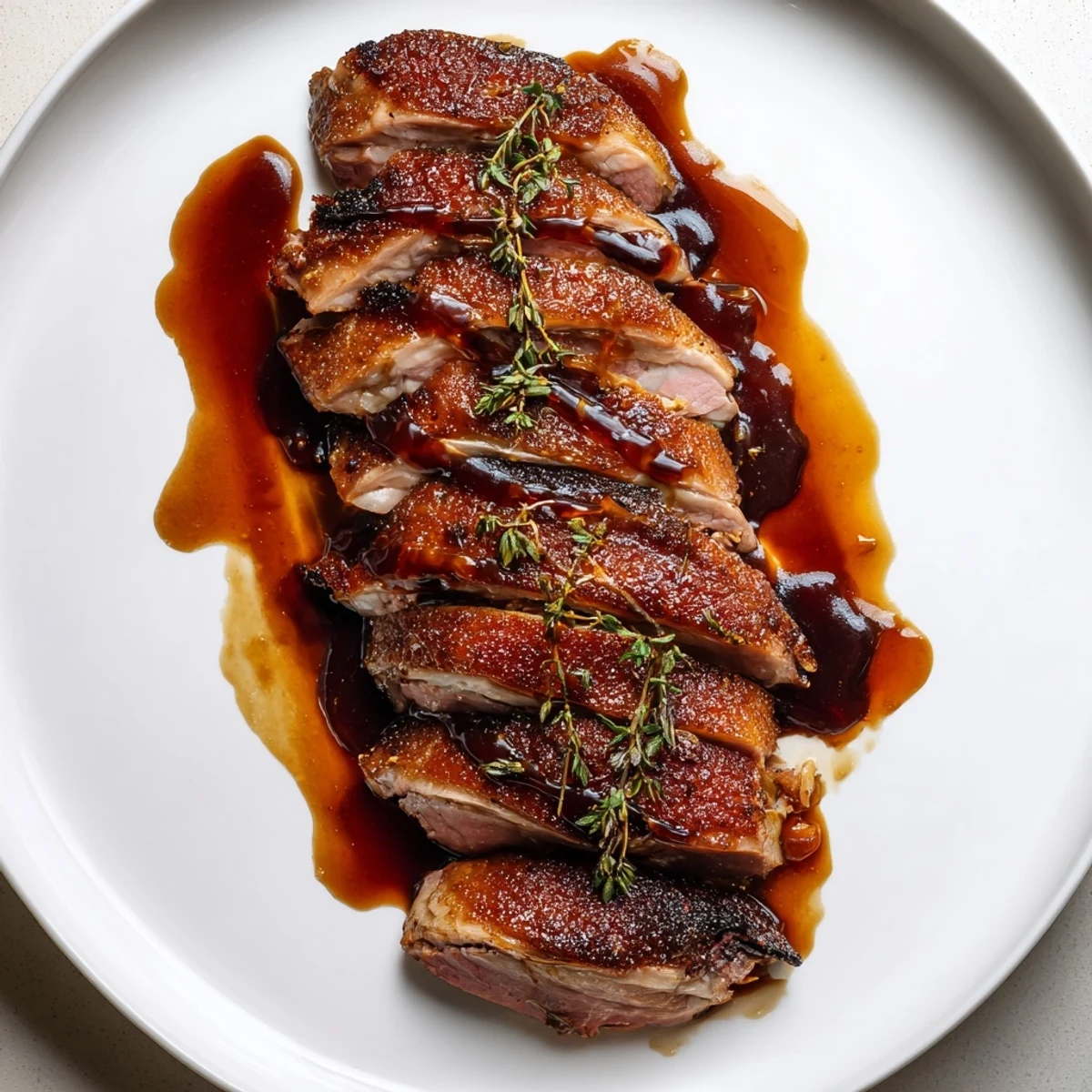
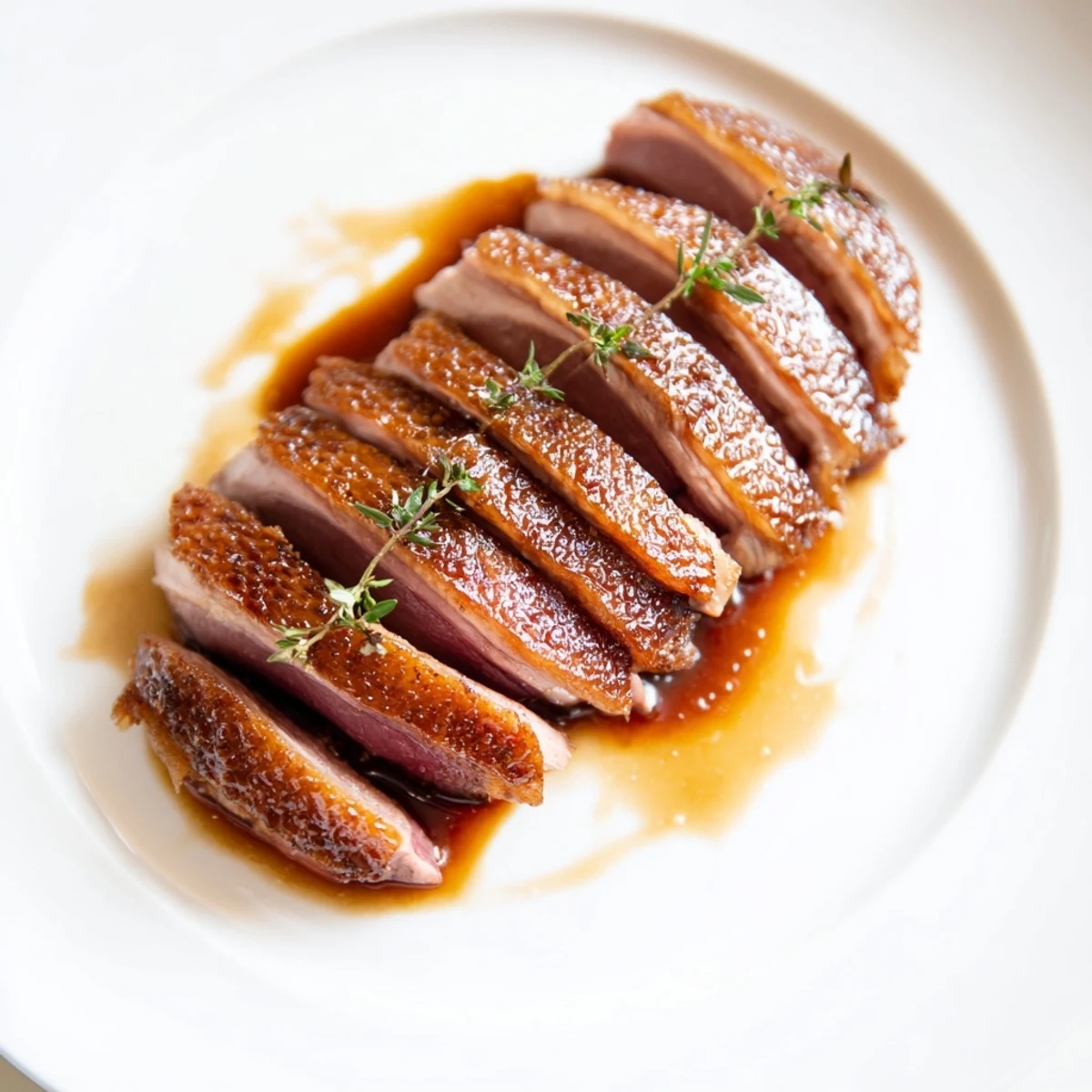
Save This dish highlights pan-seared duck breast with crispy skin and tender interior. The skin is scored and cooked slowly to render fat and achieve a golden brown crust. Resting the meat ensures juiciness before slicing. A savory pan sauce made with shallots, red wine, stock, and butter elevates the flavors. Serve alongside roasted potatoes or greens for a refined dinner experience. Techniques include skin scoring, fat rendering, and pan sauce reduction for balanced taste.
I was standing at the butcher counter, staring at duck breasts for the third week in a row, too nervous to actually buy them. Finally, the butcher looked at me and said, "Just sear it like a steak, but start it cold." That one sentence unlocked everything. The first time I heard the skin crackle and smelled that rich, almost sweet fat rendering out, I realized duck wasn't intimidating at all—it was generous, forgiving, and deeply satisfying.
The first time I made this for my partner, they watched me drain the fat midway through and asked if I was doing it wrong. I laughed and said, "Just wait." When I sliced into that breast and the center was perfectly pink, they went quiet. We ate slowly that night, savoring every bite with roasted fingerlings and a glass of the same wine I used in the sauce.
Ingredients
- Boneless duck breasts, skin on: The skin is where all the magic happens—it renders into pure gold and protects the meat from drying out.
- Salt and black pepper: Season generously; duck can handle it and needs it to balance the richness.
- Shallots, finely minced: They melt into the sauce with a gentle sweetness that red onion cant quite match.
- Dry red wine: I use whatever Im drinking, something with body but nothing too precious.
- Chicken or duck stock: Duck stock makes it deeper, but chicken works beautifully and is easier to keep on hand.
- Unsalted butter: This is what makes the sauce cling and shine, turning pan drippings into something silky.
- Fresh thyme leaves: Optional, but a pinch adds an earthy note that feels like youve been cooking all day.
Instructions
- Score and season:
- Pat the breasts completely dry, then score the skin in a crosshatch without cutting into the meat. Season both sides with more salt and pepper than you think you need.
- Start cold:
- Lay the duck skin side down in a cold, dry skillet, then turn the heat to medium. Youll hear it start to sizzle gently as the fat melts out.
- Render the skin:
- Let it cook for 6 to 8 minutes, tilting the pan to drain fat into a heatproof bowl as it pools. The skin should turn deeply golden and crackling crisp.
- Flip and finish:
- Turn the breasts over and cook for 3 to 4 minutes for medium rare. Remove to a plate, tent loosely with foil, and let them rest while you make the sauce.
- Build the sauce:
- Pour off all but a tablespoon of fat, add the shallots, and cook until soft, about a minute. Pour in the wine and scrape up every browned bit stuck to the pan.
- Reduce and finish:
- Add the stock and thyme, simmer until the liquid reduces by half, then pull it off the heat and swirl in the butter until the sauce turns glossy.
- Slice and serve:
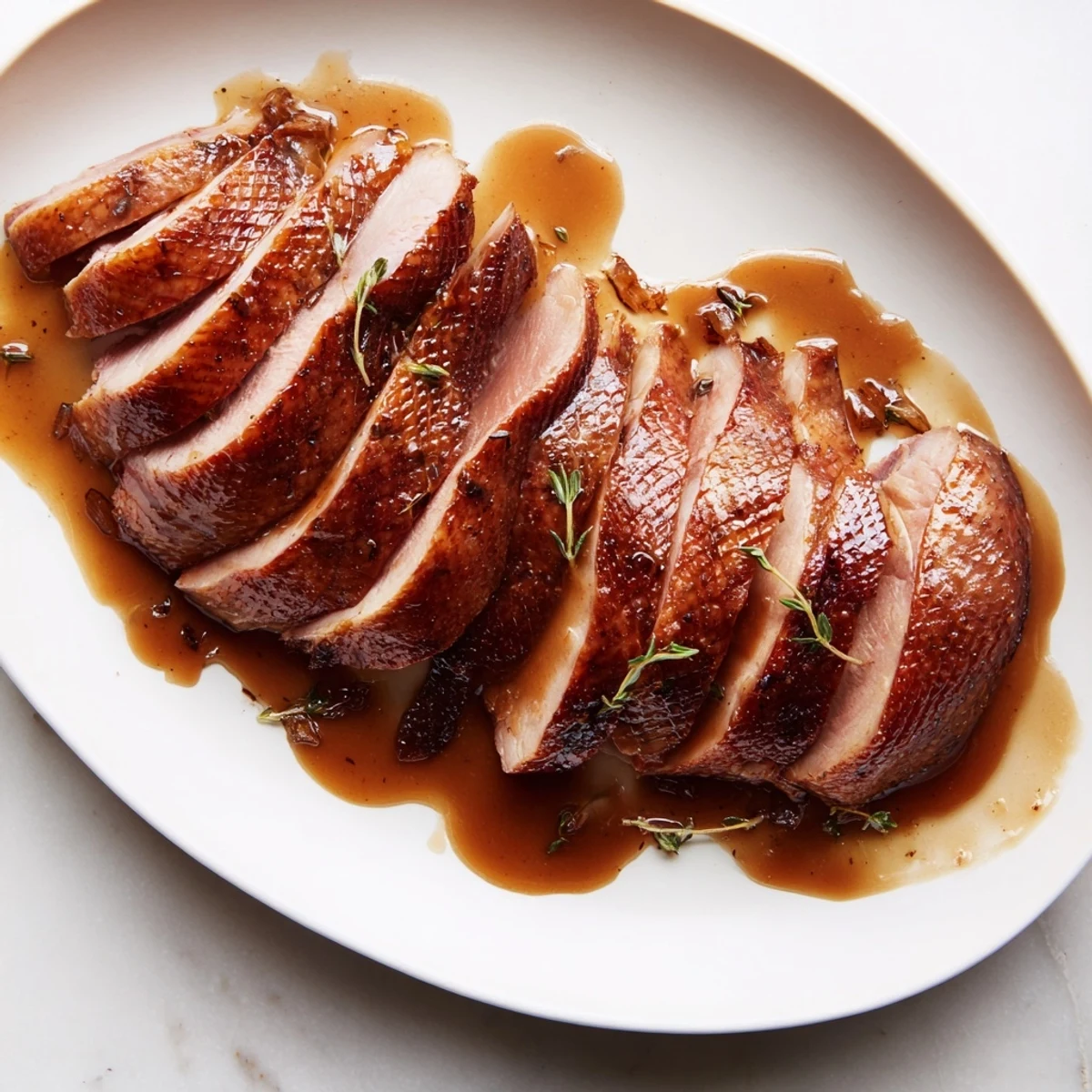
- Slice the duck thinly against the grain and arrange on plates. Spoon the warm sauce over the top and serve immediately.
 Save
Save One winter evening, I served this with a cherry compote I made on a whim, and my friend closed her eyes after the first bite. She said it tasted like something her grandmother would have made for a special occasion. I didnt tell her it only took twenty-five minutes.
What to Serve It With
I love pairing this with crispy roasted potatoes cooked in some of that rendered duck fat, or a pile of garlicky wilted greens. A bright salad with bitter leaves and a tart vinaigrette cuts through the richness beautifully. Sometimes I just serve it with crusty bread to soak up every drop of sauce.
How to Know When Its Done
Duck is best served medium rare, which means the center should still be rosy and soft when you press it. If you have a thermometer, youre looking for around 130 to 135 degrees in the thickest part. The meat will firm up just a little as it rests, so pull it off the heat before it looks fully done.
Storing and Reheating
Leftover duck keeps in the fridge for up to three days and makes an incredible addition to salads, grain bowls, or fried rice. Reheat it gently in a skillet over low heat, skin side down, just until warmed through. The skin wont be as crisp, but the flavor is still there.
- Save that rendered duck fat in a jar in the fridge—it lasts for months.
- Use it to roast vegetables, fry eggs, or make the best hash browns of your life.
- A little goes a long way, so start with a teaspoon and go from there.
 Save
Save This dish taught me that elegant food doesnt have to be complicated. Sometimes the best meals come from a cold pan, a little patience, and the confidence to let good ingredients speak for themselves.
Recipe FAQs
- → How do you achieve crispy skin on duck breast?
-
Score the skin without cutting into the meat, cook skin side down in a cold skillet over medium heat to slowly render fat and crisp the skin evenly.
- → What is the purpose of resting the duck before slicing?
-
Resting allows juices to redistribute, resulting in a juicier and more tender breast when sliced.
- → How is the pan sauce prepared?
-
After removing the duck, sauté shallots in the rendered fat, deglaze with red wine, add stock and thyme, then simmer to reduce before finishing with butter.
- → Can the red wine be substituted in the sauce?
-
Yes, options like orange juice can be used for a fruity variation, altering the sauce’s flavor profile.
- → What sides complement this dish?
-
Roasted potatoes, wilted greens, or a cherry compote provide classic, complementary flavors and textures.