
 Save
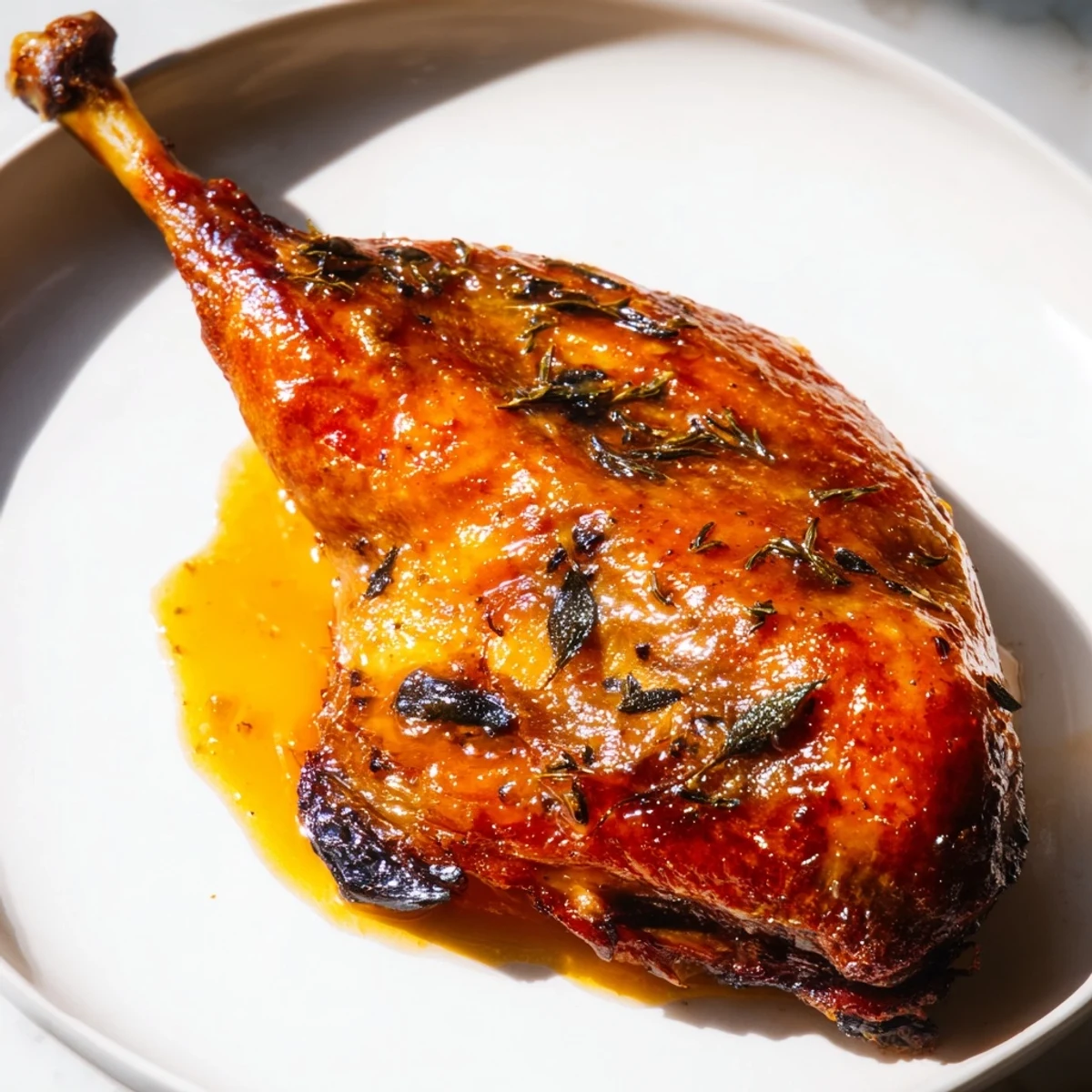
Save This dish features a whole duck seasoned and infused with citrus quarters and fresh herbs, then slow roasted to tender perfection. A luscious orange glaze made from fresh juice, honey, balsamic vinegar, and a touch of soy adds bright, balanced flavor. The bird finishes with crisp, golden skin after a high-temp roast, delivering a harmonious mix of juicy meat and vibrant glaze. Ideal for a sophisticated, gluten-free main course.
I never planned to roast a whole duck until a neighbor handed me one from his farm stand, insisting it was easier than I thought. The kitchen smelled like oranges and butter for hours, and by the time that mahogany skin crackled under my knife, I understood why people make this for celebrations. It's one of those recipes that looks intimidating but mostly asks for patience, and the payoff is pure theater on a plate.
The first time I served this, I forgot to drain the fat halfway through and nearly started a small oven fire. My sister still brings it up every holiday, but the duck itself was so good no one cared about the smoke alarm. Now I set a timer and keep a heatproof cup nearby, and it's become the dish I make when I want to feel like I know what I'm doing.
Ingredients
- Whole duck (2 to 2.5 kg): Look for one that feels heavy for its size with taut, unblemished skin; pat it completely dry or the skin won't crisp, a lesson I learned the soggy way.
- Kosher salt and black pepper: Season generously inside and out because duck can handle bold flavor, and don't be shy with the pepper, it blooms beautifully in the rendered fat.
- Orange and lemon quarters: These go inside the cavity to perfume the meat from within; I sometimes toss in an extra orange half just for the scent that fills the kitchen.
- Fresh thyme and rosemary: Woody herbs stand up to long roasting without turning bitter, and their fragrance mingles with the citrus in a way that smells like a French countryside.
- Garlic cloves, smashed: Just crush them with the side of your knife, skins and all; they sweeten as they roast and add a mellow depth to the drippings.
- Freshly squeezed orange juice: Use real oranges, not carton juice, because the natural oils and acidity make the glaze shine and taste alive.
- Orange zest: A microplane is your friend here; the zest carries all the floral citrus notes without the bitterness of the pith.
- Honey: It caramelizes into the glaze and tempers the vinegar; maple syrup works too if that's what you have on hand.
- Balsamic vinegar: This adds a dark, tangy complexity that keeps the glaze from being one note sweet.
- Soy sauce (gluten free if needed): Just a tablespoon brings umami and a whisper of saltiness that deepens the whole glaze.
- Unsalted butter: Whisk it in at the end for body and gloss; it makes the glaze cling to the duck like lacquer.
Instructions
- Prep the duck:
- Pat it bone dry with paper towels, then prick the skin all over with a sharp knife tip or fork, being careful not to stab into the meat. This lets the fat render out slowly so the skin can turn golden and crackling.
- Season and stuff:
- Rub salt and pepper inside the cavity and all over the outside, then tuck the orange, lemon, herbs, and garlic inside. It's like building a little aromatic sauna in there.
- Start the slow roast:
- Set the duck breast up on a rack in a roasting pan and slide it into a 150°C (300°F) oven for 2 hours. Baste it every 30 minutes or so with the pan juices, and pour off excess fat into a heatproof container as it collects.
- Make the glaze:
- While the duck roasts, combine orange juice, zest, honey, vinegar, and soy sauce in a small saucepan. Boil it, then simmer until it's reduced by half and coats the back of a spoon, about 12 to 15 minutes, then whisk in the butter off heat.
- Finish with high heat:
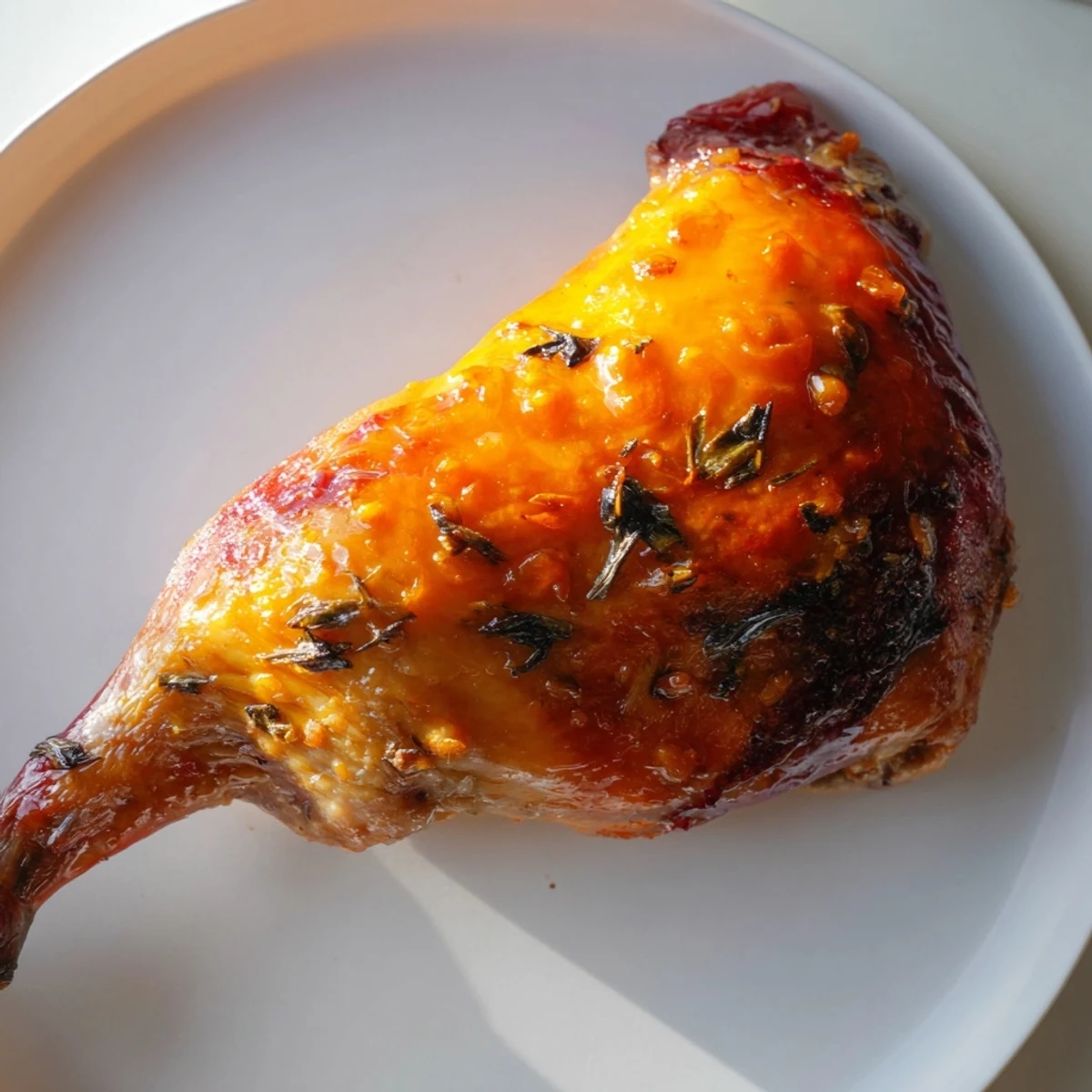
- After 2 hours, crank the oven to 220°C (425°F) and brush the duck all over with glaze. Roast another 20 to 30 minutes, basting once or twice, until the skin is deep amber and crisp enough to tap.
- Rest and carve:
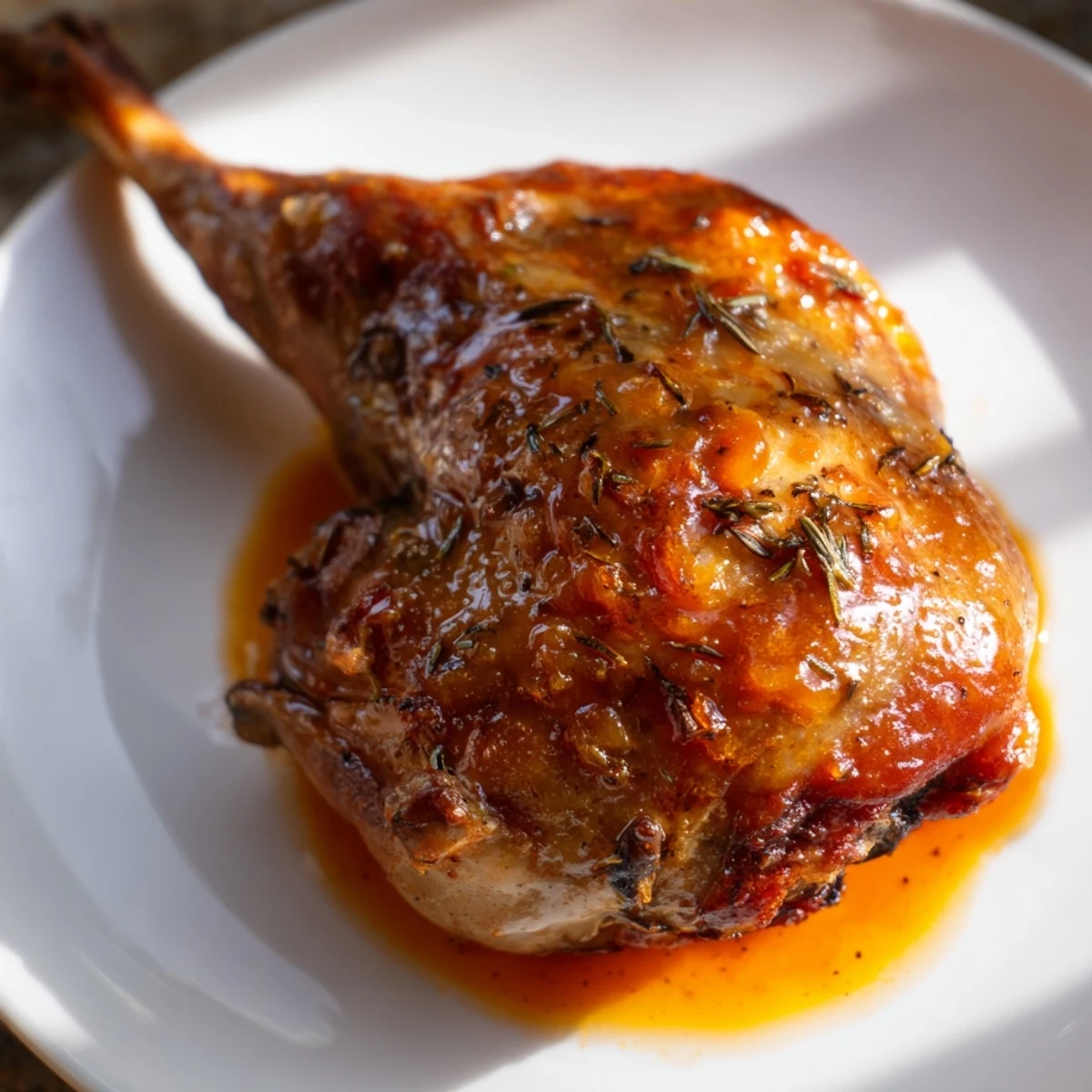
- Let the duck rest on a board for 15 minutes so the juices settle, then carve and serve with the remaining glaze drizzled over. The meat should be rosy and tender, the skin audibly crunchy.
 Save
Save The smell of this duck roasting has become a signal in my house that something special is happening. My kids know to set the table with cloth napkins, and my husband pours wine without being asked. It's the kind of dish that turns a regular Sunday into an occasion, even if the occasion is just being together and hungry.
Getting the Crispiest Skin
If you have time, leave the duck uncovered in the fridge overnight so the skin dries out completely; cold air is like a secret weapon for crackle. When you prick the skin, aim for the fatty areas on the breast and thighs where the fat pools thickest. The slow initial roast renders the fat gently, and that final blast of high heat is what transforms the surface into something that shatters when you press a fork to it.
What to Serve Alongside
I usually roast baby potatoes in some of the duck fat during the last 30 minutes, and they come out bronze and impossibly crispy. Braised red cabbage with apples is a classic pairing that echoes the sweet tart notes in the glaze, or you can keep it simple with a bitter green salad dressed in mustard vinaigrette. The duck is rich enough that you want something bright or earthy to balance each bite.
Make Ahead and Storage
You can make the glaze a day ahead and reheat it gently before basting; it actually thickens a bit more in the fridge, which is fine. Leftover duck keeps for 3 days in the fridge and reheats beautifully in a hot oven to re crisp the skin, though it never lasts that long in my house. The rendered fat will solidify as it cools and can be stored in a jar for up to a month, ready to elevate any potato, vegetable, or egg dish you throw at it.
- Let the duck come to room temperature for 30 minutes before roasting so it cooks more evenly.
- If your glaze gets too thick, just whisk in a splash of water or orange juice to loosen it.
- Save the carcass for stock; even after all this, it still has plenty of flavor to give.
 Save
Save This recipe taught me that some of the best meals ask for time more than skill, and that the smell of citrus and roasting meat can make a whole house feel like home. I hope it becomes one of those dishes you pull out when you want to impress someone, or just remind yourself that you can make something beautiful.
Recipe FAQs
- → How long should I roast the duck for tenderness?
-
Roast the duck slowly at 150°C (300°F) for about 2 hours to ensure tender meat and render the fat properly.
- → What ingredients enhance the citrus flavor?
-
Quartered orange and lemon, along with fresh thyme and rosemary, infuse the duck with bright, aromatic citrus notes.
- → How is the orange glaze prepared?
-
Simmer fresh orange juice, zest, honey, balsamic vinegar, and soy sauce until syrupy, then whisk in butter for a rich finish.
- → Can I make the skin crispy?
-
Yes, after slow roasting, increase oven heat to 220°C (425°F) and baste the duck with glaze to crisp the skin.
- → Are there any allergen considerations?
-
This dish contains soy and dairy; use alternatives like soy-free sauce or plant-based butter if needed.
- → What sides complement this dish well?
-
Roasted potatoes, braised red cabbage, or a fresh green salad pair nicely with the rich flavors.